Ajinkyatara Fort: A Maratha Hill Fort Above Satara
Site at a Glance
- Popularity
- Very High
- Country
- India
- Primary era
- Medieval
- Eras represented
- Medieval
- Civilizations
- Unclassified
- Site type
- Military
- Remains
- Fort
On this page9 sections
History
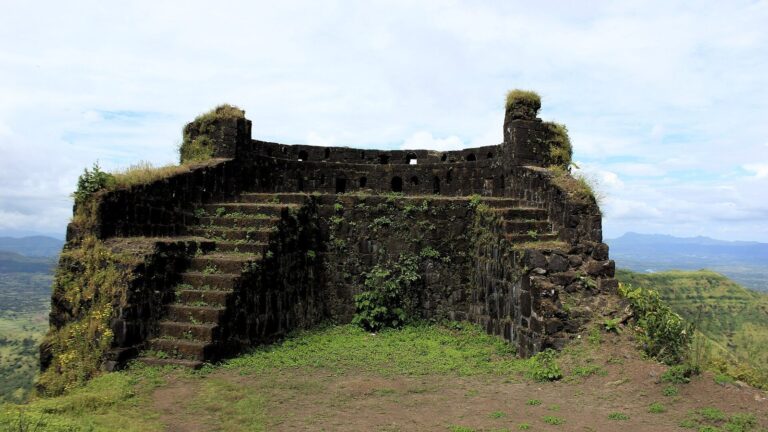
Ajinkyatara Fort is a hill fort on Ajinkyatara Mountain above Satara, Maharashtra, India. King Bhoj of the Shilahara dynasty, a medieval ruling house in western India, built it in the 12th century. The fort is described as an example of Maratha architecture and was also known as the Fort of the Seven Sages, a reference to the seven sages of Hindu tradition.
Maratha and Mughal rule
In 1673, Shivaji, a 17th-century Maratha ruler, captured the fort from the Bijapur Sultanate, a Deccan kingdom. Its keeper, Manaji Sable, defended it against an assault by Mughal forces. The Mughals were an imperial dynasty that ruled much of the Indian subcontinent; the attacking force was led by Muhammad Mu’azzam, the second son of Emperor Aurangzeb.
Mughal forces held the fort from 1700 to 1706, when it was called Azamara. Tarabai, a Maratha queen and regent who governed on a ruler’s behalf, recaptured it and gave it the name Ajinkyatara, meaning “Invincible Star.” Shahu I, a Maratha ruler and Shivaji’s grandson, seized the fort in 1708. It remained under Maratha control until 1818.
British rule and transfer
In 1818, the British annexed the fort during the Third Anglo-Maratha War, the 1817-1818 conflict between British and Maratha powers. The East India Company held it until 1858, after which it belonged to the British Empire until 1947. It then passed to the Central Government of India.
Remains
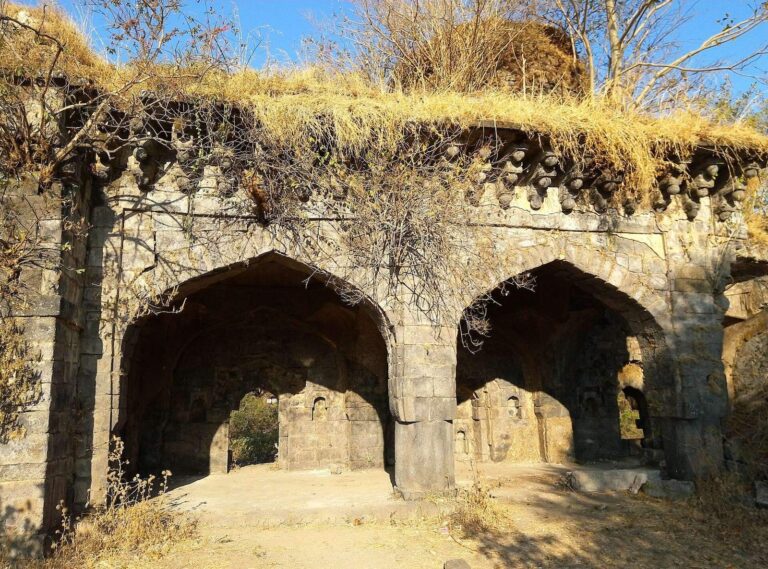
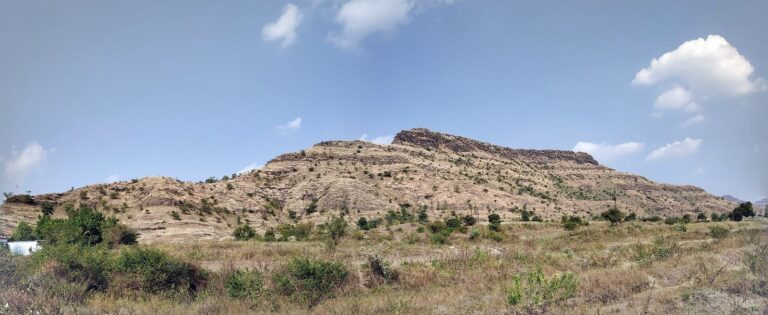
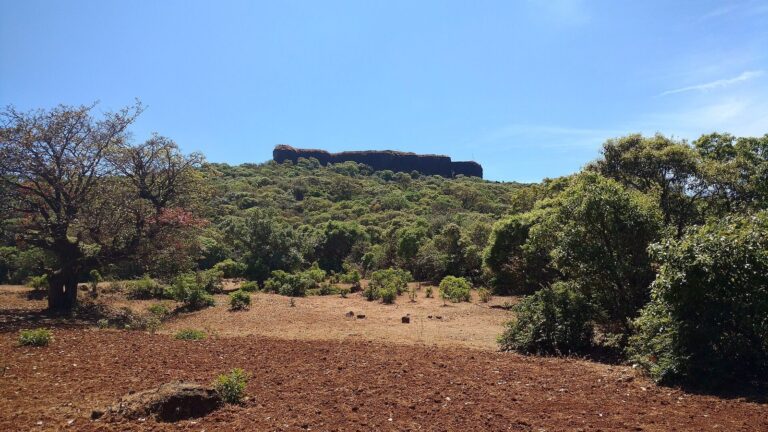
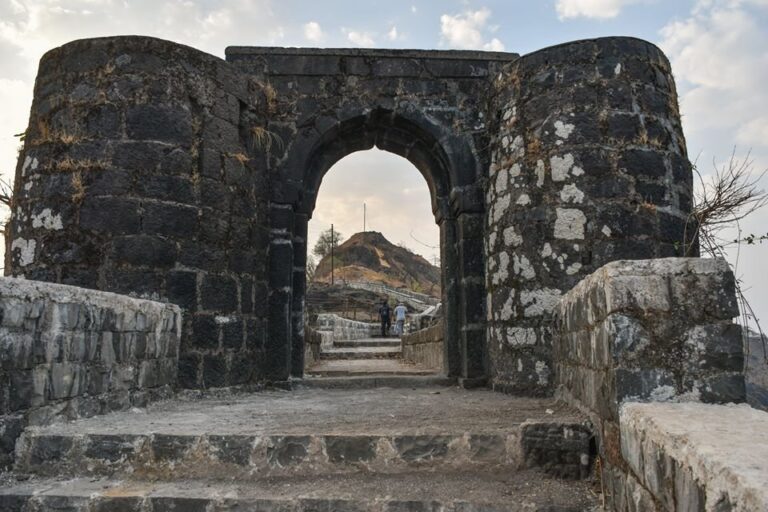
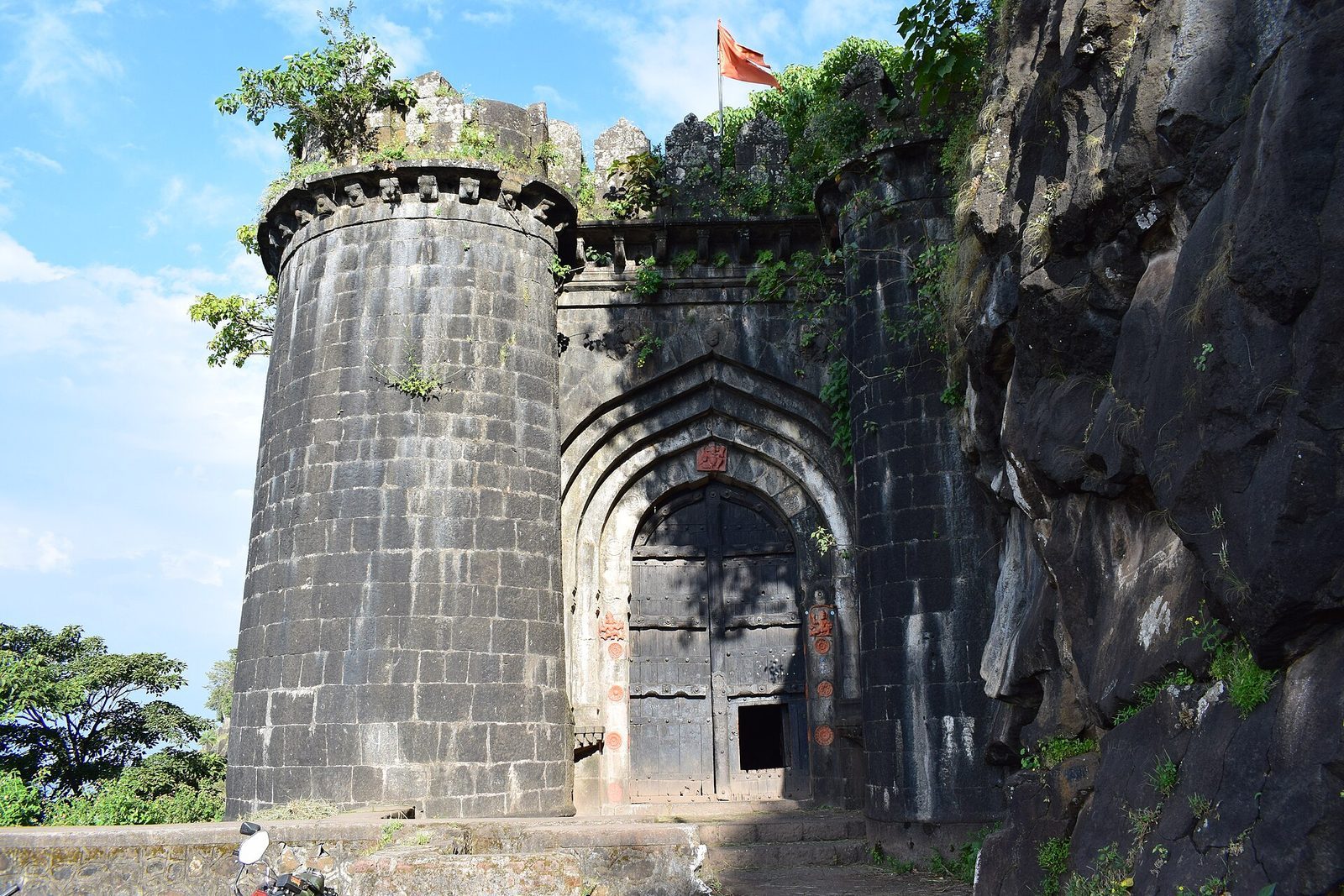
The fort occupies Ajinkyatara Mountain, one of the seven mountains surrounding Satara in the Sahyadri range, and overlooks the city. Its layout includes an enclosing wall, two gates, internal water tanks, and temples. The fort is described as an example of Maratha architecture.
Walls and gates
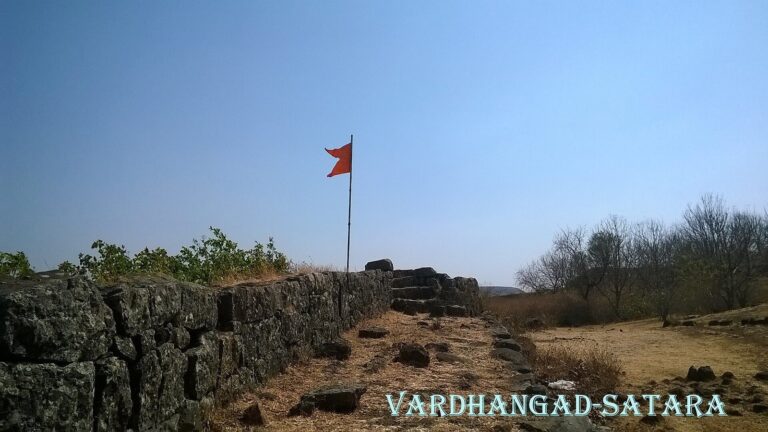
Walls about 4 metres high surround the fort and include bastions, projecting platforms built into fortifications. The main gate is near the northwest corner and has high buttresses, projecting supports. A smaller gate stands at the southeast corner.
Features within the fort
Water tanks
Several tanks inside the fort were used to store water.
Temples
Three temples stand on the fort’s northeastern side. They are dedicated to Devi Mangalai, Shankar, a name for Shiva, and Hanuman, a Hindu deity associated with devotion and strength.
Television towers
The fort contains two television towers. One serves Satara, while the other serves Pune.