Udgir Fort: A Twelfth-Century Fort and Maratha Military Base
Site at a Glance
- Popularity
- High
- Country
- India
- Primary era
- Medieval
- Eras represented
- Medieval
- Civilizations
- Unclassified
- Site type
- Military
- Remains
- Fort
On this page9 sections
History
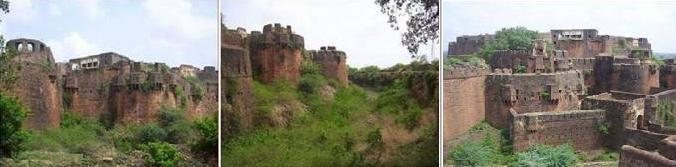
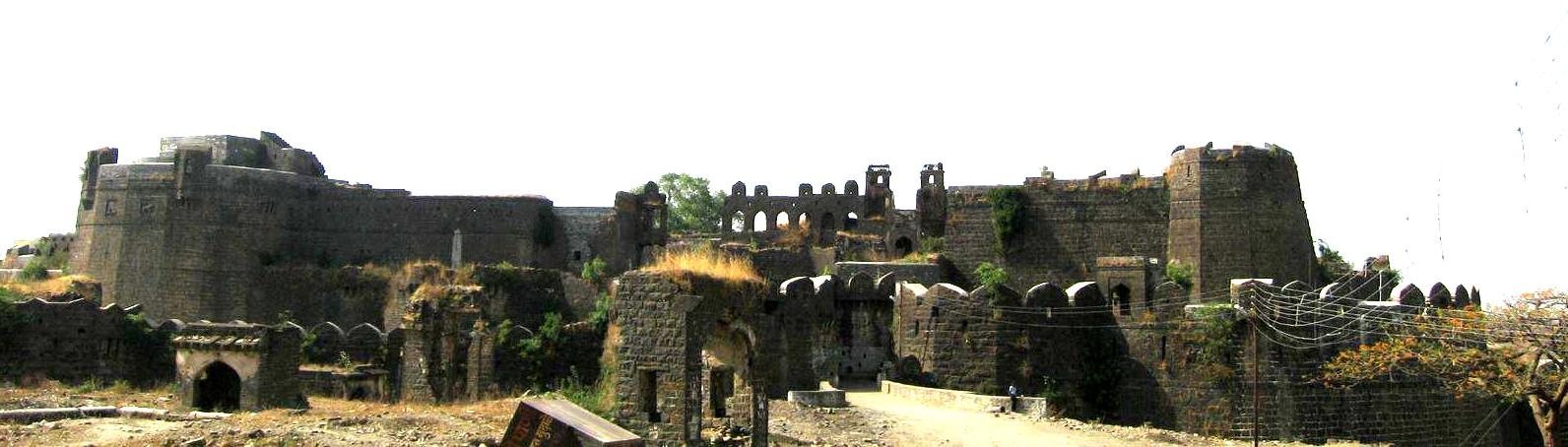
Udgir Fort is a ruined fort in India, built in the twelfth century CE before the Bahmani period, the era of a medieval Muslim kingdom in the Deccan. It takes its name from the Hindu saint Udaygiri Rishi, and its later history is tied to Maratha military campaigns against Hyderabad’s Nizam.
Maratha conflict and later rule
In 1760, the Marathas, a major political and military power in India, defeated the Nizam, Hyderabad’s ruler, at the Battle of Udgir. Their forces were led by Sadashivrao Bhau, a Maratha military commander. The Treaty of Udgir was signed after the battle.
The fort served as a Maratha military base for maintaining pressure on the Nizam. Maratha control lasted until 1818, after which the fort passed from British control to the Nizam.
Remains
The ruined fort is bounded by a trench 40 feet (12 m) deep and contains several palaces. Its stated height is 2,100 m (6,900 ft).
Fort and associated remains
Samadhi of Udaygir Maharaj
The Samadhi of Udaygir Maharaj, a memorial shrine or tomb associated with a revered religious figure, lies 60 feet (about 18 m) below the natural ground level.
Possible tunnel
A deep tunnel may connect Udgir Fort with the forts of Bhalki and Bidar.
Inscriptions
Rare Arabic and Persian inscriptions survive at the fort. They reflect local Muslim rulers’ support for knowledge and culture across successive periods.
Weapons found in 2022
Volunteers cleaning the fort grounds in 2022 found five cannons and numerous unused cannonballs. The finds are estimated to date from the fourteenth or fifteenth century.
Structures on the surrounding hills
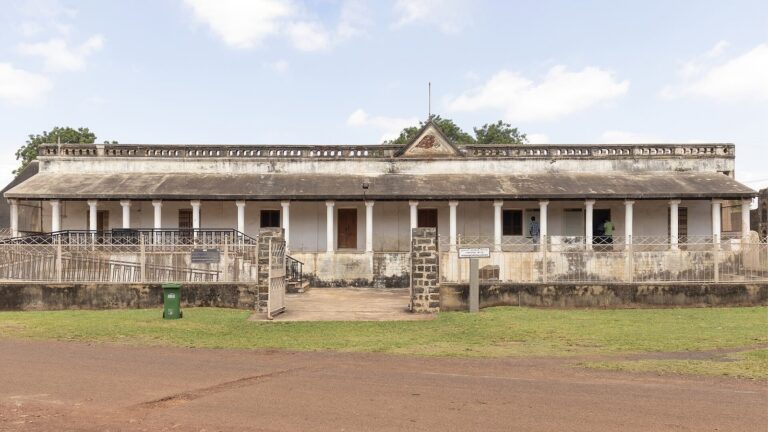
Several old military observation points and rest houses are scattered across the surrounding hills. Built from an unusual white clay, these structures have long been in disrepair.