Grime’s Graves: A Prehistoric Flint Mine in Norfolk
Site at a Glance
- Popularity
- Very High
- Country
- United Kingdom
- Primary era
- Stone Age
- Eras represented
- Stone Age
- Civilizations
- Unclassified
- Site type
- Economic
- Remains
- Mine
On this page17 sections
History
Neolithic mining and exchange
Grime’s Graves is a prehistoric flint mine in Norfolk, England, worked chiefly from about 2600 to 2300 BC. Its main period of activity is associated with Grooved Ware, a prehistoric pottery style decorated with grooves. The mine appears to have been worked later than comparable flint mines in Sussex and Wessex.
The flint was particularly prized for making polished stone axes. These tools helped clear woodland and prepare farmland, and the volume produced may have exceeded local needs. That surplus suggests that flint or partly made tools could have travelled farther afield. Demand may also have come from farming communities near the fertile Fens, the low-lying region of eastern England. One estimate suggests that keeping no more than two shafts active at a time could have required about 120 red deer nearby to provide antler and other materials. Intermittent work by local farmers is another possibility.
Later activity and the name
Mining may have continued into the Bronze and Iron Ages, but the duration of any later work at Grime’s Graves is uncertain. The Anglo-Saxons may have connected the landscape’s many hollows with Grim, an epithet of Woden, a major Anglo-Saxon god, meaning “masked” or “hooded.” The place-name has been interpreted as “the masked one’s quarries.”
Changing interpretations
Before the workings were recognized as a mine, their hollows were mistaken for defensive earthworks. In 1695, the antiquarian William Camden described the site as a fort. F. Blomefield later proposed that it was a Danish fortified camp, an eighteenth-century priest attributed the hollows to Vikings, and a later amateur archaeologist suggested a Celtic fortress.
Excavation and protection
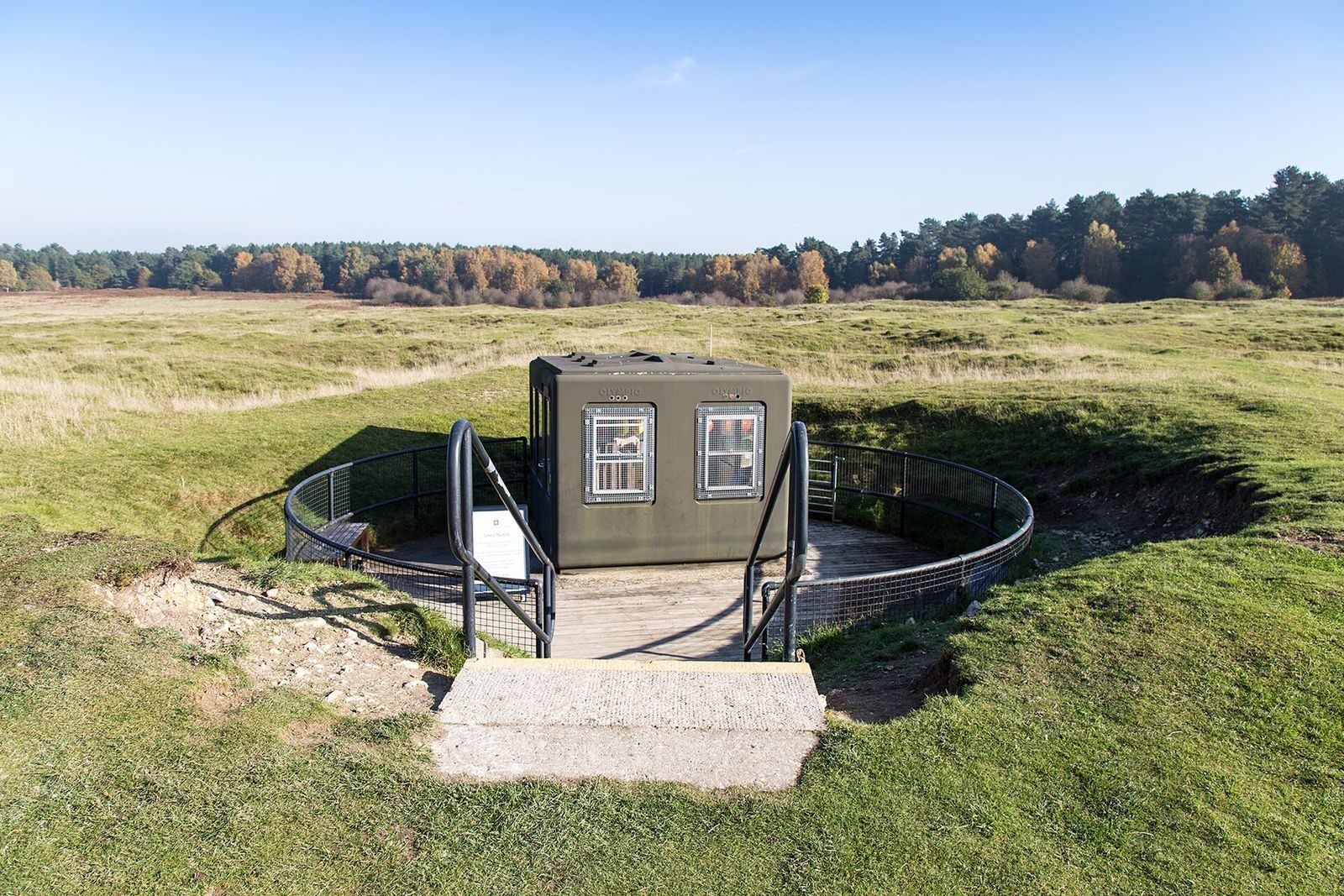
Excavations began in 1852. William Greenwell dug a shaft to its base and explored the underground galleries in 1868 to 1870, establishing the mine’s purpose. That shaft is now known as Greenwell Pit. The Prehistoric Society of East Anglia excavated two more shafts in 1914, followed by investigations from 1923 to 1939 that included Leslie Armstrong’s work in 1937 to 1939.
Further excavations were led by Roger Mercer in 1971 to 1972. British Museum research followed from 1972 to 1976 under Ian Longworth and Gale Sieveking, with digging carried out by a Dutch team; Philip Harding also worked at the site each summer during those years. Finds from the excavations were transferred to the British Museum. Grime’s Graves is a Scheduled Monument, a site protected under British law for its archaeological or historical importance. The protected area covers about 37 hectares. The site is also recognized for biological and geological interest, forms part of the Breckland conservation areas for habitats, species and birds, and is managed by English Heritage.
Remains
Pitted landscape and geology
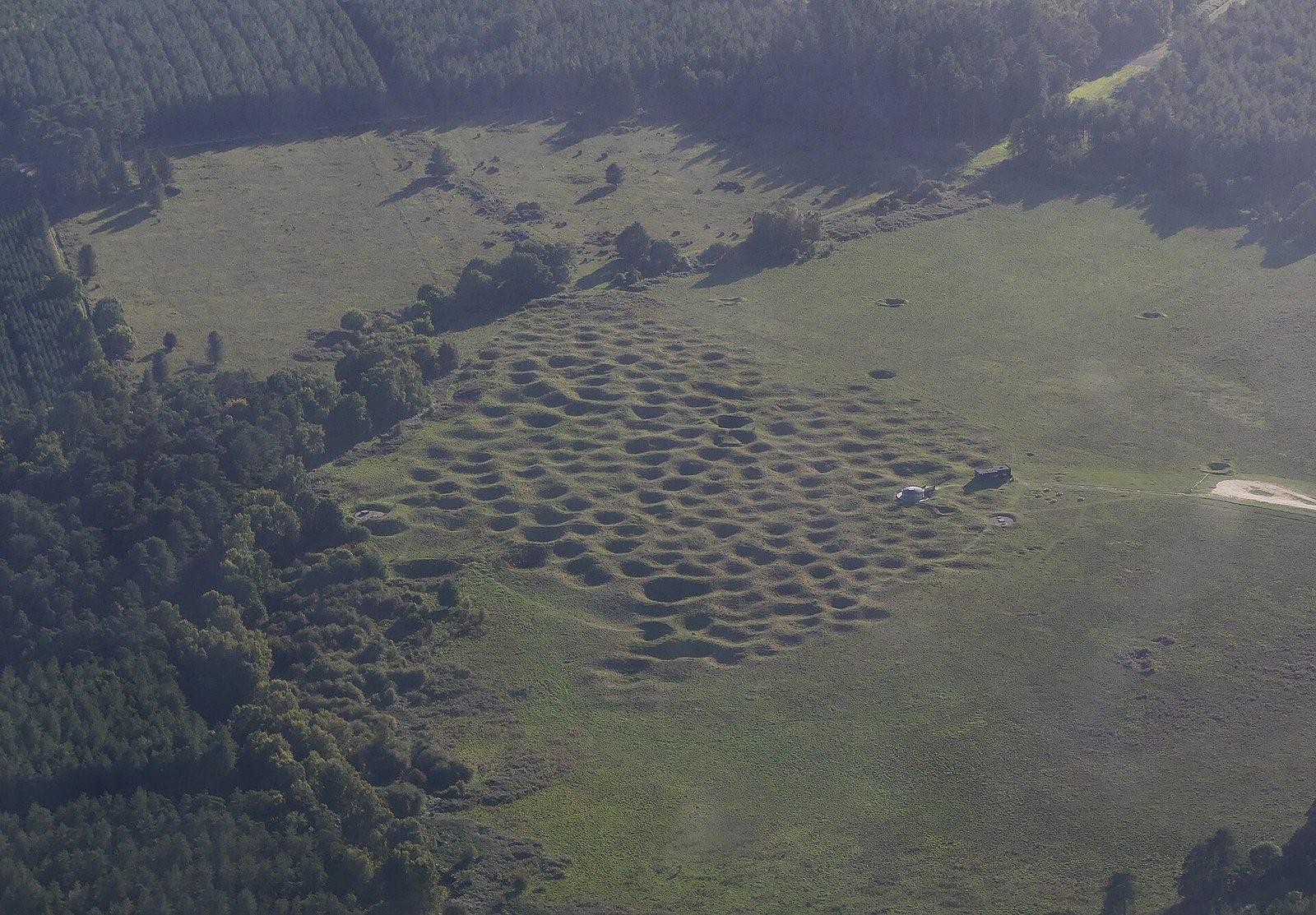
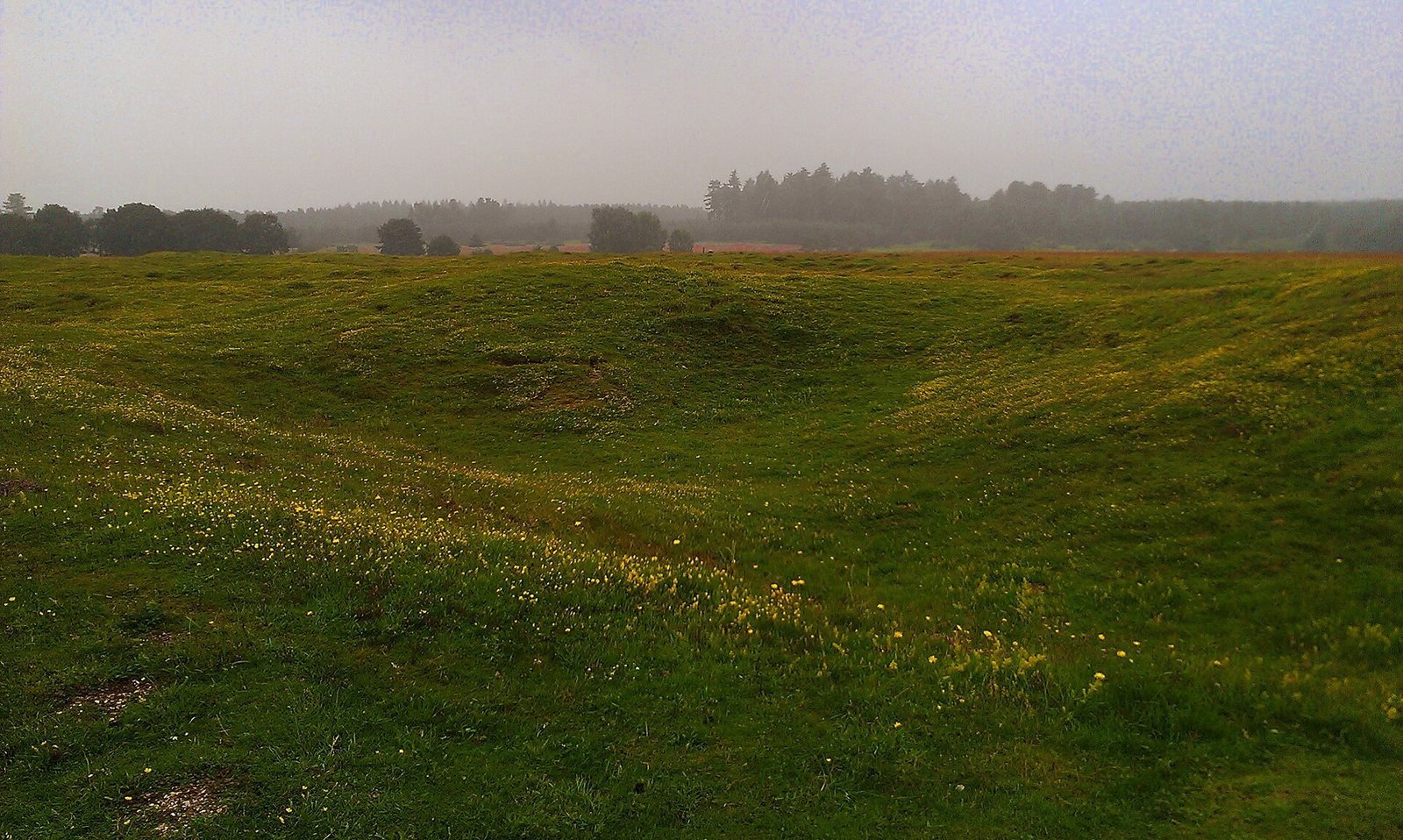
The mine lies on a chalk plateau, where shafts were sunk through the chalk to reach layers of flint. Around 433 shafts have been recorded, with the overall number estimated at roughly 500. Visible depressions are concentrated across an area of about 7.6 hectares. The shafts and galleries were ultimately filled in, leaving the surrounding ground marked by a dense pattern of hollows.
Shafts, galleries and extraction
Shafts and access
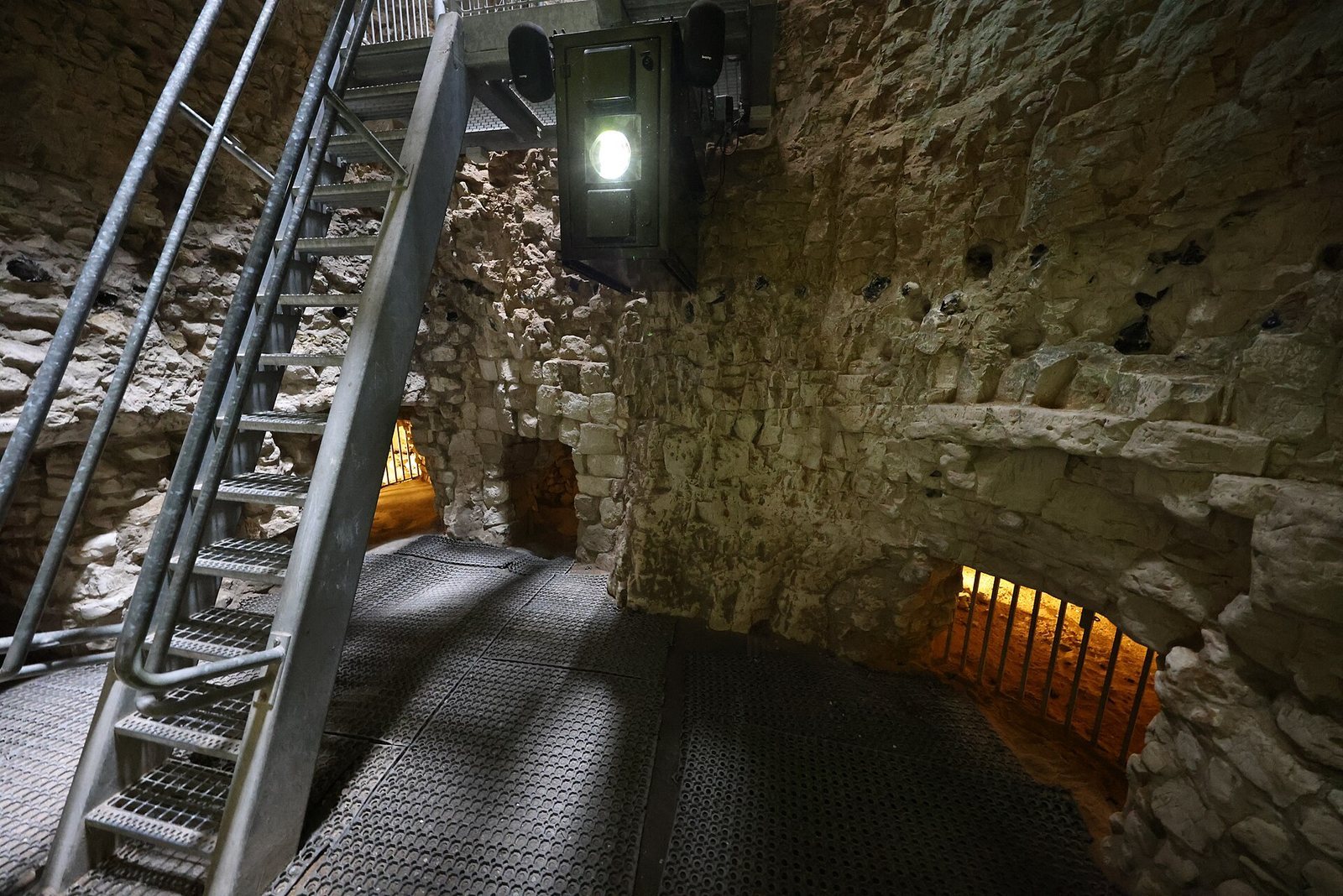
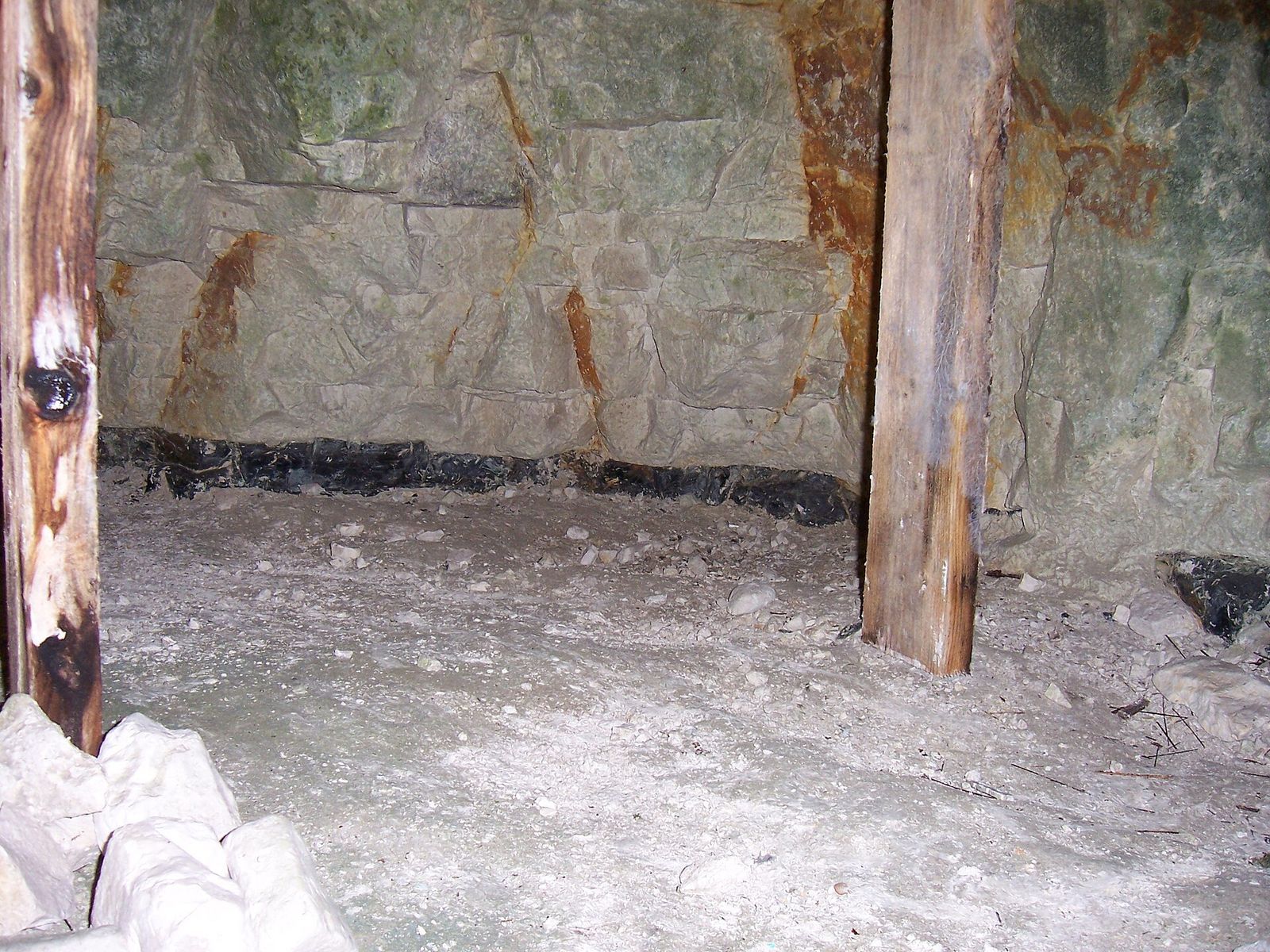
Shafts generally extend about 6 to 14 metres below ground, while the largest exceed 14 metres in depth and measure around 12 metres across at the surface. Miners passed through upper layers called topstone and wallstone to reach the deeper floorstone seam. Access was provided by ladders set at about 45 degrees, with ledges or platforms inside the shafts.
Galleries and backfilling
At the bottom of a shaft, miners dug galleries outward along the floorstone seam. Some ran in several directions and connected with other shafts. Wooden ladders and platforms supported the work. Waste chalk was piled around shaft openings and held in place with turf supports. After a season’s extraction, workers carefully filled the shafts and galleries to make the ground stable.
Tools and production
Mining tools
Miners used picks made from red-deer antlers. Analysis of the finds indicates that they were mainly right-handed and often chose naturally shed left antlers. Across 28 excavated shafts, the average was 142.5 antler picks per shaft, including an average of 14.8 made from left antlers. Greenstone axes from Cornwall were also among the tools. Wooden shovels have been proposed as another possibility, though their use is inferred rather than directly established.
Labor and yield
Calculations suggest that removing the chalk from a large shaft involved more than 2,000 tonnes of material and could take 20 workers five months to reach suitable flint. A separate estimate gives a shaft’s flint yield as about seven tonnes, with seven workers spending roughly six months on the work: two digging and five carrying material to the surface. Medium-depth shafts may have yielded as much as 60 tonnes. Nodules were roughly shaped at the mine. Estimates based on the 433 recorded shafts put total production at 16,000 to 18,000 tonnes; 60 tonnes could, in theory, have supplied enough flint for as many as 10,000 polished axes.
Pottery and deposits
Pottery
Pottery recovered from the shafts includes coarse vessels and decorated bowls in the Durrington Walls style of Grooved Ware. These objects provide material evidence for activity at the mine during its prehistoric working period.
Animal remains and farming deposits
Shaft fills contained animal bones, including remains of birds and dogs, which are uncommon in the area. These finds have been interpreted as possible evidence of exchange over long distances, though the bones may represent domestic refuse or deliberate deposits. Refuse deposits, or middens, at the mouths of many shafts date to Bronze Age farming settlement. Their animal remains indicate cattle, sheep and a few pigs; the cattle were milked. Barley, wheat and peas were also grown.
Pit 15
Pit 15, an unproductive shaft, appears to have been converted into a shrine. Its features included an apparent altar made from lumps of flint, a chalk bowl at the base and antler picks piled nearby. In front were a chalk figure about 11.5 centimetres high, a chalk phallus and chalk balls. The shrine may have been intended to encourage continued productivity or fertility at the mine. The interpretation is uncertain because the authenticity of the figure and phallic objects has been questioned, in part because evidence for their reported recovery in 1939 is lacking.