Kamalgad: A Hill Fort in Maharashtra, India
Site at a Glance
- Popularity
- Medium
- Country
- India
- Primary era
- Unclassified
- Eras represented
- Unclassified
- Civilizations
- Unclassified
- Site type
- Military
- Remains
- Fort
On this page7 sections
History
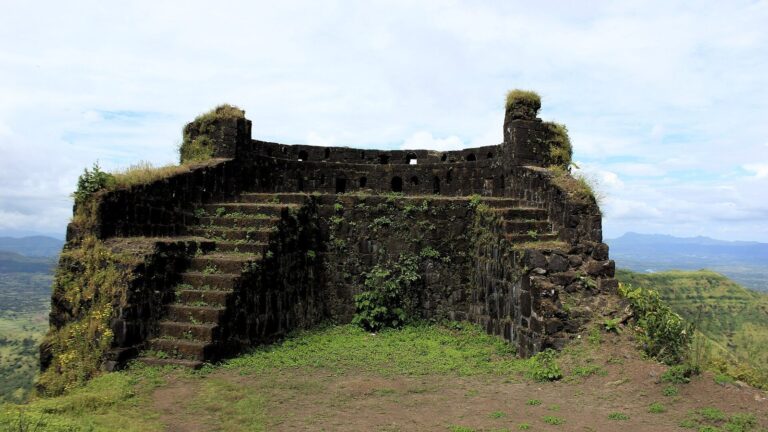
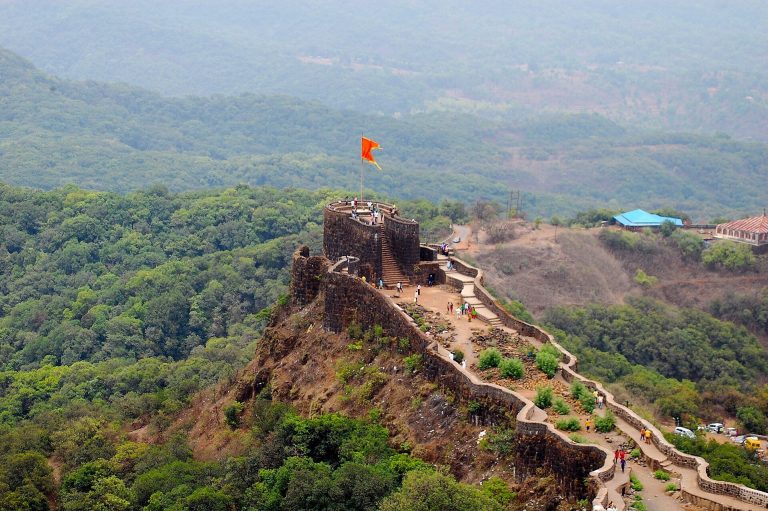
Kamalgad is a square hill fort in Maharashtra, India, in Wai taluka, an administrative subdivision of Satara district. Its name means “lotus fort”; it is also known as Bhelanja and Kattalgad, a name glossed as “death fort.” The fort’s builder has not been identified.
Maratha-period administration
During the Maratha period, when the Marathas were a major political power in western India, Kamalgad and nearby forts, including Pandavgad, were administered by a mokasaddar, or manager, from Bijapur, an important Deccan political center. Early Marathi documents written in Modi, a historical script used for Marathi, refer to the fort as Kattalgad.
Surrender and British rule
In April 1818, Kamalgad surrendered after resisting a British detachment commanded by Major Thatcher. Under British rule, the fort was used to execute prisoners of war.
Remains
Summit and approach
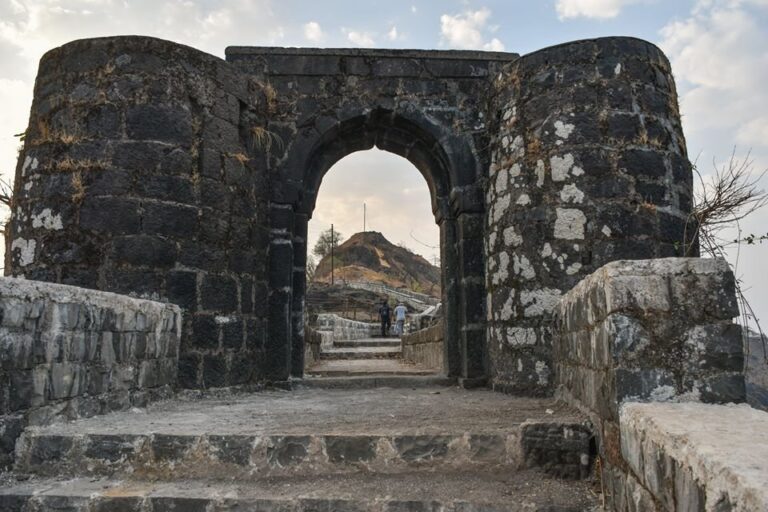
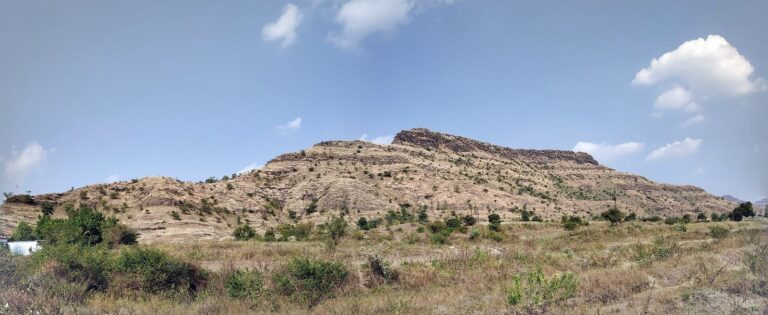
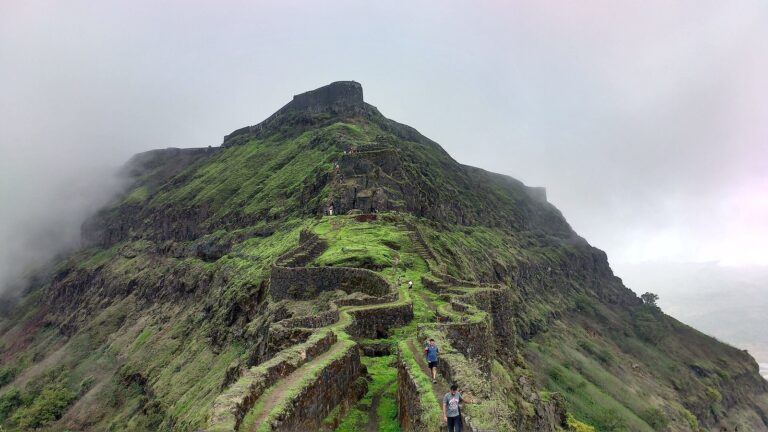
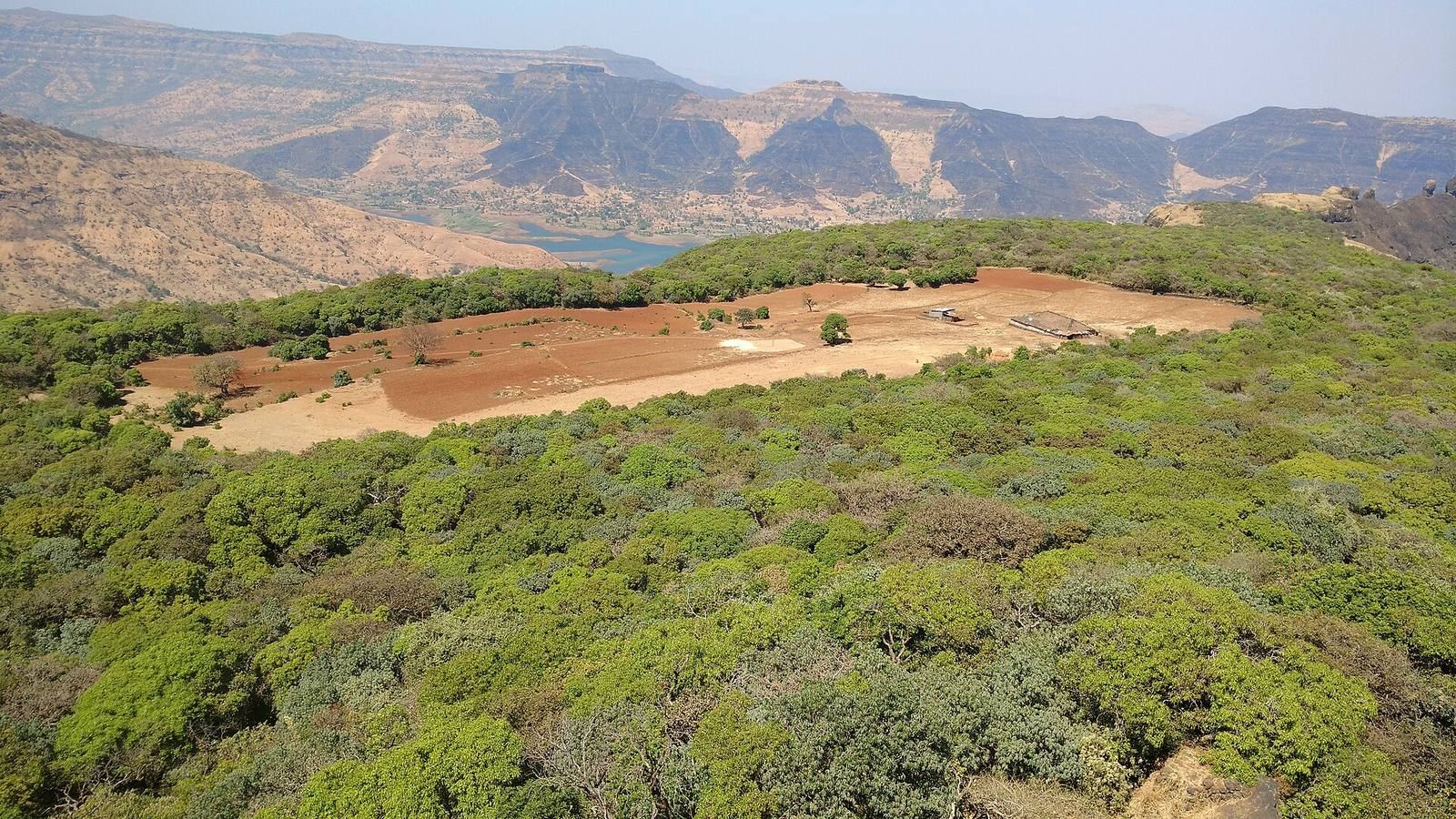
The fort occupies a flat area of about three to four acres at roughly 4,500 feet above sea level in the Sahyadri, also known as the Western Ghats. Steep rock encircles the summit, which had to be reached by climbing the rock. An earlier approach ran through an artificial tunnel from the rock’s base, but a large fallen stone blocked it and was never removed.
Rock-cut shaft
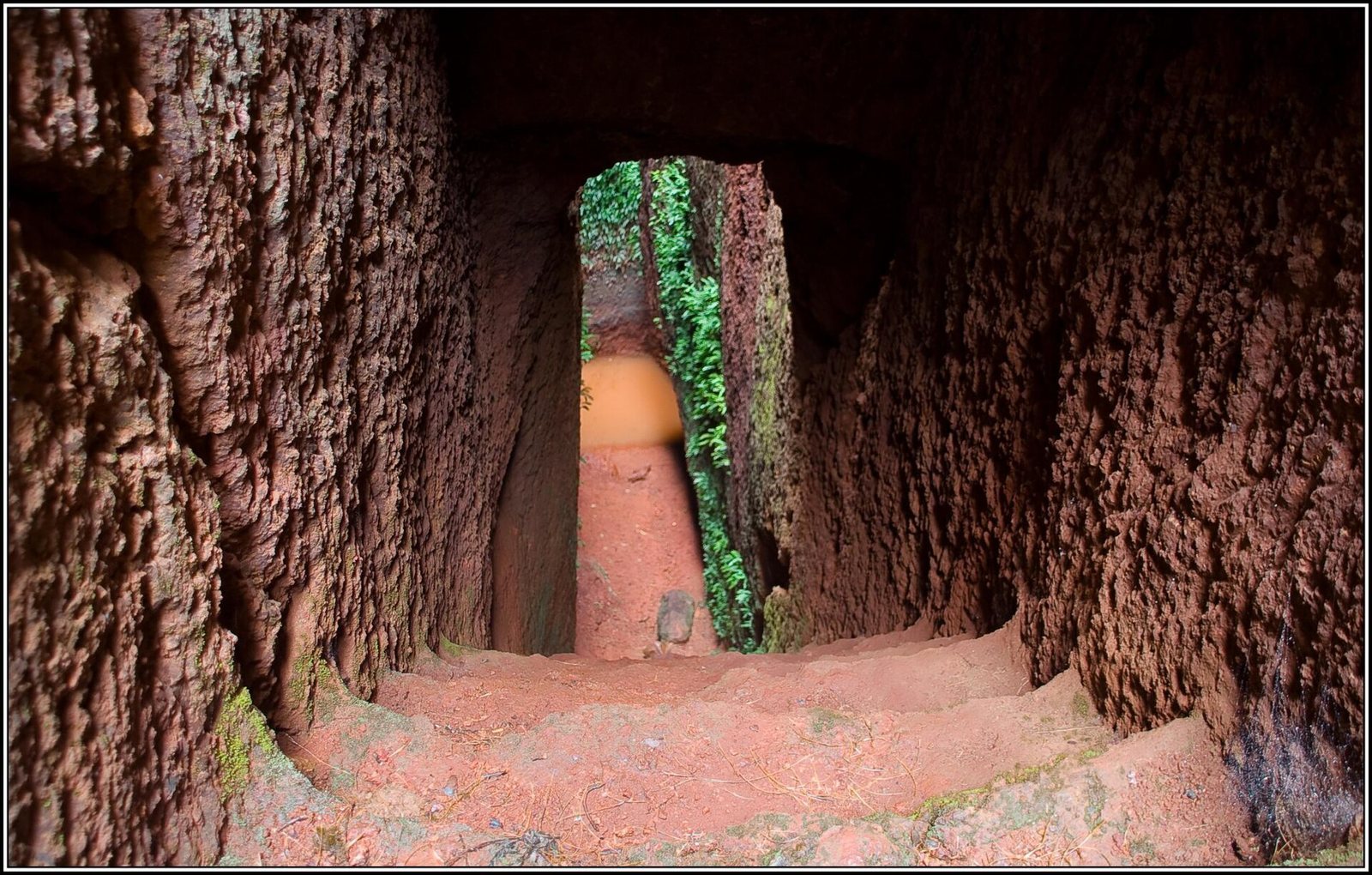
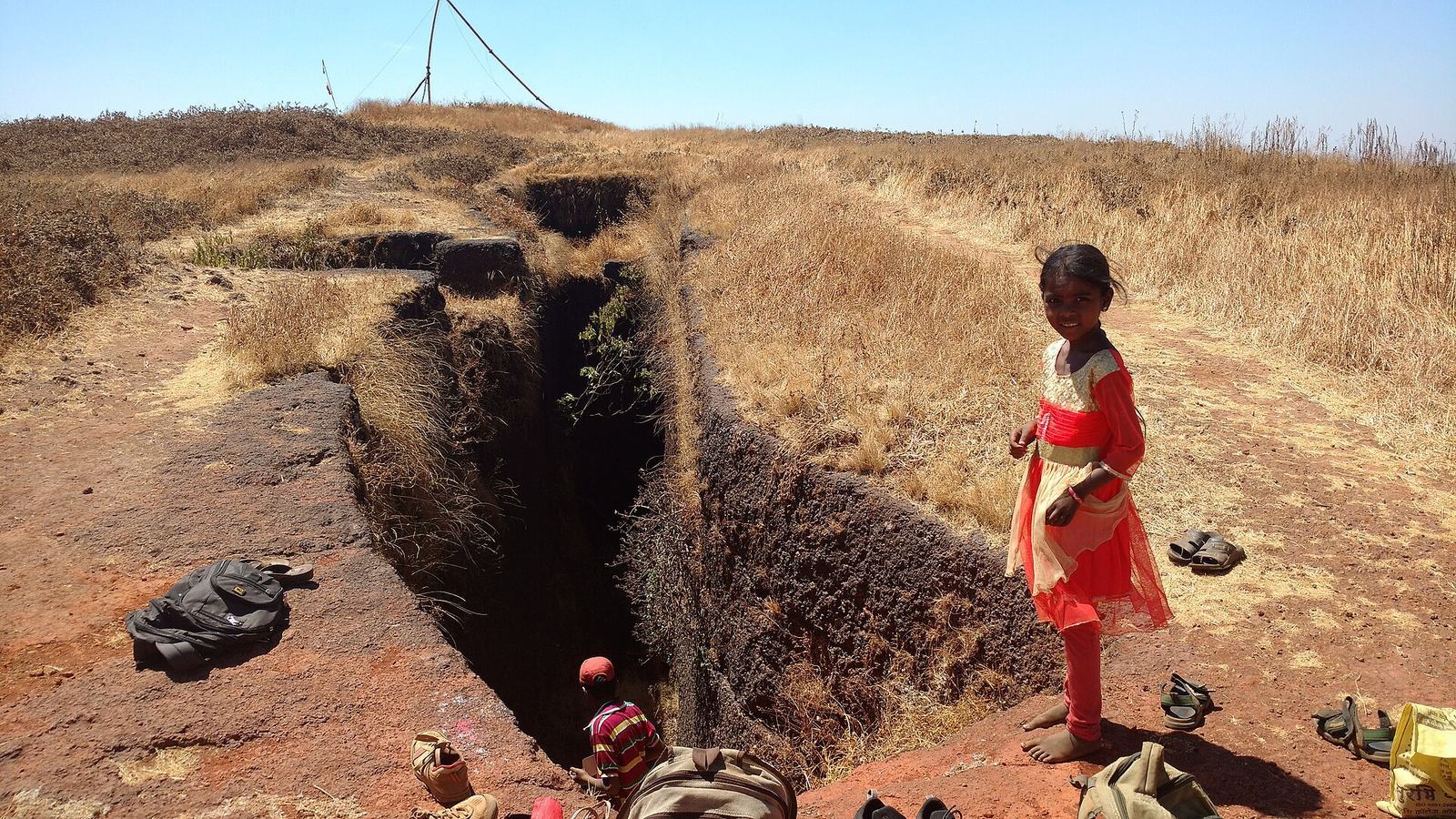
A shaft cut through the rock and into the soil below remains water-filled and is about 18 to 20 feet deep. It is interpreted as a well, although the opening may instead have been a quarry for the red stone found in the region. The natural-rock sides may once have held recesses where criminals were confined and forced to choose between starvation and drowning.
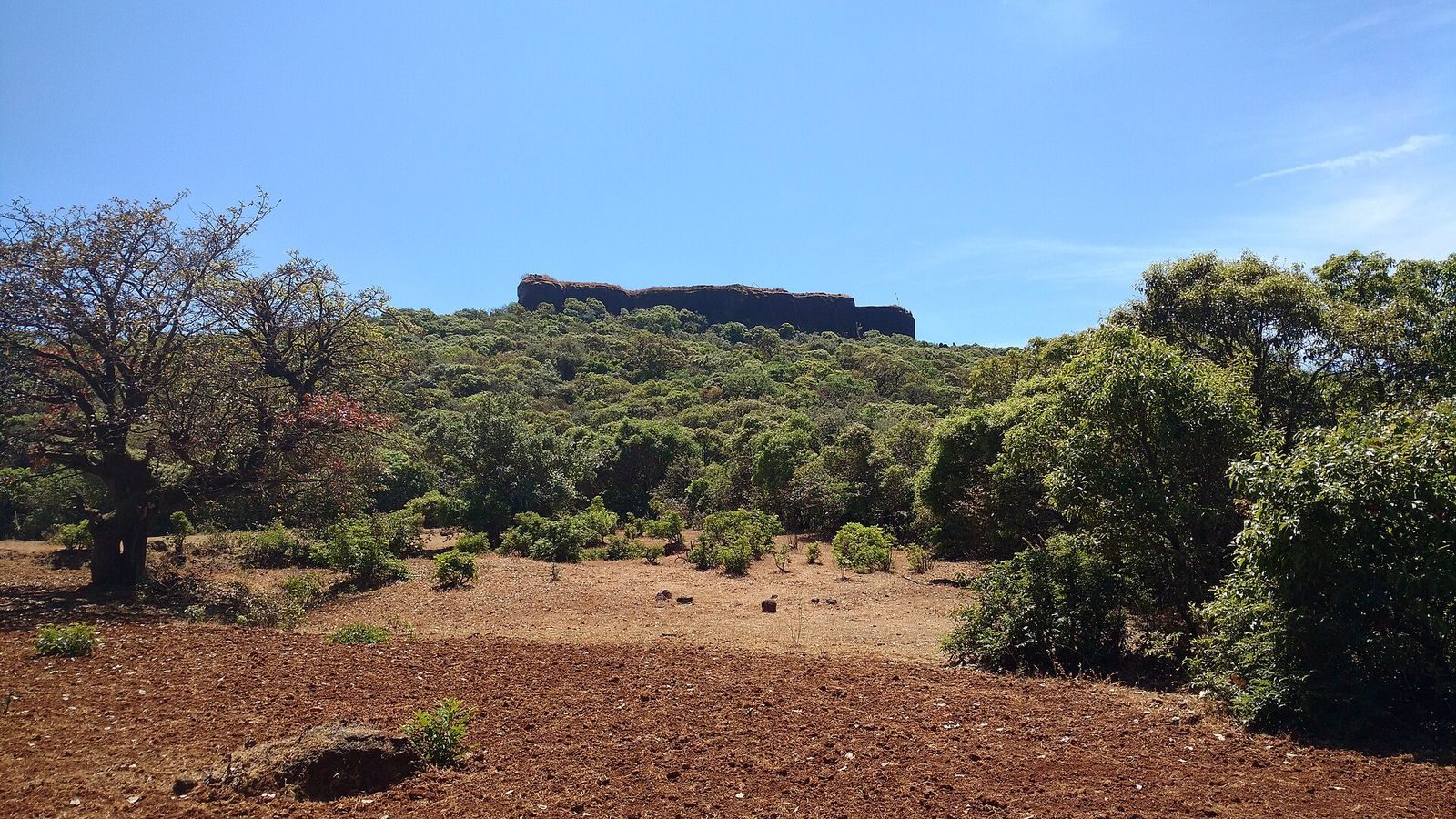
Kamal machi and balekilla
Kamal machi, an open terrace, has dense forest of Jambhul and Pisa trees. Above this wooded area rises the balekilla, the fort’s upper inner section, formed by a scarp about 30 to 40 feet high and accessible from the machi.