Štěkeň Castle: An Early Baroque Estate Residence in Czechia
Site at a Glance
- Popularity
- Medium
- Country
- Czechia
- Primary era
- Early Modern
- Eras represented
- Medieval, Early Modern
- Civilizations
- Habsburg, Habsburg Austria, Holy Roman Empire, Kingdom of Bohemia
- Site type
- Domestic
- Remains
- Castle
On this page9 sections
History
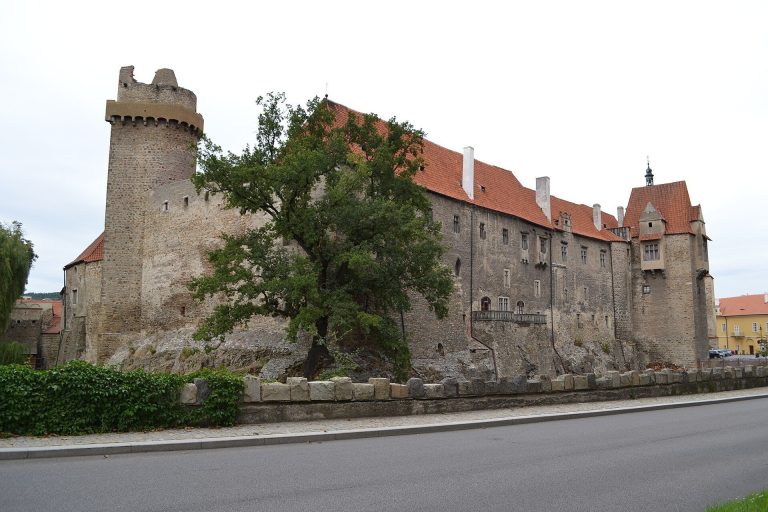
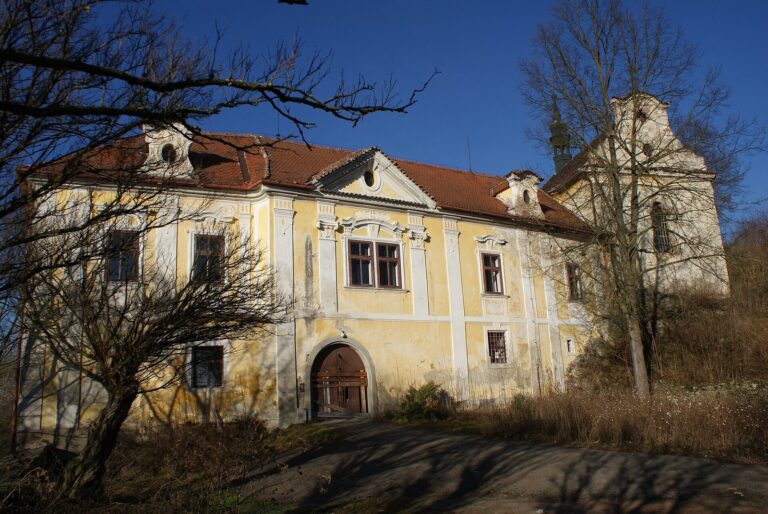
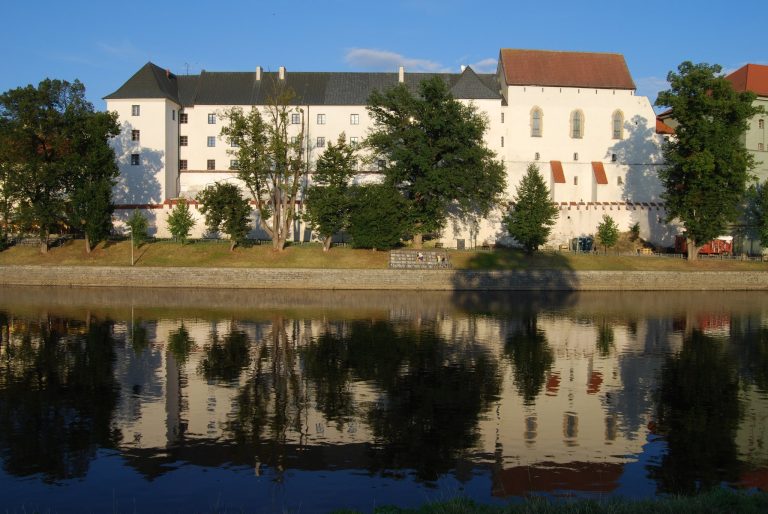
Štěkeň Castle is an early Baroque castle in Štěkeň, Czechia, converted from a fourteenth-century fortress by the Losy of Losinthal in 1664–1665. Baroque was a European artistic and architectural style associated especially with the seventeenth and eighteenth centuries. The castle served as an estate seat before later becoming a school and a religious house.
The Losy of Losinthal
Jan Antonín Losy of Losinthal, a Bohemian lutenist and composer whose reputation extended across Europe, was born at the castle. He arranged for a concert hall to be built there.
Windischgrätz ownership
After Adam Filip, the last count of Losy of Losinthal, died, Josef Mikuláš of Windischgrätz acquired the estate from his widow in 1781. In 1905, during imperial military maneuvers, Emperor Francis Joseph I of Austria, whose reign lasted from 1848 to 1916, stayed at Štěkeň for a week. The estate then belonged to Prince Alfred August Windischgrätz.
Land reform and school
After the First World War, Alfred August Windischgrätz’s large estate was subjected to land reform. Beginning on 1 August 1921, the State Land Office, the government agency responsible for administering land reform, carried out allotments across 1,700 hectares taken over from parts of the Štěkeň, Vlachovo Březí, Češtice, and Volyně estates. On 17 August 1922, the Office’s administrative committee approved the sizes of the retained portions, called residual estates, and the smaller allotments. Agricultural land was divided into plots, and forests were nationalized.
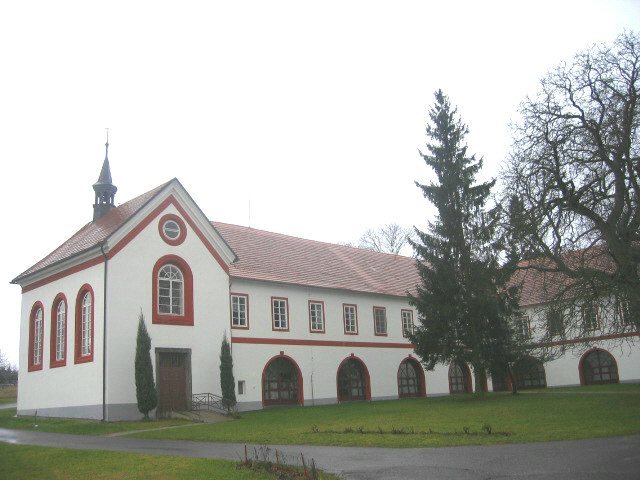
On 4 September 1922, the castle was sold to the Institute of English Virgins, a women’s religious congregation. The congregation established a girls’ school with a boarding school and a childcare center. Its lessons included French, English, and German, along with needlework, piano, violin, and singing.
Confiscation and return
The state confiscated the castle from the congregation in the late 1940s, and a retirement home operated there until 2001. After 1990, the deteriorated property was returned to Congregatio Jesu, a Catholic women’s religious congregation. Nine nuns returned, and the handover took place in 2001. Windischgrätz family furnishings that had remained in the building were gone by then, having been stolen, removed, or destroyed.
Remains
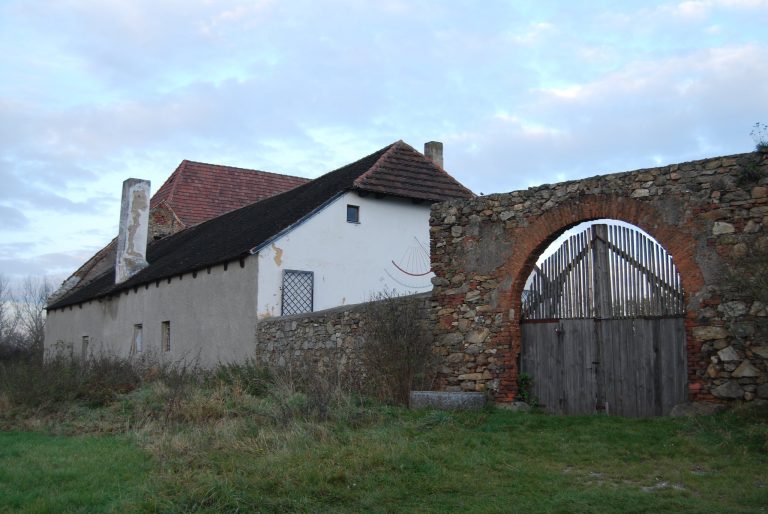
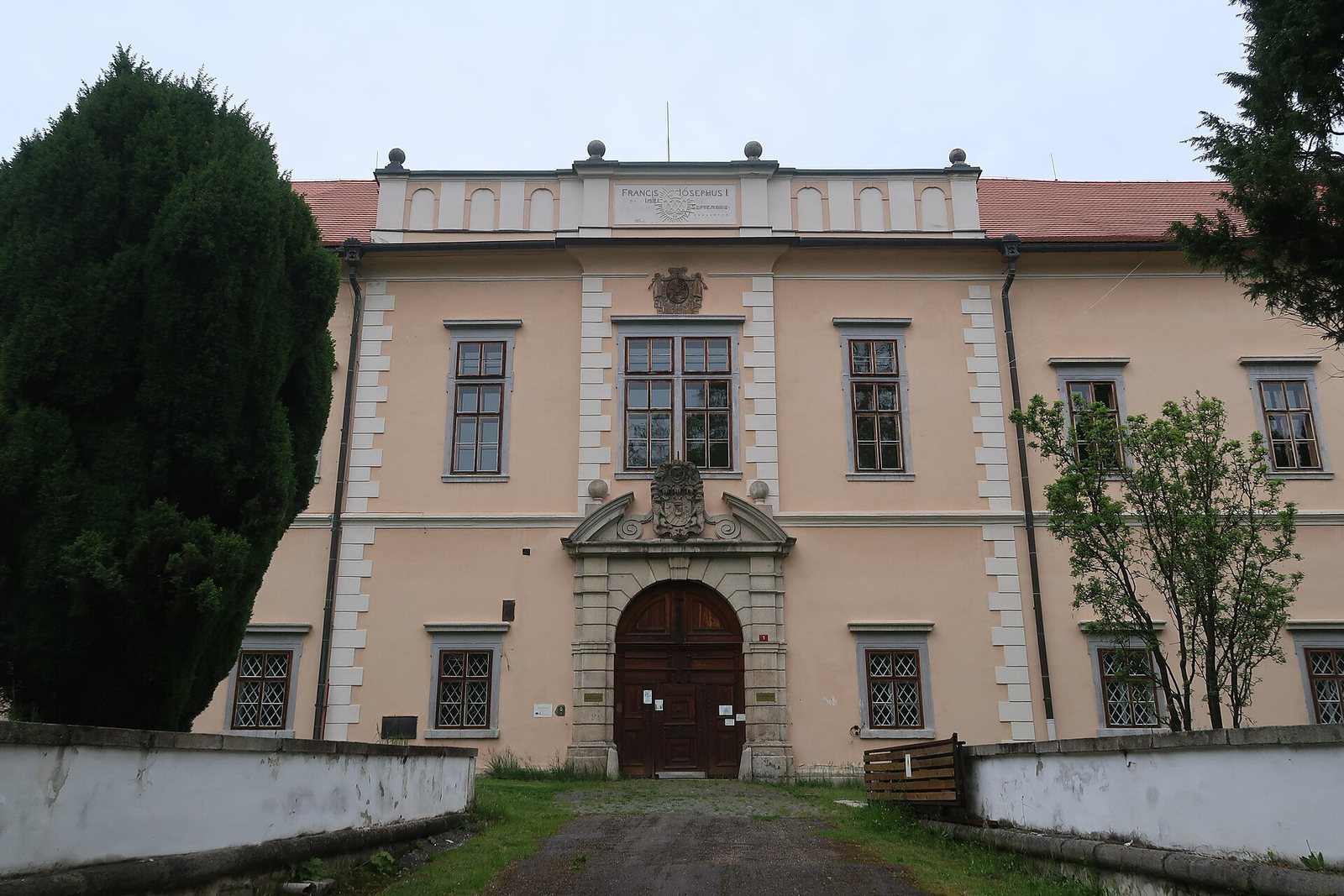
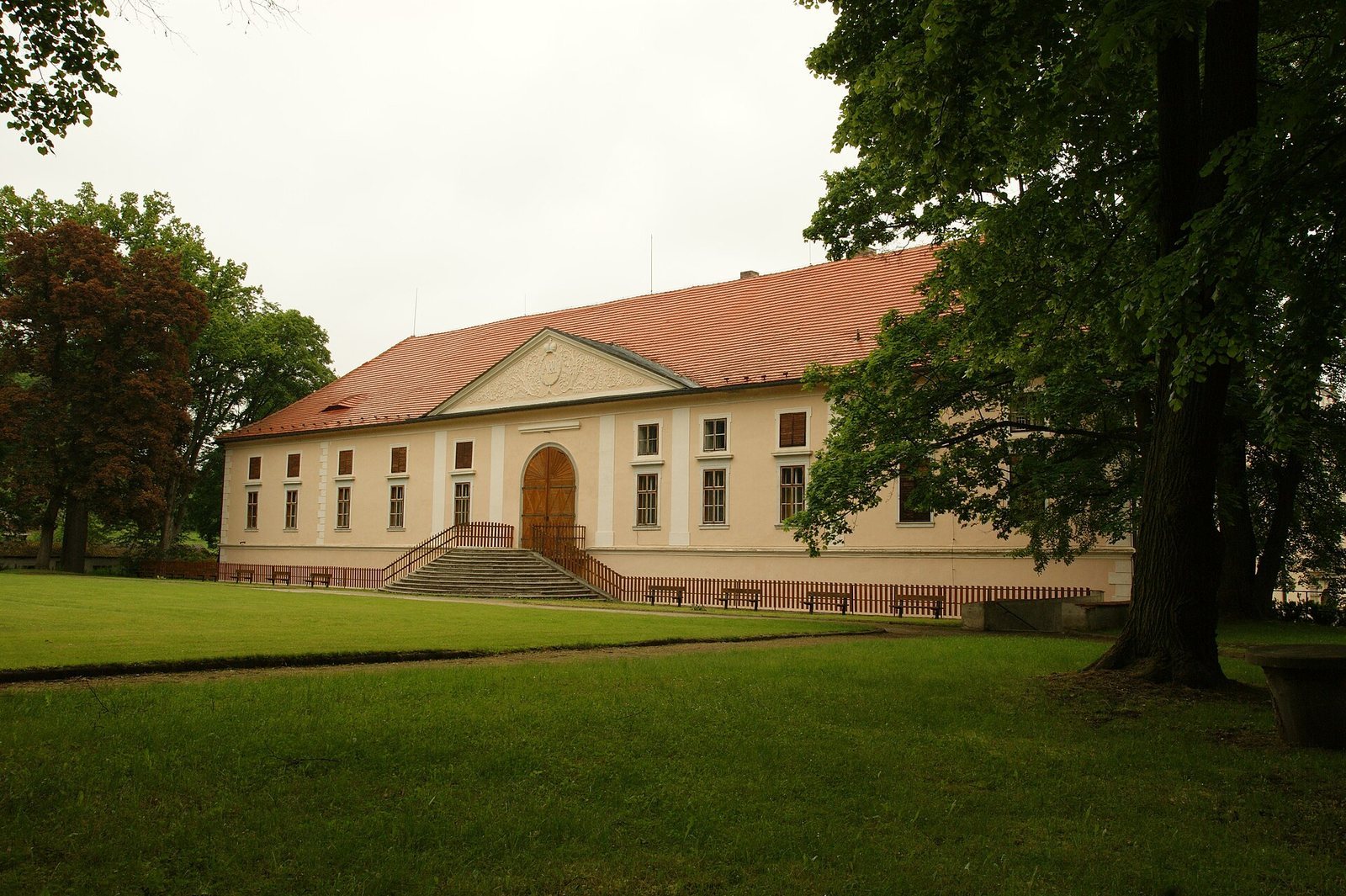
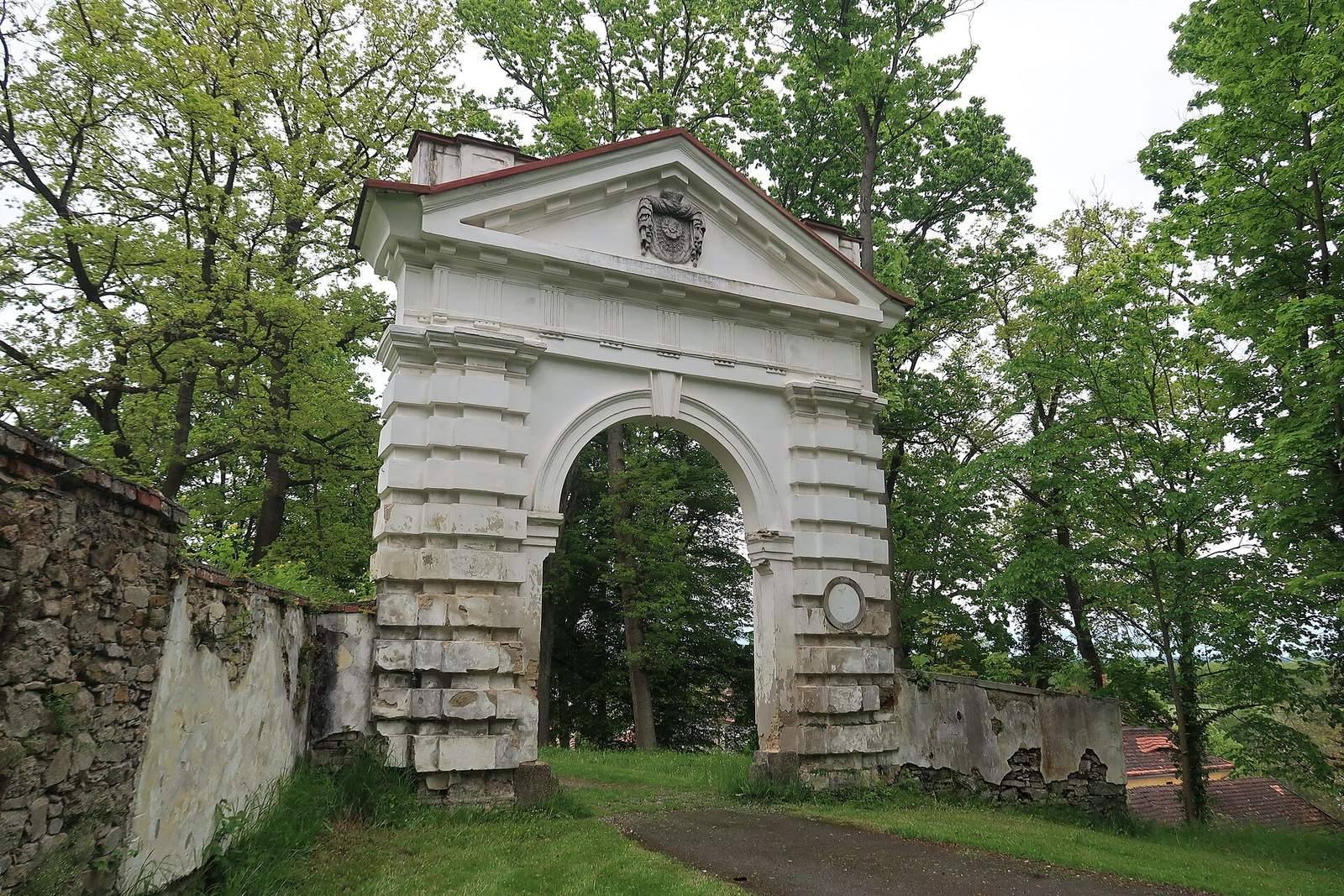
The early Baroque castle occupies the site of the medieval fortress. Its exterior includes the main entrance, the north façade, and the garden façade. A gate from U Zámku Street leads into the castle park. At the 2001 handover, the interior had been stripped to bare walls, and its floors were damaged and dirty.
Concert hall
The concert hall built for Jan Antonín Losy bears his name. A painting inside creates an illusion of space.
Karel Klostermann’s room
The castle includes a room kept in memory of the Czech writer Karel Klostermann, who was associated with the Bohemian Forest. He lived at Štěkeň as a child while his father served as doctor to the Windischgrätz family, returned for summer stays, and spent several of his final years there. He died in the room now preserved in his memory.
Park and coats of arms
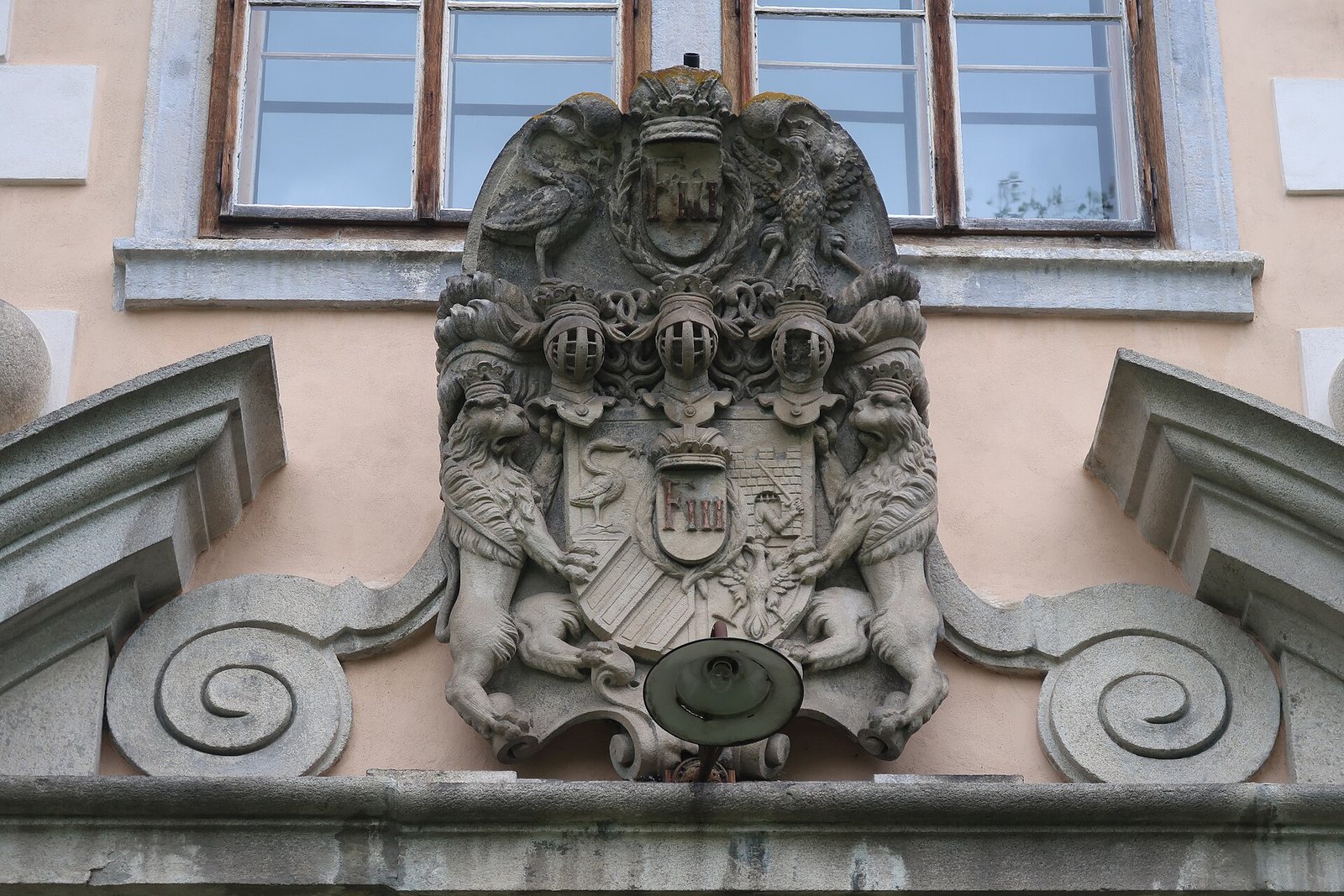
The English-style park contains creeping oaks described as 300 years old. The Windischgrätz coat of arms appears on the park gate, the Losy arms are above the castle’s main entrance, and the Hodějovský arms are set into the park’s enclosure wall.