Ersele Underground City: An Eastern Roman-Period Settlement in Turkey
Site at a Glance
- Popularity
- Medium
- Country
- Turkey
- Primary era
- Classical
- Eras represented
- Classical
- Civilizations
- Byzantine, Roman
- Site type
- Settlement
On this page8 sections
History
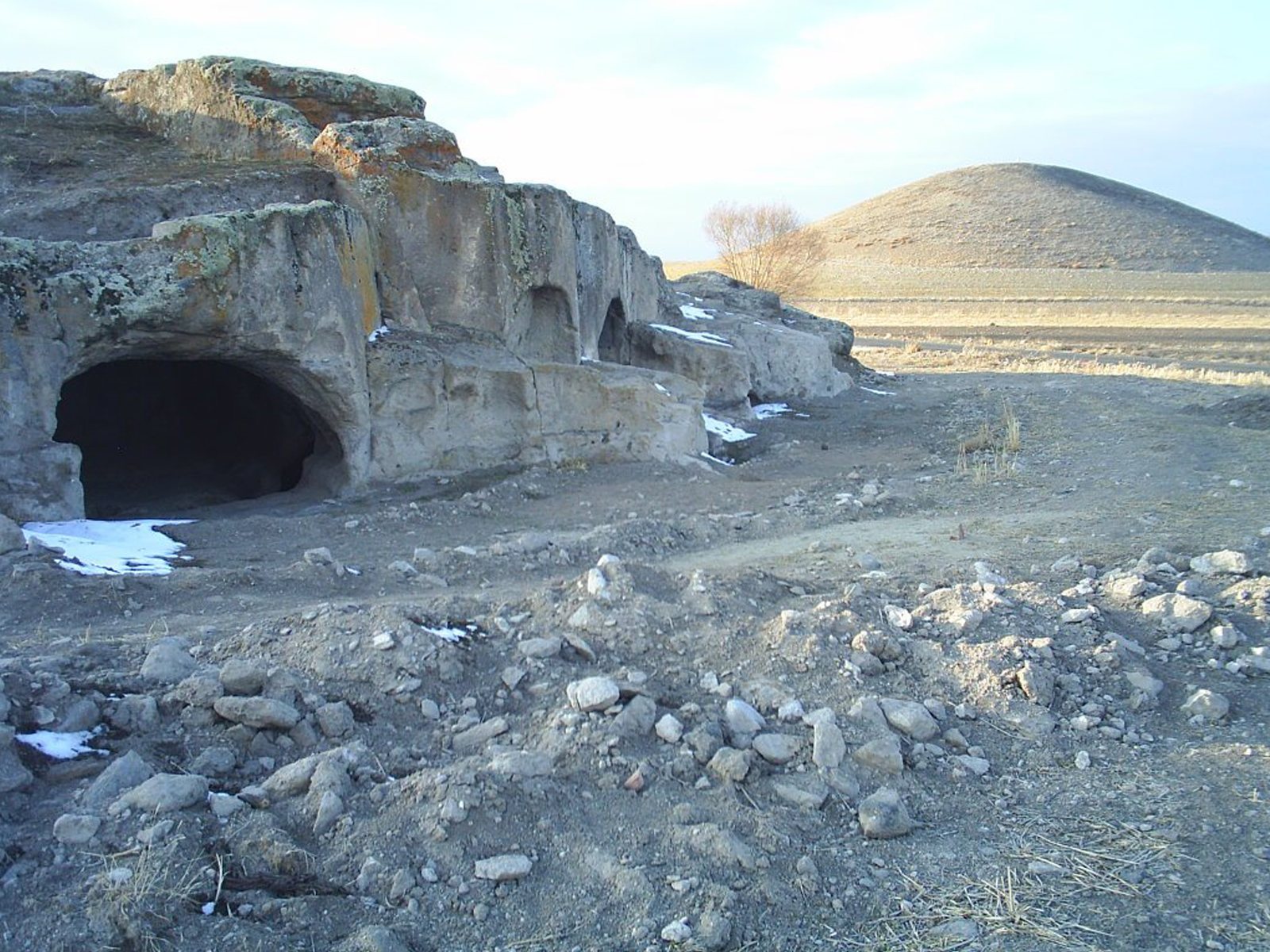
Ersele Underground City is an underground settlement in Ozancık village, Ortaköy district, Aksaray Province, Turkey. It dates to the Eastern Roman period, the eastern continuation of the Roman Empire commonly known as the Byzantine Empire. Tradition connects its construction with restrictions on Christianity. It describes a regional prohibition followed by a stricter ban under Diocletian, a Roman emperor who ruled from AD 284 to 305, and links underground settlements with the ability to worship more freely. The city appears to have remained in use until about two centuries ago.
Excavations took place in 1997, 2004, and 2006. Cleaning work also brought archaeological objects to light.
Remains
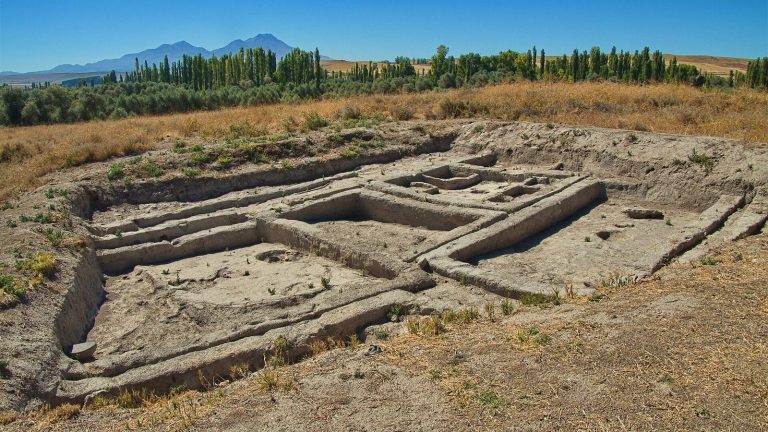
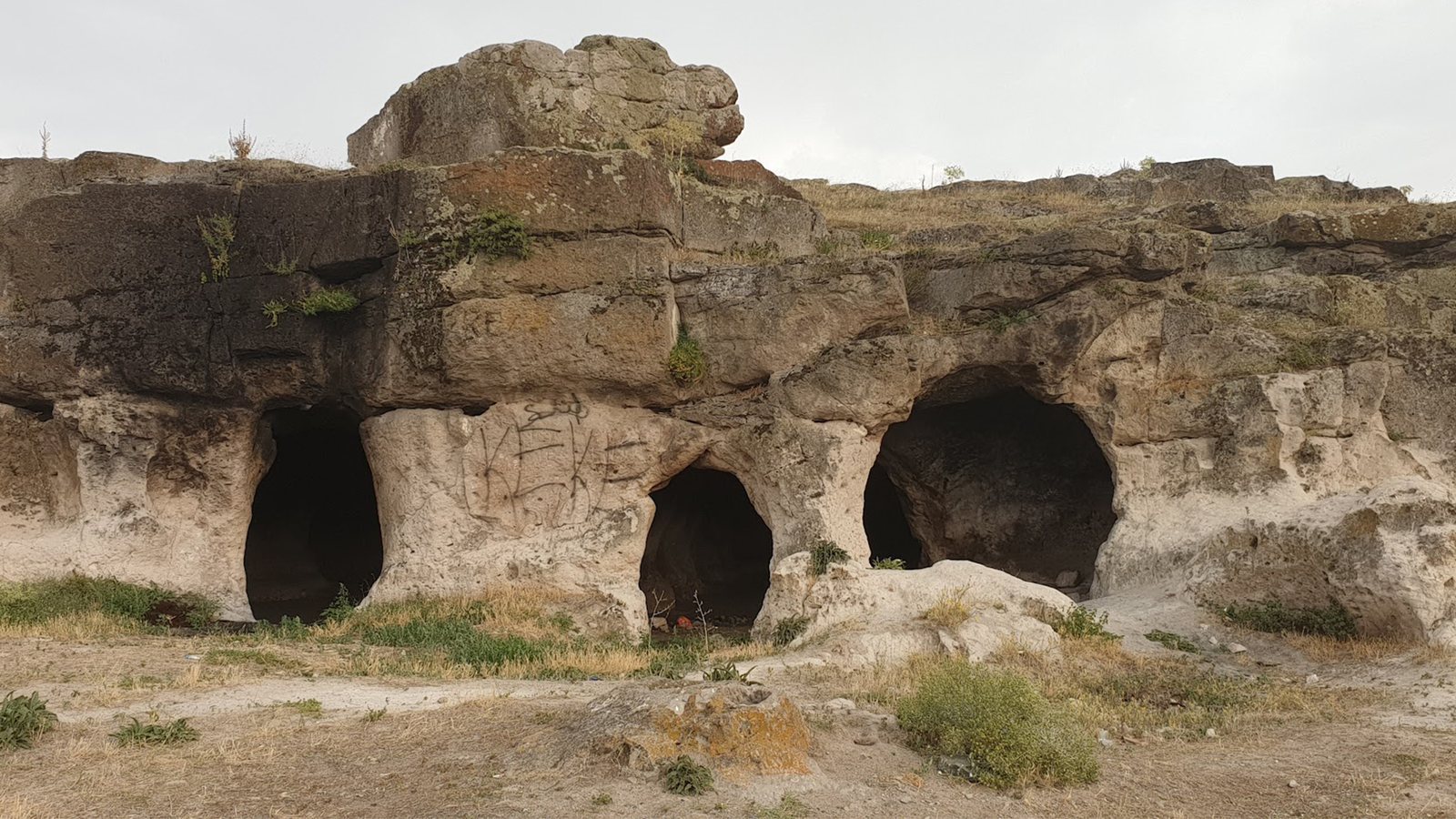
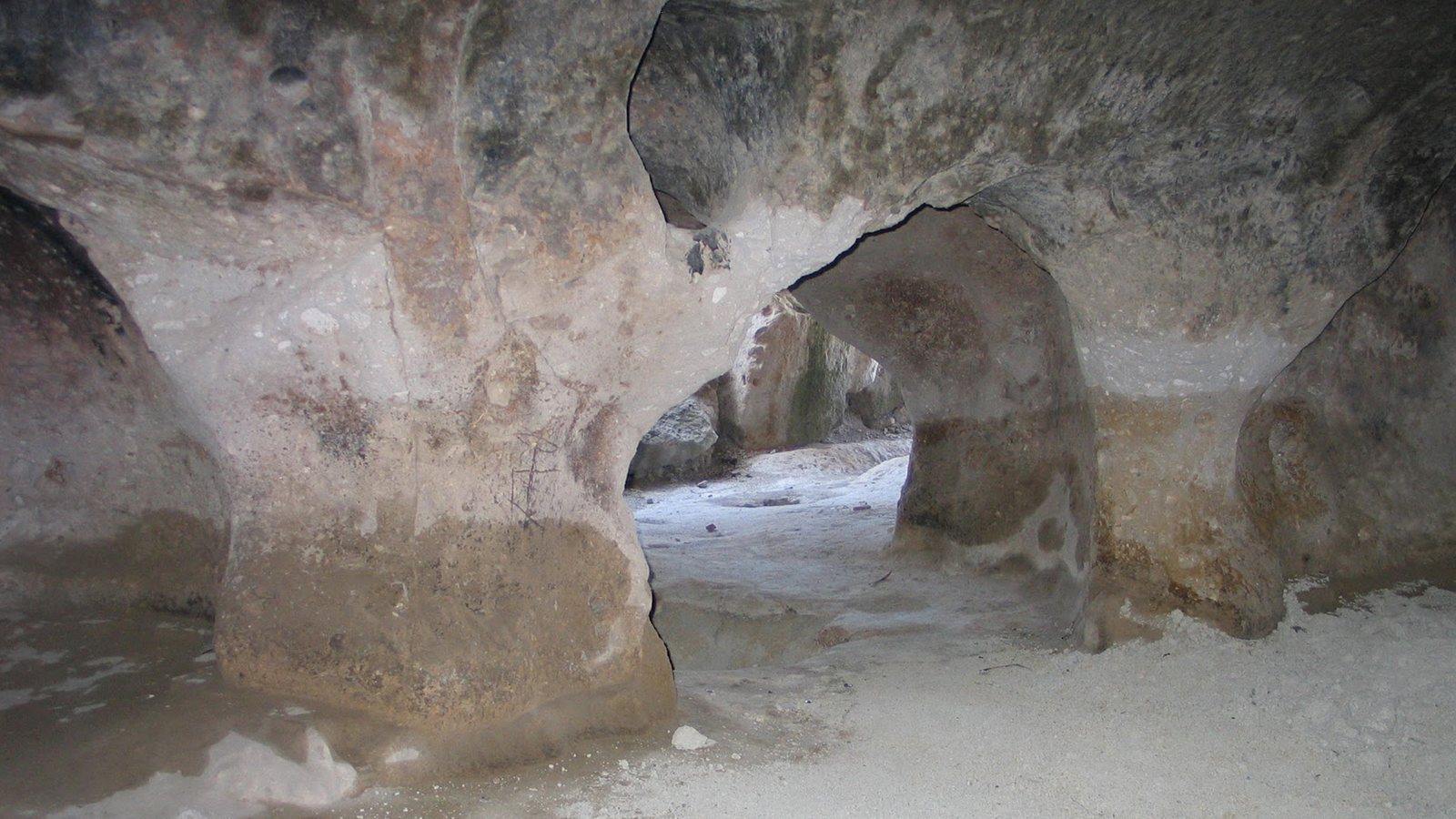
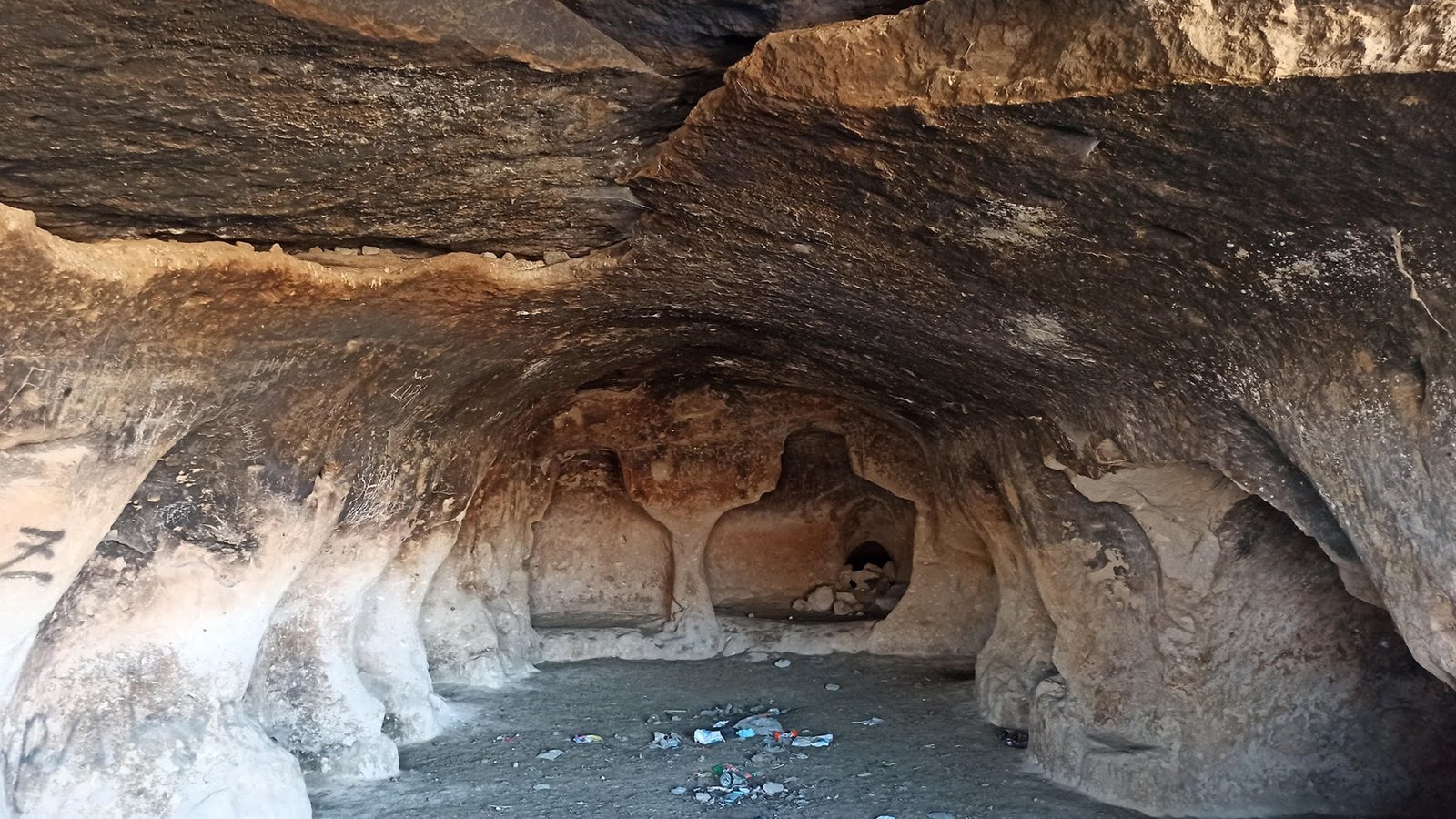
The underground complex forms part of Ersele Mound and covers about 2.5 square kilometres. It lies on pastureland at an elevation of roughly 1,115 metres. Its rooms were cut into volcanic tuff, a rock formed from compacted volcanic ash. Seven entrances are known.
Rooms and infrastructure
Storage and production rooms
Storage rooms include a large storehouse for food and drink, exposed during excavation, with 22 storage pits. Other rooms were used to make cheese and wine.
Water, baths, and hearths
Water channels form part of the complex, while inhabitants relied mainly on underground water sources rather than wells. The remains also include baths and hearths of different types.
Tombs and carved features
Rock-cut tombs
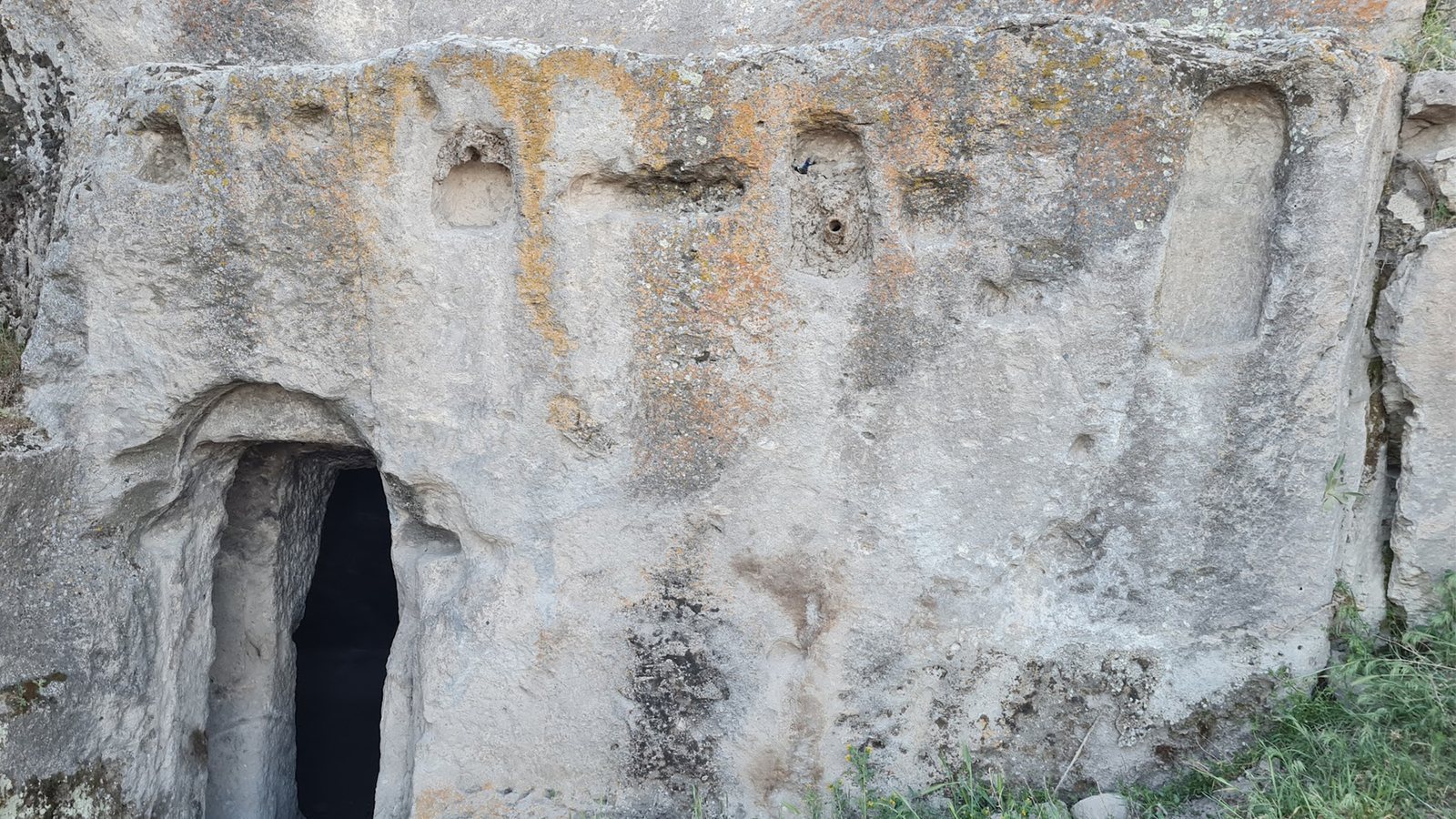
The complex contains rock-cut tombs and tomb reliefs. Many parts of the underground city are damaged, and treasure hunting has particularly affected the tombs.
Keystone
A keystone, the central wedge-shaped stone at the crown of an arch, is also among the features of the complex.