Church of St Mary the Great: Cambridge’s University Church
Site at a Glance
- Popularity
- High
- Country
- United Kingdom
- Primary era
- Early Modern
- Eras represented
- Medieval, Early Modern, Modern
- Civilizations
- Anglo-Saxon, British, English
- Site type
- Religious
- Remains
- Church
On this page12 sections
History
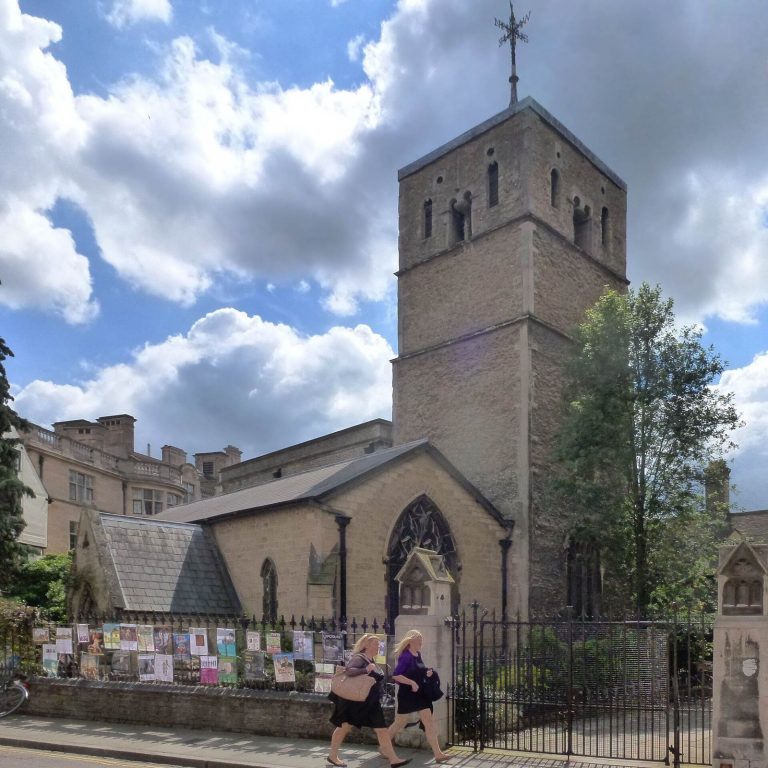
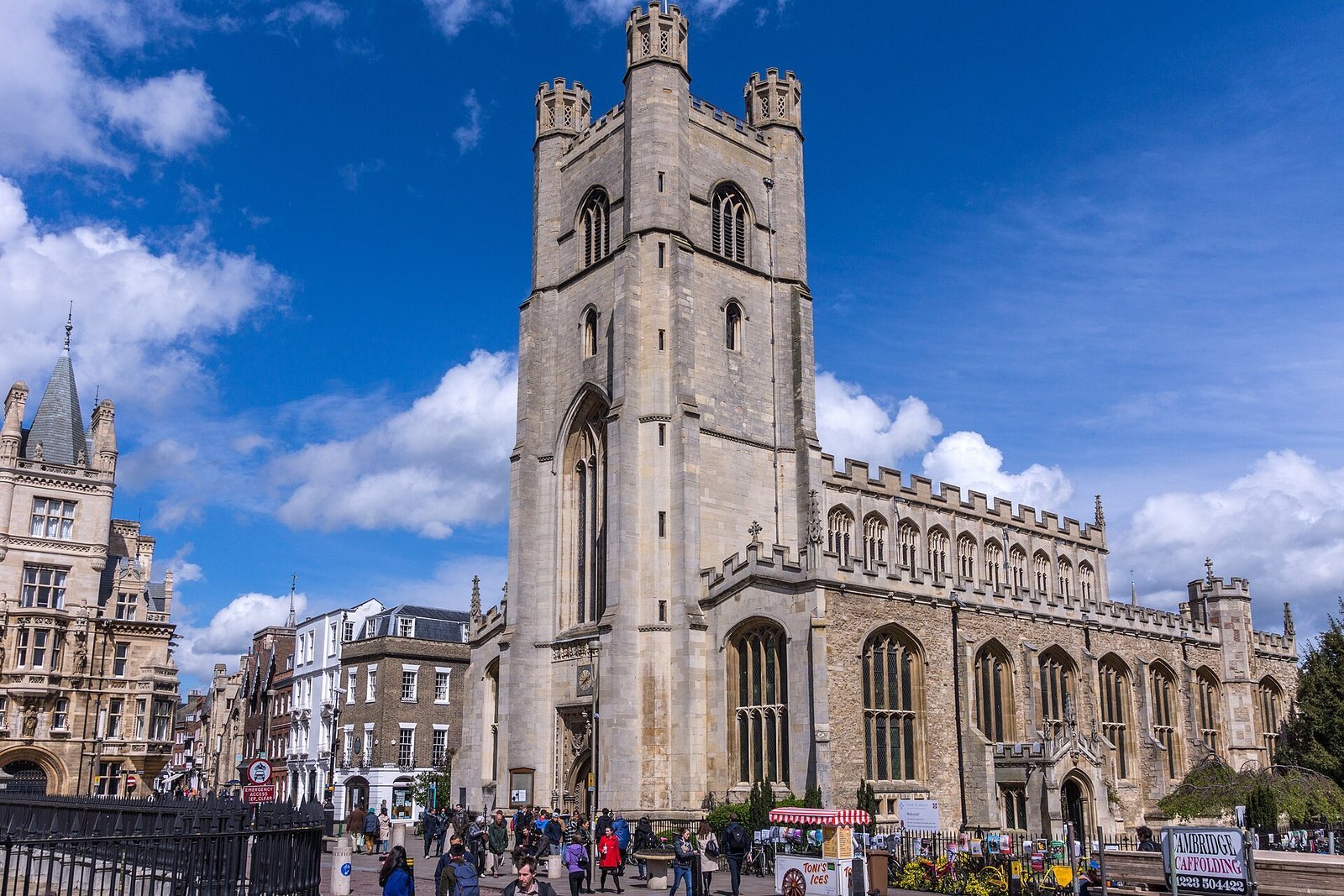
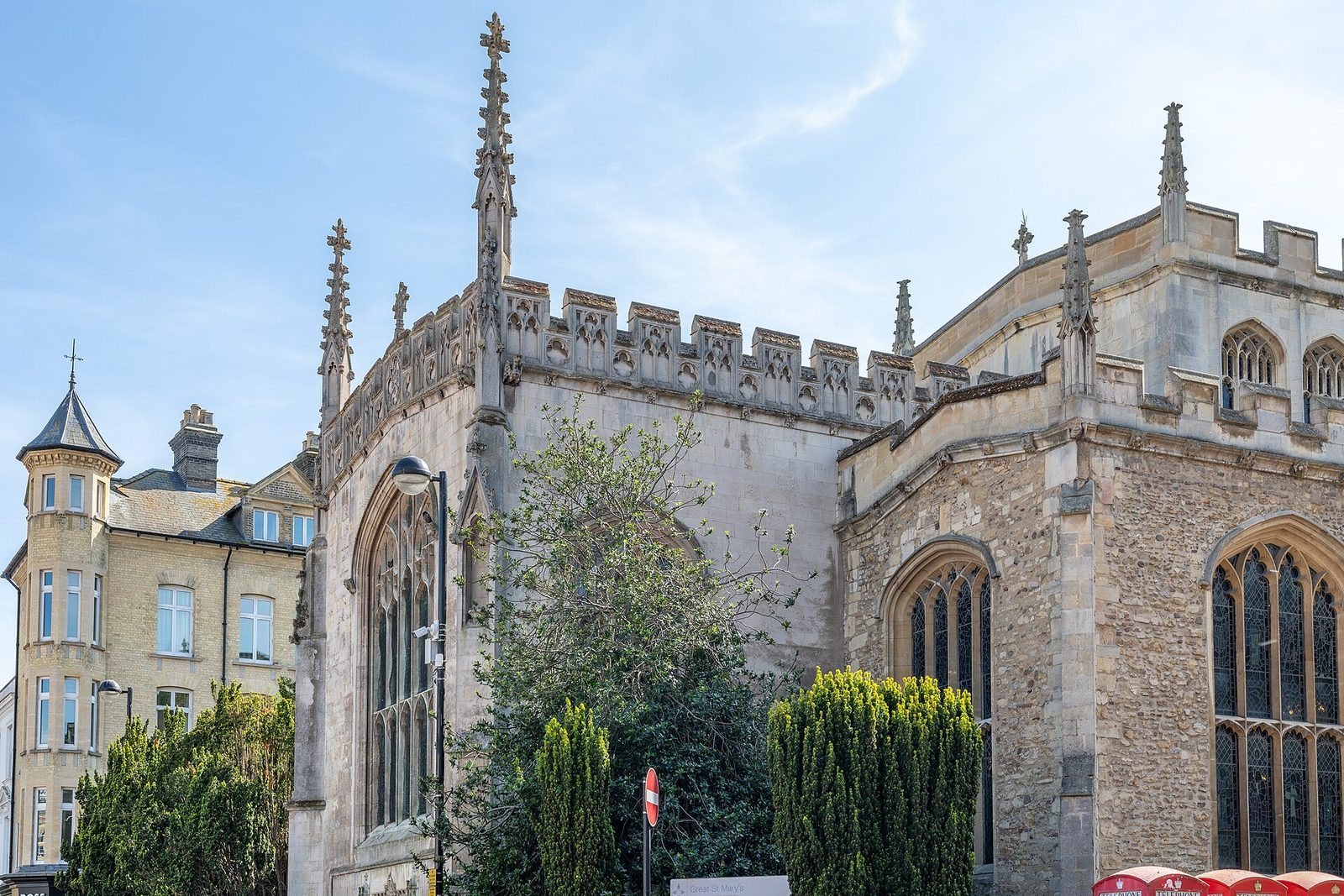
The Church of St Mary the Great, in Cambridge, United Kingdom, is the University of Cambridge’s university church and a Church of England parish church. Its present building is in the Late Perpendicular Gothic style, the final phase of English Gothic architecture, known for its strong vertical lines. Built between 1478 and 1519, it replaced an earlier church whose foundations may date to 1010.
Early church and medieval changes
The church’s first recorded mention is from 1205, when King John presented the cleric Thomas de Chimeleye to its rectory. On 9 July 1290, fire largely destroyed the building. Blame was directed at Cambridge’s Jewish community, and the city’s synagogue was closed afterward.
Before 1352, the church was called the Church of St Mary the Virgin; it has used its present name since then. The Crown initially held the right to appoint its incumbent. That patronage passed to King’s Hall, a University of Cambridge college, on 15 July 1342, and later to Trinity College after Henry VIII incorporated King’s Hall into it. Orders to consecrate the new church were issued on 17 May 1346, but the ceremony did not take place until 15 March 1351.
University life and rebuilding
During the Peasants’ Revolt of 1381, an uprising that included attacks on university property, townspeople entered the church and destroyed university bulls, charters, and title deeds. In the Middle Ages, the church also served as an official venue for university meetings and debates. This role ended in 1730, when the University Senate House was built across the street.
The present church was built between 1478 and 1519, with much of the cost met by Richard III and Henry VII, successive kings of England. Its tower was completed in 1608. Galleries were added in 1735 to accommodate large congregations at special services, particularly University Sermons.
Reformation and later history
Leading figures of the English Reformation, the sixteenth-century transformation of religious life and church government in England, preached at the church. Erasmus, a humanist and theologian associated with its intellectual currents, was among them. Martin Bucer, a Protestant reformer, was buried at the church. His influence on Thomas Cranmer, an English Reformation leader, contributed to Cranmer’s writing of the Book of Common Prayer, an Anglican book of worship. During Mary I’s reign, Bucer’s body was burned in the marketplace. In the reign of Elizabeth I, dust from the burning place was returned to the church.
Restoration campaigns took place in 1766 and 1850–51, followed by further work in 1857. The south porch was rebuilt in 1888, and restoration continued during the twentieth century. The church is now in the Diocese of Ely, and its parish is St Mary the Great with St Michael, Cambridge. It follows the Liberal Catholic tradition within the Church of England and is a member of Inclusive Church and the Greater Churches group, which includes large parish churches with wider functions. Historic England lists it at Grade I, the highest category of listed-building protection in England.
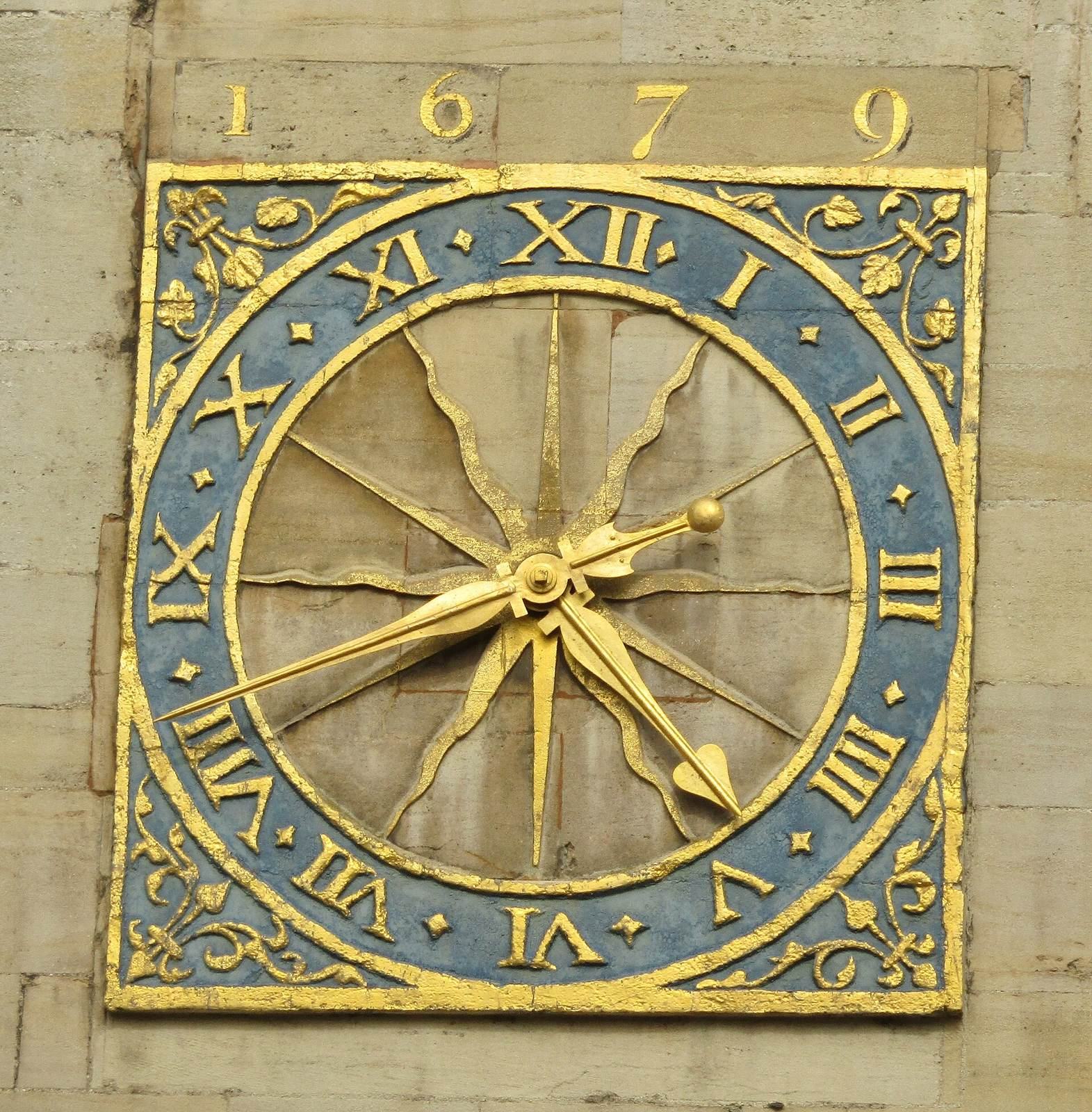
Locally, the church is called Great St Mary’s, or GSM, to distinguish it from Little St Mary’s. University rules require university officers to live within 20 miles and undergraduates within three miles of the church. Attendance at University Sermons is compulsory on special occasions. The church’s university clock sounds the Cambridge Quarters, a sequence later adopted for the clock tower of the Houses of Parliament.
Remains
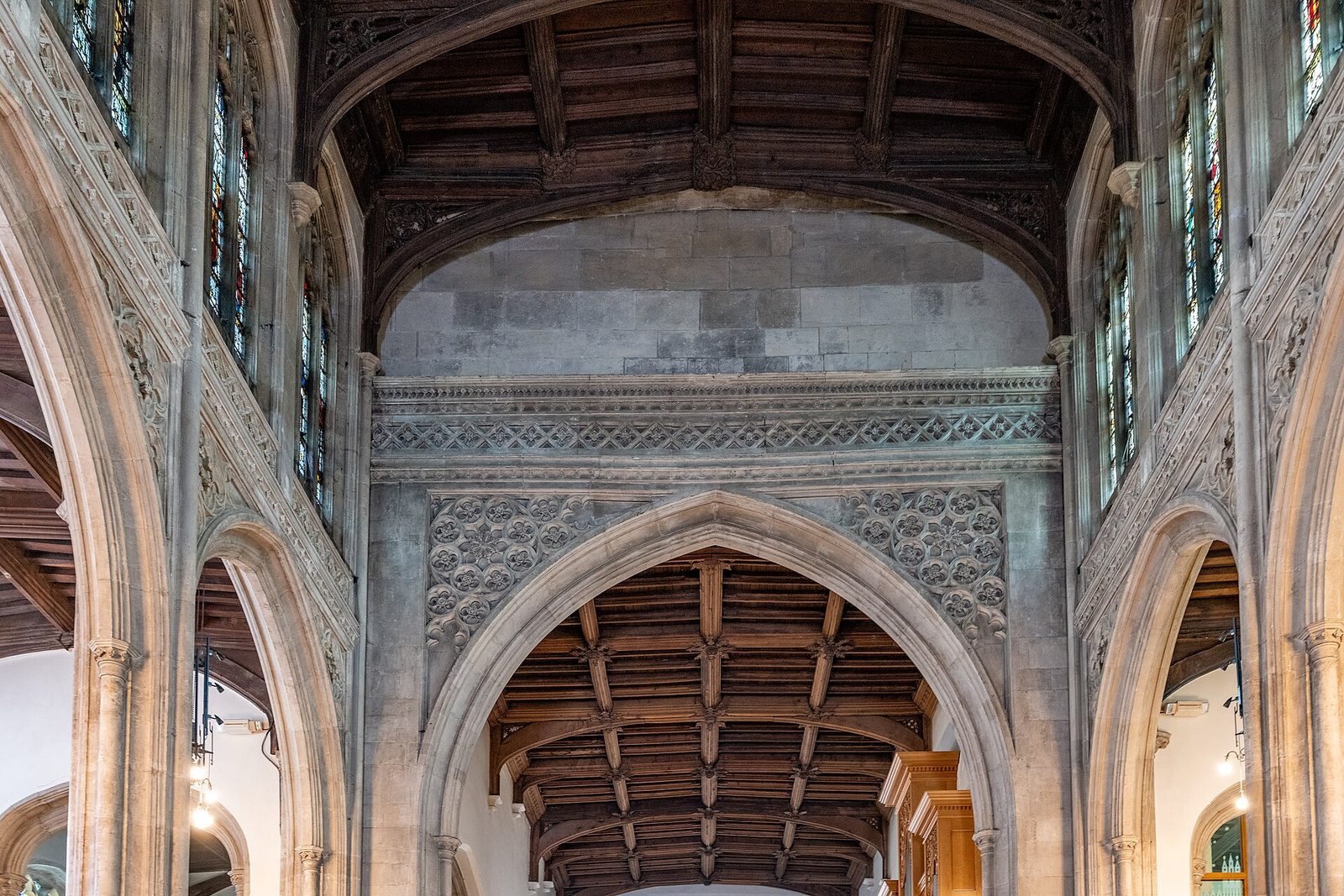
The church is a Late Perpendicular Gothic building with a tower about 35 metres high. Its interior includes the chancel around the altar, a west gallery, and a south chancel. These areas contain furnishings and instruments associated with the church’s religious and university roles.
Building and interior
Architecture and furnishings
Hardman stained glass was installed between 1867 and 1869. The church also has one of England’s few movable pulpits and a baptismal font dating to 1632. Behind the high altar stands Christ in Majesty, an image of Christ as ruler in glory, completed by Alan Durst in 1960.
Bucer’s memorial
A brass floor plate in the south chancel marks the place beneath which lies the dust returned to the church after Bucer’s body was burned.
Bells and organs
Bells
The bells were first hung in a wooden structure in the churchyard. The present complement numbers 22, including a 13-bell ring for change ringing, the practice of sounding bells in changing sequences. Installed in 2009, the ring was cast by Taylors Eayre and Smith Ltd. It is tuned in D; its flat sixth bell allows a lighter ring of eight bells in G. The heaviest bell, called the tenor, weighs about 1,232 kilograms, or approximately 24 hundredweight. Some of the earlier bells remain in use for the Cambridge Quarters.
University Organ
The University Organ stands in the west gallery and is owned and maintained by the university for its services. Bernard Smith built it after its purchase in 1698. Enlargements followed in the eighteenth and nineteenth centuries, and William Hill substantially rebuilt it in 1870. Hill, Norman and Beard worked on it in 1963; Mander Organs carried out an extensive restoration in 1995, and the instrument was rededicated on 30 January 1996. Its pipework, the pipes and related parts that produce its sound, includes what is probably the largest collection of Father Smith’s work in a single instrument.
Parish Organ
The Parish Organ is in the chancel and serves the regular congregation. Kenneth Jones and Associates built it in 1991–92 to replace an instrument made in 1869 by Miller of Cambridge, who had once been the church’s organist.