Pydna: An Ancient Macedonian City and Byzantine Fortress in Greece
Site at a Glance
- Popularity
- High
- Country
- Greece
- Primary era
- Medieval
- Eras represented
- Bronze Age, Iron Age, Classical, Medieval, Early Modern
- Civilizations
- Ancient Greek, Byzantine, Crusader, Mycenaean, Ottoman, Roman
- Site type
- Settlement
- Remains
- City
On this page22 sections
History
Pydna was an ancient city on the Aegean coast of Greece, established before the Classical period and later known as Kitros. Its harbor and position on a route toward southern Greece made it an important center in Pieria. The Battle of Pydna in 168 BC ended the Antigonid dynasty, the Macedonian royal house that ruled before Rome’s victory.
Early city and Macedonian rule
The city’s foundation date is unknown. Kydna is its earliest recorded name; it later became Kitros, or Citrus in Latinized form, and was known as Kitros by the sixth or seventh century AD. The name’s origin is uncertain. Bishop Parthenios connected it with citrus fruit, while another explanation, considered more likely, relates it to a Roman commander in the region.
Pydna was under the rule of Macedonian king Alexander I and rose to prominence during the Peloponnesian War, the prolonged fifth-century BC conflict between Athens, Sparta, and their allies. The historian Thucydides provides its first recorded mention. Athens failed to take the city in a siege in 432 BC. After Pydna broke from Macedonian control, king Archelaus I besieged it in 410 BC, attacking by land while an allied Athenian fleet operated at sea. Once he captured the city, Archelaus relocated its inhabitants about 20 stadia, an ancient measure of distance, inland to the area of present-day Kitros. They returned to the coastal settlement after his death.
Athenians led by the general Timotheus seized Pydna in 364–363 BC. Philip II of Macedon retook it in 357 BC, and it remained under Macedonian rule until Rome incorporated the region. The city began issuing its own coins in the late sixth century BC. In 317 BC, Olympias, Philip II’s wife and Alexander the Great’s mother, took refuge at Pydna after plotting against Philip III and his wife. Cassander besieged and captured the city, then had Olympias killed in the spring of 316 BC.
Roman rule and late antiquity
On 22 June 168 BC, Roman commander Aemilius Paullus defeated Perseus, the last king of Macedon, at Pydna. The victory brought Antigonid rule to an end, and Pydna subsequently became a Roman colony. As a port and trading center, it benefited from its position on a route toward southern Greece. Its limited natural defenses also left it vulnerable to incursions from the northern Balkans.
Pydna remained an important settlement in the Roman and Byzantine periods and became one of Pieria’s four fortified urban centers, along with Platamonas, Petra, and Kolindros. The Visigoths under Alaric I sacked the city in 396 AD, and the Huns under Attila devastated it in 447. Later incursions in the region involved Ostrogoths, Avars, Slavs, Saracens, Bulgarians, and Normans.
Christian and Byzantine Kitros
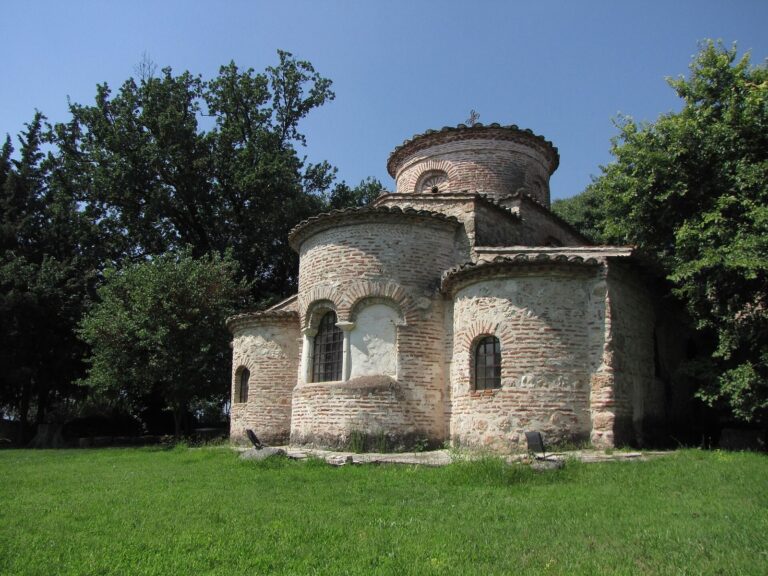
Christianization began in the fourth century, when the first church was built; a second followed in the early sixth century. Both were dedicated to Saint Alexander, venerated as the city’s patron. The later church was burned during a Bulgarian attack associated with Simeon I’s capture of Kitros between 913 and 924. A much larger church was subsequently raised on the same site in the late tenth century.
A bishopric, a diocese led by a bishop, was established at Kitros in the sixth or seventh century. It initially fell under Rome’s ecclesiastical authority, then transferred to the Patriarchate of Constantinople during the Iconoclast period, a time of disputes over religious images in the Byzantine Empire. By the tenth century, Kitros belonged to the theme of Thessaloniki, a Byzantine administrative and military province, and its bishop answered to the metropolitan, or senior regional bishop, of Thessaloniki. A bishop of Kitros attended the Council of Constantinople in 879, and the diocese also appears in a church register from the reign of Emperor Leo VI.
Emperor Basil II captured Kitros and established the Katepanate of Kitros, a Byzantine administrative district governed by an official with provincial authority. In the eleventh and twelfth centuries, the city served as the seat of a district associated with that office.
Frankish rule and the move inland
Following a siege in 1204, Franks took Kitros, converted the bishop’s church into a castle, and built a tower for their commander. They also repaired the fortress and reinforced its Byzantine walls. The church may have been destroyed in an earlier attack, but the timing of its destruction is uncertain. After the Fourth Crusade, the campaign that culminated in the Crusaders’ capture of Constantinople in 1204, Kitros came under Geoffrey de Villehardouin, marshal of the Kingdom of Thessalonica. He granted it as a fief to the Lombard knight Wirich von Daun.
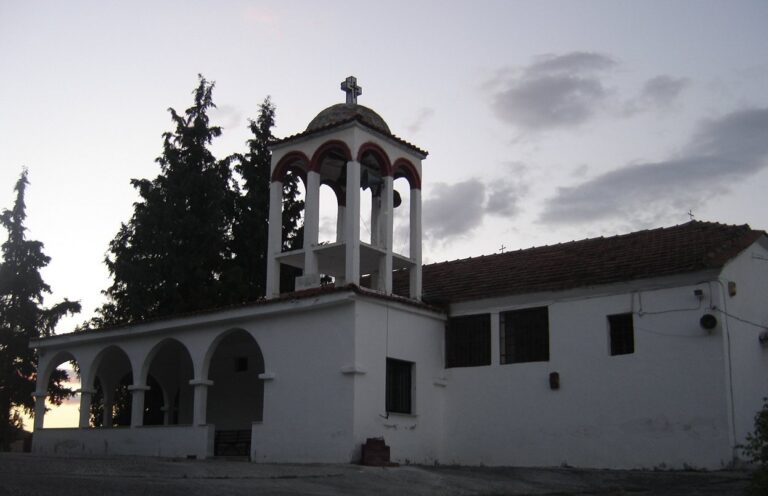
A Catholic church and Latin bishopric were established and continued until the Ottoman conquest in the early fifteenth century, although Orthodox bishops periodically returned. In 1222, after Theodore Komnenos of Epirus destroyed the Kingdom of Thessalonica, Kitros passed under the Despotate of Epirus, a medieval state in western Greece.
The Catalan Company’s mercenaries sacked Kitros in 1309. The settlement was also caught up in fighting between rival factions and their Turkish allies during the Byzantine civil war at the end of the fourteenth century. During that century, inhabitants left the old city for the inland site of present-day Kitros. Under Ottoman rule, building materials from the abandoned settlement were reused in newer construction.
Archaeological investigation
Excavations by the Ephorate of Byzantine Antiquities in Thessaloniki between 1983 and 1992 exposed parts of the fortress and associated buildings, adding physical evidence to the city’s long history.
Remains
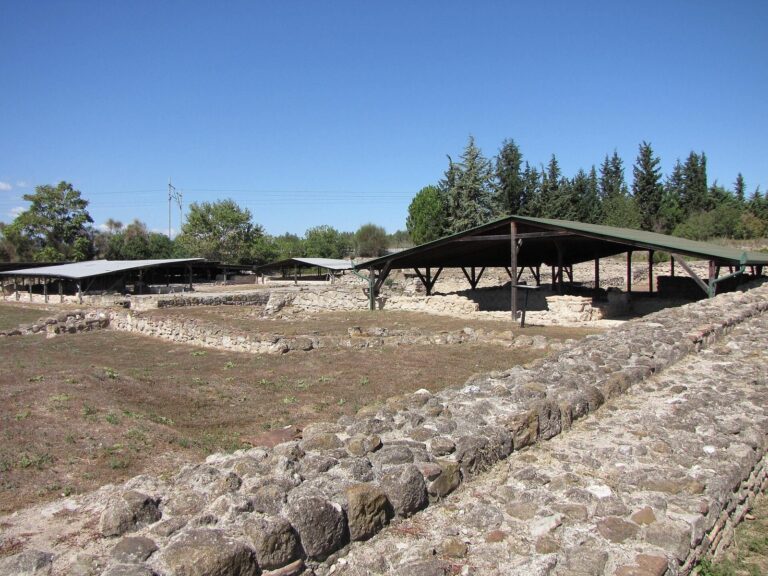
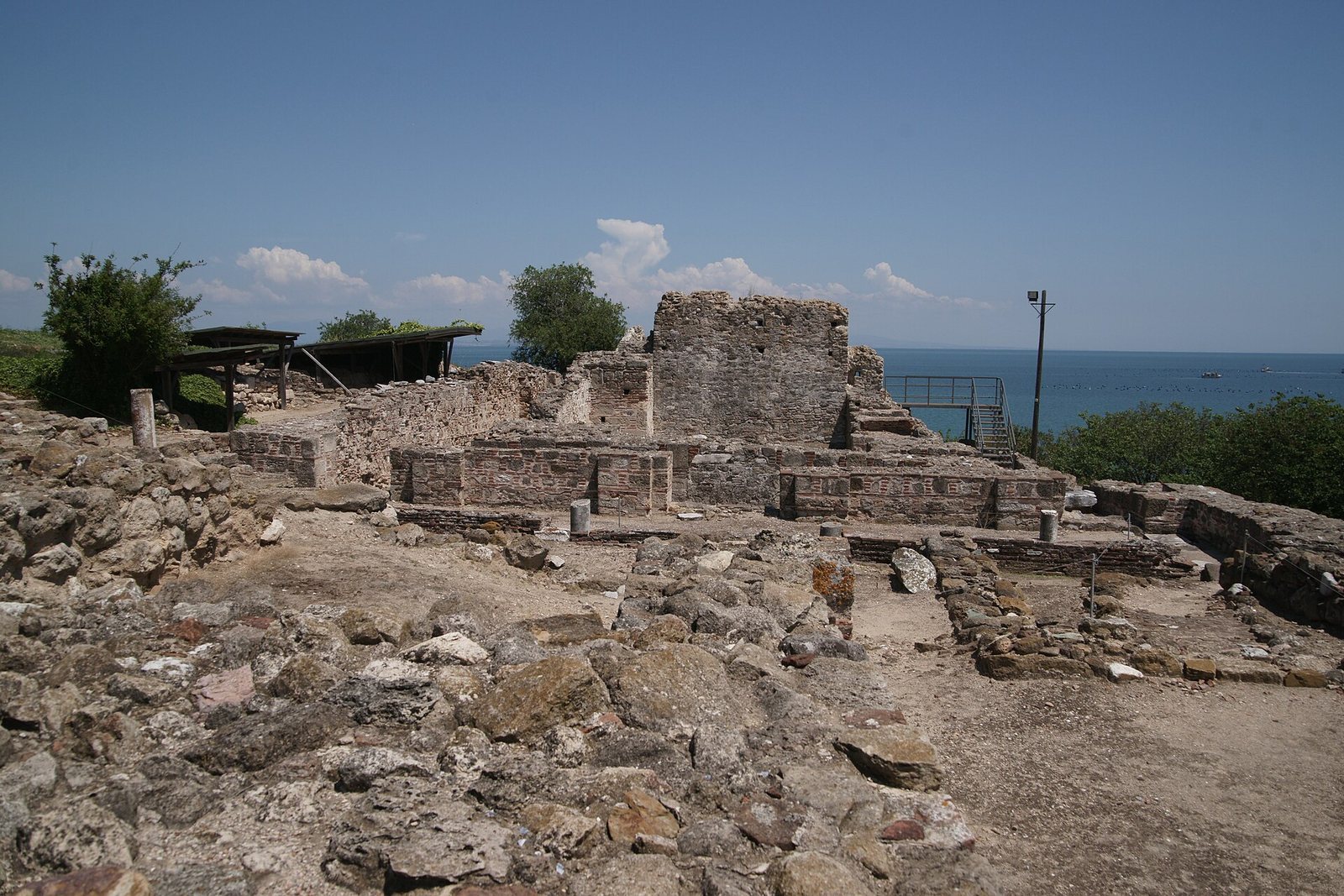
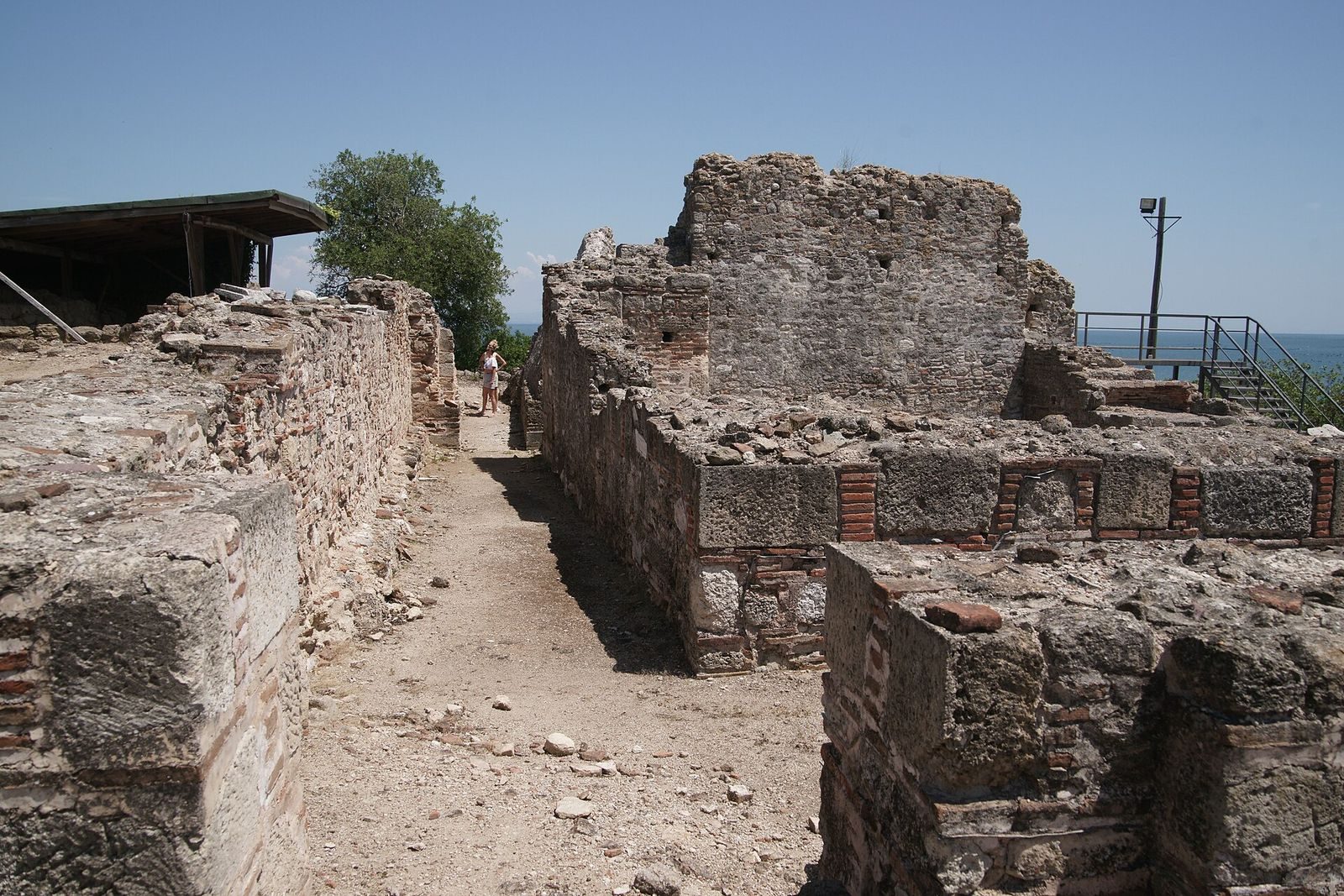
The archaeological complex occupies about 320 by 130 metres directly on the Aegean coast. Its visible buildings are Byzantine, while remains of the Classical and Hellenistic city, and possibly earlier settlement, lie at least partly beneath them. The surviving remains include fortifications, churches, civic and harbor buildings, and burial areas. Settlement traces on hills north of the excavated area date to Mycenaean times, around 1400 BC; Thracians inhabited the area from about 1000 to 600 BC. Part of the eastern settlement has slipped into the sea.
Settlement and defenses
Early settlement and city wall
About 500 metres north of the ancient site are portions of the city wall built in the fifth century BC. The wall was made of clay rather than stone and was destroyed after Philip II captured the city. Settlement remains on the northern hills include evidence from the Mycenaean and Thracian periods.
Byzantine fortress wall
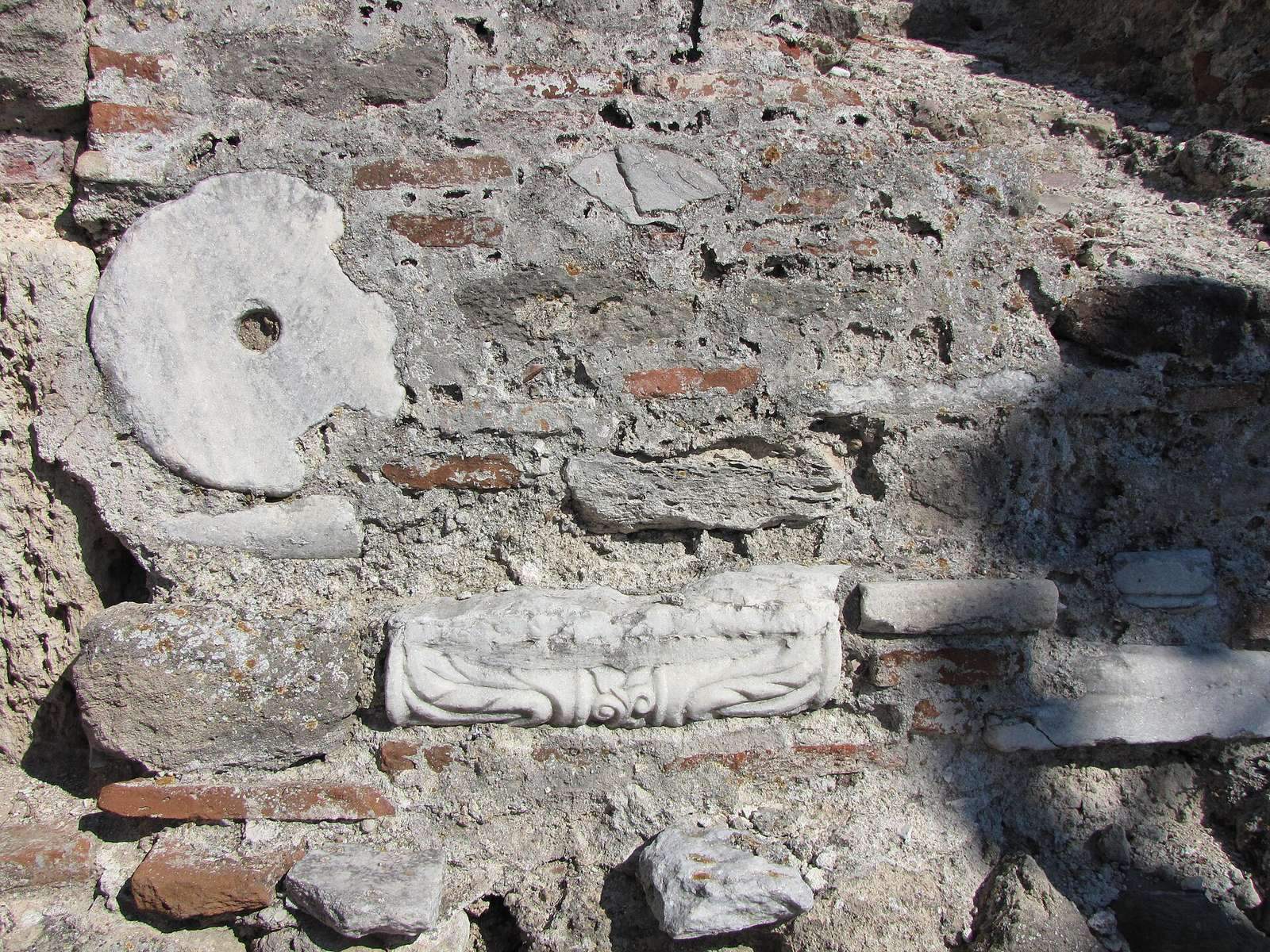
A separate fortification around the complex incorporates reused column fragments and other masonry. Its earliest construction phase dates to the sixth century, during Emperor Justinian’s reign. The wall is about 1.4 metres thick and was strengthened with rectangular towers. It was reinforced in the tenth century, when some gates were blocked; parts of the complex also date to the sixteenth century.
Road and western gate
West of the road that once connected Pydna with Dion are remains of city walls and a gate. The modern road follows much of the ancient route. Excavations have also exposed the fortress’s western gate.
Churches and fortress structures
Early churches and cathedral
Remains of two early Christian basilicas, large church buildings, date to the fourth and sixth centuries and lie within the castle. The larger church built in the late tenth century measured 23.20 by 16.60 metres and served as Kitros’s episcopal cathedral. It had a dome and a low parapet wall, and its decoration included mosaics, frescoes, and finely made sculptures.
Wells, cistern, and passage
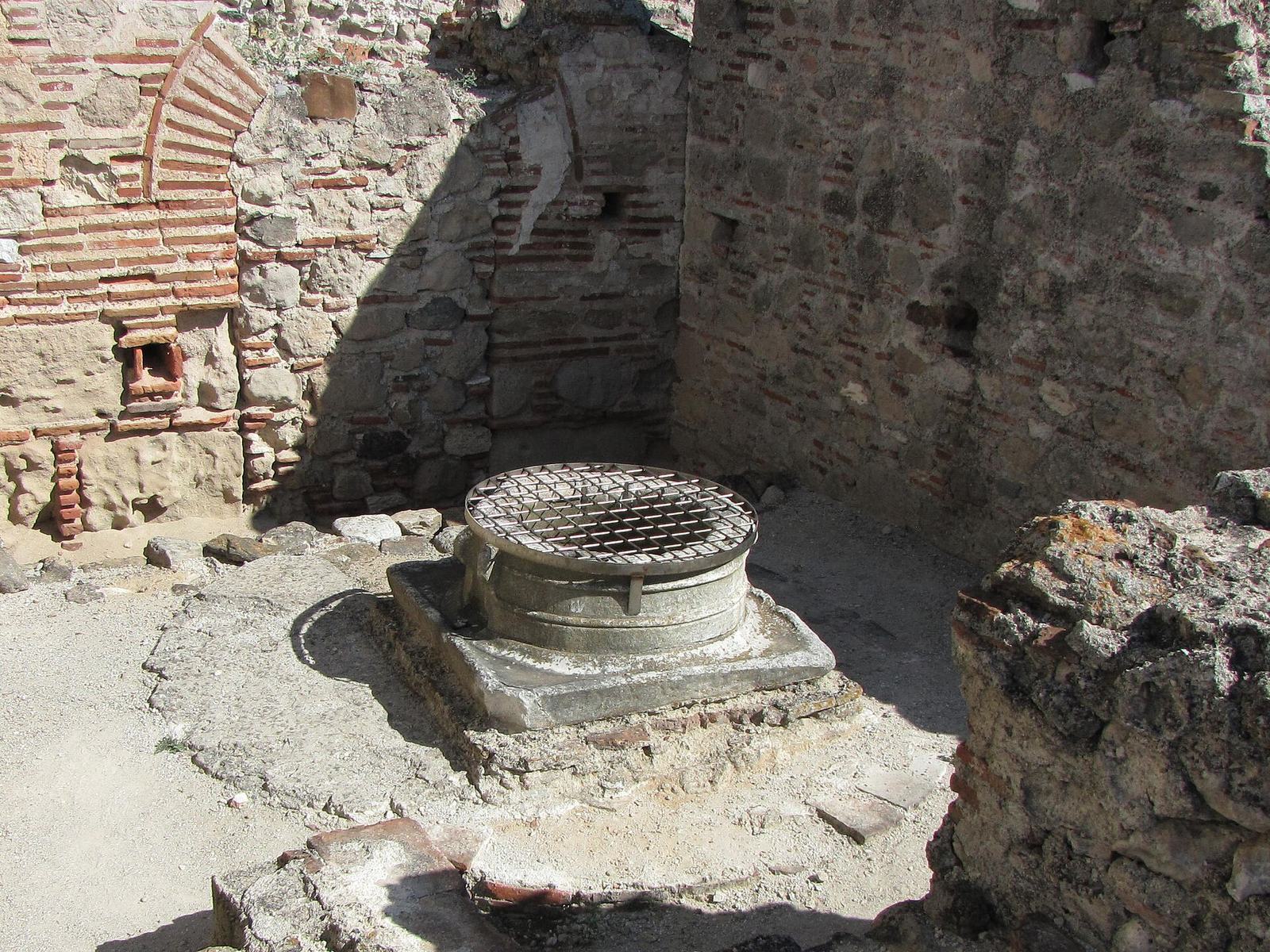
A well inside the church is about 22 metres deep and has a stone fountain; a cistern stood beside it. A passage below ground was built to provide an escape route from the castle. Another well, built during the Frankish period, was found in the altar area of the Middle Byzantine church, close to the former altar position.
Signals across the water
A signal station in the church’s sea-facing apse, the rounded end of the building, exchanged light signals with the opposite Chalkidiki peninsula. Torches could carry messages over long distances. A stone structure containing charcoal inside the Frankish tower has been interpreted as a lighthouse for ships in the Thermaic Gulf and as another means of communication across the water.
Civic and harbor buildings
Buildings within the fortress
Excavations revealed foundations of an inn and a bath, as well as a small church with a single central aisle. These remains add to the evidence for the range of buildings within the fortified settlement.
Harbor facilities
Near the harbor, excavators uncovered a pottery kiln and a guesthouse with a bath, features associated with the city’s coastal settlement.
Burial grounds and finds
Northern burial ground
The northern burial ground contains more than 3,300 large pit graves. They span a long period, from the Late Bronze Age, around 1400 BC, to the early third century BC. Many objects recovered from the graves are held at the Archaeological Museum of Thessaloniki.
Western and southern burial areas
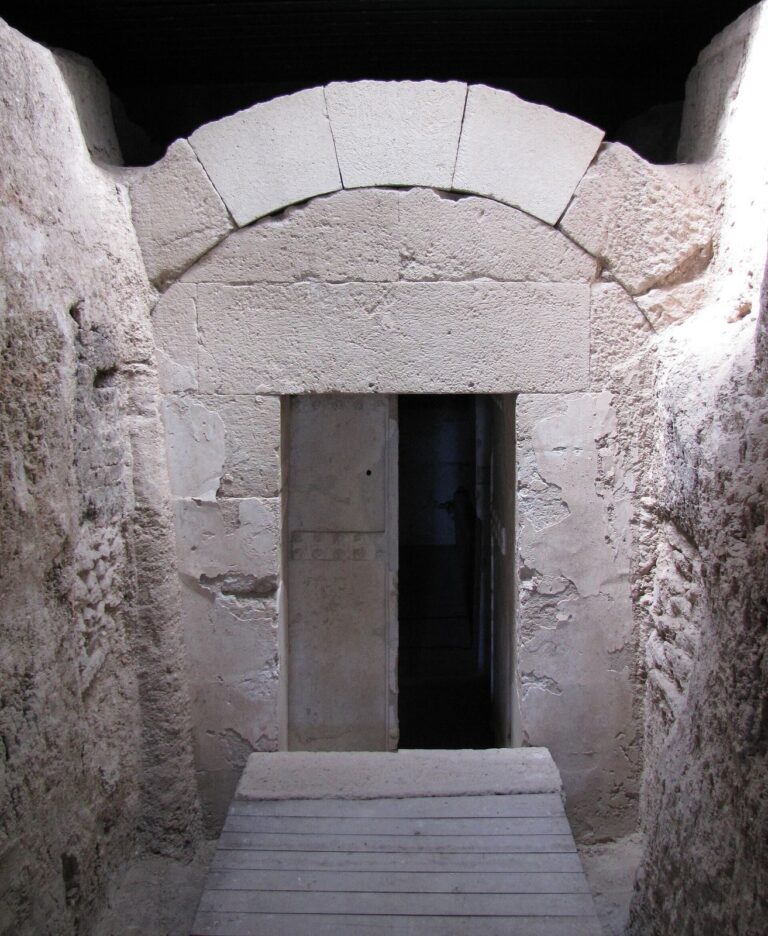
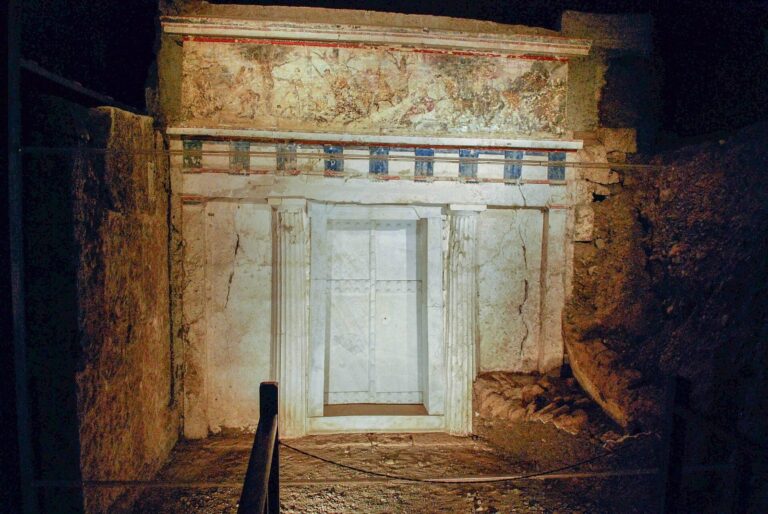
The western burial area began in the fifth century BC and remained in use into the Hellenistic period. The southern area dates to the Hellenistic period and continued in use into Roman times. The large tombs and valuable grave goods indicate that people of relative prosperity were buried there.
Other excavated objects
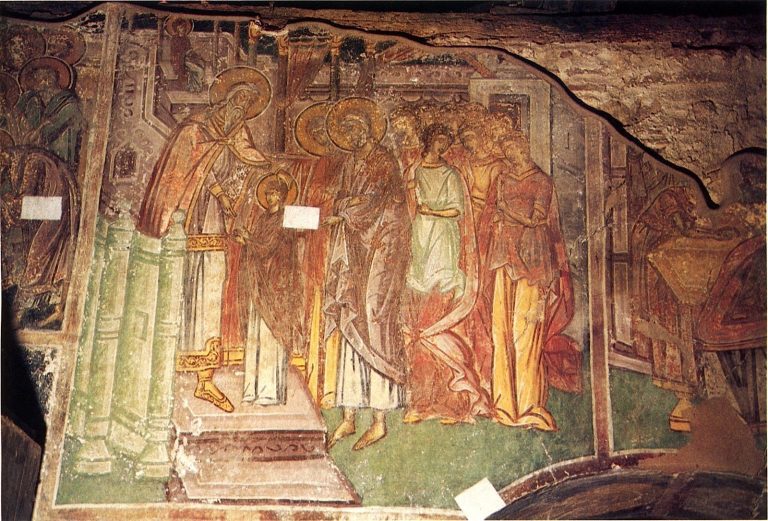
Finds from Pydna include early Christian marble architectural pieces and sculptures of exceptional quality from the tenth and eleventh centuries, marble supports from the Frankish tower, Byzantine vase fragments, coins, marble inlay, and fragments of frescoes. The coins include examples dated to 389–379 BC.