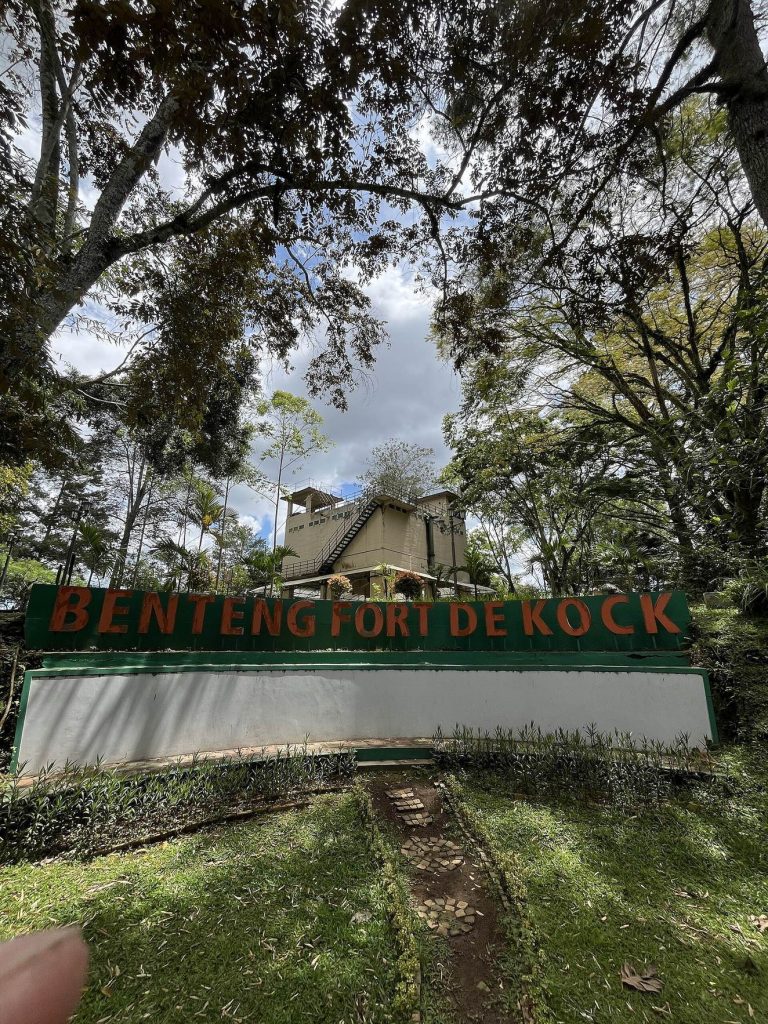
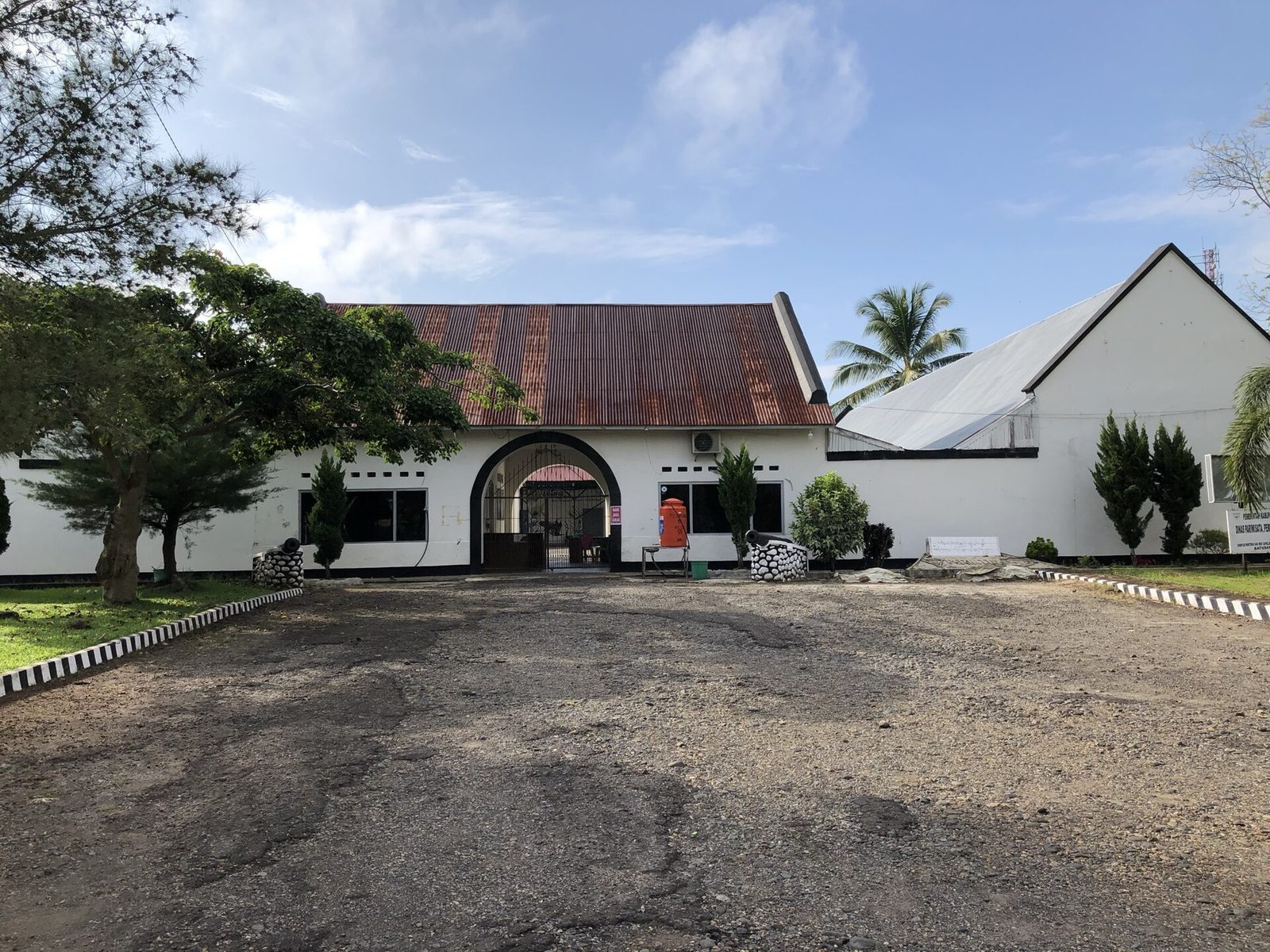
Fort van der Capellen: A Dutch Fort in Batusangkar, Indonesia
Site at a Glance
- Popularity
- Medium
- Country
- Indonesia
- Primary era
- Modern
- Eras represented
- Modern
- Civilizations
- Dutch
- Site type
- Military
- Remains
- Fort
On this page5 sections
History
Fort van der Capellen is a small Dutch fort in Batusangkar, West Sumatra, Indonesia, completed in 1824 during Dutch intervention in the conflict between the Padris and the Adats. It later became a base for Indonesian educational, military, and police institutions.
Conflict and construction
The Padris were Minangkabau Muslim clerics who had studied in Saudi Arabia and promoted sharia, or Islamic religious law, influenced by Wahhabism, an Islamic reform movement. Their opponents, the Adats, were Minangkabau nobles and chiefs whose practice of Islam incorporated customary law and matrilineal social traditions. After Adat leaders sought Dutch assistance, the Dutch intervened in 1821 and helped the nobility defeat the Padris.
After Dutch Colonel Raff entered Tanah Datar, the Dutch selected a site for the fort. Construction was completed in 1824, and the fort was named for Godert van der Capellen, then Governor-General of the Dutch East Indies, the Dutch colonial territory that included present-day Indonesia. Batusangkar grew considerably around the fort.
Occupation and independence
During the Japanese military occupation of Indonesia in World War II, the Indonesian People’s Security Agency controlled the fort from 1943 to 1945. The People’s Security Army was established there in 1945 and used the fort until 1947. Both organizations were predecessors of the Indonesian National Army.
Dutch forces briefly retook the fort from 1948 to 1950 during Operation Kraai, a Dutch military campaign in Indonesia’s struggle for independence.
Educational, military, and police use
After independence, PTPG Batusangkar, a university body and predecessor of the State University of Padang, used the fort for education. Indonesian nationalist, politician, and writer Mohammad Yamin inaugurated the institution there. When PTPG moved to Bukit Gombak in 1955, the fort became a headquarters of the Armed Forces of the Republic of Indonesia.
During the 1957 rebellion by the Revolutionary Government of the Republic of Indonesia against the central government, Battalion 439 Diponegoro captured the fort. It was transferred to the Indonesian National Police on May 25, 1960, and became the headquarters of the Police Resort Command. The police headquarters moved to a new building in Pagaruyung in 2001.
Remains
The fort stands on the highest ground in the area, about 500 metres from Batusangkar’s city centre. Its walls are 75 centimetres thick and 4 metres high. The original clay-tile roof was replaced with corrugated steel in 1974. Rooms were added in 1984 for a kindergarten, and the dry moat was filled in in 1986. Storage buildings and a dining area were added in 1988. Parts of the fort were restored in 2008 by an archaeological heritage-preservation authority.