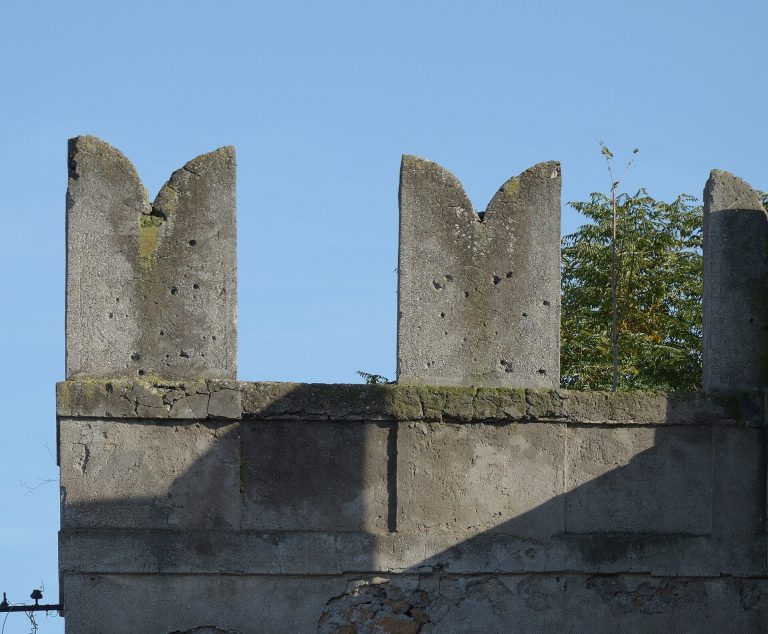
Lunghezza Castle: A Medieval Fortification near Rome
Site at a Glance
- Rating
- 4.2
- Popularity
- High
- Country
- Italy
- Primary era
- Medieval
- Eras represented
- Iron Age, Medieval
- Civilizations
- Roman
- Site type
- Military
- Remains
- Castle
On this page5 sections
History
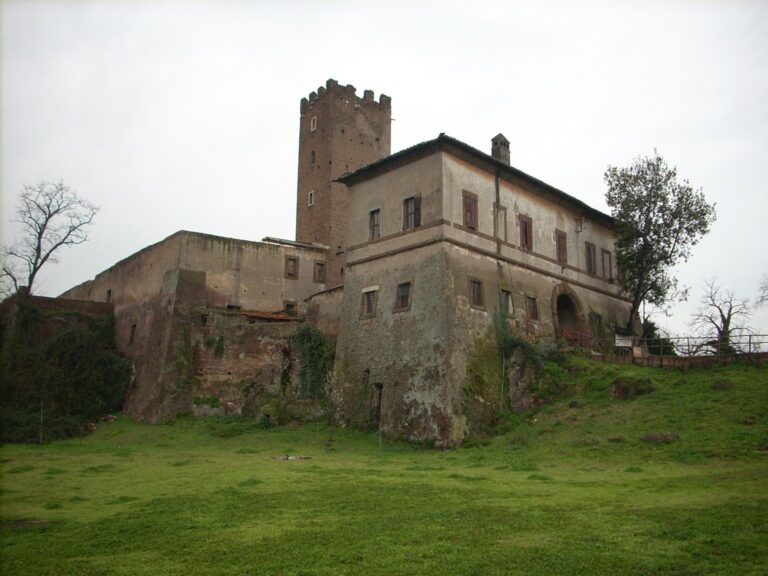
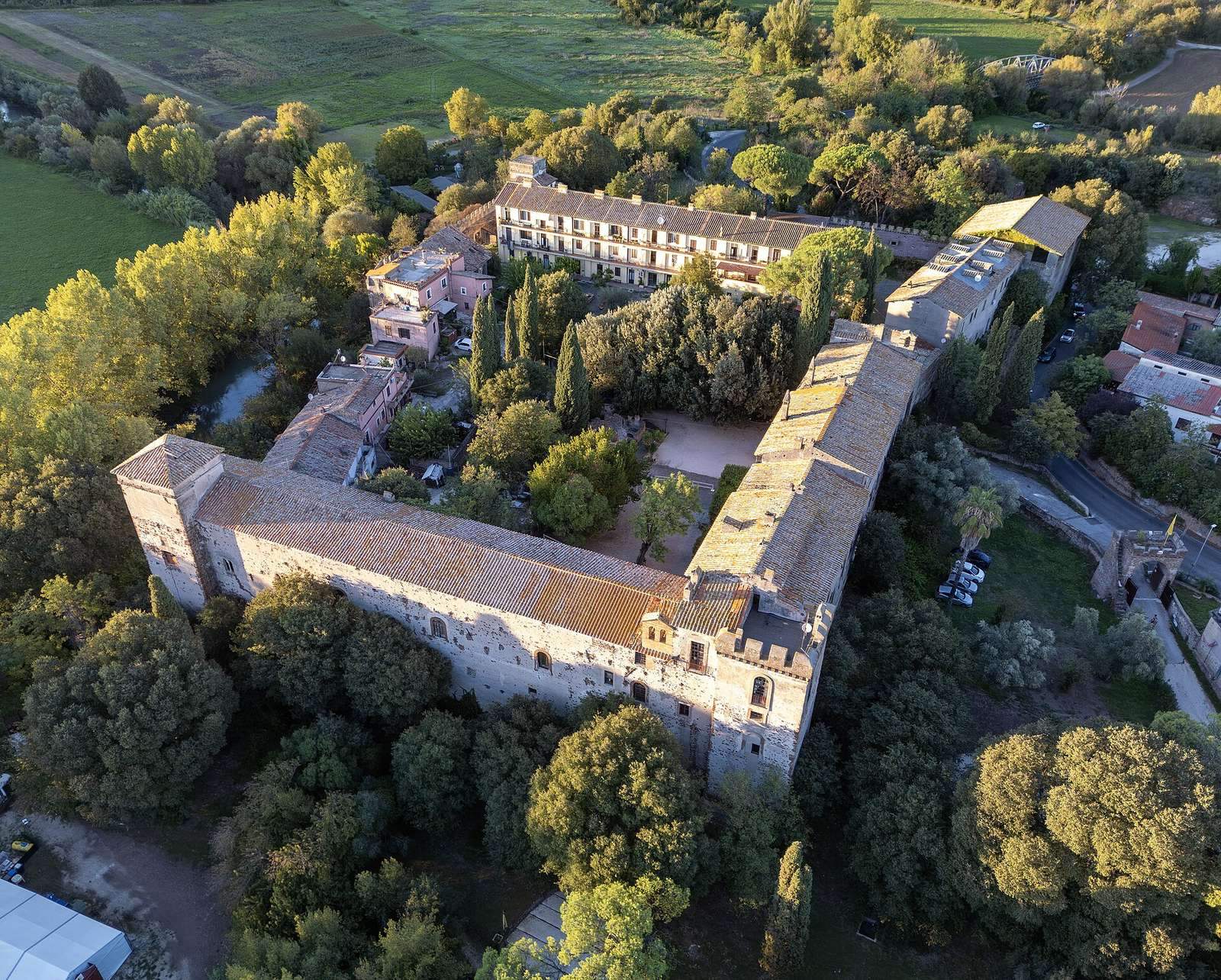
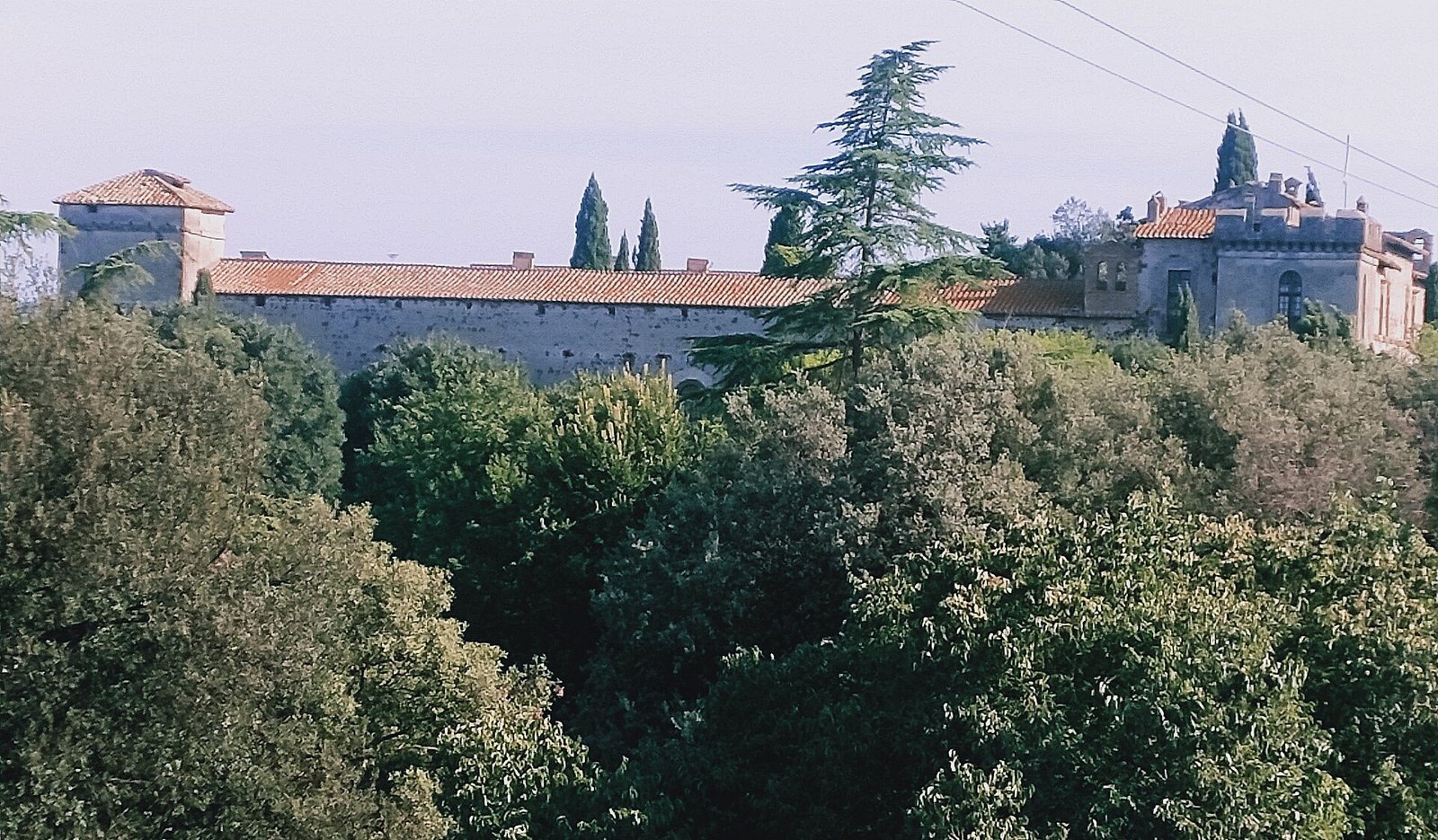
Lunghezza Castle is a medieval fortification in Italy, about 20 kilometres east of Rome. Its history encompasses an uncertain early foundation, monastic use, and later control by noble families.
Origins and monastic use
A tradition connects the castle’s beginnings with the foundation of the Roman Republic. It says the citadel’s owner built its first nucleus after Tarquin the Proud, regarded in early Roman tradition as Rome’s last king, was expelled. The castle’s construction date remains uncertain.
In the 8th century, the site became a monastery of the Benedictines, a Catholic order whose members followed the Rule of St. Benedict. The Monastery of St. Saviour is identified as its builder.
Medieval ownership and papal conflict
By the 11th century, the castle belonged to the Abbey of St. Paul Outside the Walls, a major abbey in Rome. Several families, including the Conti and Orsini, held it on the abbey’s behalf. The Poli family also controlled it for generations.
In the 13th century, the Poli fell out of favor with Pope Boniface VIII, who held the papacy from 1294 to 1303, after transferring surrounding lands to a local monastery. The papacy then took control of the land and granted it to the Orsini. Members of the Colonna, a prominent Roman noble family opposed to Boniface, signed a manifesto at the castle.
Later owners and restoration
In the 15th century, the Orsini holdings passed through marriage to the Medici of Florence, a banking and ruling dynasty. The Strozzi family later owned the castle until the beginning of the 20th century. During the early 20th century, it also passed among several English families.
In the 1950s, British curator Malcolm Munthe bought the castle intending to restore it and open it to the public. Repeated alterations and restoration work contributed to the castle’s present form.
Remains
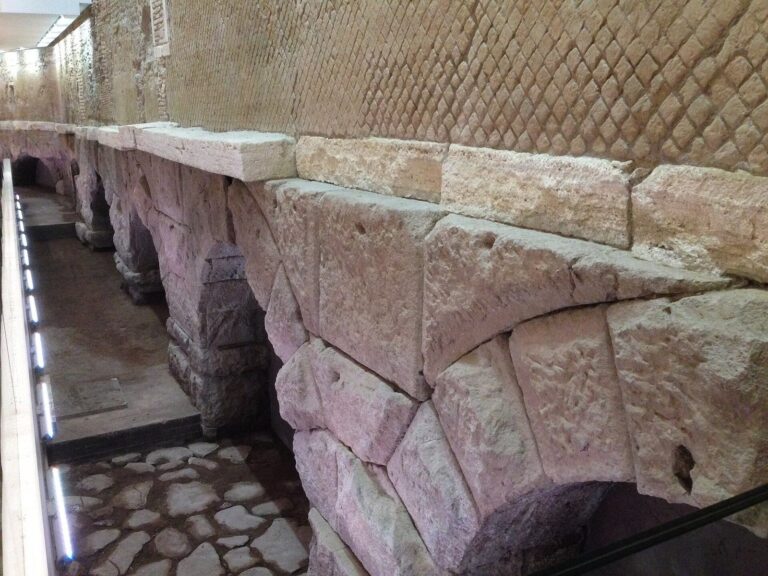
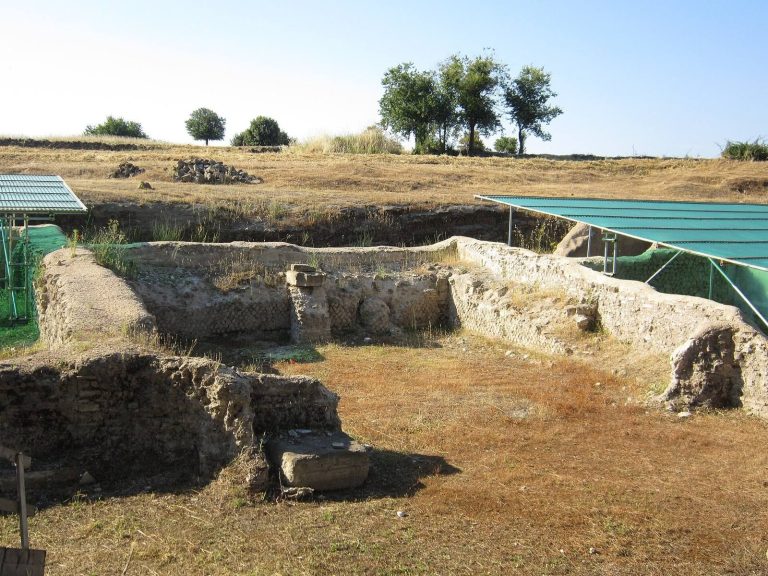
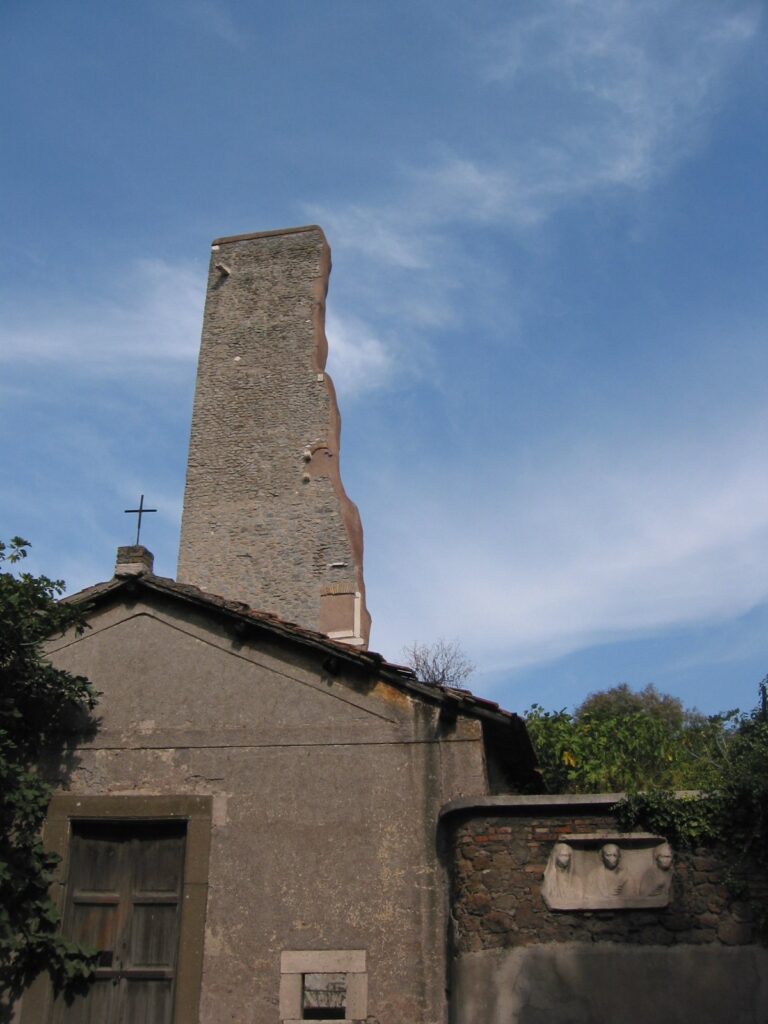
The medieval fortification occupies the site of the ancient town of Collatia, between Via Collatina and Via Tiburtina. Its earliest nucleus was built over remains of a Paleolithic settlement and an earlier fortified structure called Collatia.