Devingrad: A Medieval Fortress in Veliko Tarnovo, Bulgaria
Site at a Glance
- Popularity
- Medium
- Country
- Bulgaria
- Primary era
- Medieval
- Eras represented
- Medieval
- Civilizations
- Byzantine
- Site type
- Military
- Remains
- Fort
On this page6 sections
History
Early occupation
Human activity on Devingrad Hill dates to the second millennium BC. Some archaeologists have proposed that a Thracian city called Dewa stood there; the Thracians were ancient peoples of southeastern Europe. The hill was also known as a stronghold in Byzantine times.
Medieval stronghold
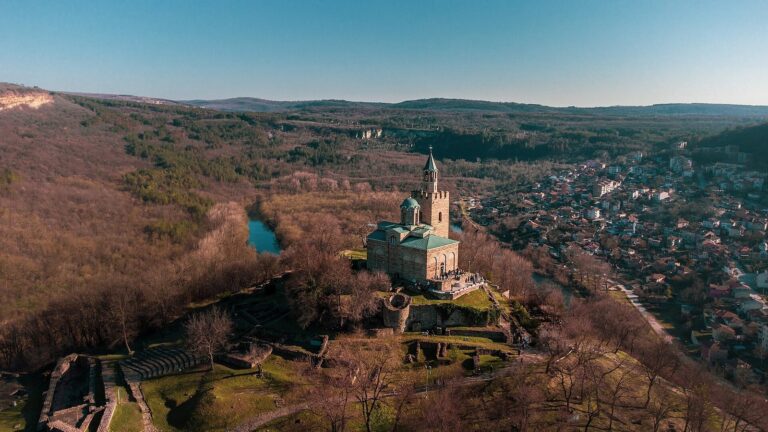
Devingrad, also known as Momina Krepost (“Maiden’s Fortress”), is a medieval stronghold on a hill in Veliko Tarnovo, Bulgaria. Construction began in the 12th century. The fortress was associated with the Byzantine–Bulgarian Wars, conflicts between the Byzantine Empire and Bulgarian states.
During the Second Bulgarian Empire, a medieval Bulgarian state that lasted from 1185 to 1396, Veliko Tarnovo, also called Tarnovgrad, served as the capital. Devingrad was regarded as the city’s third most important fortress, after Tsarevets and Trapezitsa. The hill was one of four associated with medieval Veliko Tarnovo. Artisans, including blacksmiths, lived there. A local legend says craftsmen polluted the slope facing the Yantra River, where cattlemen and farmers also lived.
Archaeological study and restoration
Czech-Bulgarian archaeologist Karel Skorpil and his brother Hermann explored the hill in the late 19th century. Associate Professor Evgeni Dermendzhiev of the Veliko Tarnovo Regional Museum of History discovered a citadel there. The fortress was restored during the 20th century.
Remains
Fortress layout and finds
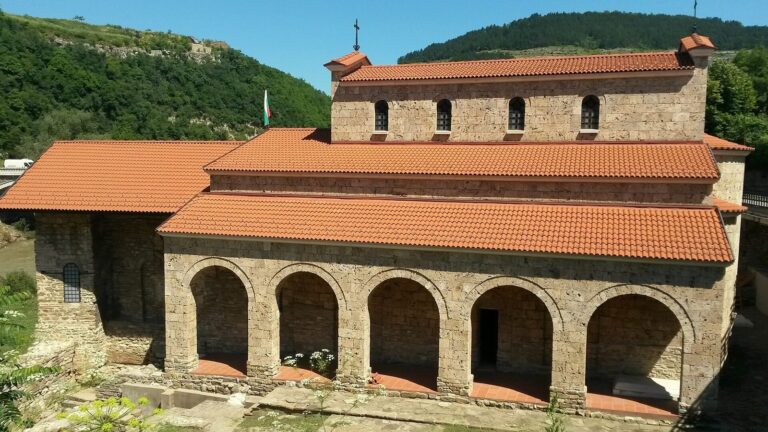
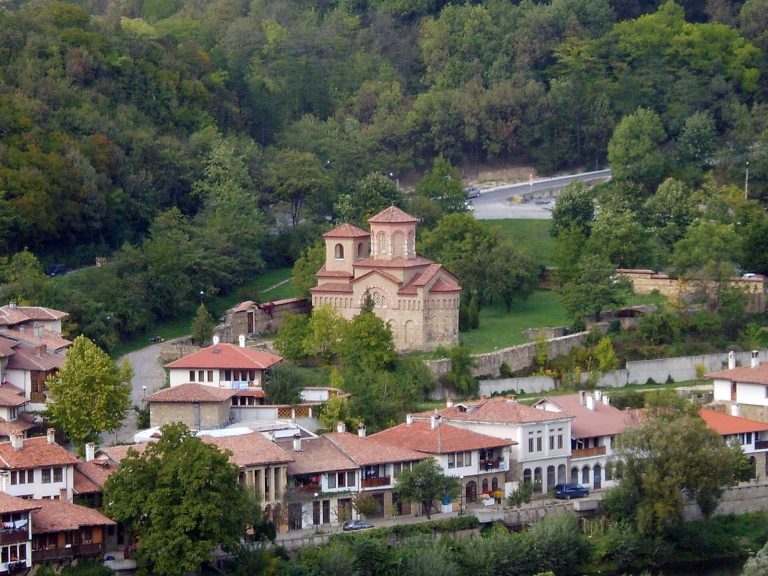
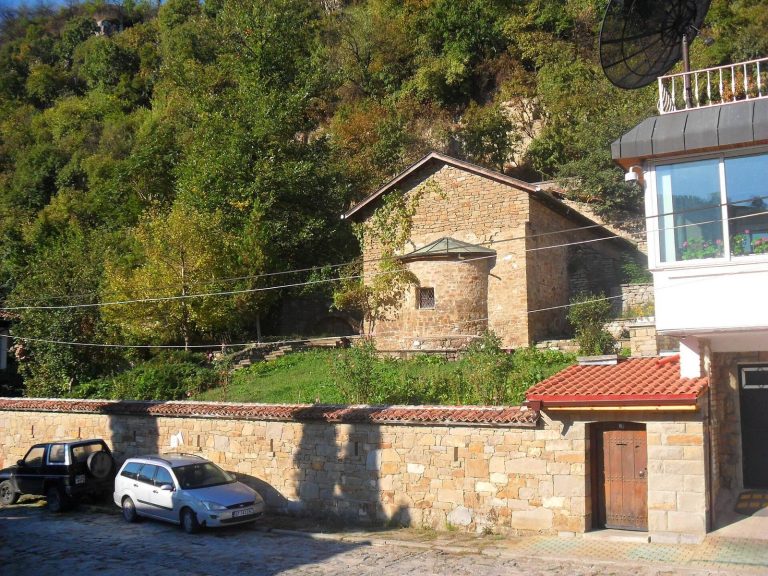
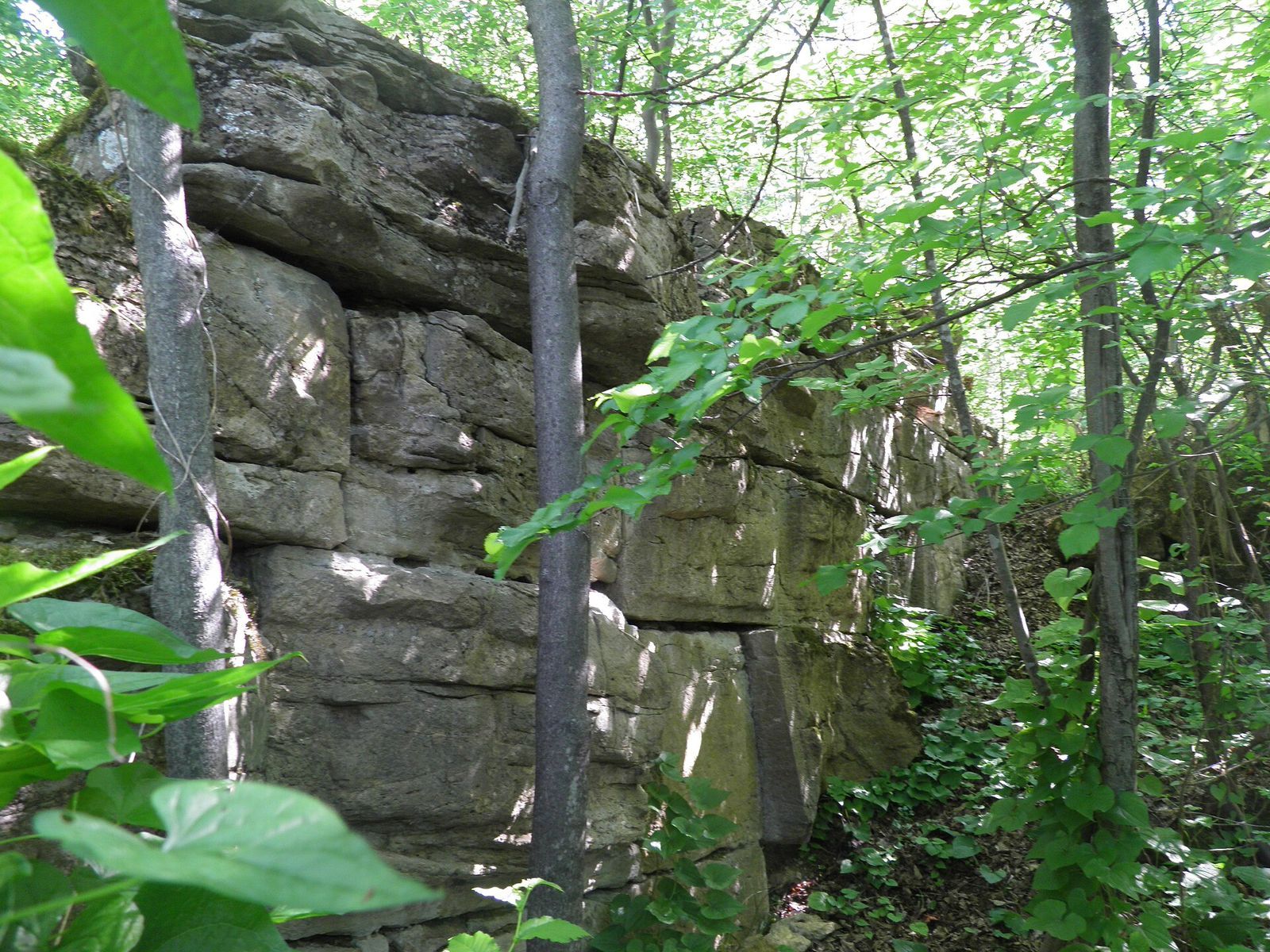
Devingrad occupied a hill of the same name and was enclosed by a fortress wall with two gates. The complex included several churches, a cemetery, craft shops, and housing. Its citadel measured about 300 metres long and 30 to 40 metres wide. Finds from the hill include Roman coins and marble plaques. The fortress now lies in ruins.