Llanthony Secunda: An Augustinian Priory near Gloucester
Site at a Glance
- Rating
- 4.5
- Popularity
- Low
- Country
- United Kingdom
- Primary era
- Unclassified
- Eras represented
- Unclassified
- Civilizations
- Unclassified
- Site type
- Religious
- Remains
- Monastery
On this page5 sections
History
Llanthony Secunda is the surviving site of an Augustinian priory in Hempsted, near Gloucester, United Kingdom. Augustinian canons were clergy who lived in a shared community under the Rule of St Augustine. After attacks by local Welsh people, canons from Llanthony Priory in the Vale of Ewyas withdrew to Gloucester in 1135 and established a secondary house. Llanthony Secunda’s foundation is dated to 1136. Its founder, Miles de Gloucester, was a magnate and the first Earl of Hereford, a high-ranking English noble title. He also held the hereditary office of Constable of England and served as Sheriff of Gloucestershire.
Medieval community and burial
The priory was known for making cheese. In 1502, the Archbishop of Canterbury and the prior presented “Lanthony Cheese” to Elizabeth of York, wife of Henry VII. In 1530, the prior at Gloucester sent cheese, carp and baked lampreys to Henry VIII at Windsor.
Several members of Miles de Gloucester’s family were buried at the priory. Miles was interred in the chapter house, as were his wife, Sibyl de Neufmarché, and their sons Roger Fitzmiles, 2nd Earl of Hereford, Mahel de Hereford and Henry FitzMiles. Their daughter Margaret of Hereford, who died in 1187, was also buried there. She inherited the priory’s patronage and was the wife of Humphrey II de Bohun, who died in 1165. Other burials included Henry de Bohun and Humphrey de Bohun, 2nd Earl of Hereford.
Anne of Gloucester (1383–1438), eldest daughter of Thomas of Woodstock, Duke of Gloucester, and Eleanor de Bohun, was buried at Llanthony Secunda with her husband, William Bourchier, 1st Count of Eu. Eleanor de Braose was also buried there. She was the wife of Humphrey de Bohun, heir to Humphrey de Bohun, 2nd Earl of Hereford and 1st Earl of Essex (1204–1275). Eleanor descended from Bertha of Hereford, a daughter and co-heiress of the priory’s founder, who married William de Braose, Lord of Bramber, in the 12th century. Eleanor and Humphrey’s children included Humphrey de Bohun, 3rd Earl of Hereford.
Dissolution and the Siege of Gloucester
At the Dissolution of the Monasteries, the Crown’s closure and appropriation of monasteries in England under Henry VIII, the priory and its lands near Gloucester were granted to Arthur Porter.
During the Siege of Gloucester in the English Civil Wars, Royalist forces, who supported the king, placed a cannon on the priory walls and aimed it at the city wall. The cannon had been brought from Holland to Bristol and then to Gloucester. The besiegers hoped it would help break the siege and secure the city, but it exploded when fired. The cannon has been proposed as the source of the Humpty Dumpty nursery rhyme, although that connection is disputed and the rhyme’s origins remain unknown.
Protection and restoration
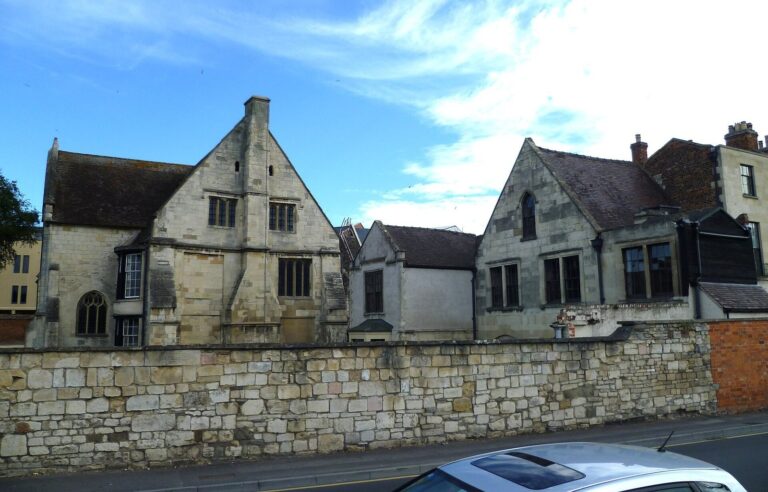
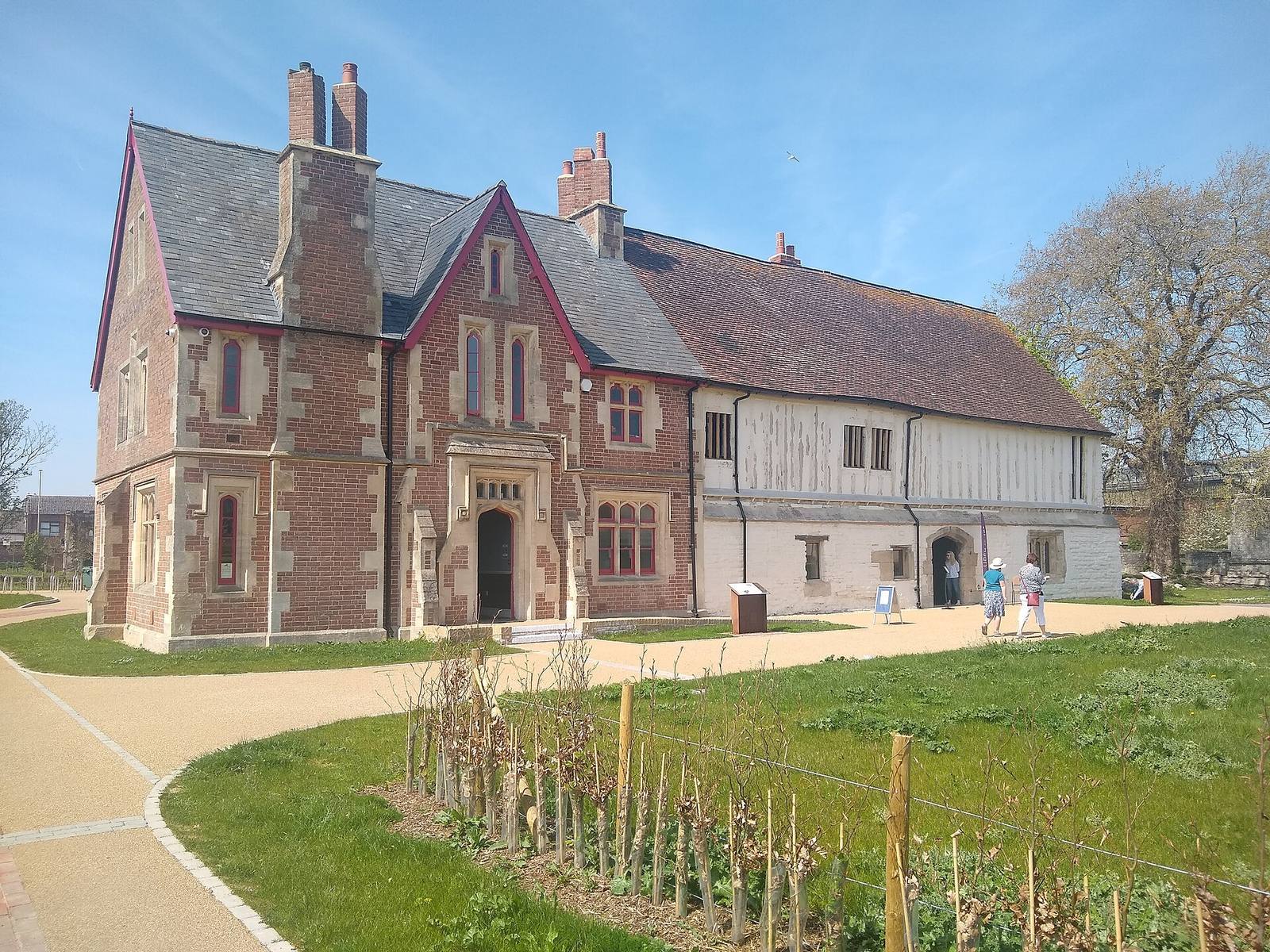
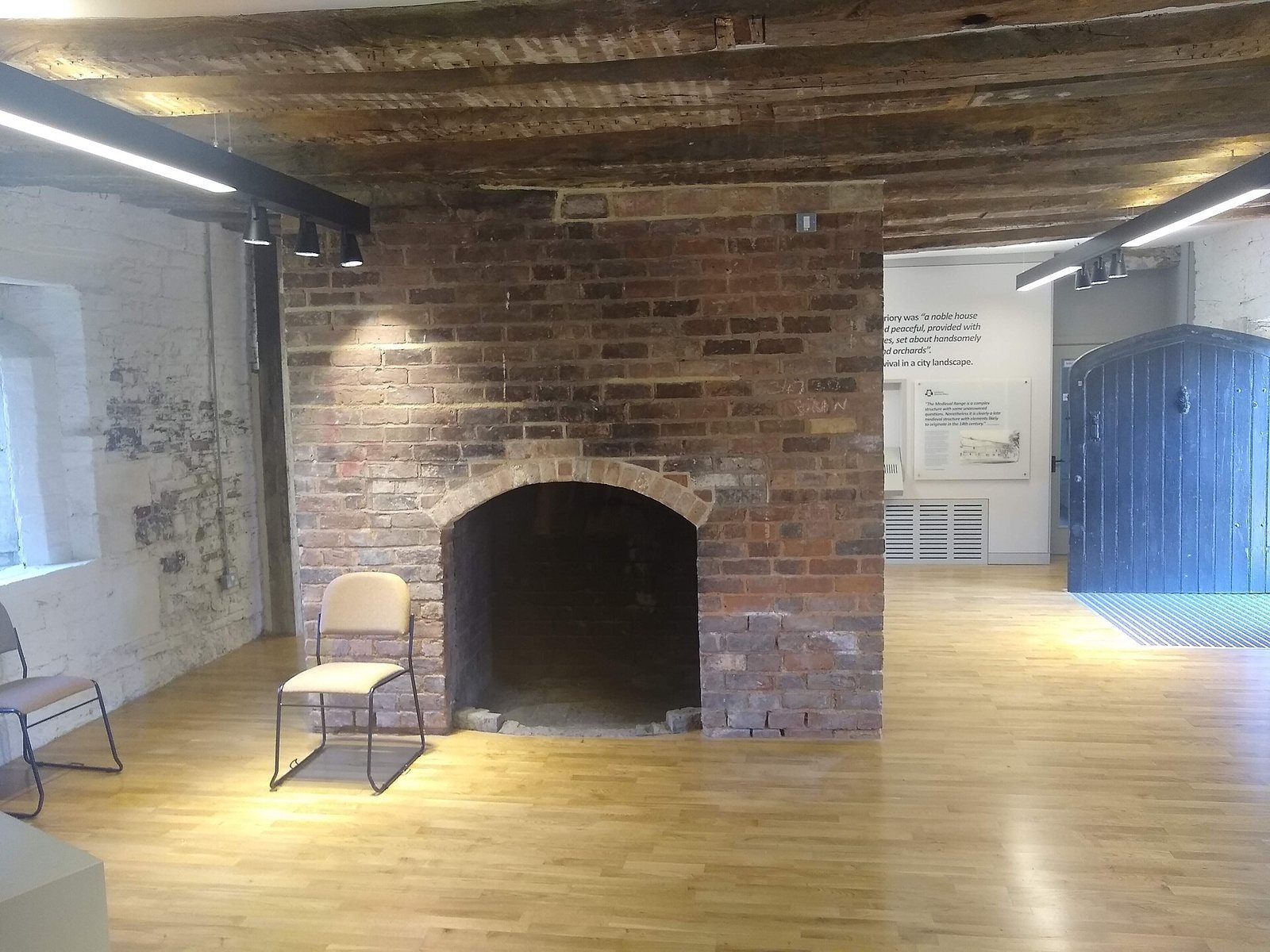
The surviving range on the south side of the inner court was given Grade I listed status in 1952, a designation for buildings of exceptional interest in England. The wider site is a scheduled ancient monument, a legally protected place of national archaeological or historic importance. A restoration project received funding in 2013 and was completed in August 2018.
Remains
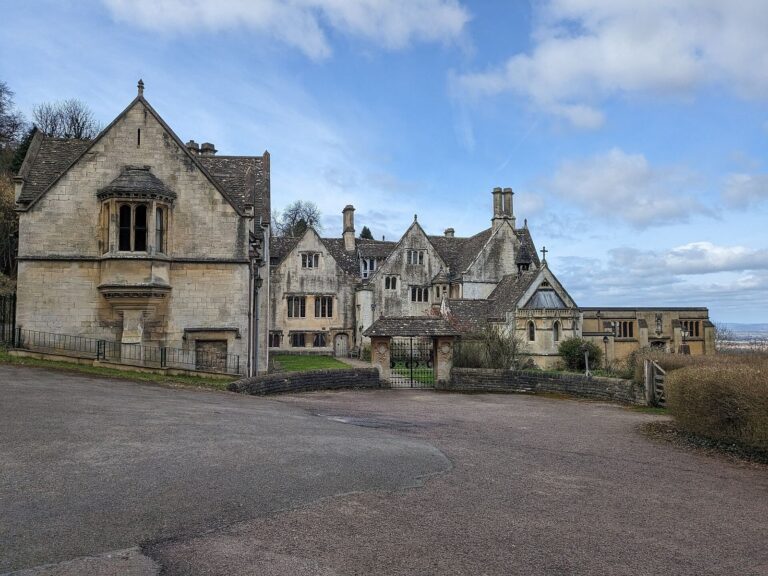
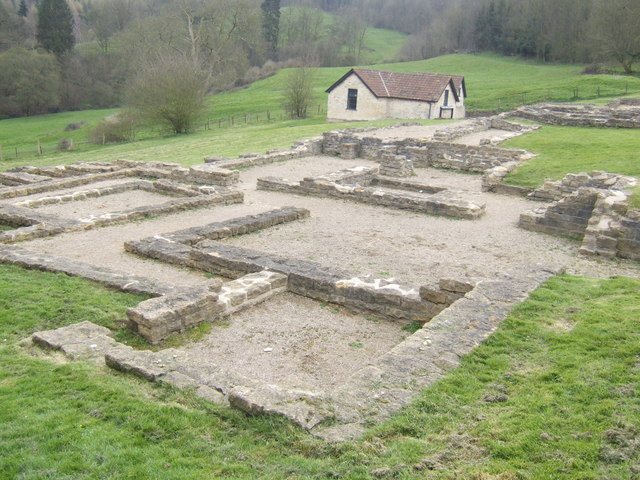
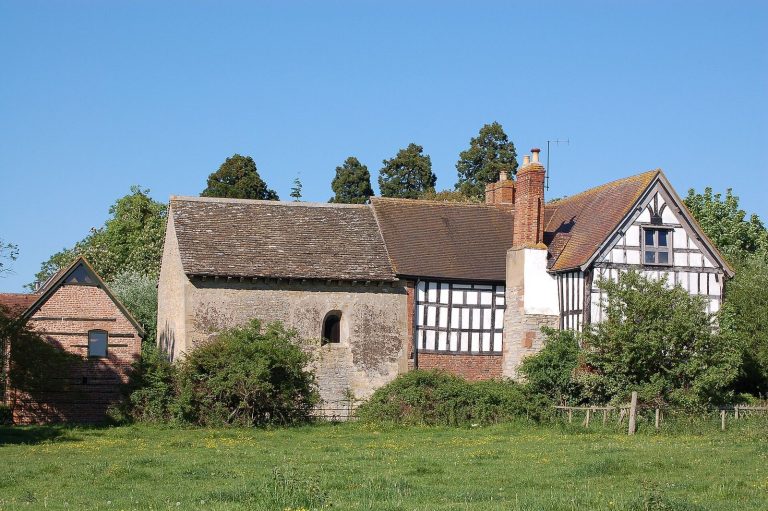
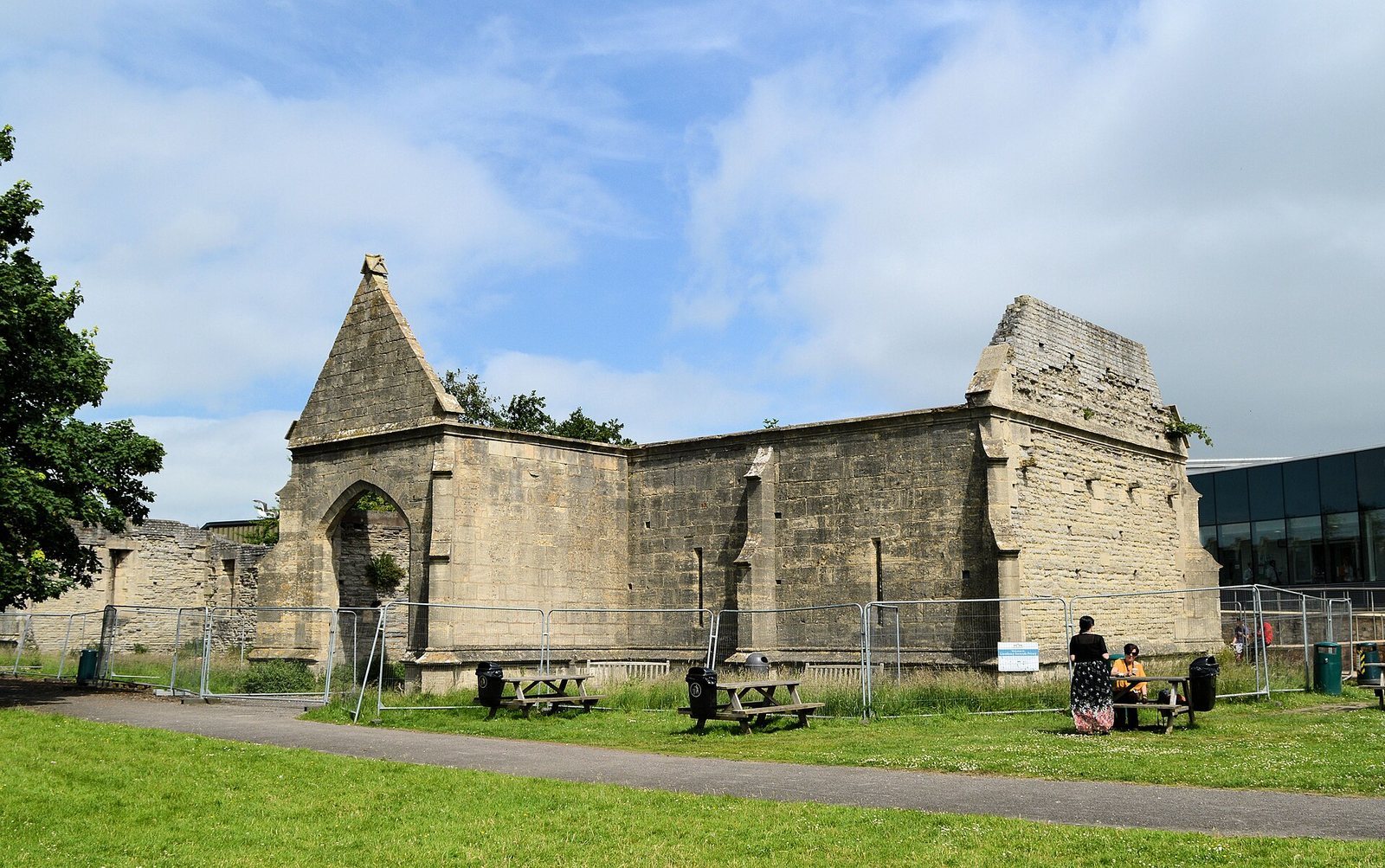
The priory site lies in the parish of Hempsted, about half a mile southwest of Gloucester Castle. Its surviving remains include a range on the southern side of the inner court.