Bellister Castle: A Medieval Tower and Later Castellated House
Site at a Glance
- Popularity
- Medium
- Country
- United Kingdom
- Primary era
- Modern
- Eras represented
- Medieval, Early Modern, Modern
- Civilizations
- British, English
- Site type
- Domestic
- Remains
- Castle
On this page8 sections
History
Medieval origins
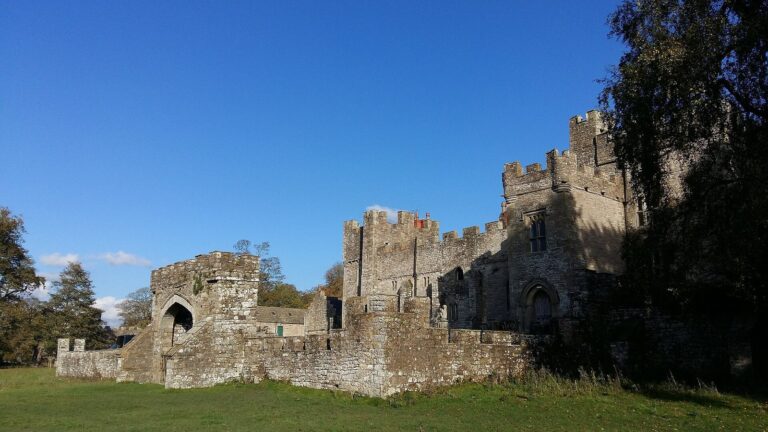
Bellister Castle is a historic fortified residence in the United Kingdom, occupying a mound and incorporating a medieval tower into a later castellated house. The mound may have formed part of an early motte-and-bailey castle, a fortification built around a raised mound and an enclosed yard. A hall house, organized around a principal hall, may have stood here in the thirteenth century. A substantial tower was added at the western end of the site in the fourteenth century.
A survey in 1541 described the tower house as occupied by the Blenkinsop family, who were also associated with nearby Blenkinsop Castle. It was then in moderately good repair.
Expansion and rebuilding
The Blenkinsop family sold its estates, including Bellister, in 1697. After passing through several owners, the property was enlarged around 1699 into a three-storey castellated house. Architect John Dobson carried out substantial rebuilding in 1826. Further changes followed in 1890, and serious fire damage in 1901 led to additional alterations in 1905. The older parts of the site were left to decay.
Protection and ownership
The National Trust received Bellister in 1976 and owns the property; the house is leased as a private residence. Bellister is a Scheduled Ancient Monument, a legally protected archaeological site, and a Grade I listed building, the highest category of listed-building status. Its Grade I listing dates to 1952.
Remains
Layout and buildings
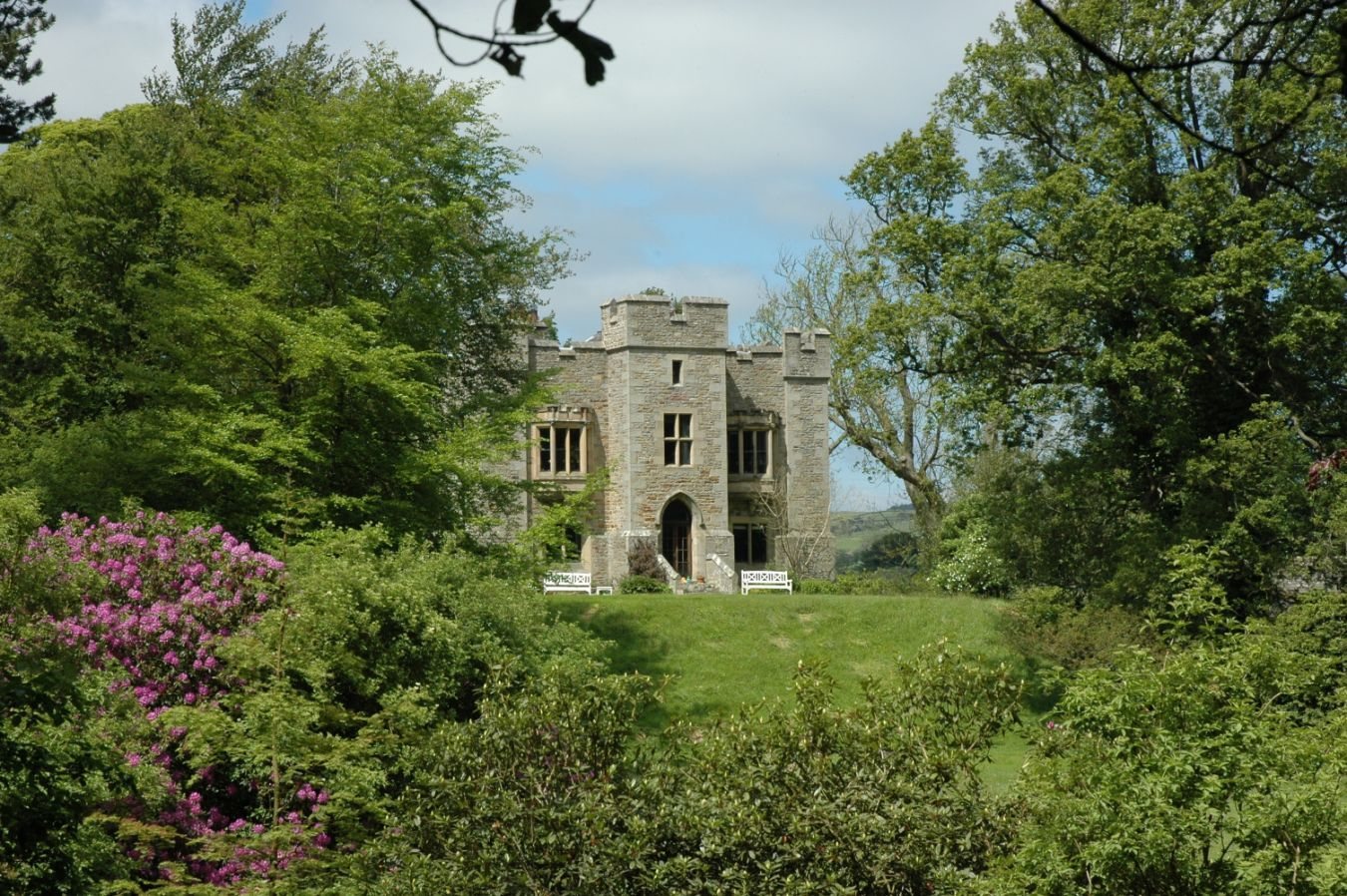
The site occupies a mound and brings together the remains of an older tower house and an attached castellated mansion. The medieval structure stands at the western end, while the later house has a prominent castellated front on its eastern side.
Mound and medieval tower
The mound forms the setting for the older remains. A moated hall house may have stood there in the thirteenth century. The surviving older structure is a ruinous tower house dating to the fourteenth century, positioned at the site’s western end and attached to the later mansion.
Castellated mansion
The mansion is a three-storey building with an imposing castellated east front. It incorporates the older tower house, linking the medieval remains with the later development of the property.