Vellinghausen Castle: A Medieval Lowland Castle in Germany
Site at a Glance
- Popularity
- Medium
- Country
- Germany
- Primary era
- Medieval
- Eras represented
- Medieval, Early Modern
- Civilizations
- Brandenburg-Prussia, Holy Roman Empire
- Site type
- Domestic
- Remains
- Castle
On this page7 sections
History
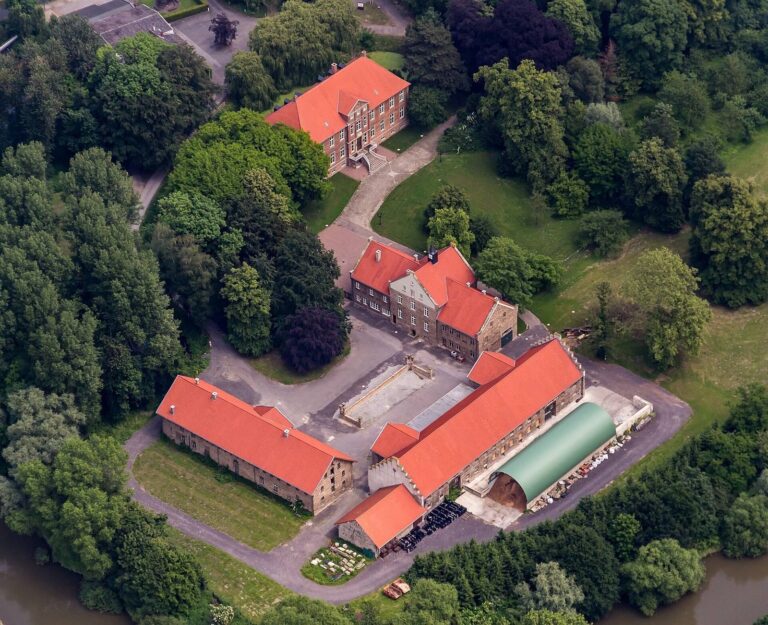
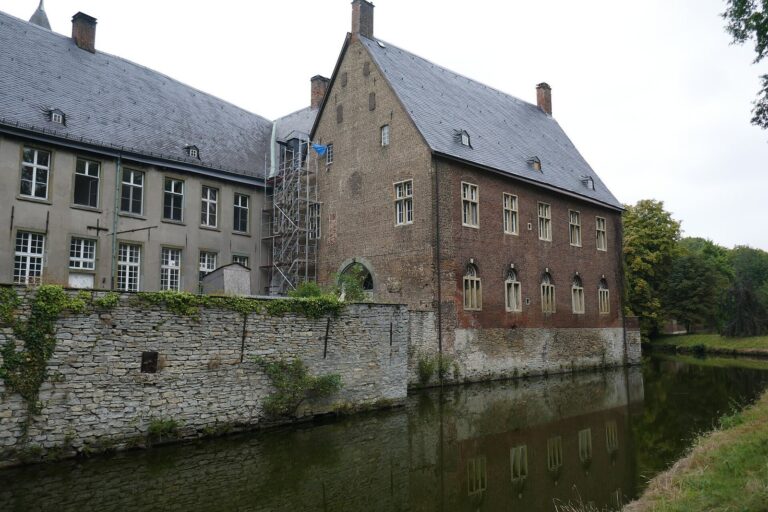
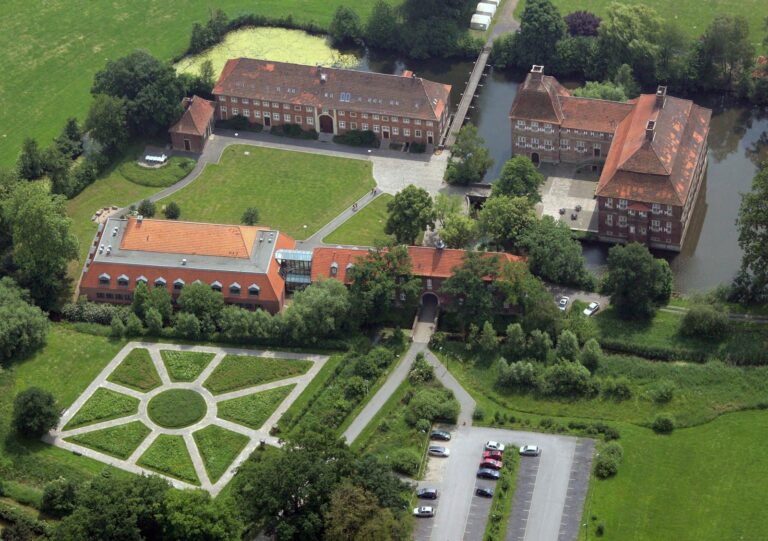
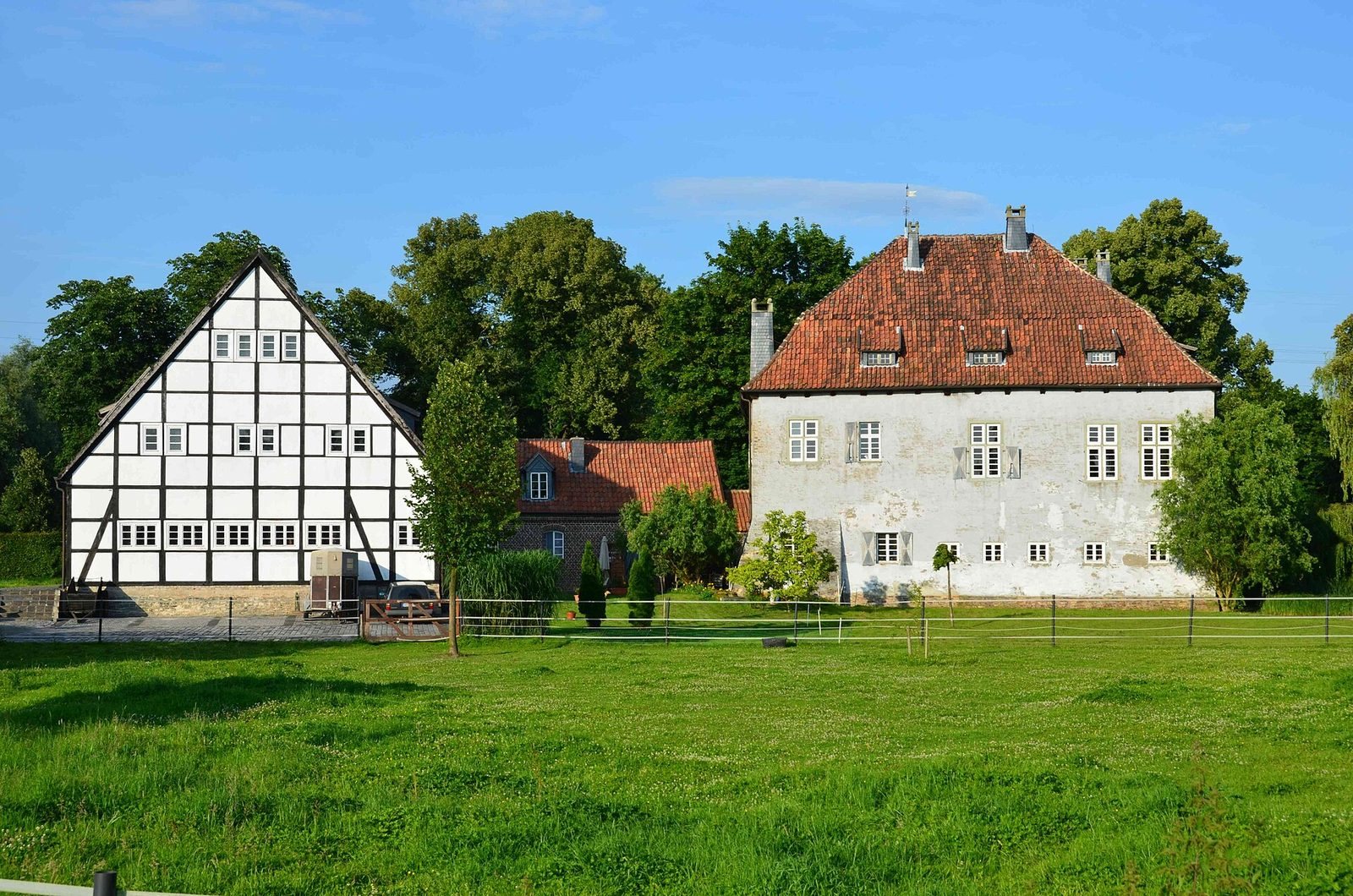
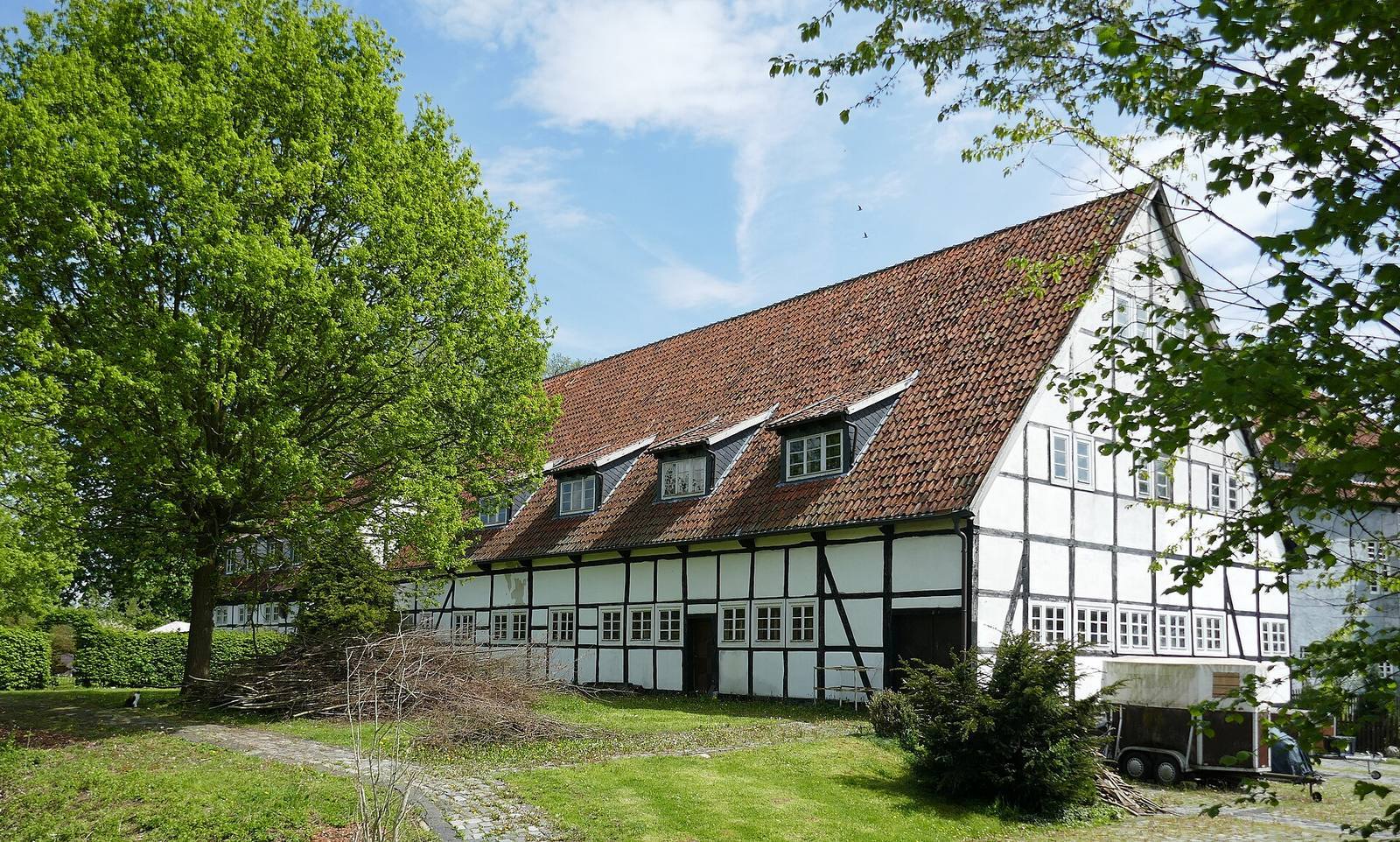
Vellinghausen Castle is a preserved lowland castle, built on relatively low-lying ground rather than a hilltop, in Vellinghausen, within the municipality of Welver in North Rhine-Westphalia, Germany. Its construction in the mid-14th century is attributed to Rötger von Galen, a medieval nobleman. The castle probably occupied the site of an earlier fortification, and Rötger probably lived there from 1352. He is also credited with building a chapel at the castle.
Inheritance and completion
After brothers Heinrich and Dieter von Galen divided their inheritance in 1564 and 1566, the castle passed to Heinrich and his wife, Clara von Vridag. They are thought to have completed it in 1598. Their daughter Dorothea brought the castle into her marriage with Johann von Neheim on 20 February 1569.
Baroque alterations and later ownership
In 1700, General Heinrich von Neheim sold the estate to Kaspar Heinrich von Voss, husband of Margareta von Korff-Schmising. The castle was adapted in the Baroque style, a later European architectural style associated with elaborate forms and ornament. Ownership passed to Heinrich Viktor von Voss, who married Beata Elisabeth von Vincke in 1746. Her son from her first marriage, Ernst Idel Jobst von Vincke, became the next owner.
The Battle of Vellinghausen took place near the castle in 1761 during the Seven Years’ War, a major international conflict fought from 1756 to 1763. The von Vincke family retained the castle until 1979. It has been sold twice since.
Remains
Surviving architecture
Exterior
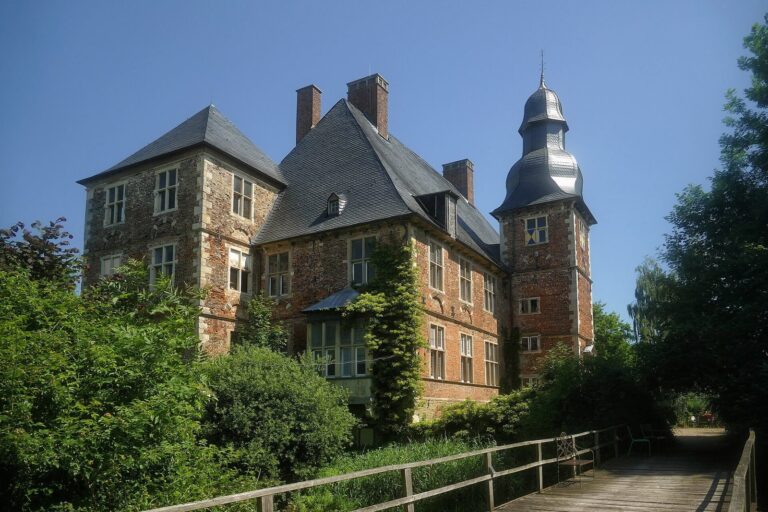
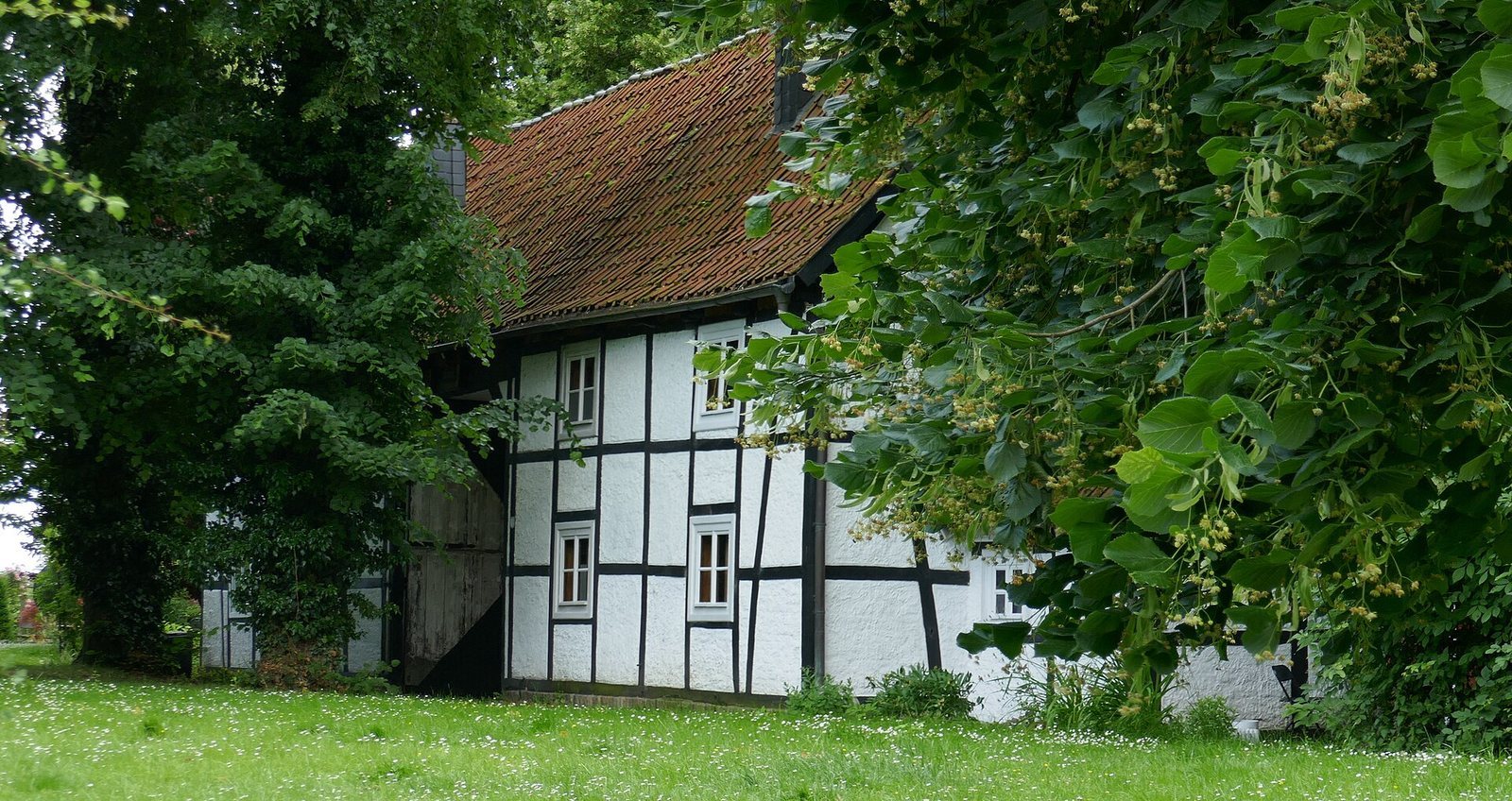
The preserved castle stands on low-lying terrain in Vellinghausen. Its east façade was adapted in the Baroque style, as was its half-hipped roof, which has short sloping sections at the ends of its gables. The entrance portal bears a double coat of arms combining the heraldic arms of the castle’s builder couple.
Interior
A Renaissance fireplace stands on the ground floor. The Renaissance was a European cultural and artistic movement that began in the late medieval period.