Castle of Fenffe: Seat of a Lordship in Belgium
Site at a Glance
- Rating
- 5
- Popularity
- Very Low
- Country
- Belgium
- Primary era
- Early Modern
- Eras represented
- Early Modern
- Civilizations
- Unclassified
- Site type
- Domestic
- Remains
- Castle
On this page10 sections
History
The lordship and its early owners
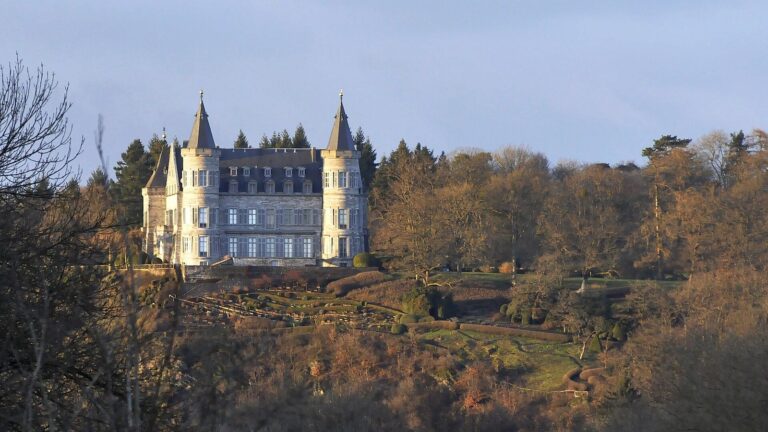
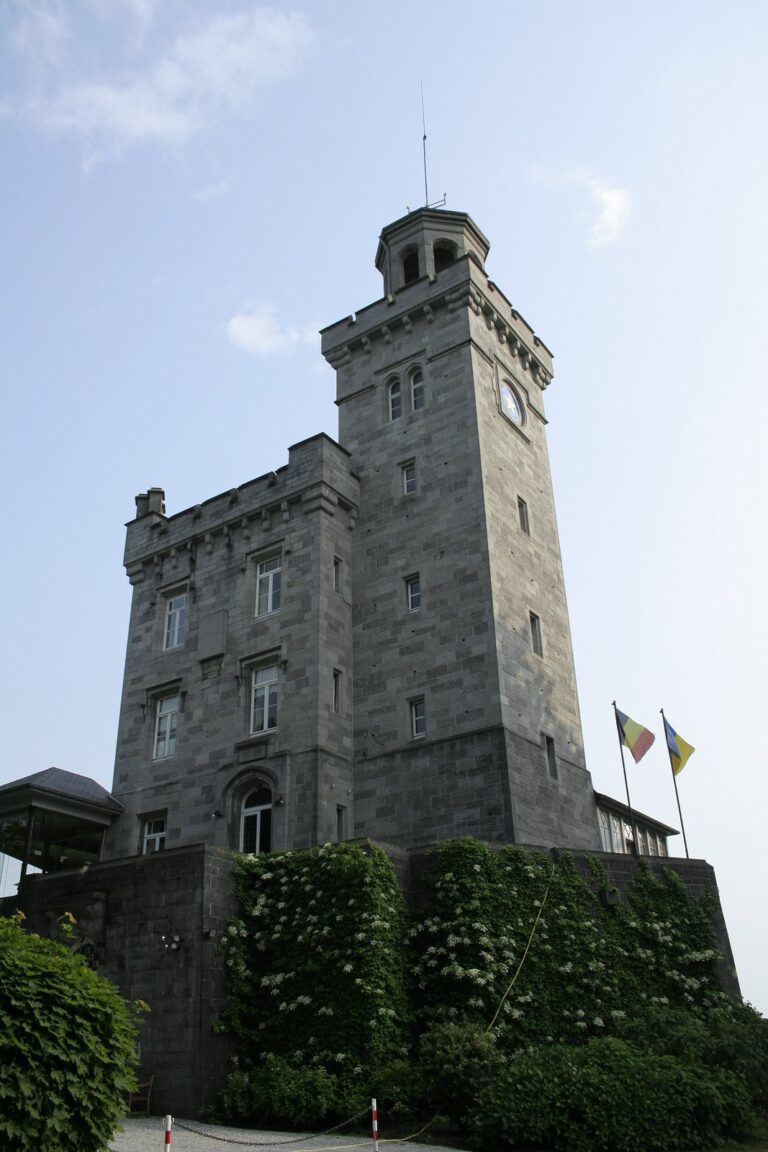
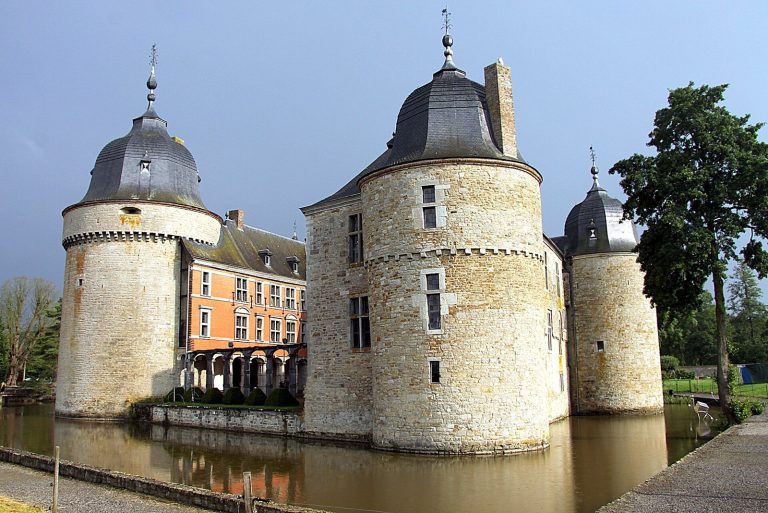
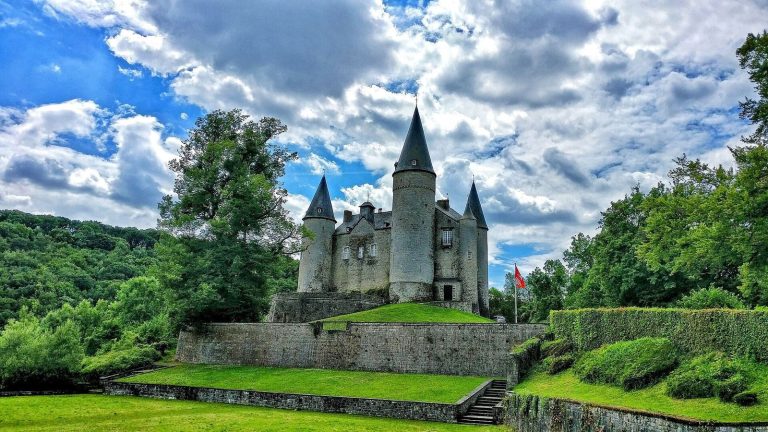
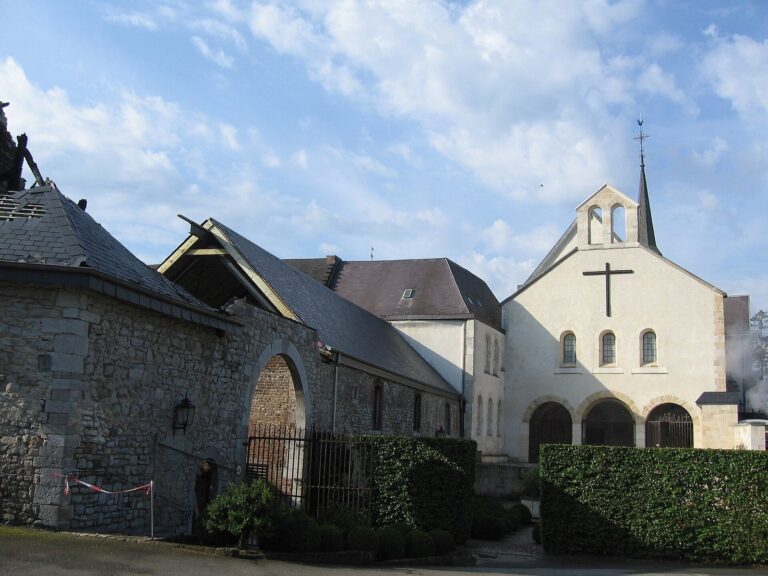
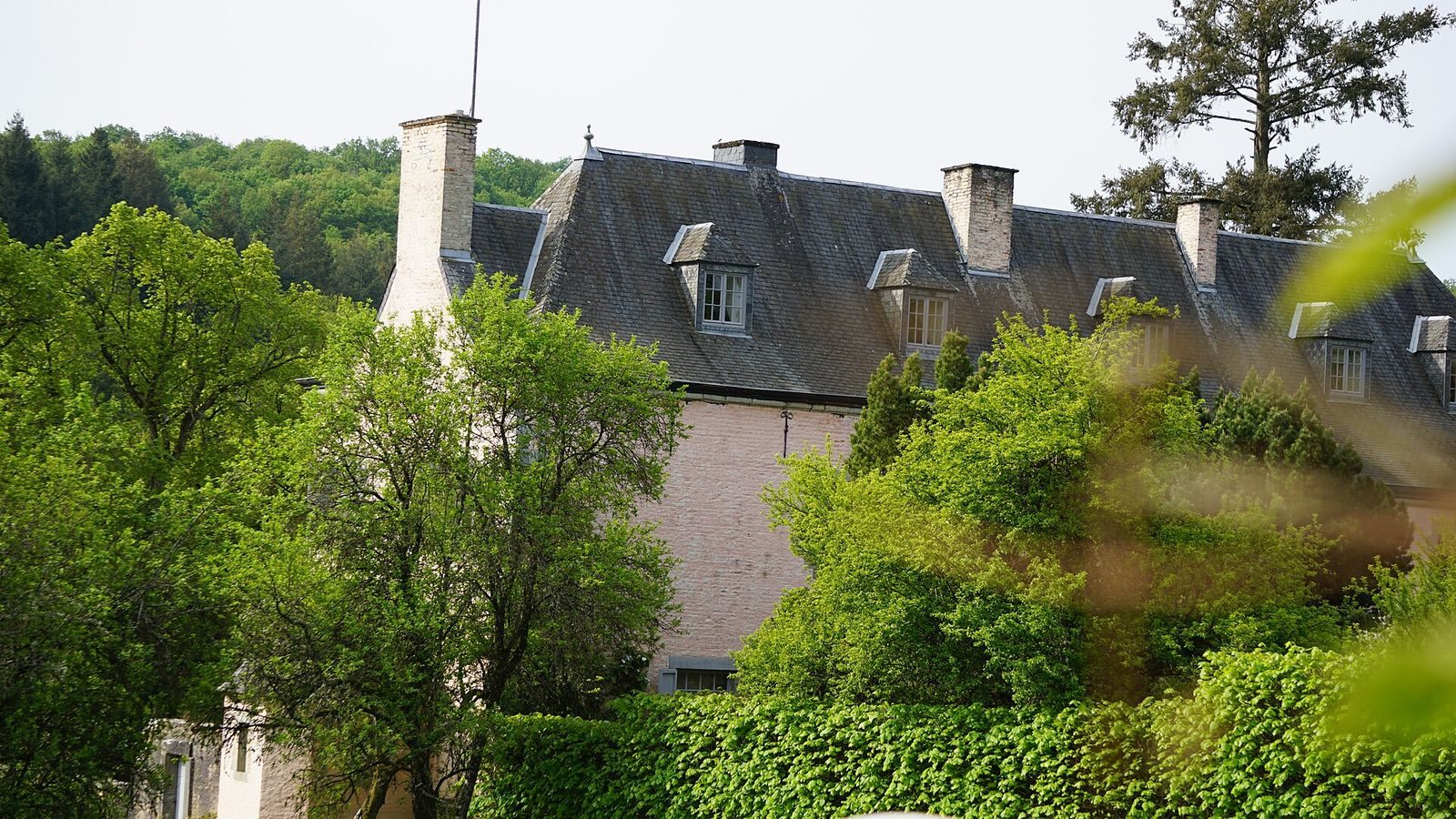
Castle of Fenffe is a sixteenth- to seventeenth-century castle in Belgium whose appearance is that of a fortified farm. It served as the seat of the lordship formed by Fenffe and the hamlet of Hérock. A lordship was a territory where a lord held authority and associated rights.
The estate belonged to the de Fenffe family by 1317. Through marriage, it passed to the De Waha family in the middle of the fourteenth century.
Transfers between noble and private owners
On 3 February 1580, Lambertine de Croÿ, Countess of Berlaymont and Lady of Hierges, purchased the estate. She later transferred it to Charles de Poitiers, a nobleman from the Liège region. On 26 June 1643, it passed to Jacques de Rouvroy.
In the eighteenth century, François-Joseph, governor of the County of Namur, acquired the estate. He sold it on 12 June 1784 to Théodore Delvaux, a physician in Rochefort. Delvaux’s descendants took the name Delvaux de Fenffe and held the estate until 1891.
Royal ownership and later use
In 1891, the Delvaux family sold the estate to King Leopold II of Belgium, who added it to the Royal Domain of the Ardennes, a royal estate in the Ardennes. In 1903, the castle and the king’s other properties were transferred to the Royal Donation, a Belgian public institution that manages property assigned for the royal family’s use.
After the royal family stopped using the castle, it was abandoned and fell into ruin after the Second World War. A fire damaged it in 1966. Major restoration in 1967–1968 made it a secondary residence for Prince Albert and Princess Paola.
When Albert became king in 1993, he and Paola moved to Ciergnon and made Fenffe available to their children. They are also identified as the castle’s last residents, leaving in 2014 because rent and maintenance costs had become unaffordable.
Remains
The castle and its associated features
The remains comprise the castle, features on its grounds, and a separate building between the castle and the road. The castle has the appearance of a fortified farm.
Main castle
The castle is dated to the sixteenth and seventeenth centuries. Its present arrangement dates to the late sixteenth century.
Garden and park
The grounds include a garden, a terrace overlooking a body of water, and a park with old oak trees.
Chapel
A chapel on the grounds dates to 1717.
Roadside building and towers
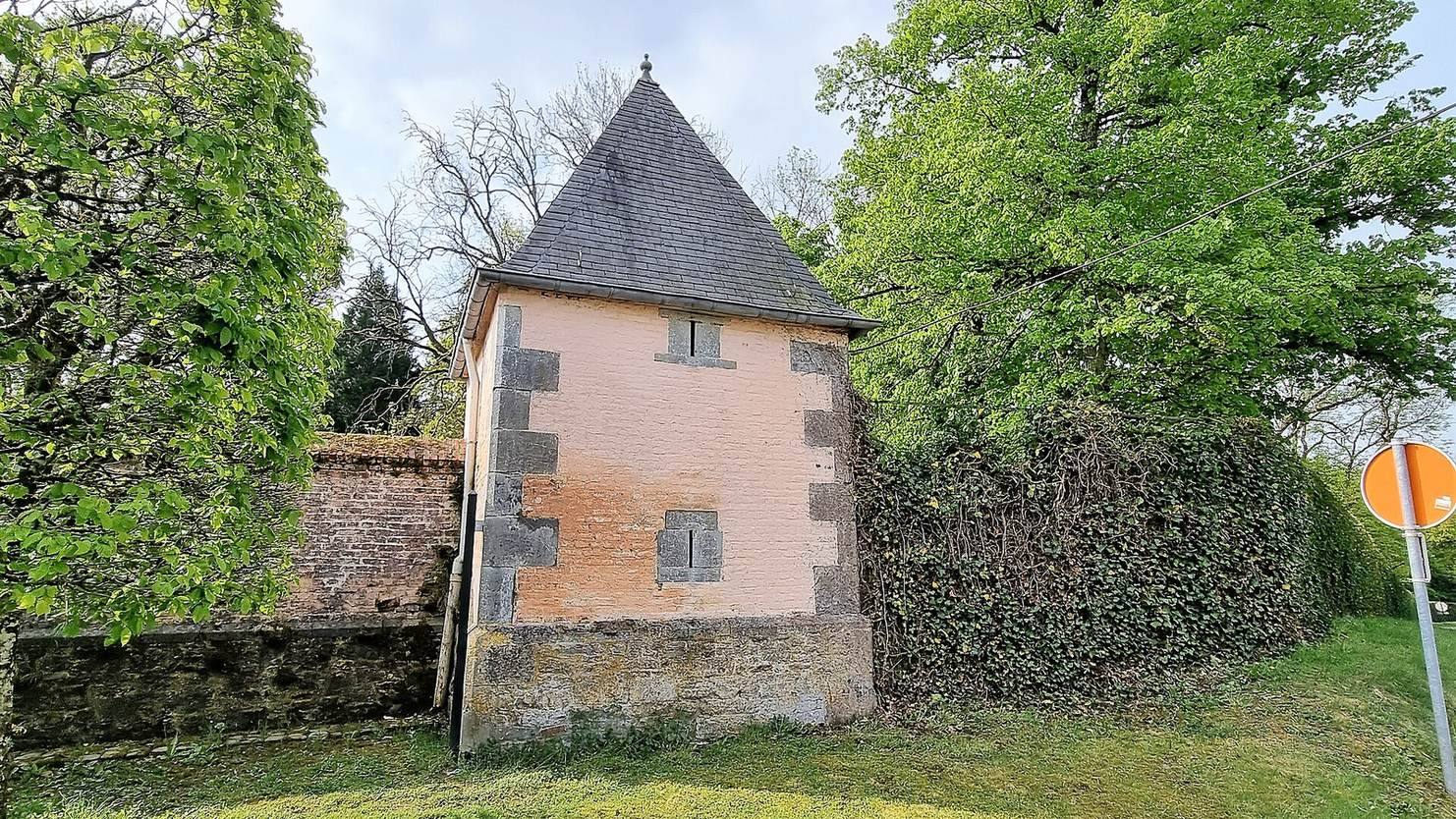
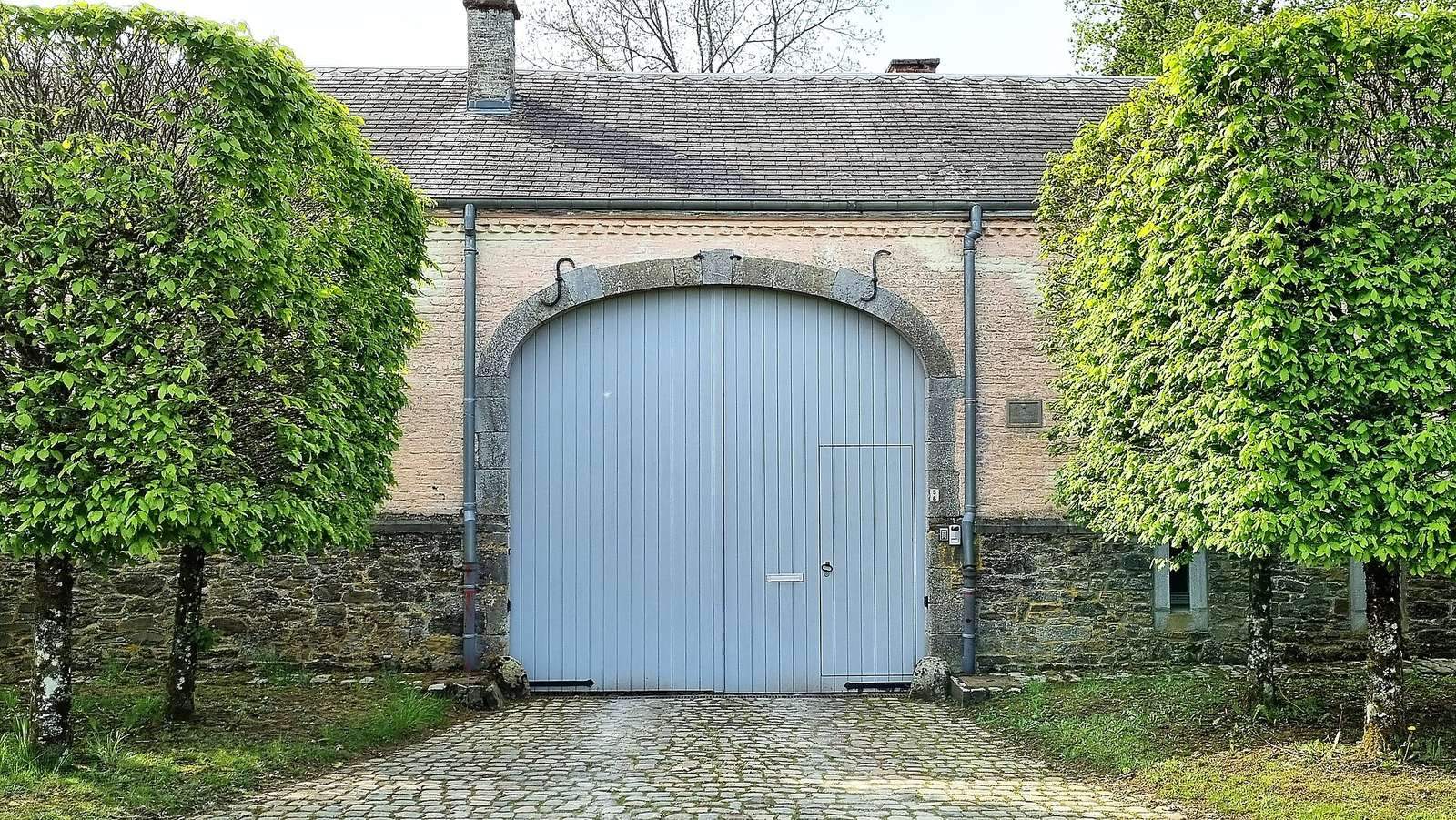
A low, elongated building stands between the castle and the road, flanked by two towers. The left-hand tower serves as a dovecote, a structure for housing pigeons.