Starý Jičín Castle: A Medieval Frontier Stronghold in Czechia
Site at a Glance
- Rating
- 4.7
- Popularity
- High
- Country
- Czechia
- Primary era
- Medieval
- Eras represented
- Medieval, Early Modern
- Civilizations
- Habsburg, Holy Roman Empire, Margraviate of Moravia
- Site type
- Military
- Remains
- Castle
On this page7 sections
History
Starý Jičín Castle is a medieval stronghold in Czechia, probably founded in the late 12th or early 13th century by Arnold of Hückeswagen, a local landholder from a medieval noble family. It guarded a trade route between the Adriatic and Baltic seas and helped protect the Kingdom of Bohemia’s border with Poland and Hungary. In the 16th century, the Žerotín family enlarged it in the Renaissance style.
Foundation and early ownership
The castle was built on the site of a wooden fortress and is first mentioned in 1240. Arnold’s local estates later developed into the Hukwald domain. His son Franco inherited the property and sold it to Bruno of Schaumburg, Bishop of Olomouc, between 1252 and 1258. Franco kept part of the former estates as a fief, land held in return for service or obligations, and moved his residence to Hukwald. The Hückeswagen family had settled in the foreland of the Moravian Beskids between 1220 and 1240 and was also credited with building Hukwald Castle.
Changing name and lordship
The castle was first called Gyczyn, then Jičín. From 1397, it was known as Starý Jičín, a name that distinguished it from Nový Jičín. The associated feudal domain belonged to the Lords of Kravaře and, from 1500, the Žerotín family, a Moravian noble house.
Capture and decline
Danish forces captured the castle in 1626 during the Thirty Years’ War, a major European conflict fought from 1618 to 1648. It later served as a storehouse, but by the 18th century it had been abandoned and was falling into ruin.
Remains
Walls and Renaissance palace
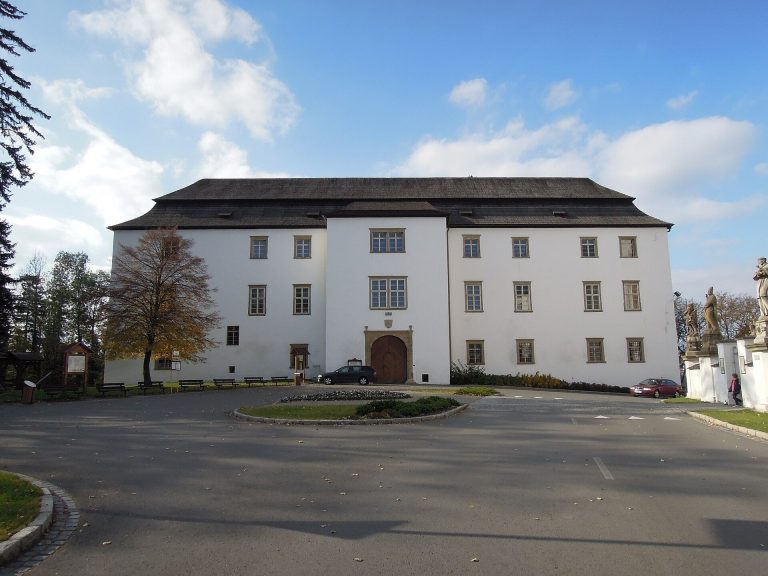
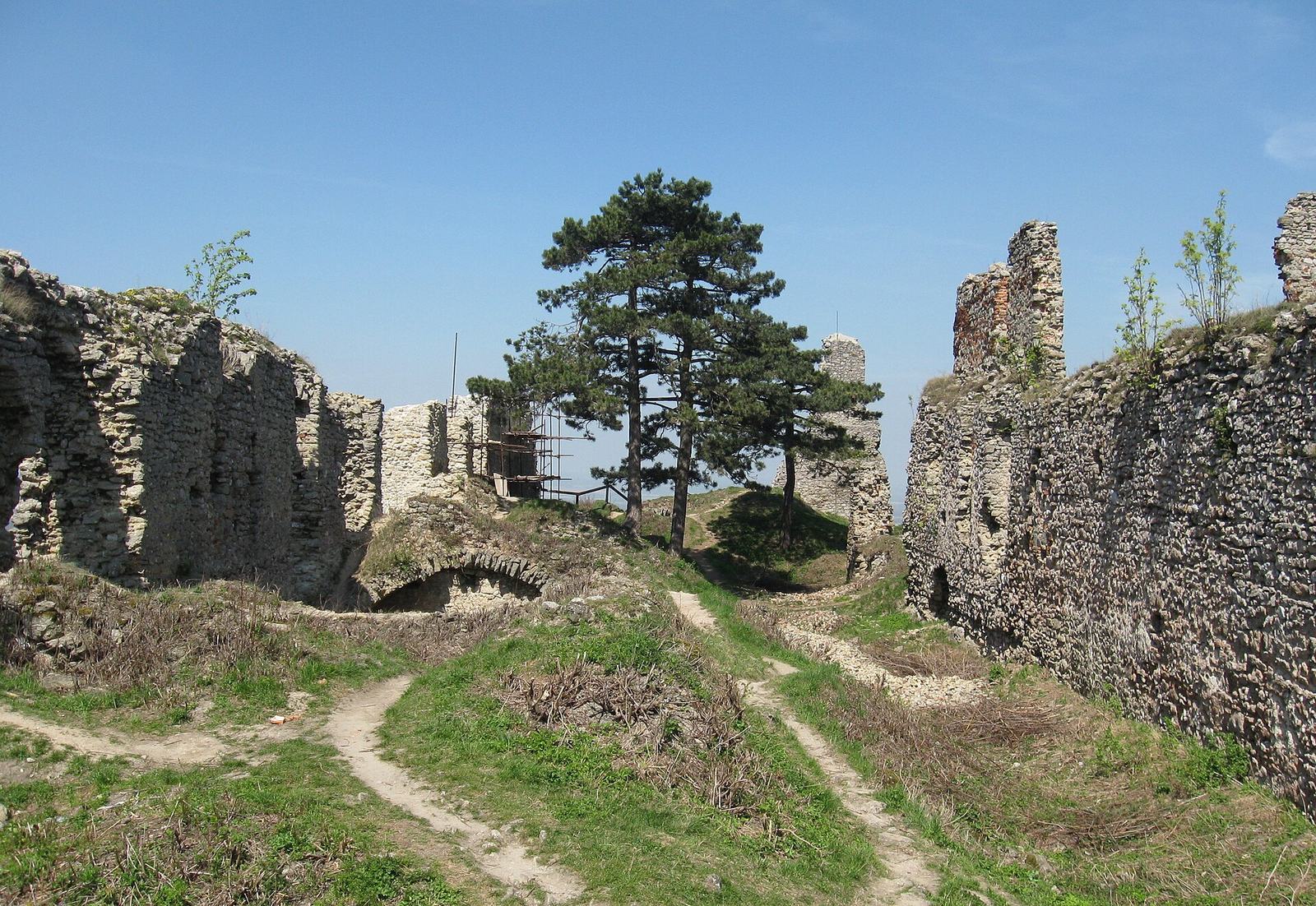
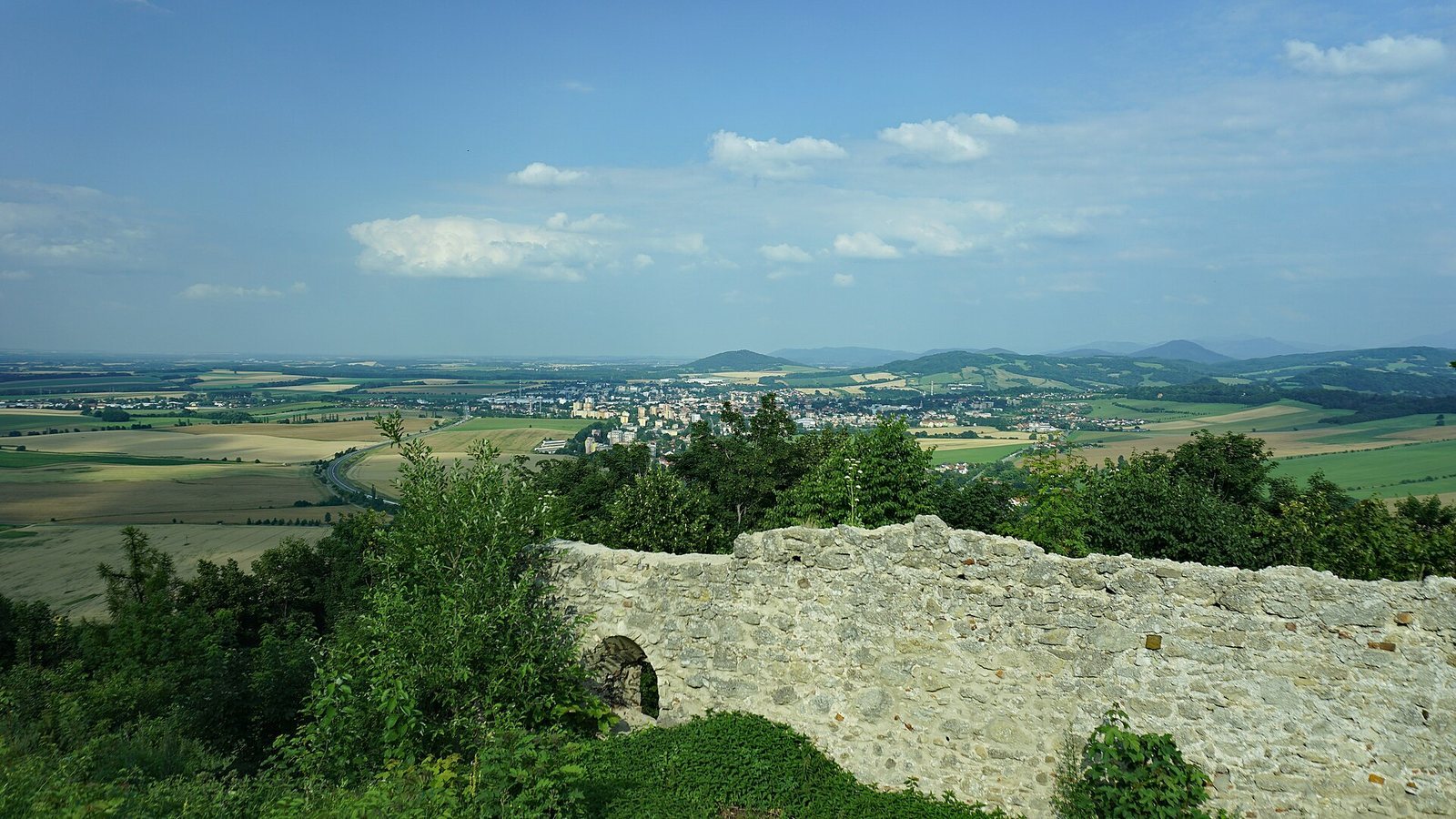
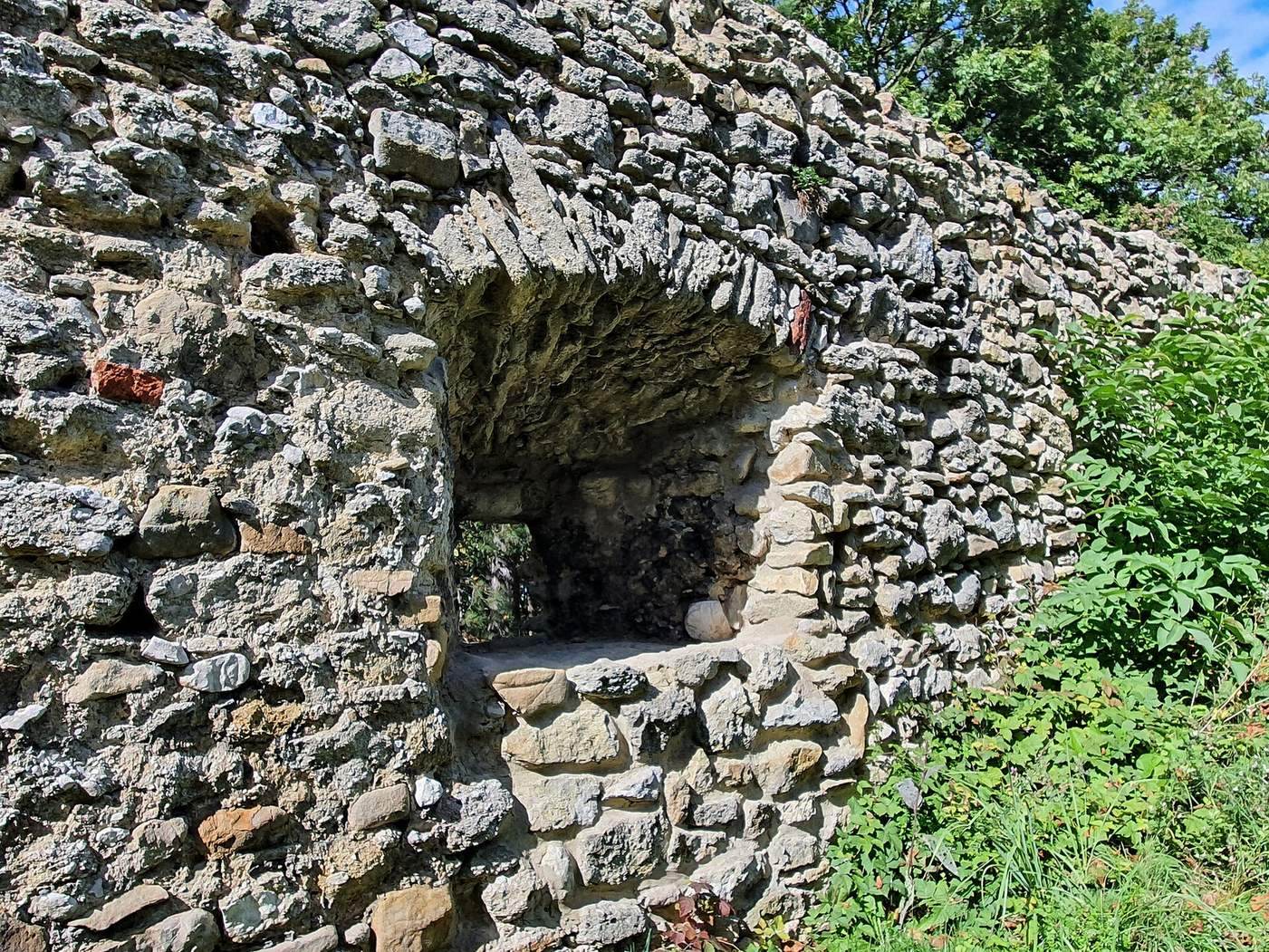
The ruins occupy Starojický Hill southwest of Nový Jičín. The hill is listed at 486 m above sea level, while the castle stands at 473 m. The surviving fabric includes the castle foundations, fragments of defensive walls and fortifications, and inner spaces with vaulted, curved ceilings. The outer casing of a Renaissance palace also survives.
Entrance tower
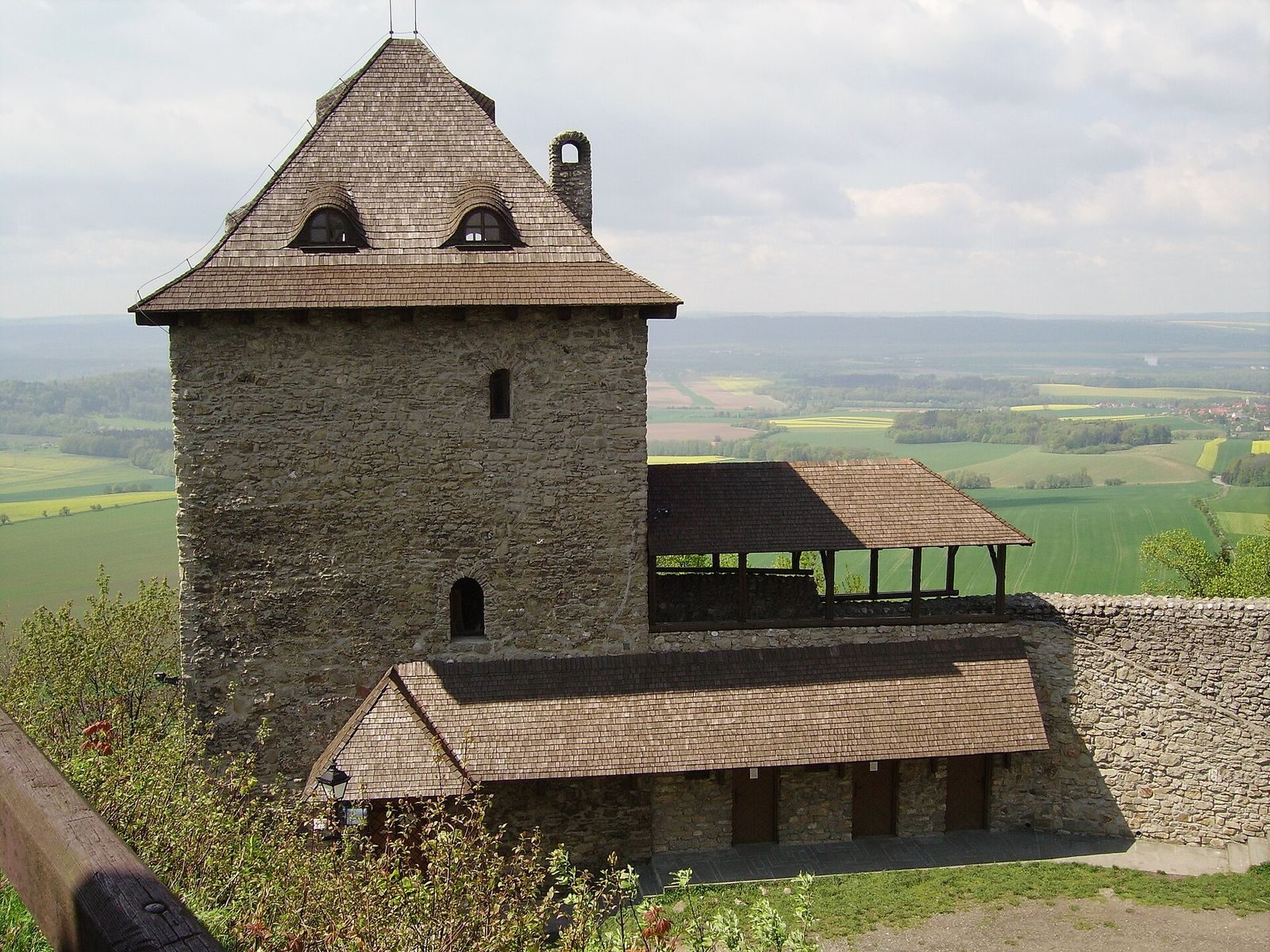
A partly preserved, prism-shaped tower is associated with the entrance gate. The castle tower was reconstructed in 1996, and historical weapons are displayed inside it.