Bollerup Castle: A Medieval Estate in Sweden
Site at a Glance
- Popularity
- Medium
- Country
- Sweden
- Primary era
- Medieval
- Eras represented
- Medieval, Modern
- Civilizations
- Danish, Swedish
- Site type
- Military
- Remains
- Castle
On this page8 sections
History
Medieval origins and development
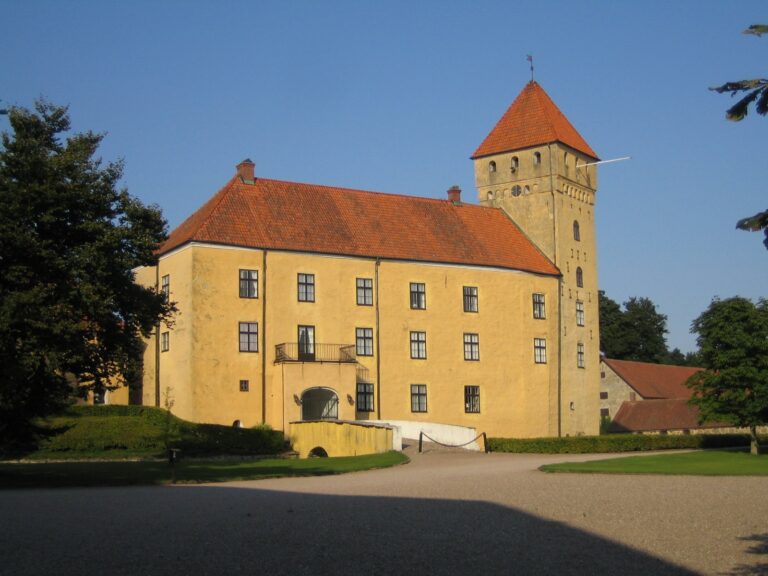
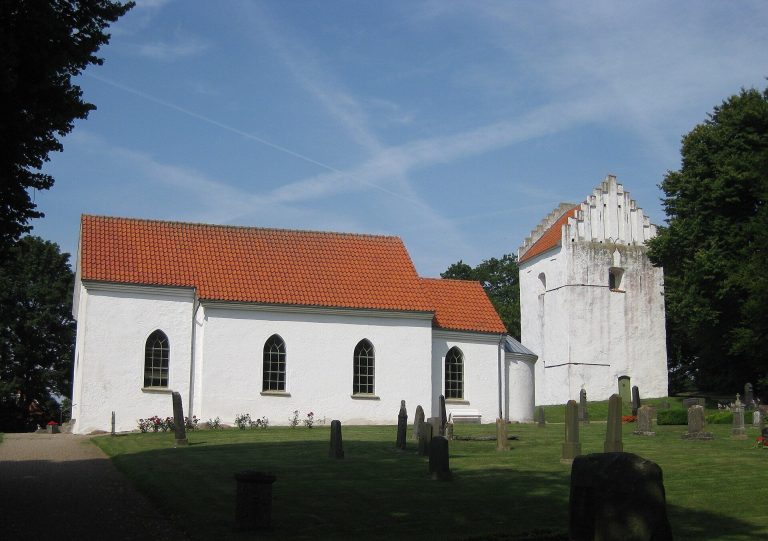
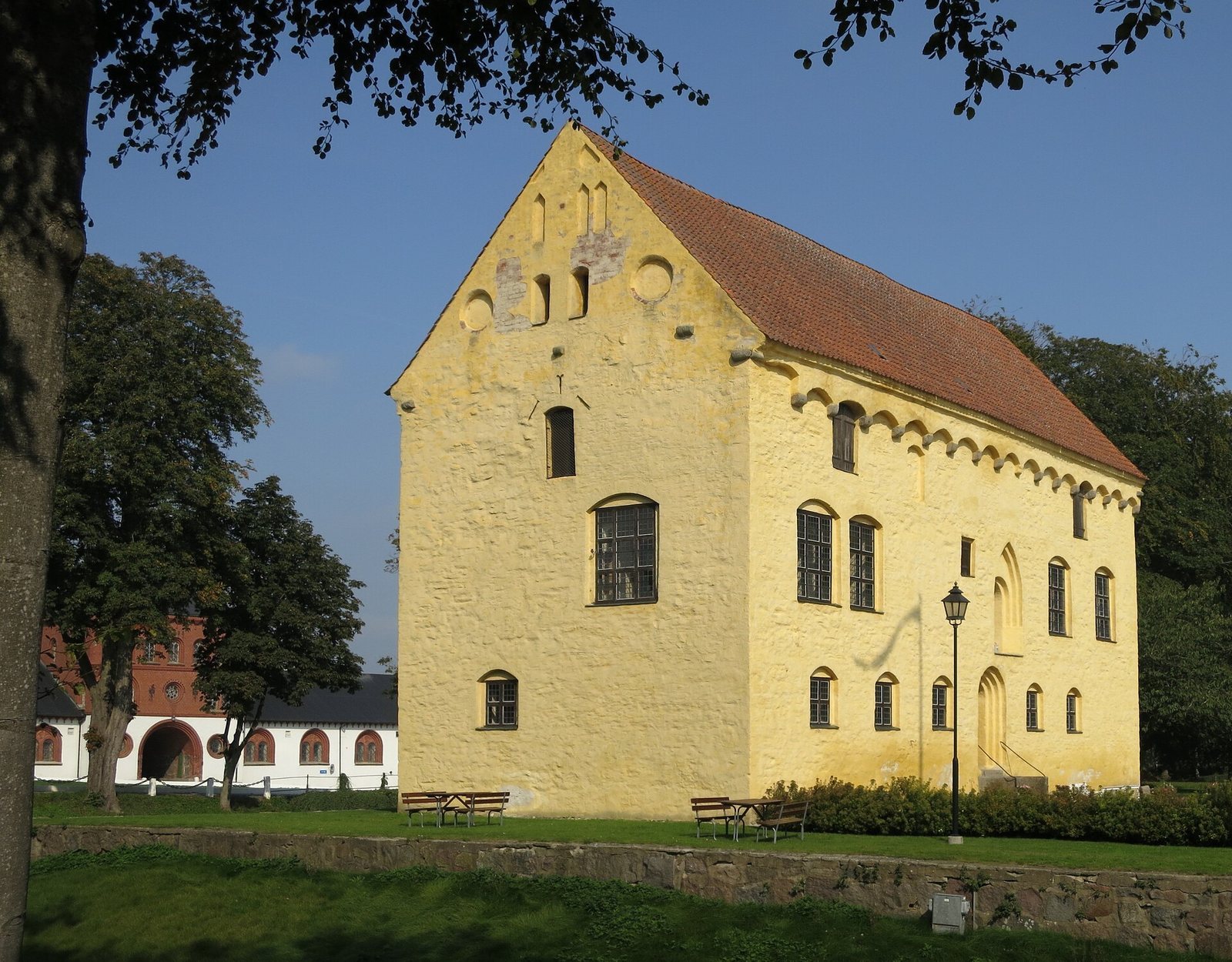
Bollerup Castle is a medieval castle in Tomelilla Municipality, Scania, Sweden. It dates to the 12th century, though its first written mention came in the mid-13th century, suggesting that the site was already established by then. During the Middle Ages, influential noble families held the estate, and the adjoining medieval church also reflects the site’s early importance. The castle’s present form dates to about 1460.
Destruction and later use
An uprising in 1525 left the castle burned, after which it was restored. Its condition later deteriorated: about 150 years afterward, it had neither a roof nor proper floors. The building was eventually adapted as a granary and continued in that use until a restoration in the mid-20th century. It now forms part of an upper secondary school specializing in the use of natural resources.
Remains
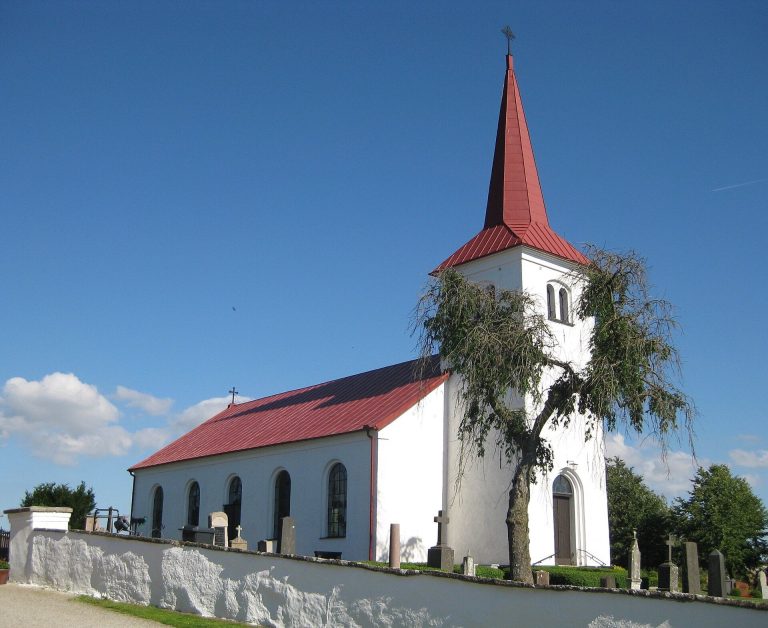
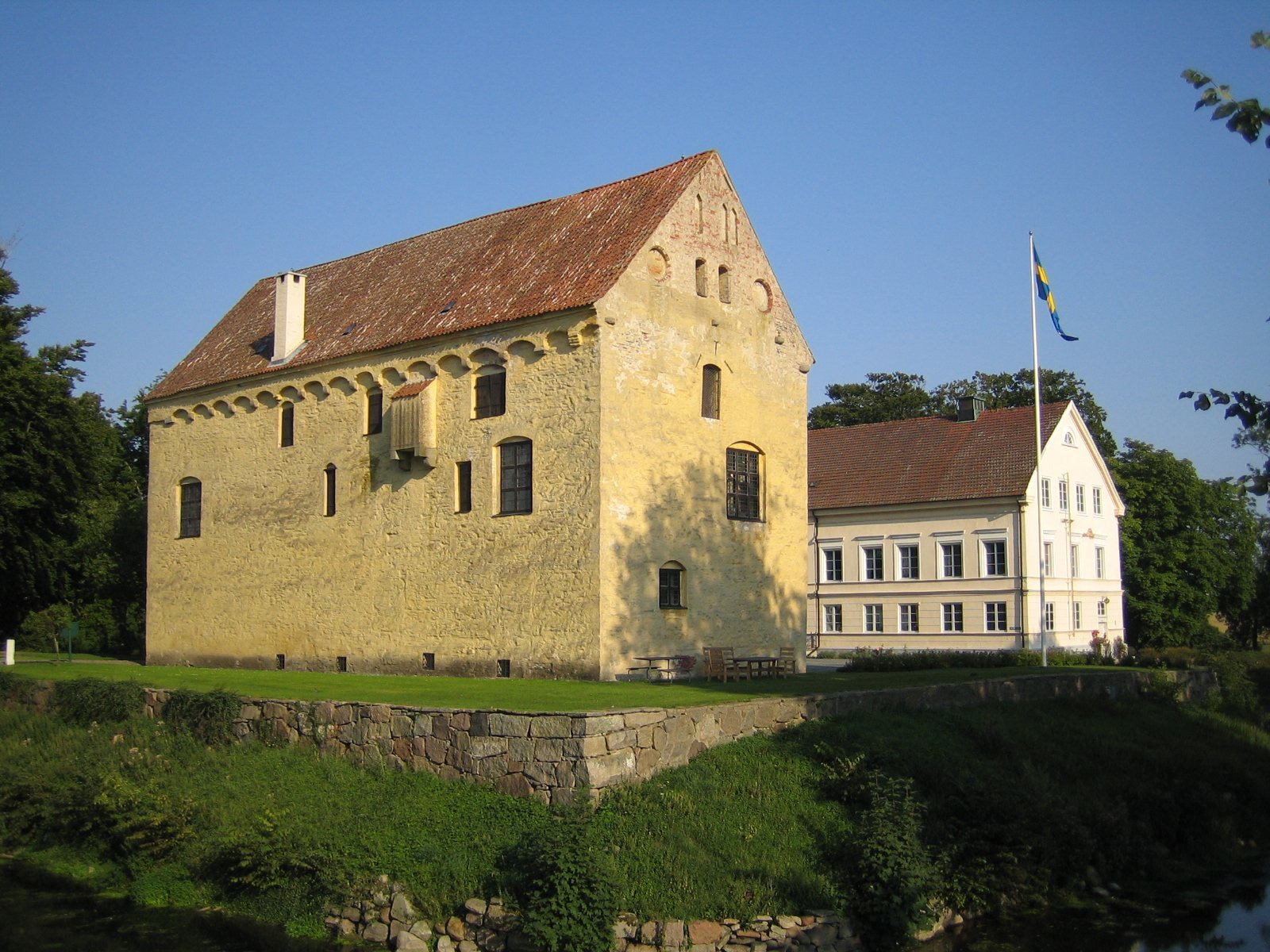
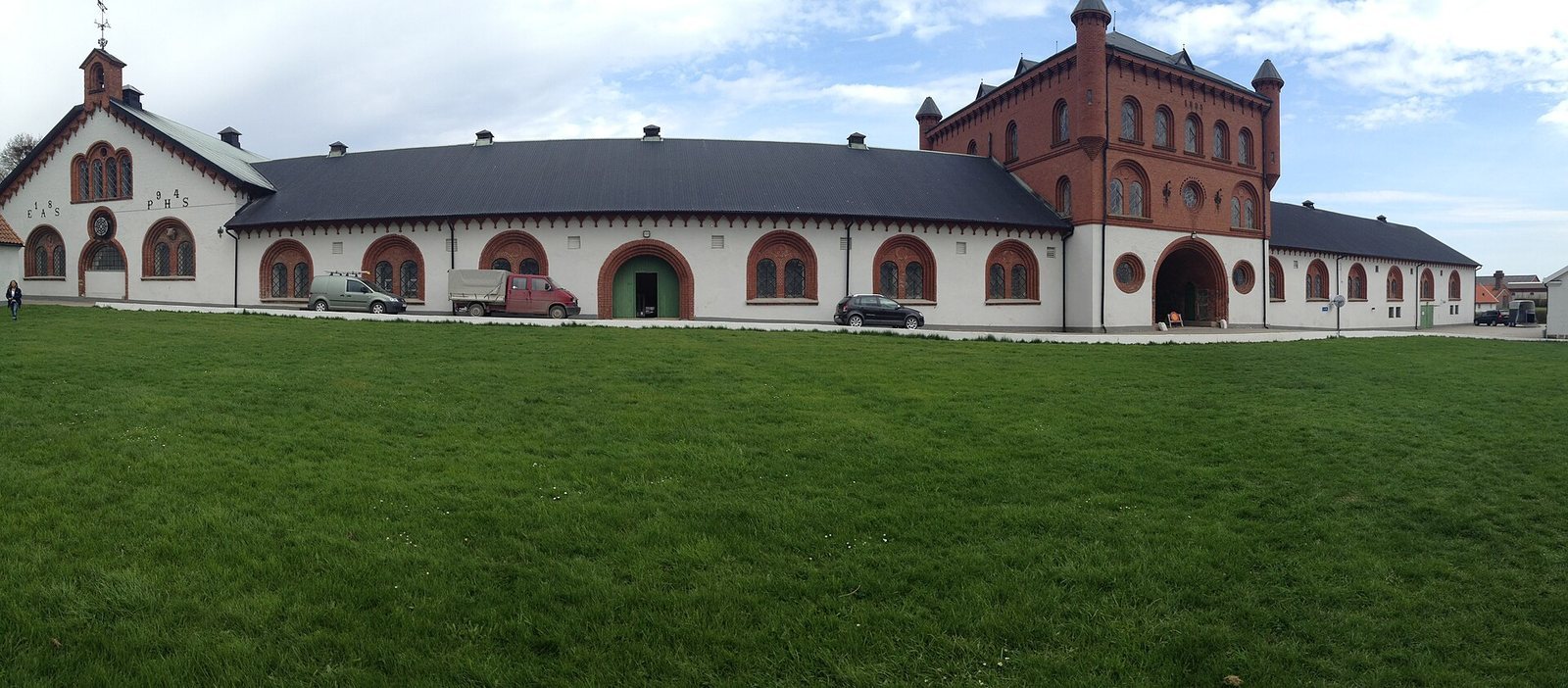
The site includes a rectangular stone castle building, an opposing wing dating from around 1850, and a medieval church beside the castle. The main building combines medieval features with later changes.
Main castle building
Plan and exterior
The rectangular stone building may have formed by joining several earlier structures. One may have been a keep, the castle’s principal fortified tower, or a tower house, a fortified residence organized around a tower-like building. The castle complex was probably enlarged during the Middle Ages with a moat and other defenses.
On the south façade, a band of masonry beneath the roof once supported battlements that provided positions for archers. The façade also has blind arches, decorative arches set into the wall without openings, in the Brick Gothic style, which uses brick as a principal building material. A medieval projecting dansker, a castle latrine tower, survives, along with traces of several exterior staircases. The original castle had no internal stairs.
Interior rooms
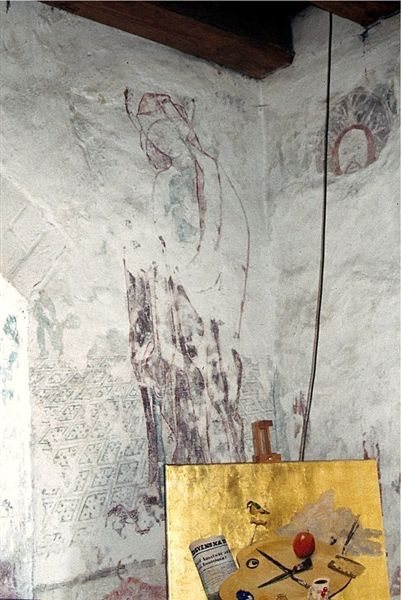
Several large rooms have arched ceilings supported by granite pillars. Faded frescoes remain on their surfaces, and the rooms have been restored. Their design combines late Gothic and early Renaissance influences.
Opposing wing and church
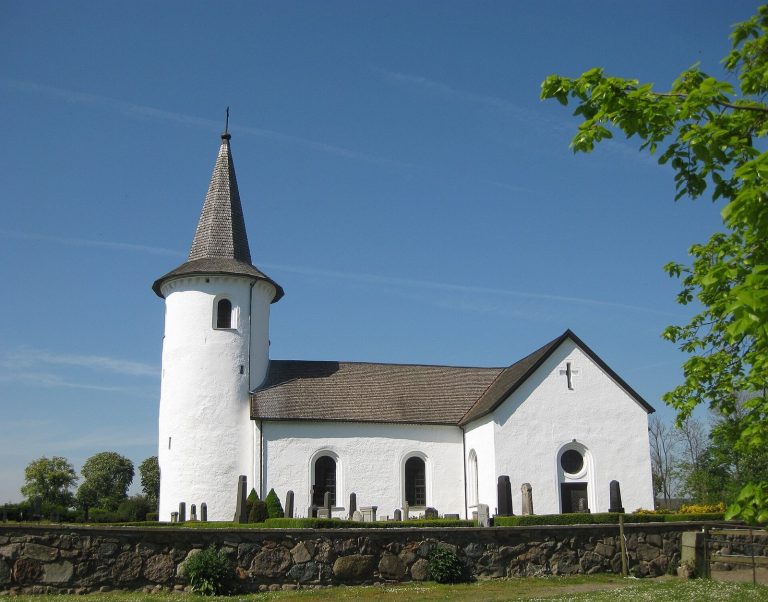
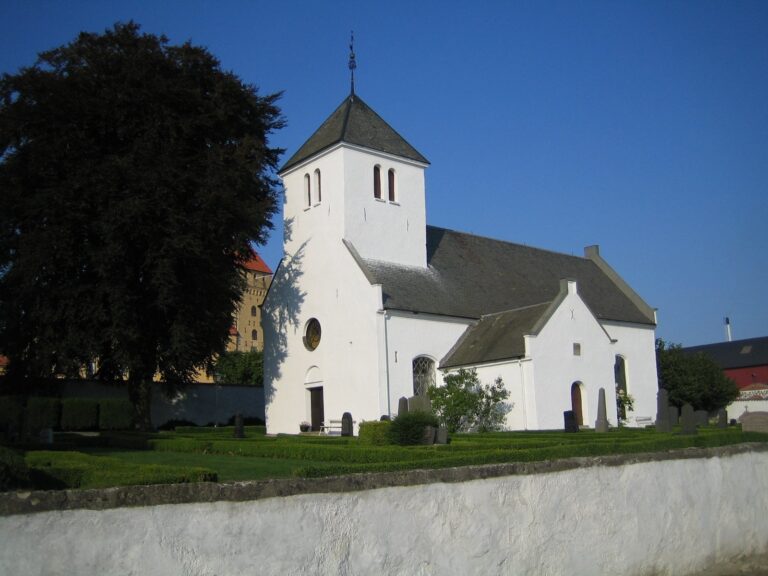
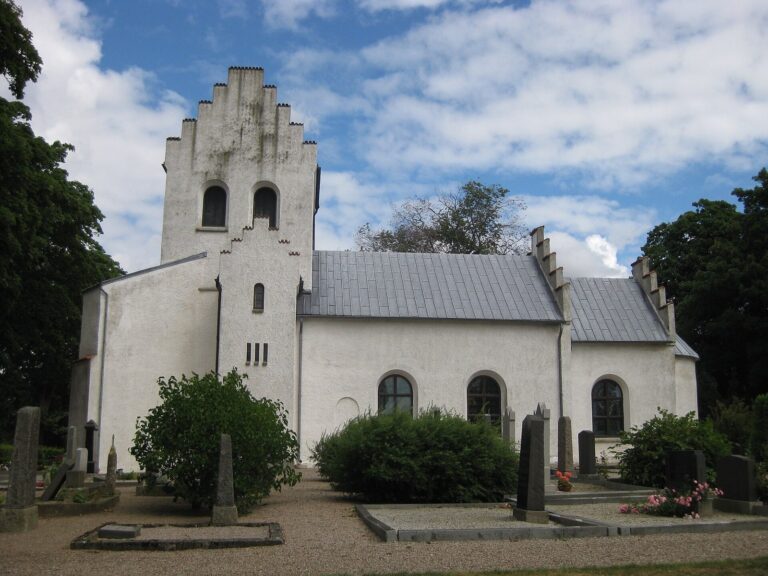
A wing of similar length to the old castle building stands opposite it. Built around 1850, it is neoclassical in style. The medieval Bollerup Church stands beside the castle.