Barsebäck Castle: A Historic Estate in Scania
Site at a Glance
- Popularity
- Medium
- Country
- Sweden
- Primary era
- Modern
- Eras represented
- Early Modern, Modern
- Civilizations
- Swedish
- Site type
- Domestic
- Remains
- Castle
On this page4 sections
History
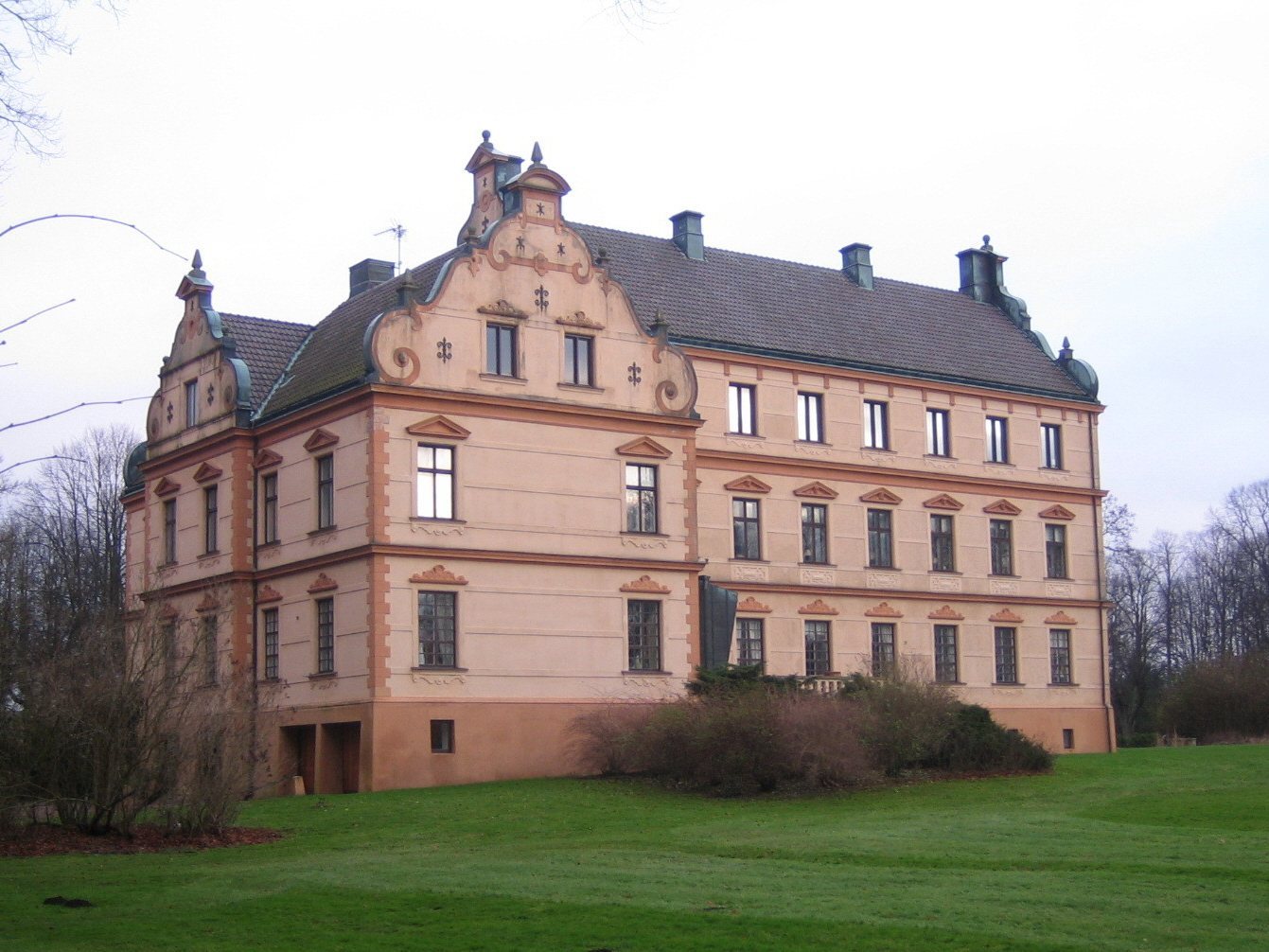
Barsebäck Castle is a castle and estate in Barsebäck village, Kävlinge Municipality, in Scania, southern Sweden, near the Öresund shore. The estate is recorded from the 12th century, and a castle has occupied its present site in successive forms since then. The castle was built in 1680, and its present main building is a 19th-century reconstruction.
Danish Ownership and Crown Confiscation
The estate passed through several Danish noble families, including the Thotts, who held estates in Scania. After the Scanian War, a conflict between Sweden and Denmark-Norway from 1675 to 1679, the Swedish Crown confiscated the castle and its lands. The Crown also seized other castles belonging to the Scanian branch of the Thott family, making them Crown property.
Hamilton Ownership and Rebuilding
In 1743, the Crown sold Barsebäck to Gustaf David Hamilton, a Swedish count, colonel, and regimental commander then stationed in Malmö. An entail, a legal arrangement restricting inheritance to a designated line, was established for the estate in 1767. Hamilton’s descendants have continued to own it, and the present owner is a distant relative of his. The estate includes about 1,000 hectares of farmland. Major renovation and rebuilding took place in 1889 and 1940; architect Grandsow prepared plans for expansion and restoration in 1889.
Remains
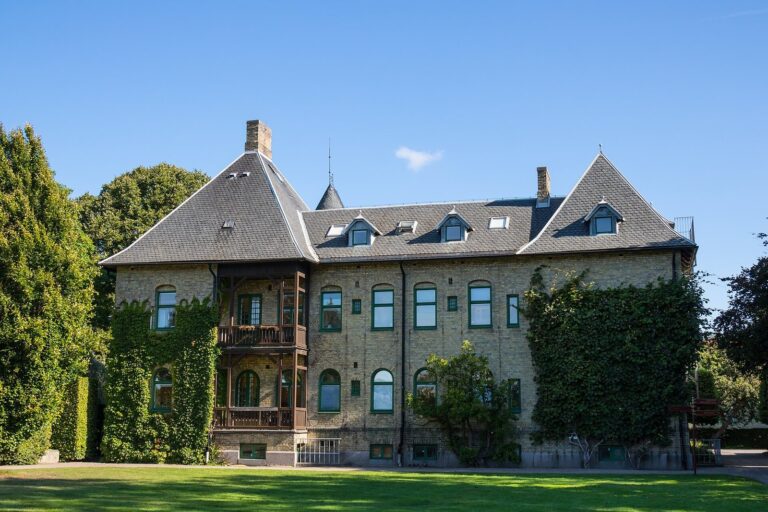
The principal surviving structure is a three-storey main building. Reconstructed in the 19th century, it combines Dutch Renaissance design with Flemish Renaissance influences in the regional Scanian neo-Renaissance style. Its characteristic gables contribute to an appearance intended to recall Renaissance castles in the Scanian landscape.