Lubomirski Palace in Krakow: An Aristocratic Residence
Site at a Glance
- Popularity
- Medium
- Country
- Poland
- Primary era
- Modern
- Eras represented
- Early Modern, Modern
- Civilizations
- Austria-Hungary, Habsburg, Polish–Lithuanian Commonwealth
- Site type
- Domestic
- Remains
- Elite Residence
On this page7 sections
History
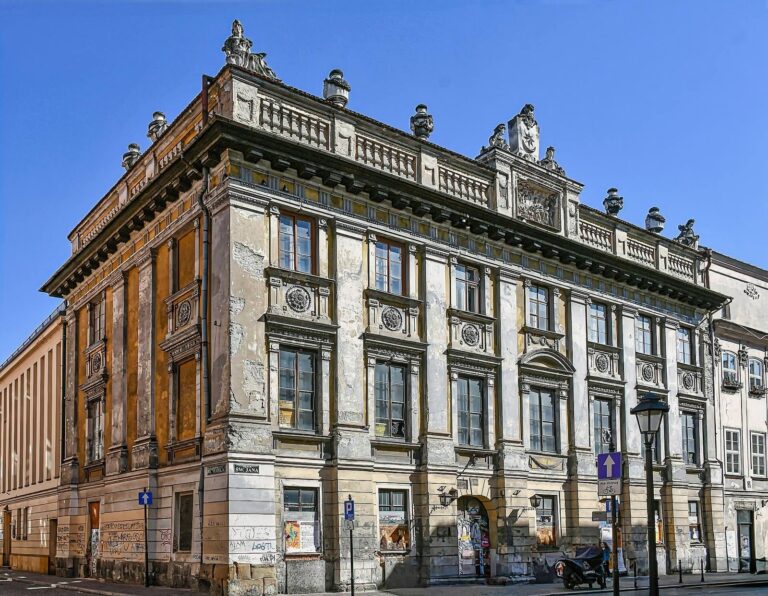
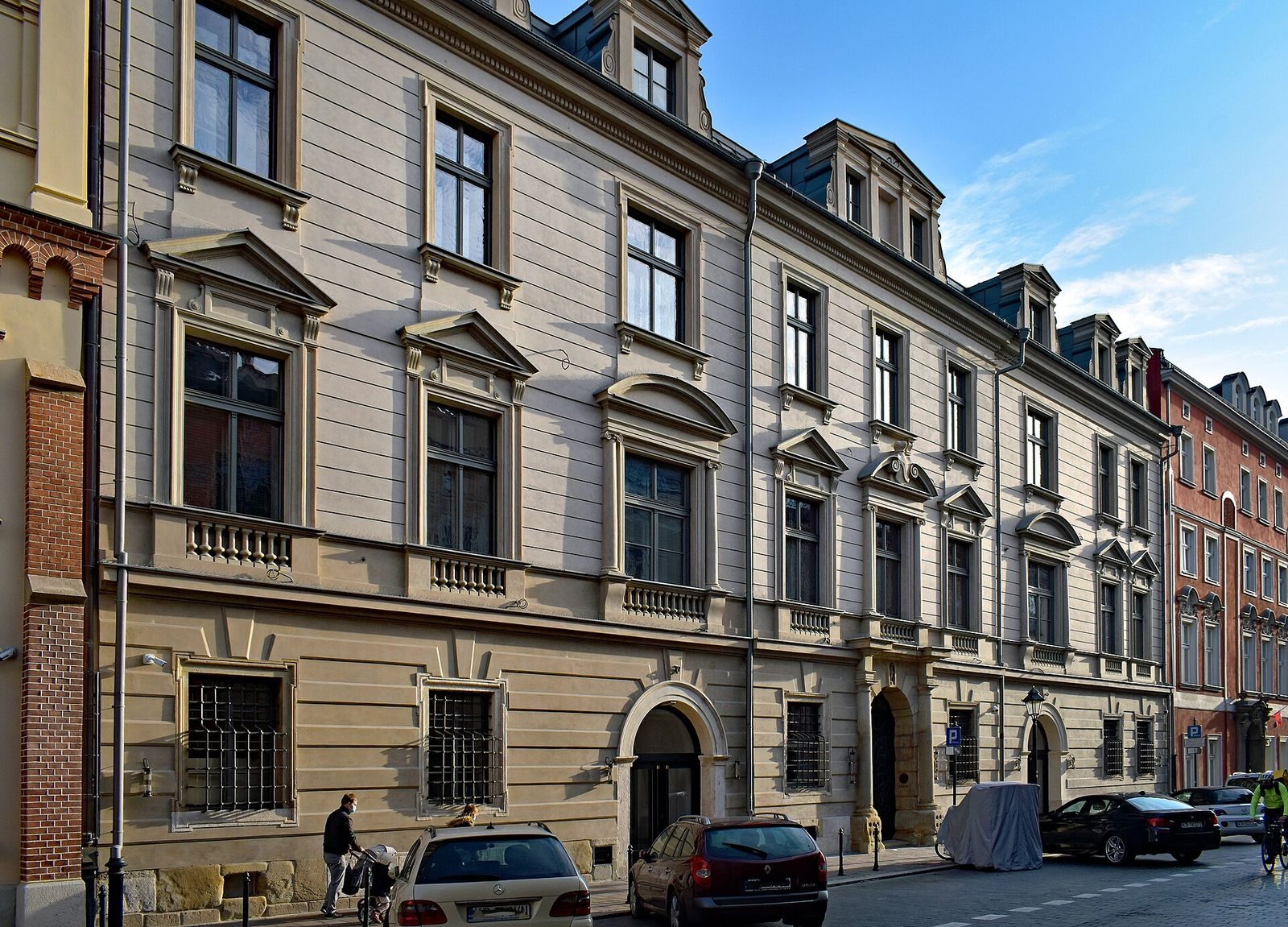
Lubomirski Palace is an eighteenth-century aristocratic residence at 15 St John Street in Krakow, Poland, formed through the joining and rebuilding of three townhouses in the seventeenth century. It became a center of social life in historic Krakow and hosted an exhibition of antiquities and works of art in 1858.
Czartoryski and Lubomirski ownership
In the mid-eighteenth century, the residence belonged to Prince Józef Klemens Czartoryski. From the second half of the nineteenth century, it was owned by the Lubomirski family, who assembled a valuable collection of paintings and furniture there.
Remodelling and later use
In 1873–1874, architect Maksymilian Nitsch remodelled and enlarged the former Czartoryski palace for a princess of the Lubomirski family. The work joined townhouses, added a second storey and established the building’s present appearance.
After the Second World War, the palace served several purposes. The French Institute, a cultural institution focused on French language and culture, occupied it from 1946 for 53 years. Minor repairs were also made in the postwar period. The palace is listed in Poland’s register of historic monuments, with registration dates of 17 December 1932 and 11 May 1973.
Remains
Surviving architecture
Facade and entrance
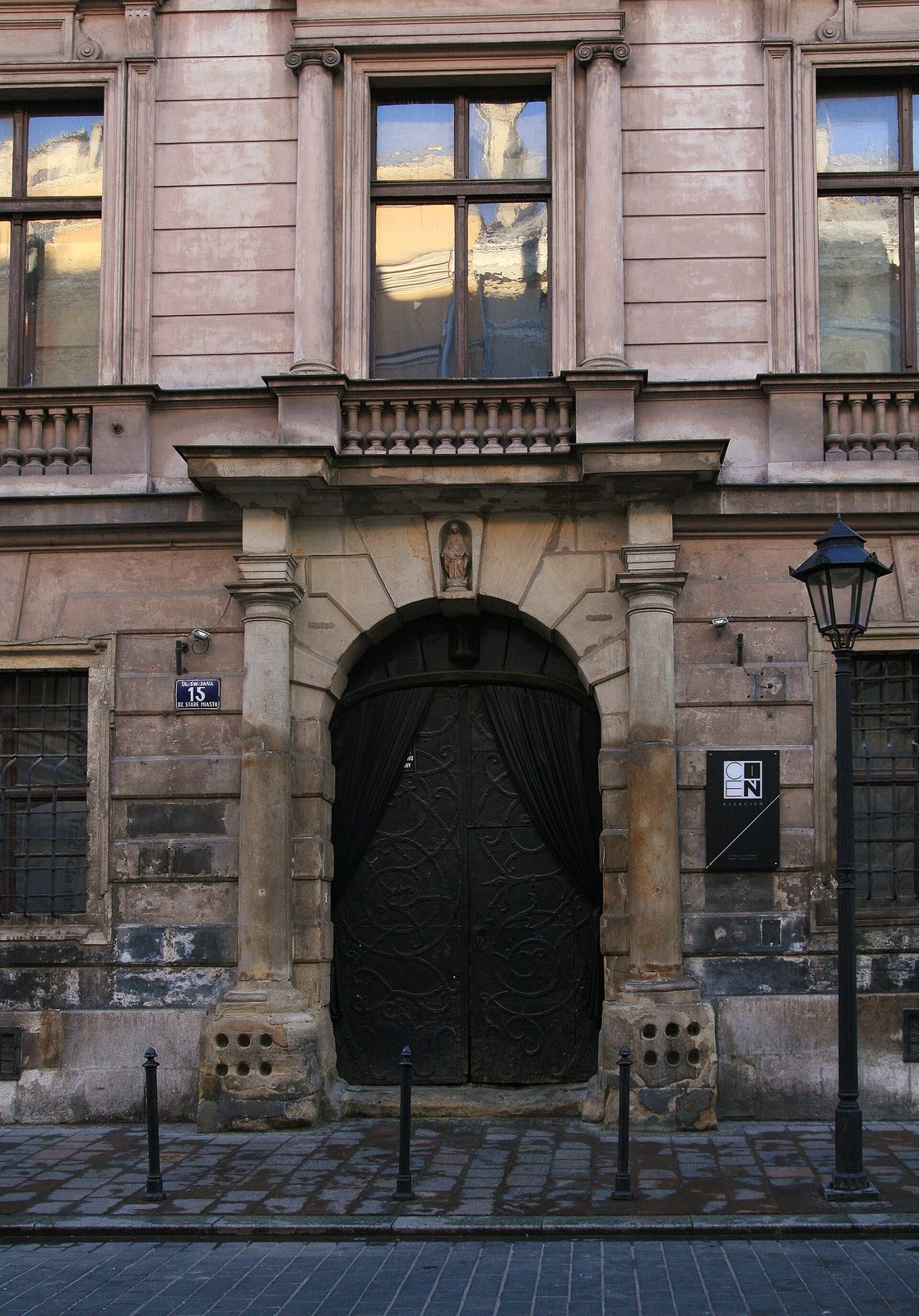
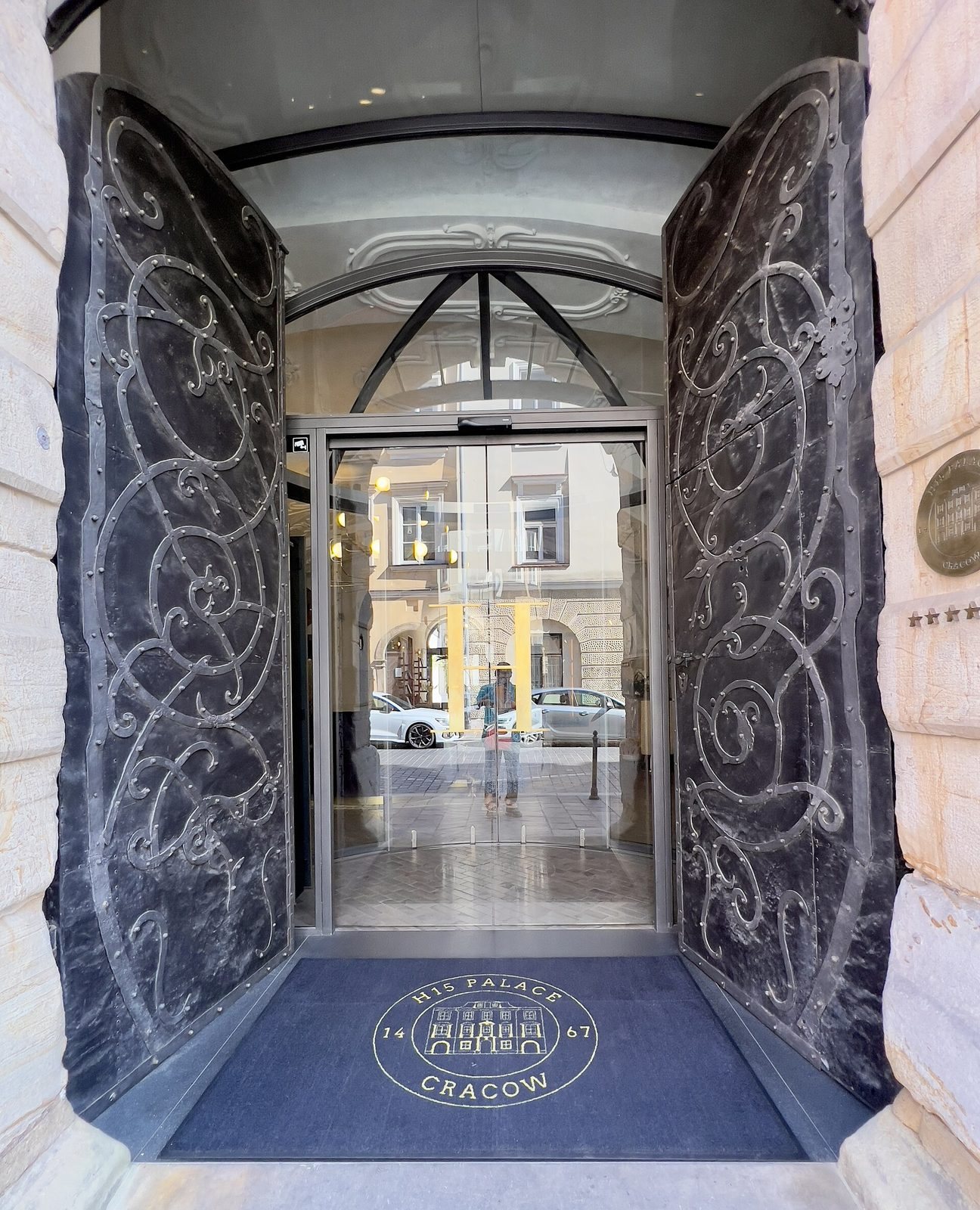
The palace’s facade is Neo-Baroque, a later revival of Baroque architectural forms. Eighteenth-century gate fittings, including a knocker, survive at the entrance. A Baroque portal carries the Szreniawa coat of arms, a heraldic emblem of the Lubomirski family. Baroque stuccowork, decorative plasterwork, remains in the large carriage passage.
Principal floor
The representative first-floor interiors, the palace’s principal level for formal rooms and reception, retain much of their former grandeur.