Bardak Siah Palace: An Achaemenid Palace in Iran
Site at a Glance
- Popularity
- Medium
- Country
- Iran
- Primary era
- Iron Age
- Eras represented
- Iron Age
- Civilizations
- Achaemenid
- Site type
- Domestic
- Remains
- Palace
On this page5 sections
History
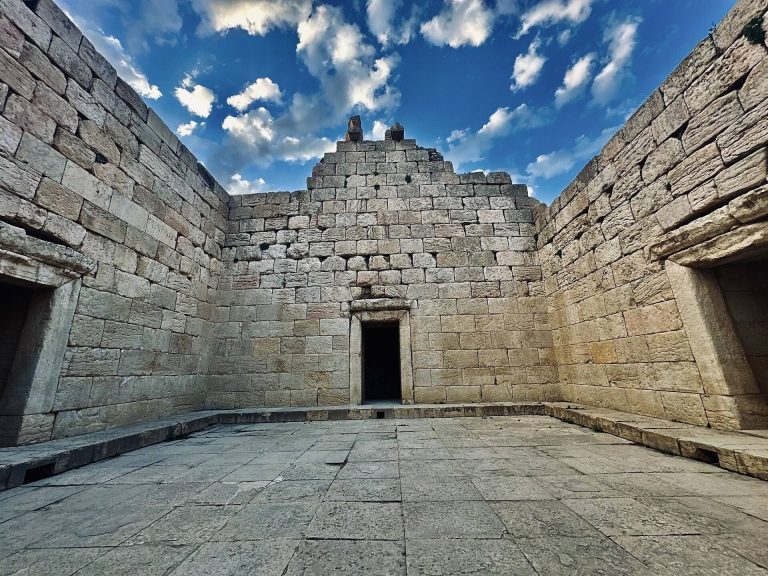
Bardak Siah Palace is a sixth-century BCE palace of the Achaemenid Persians in Iran. The Achaemenids were a Persian ruling dynasty that established an empire in the ancient Near East.
Iranian archaeologists led by Esmaeil (Ehsan) Yaghmaei discovered the site in 1977. Further excavation in 2005 brought additional finds to light.
Remains
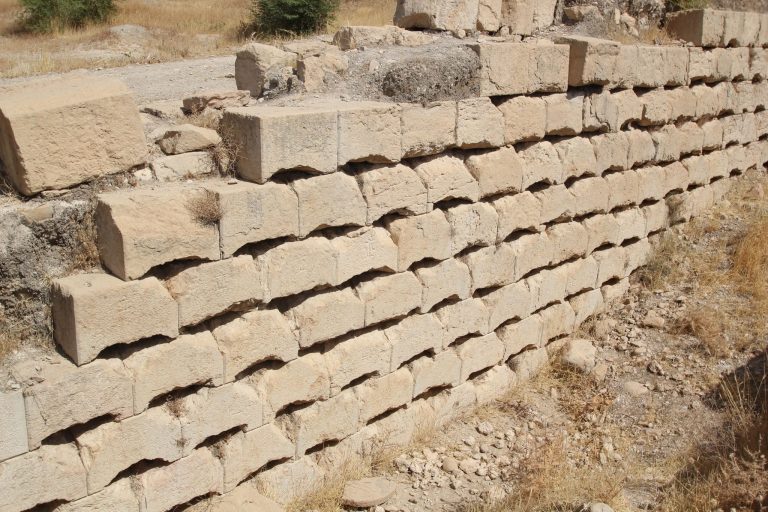
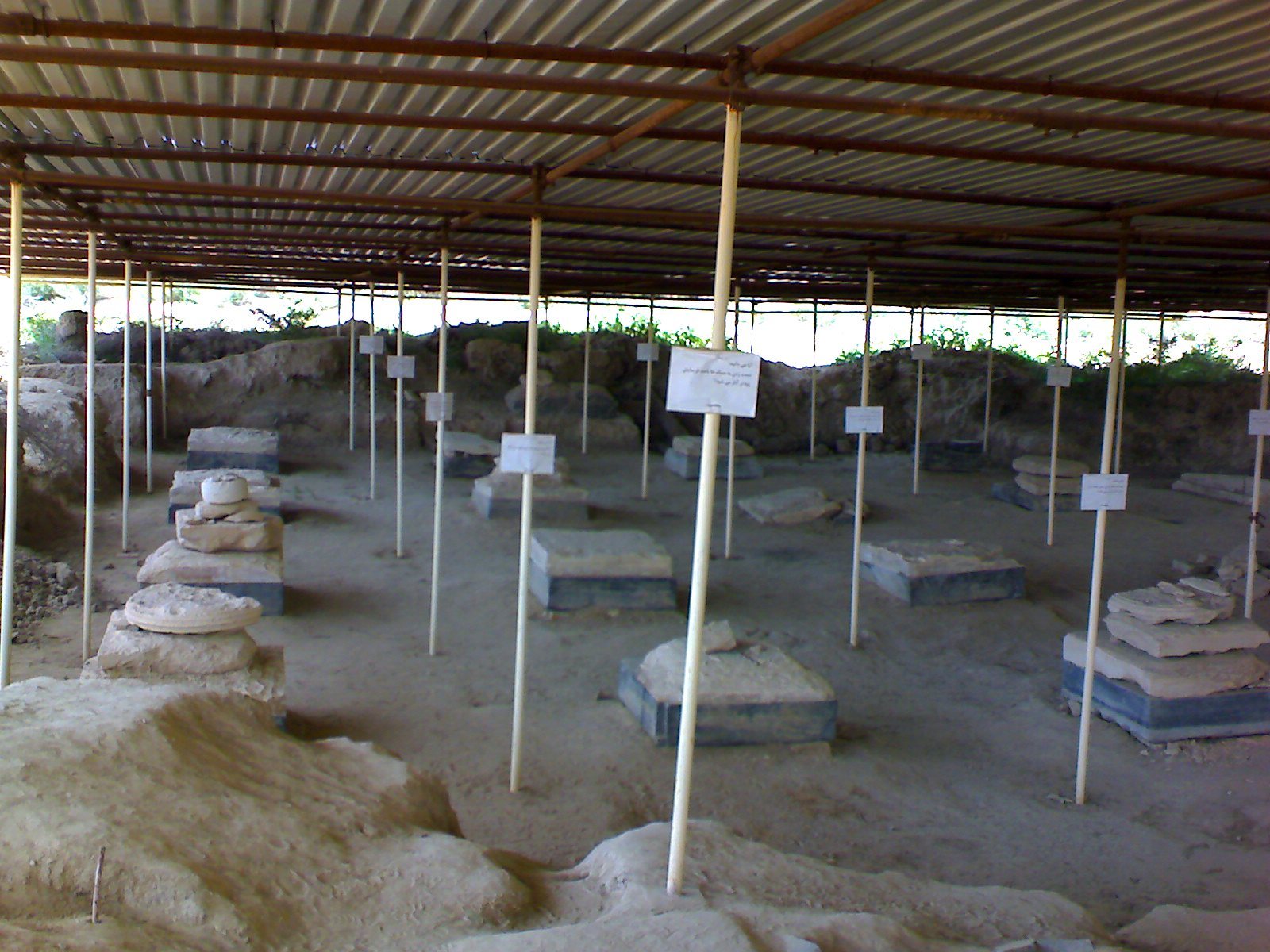
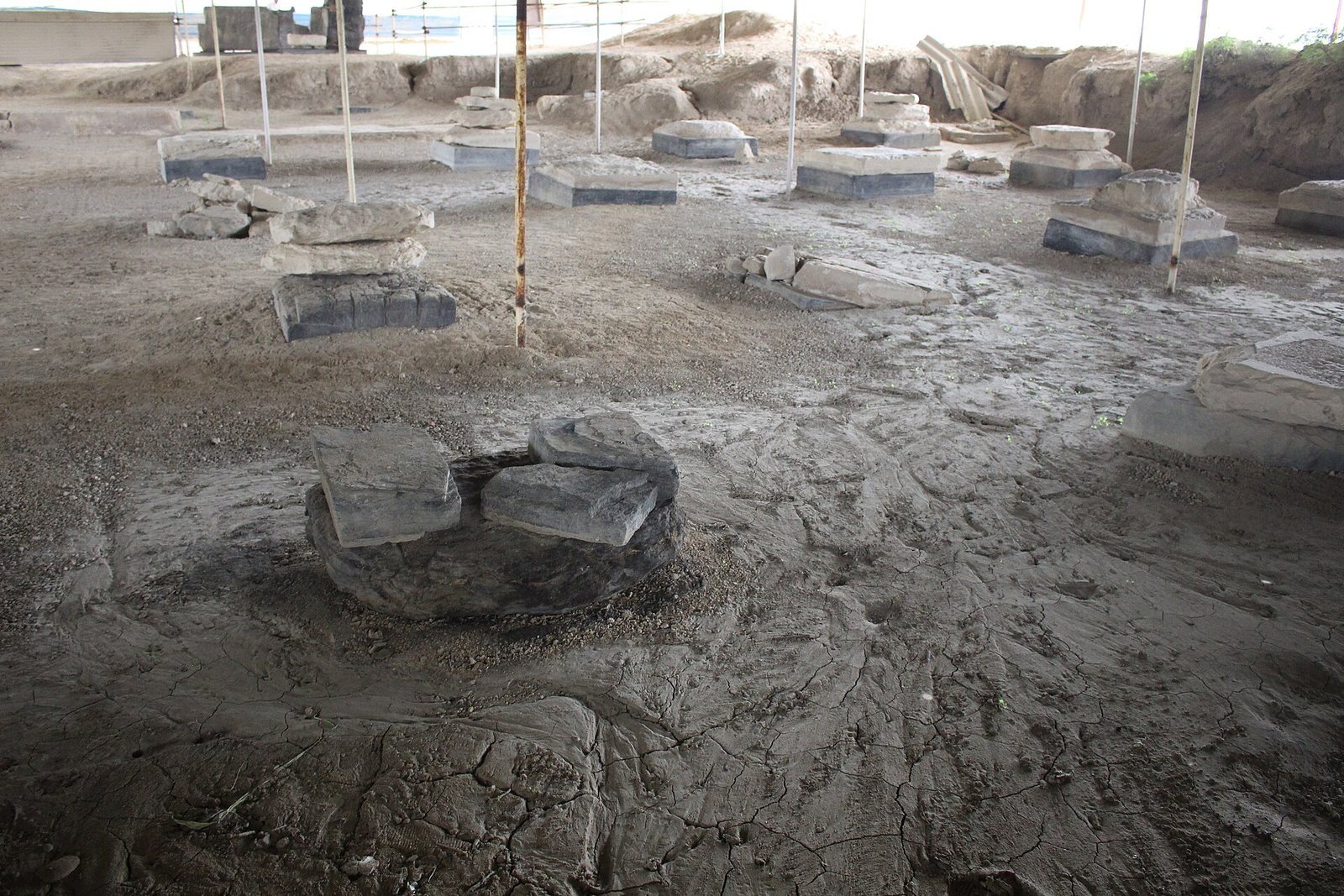
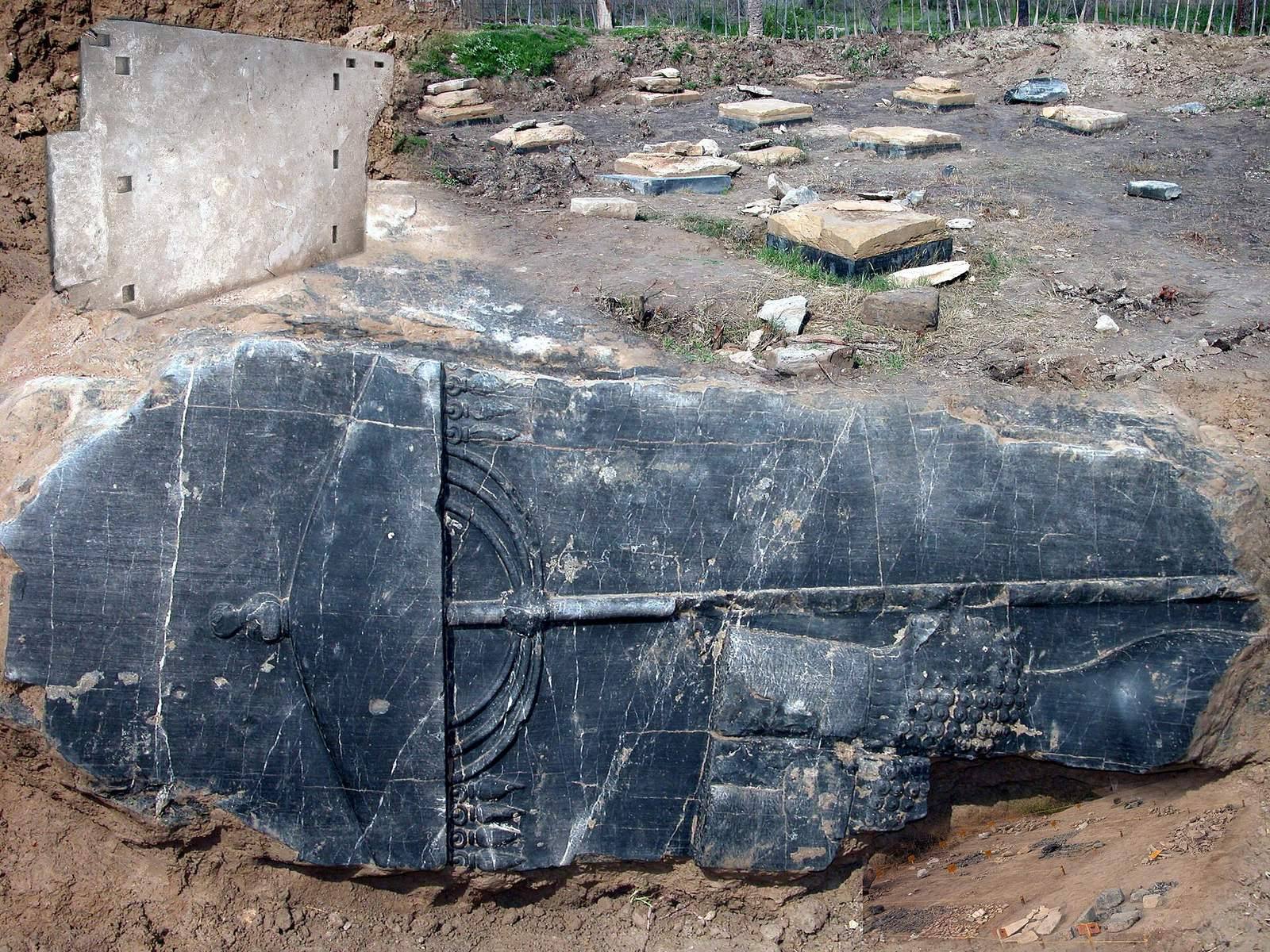
Built of stone, the palace covered 403 square metres and included a main hall. Its ruins lie within the ancient city of Temukan, near Borazjan in northern Bushehr Province.
Column capitals
The columns had capitals, or sculpted tops, decorated with eagles and lions. Fragments preserve details including eyes, wings, fangs, and snouts. In the Achaemenid period, eagle imagery represented power and wisdom. Similar imagery appears at Persepolis, an important ceremonial center of the empire.
Sculpture and coins
A fragmentary sculpture depicts the head of Darius the Great, an Achaemenid emperor who ruled from 521 to 485 BCE, with a servant holding an umbrella behind him. Six bronze coins were found nearby.
Gold sheets and other finds
Four thick gold sheets, folded and weighing about three kilograms together, were buried beside a column in the main hall. Yaghmaei considered it possible that they bore inscriptions and had been deliberately folded and hidden in antiquity. Other finds include an inscription in Neo-Babylonian, a form of Akkadian used in Babylonia during the Neo-Babylonian period, ivory ornaments, fragments of lapis lazuli and other stone or metal materials, and a handle.