Monastery of San Prudencio de Monte Laturce: A Medieval Monastic House in Spain
Site at a Glance
- Popularity
- Medium
- Country
- Spain
- Primary era
- Medieval
- Eras represented
- Medieval
- Civilizations
- Kingdom of Navarre
- Site type
- Religious
- Remains
- Monastery
On this page5 sections
History
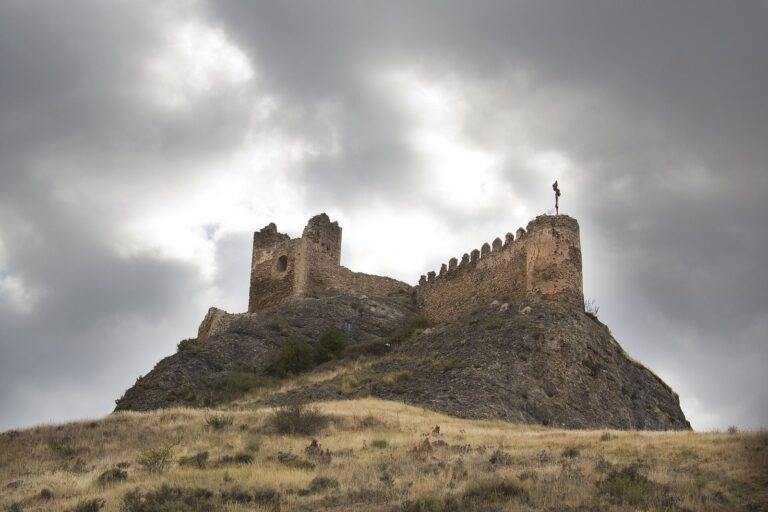
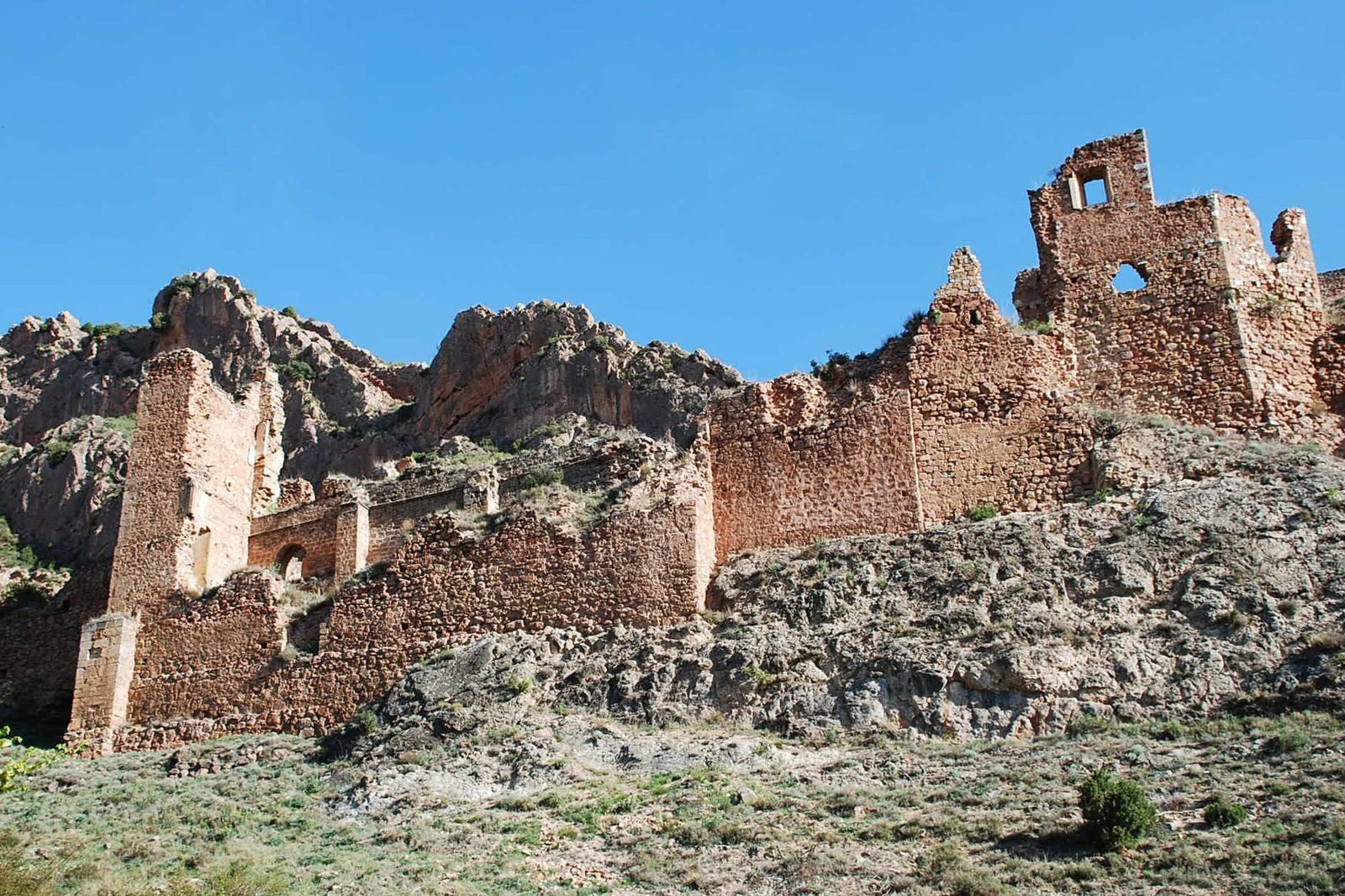
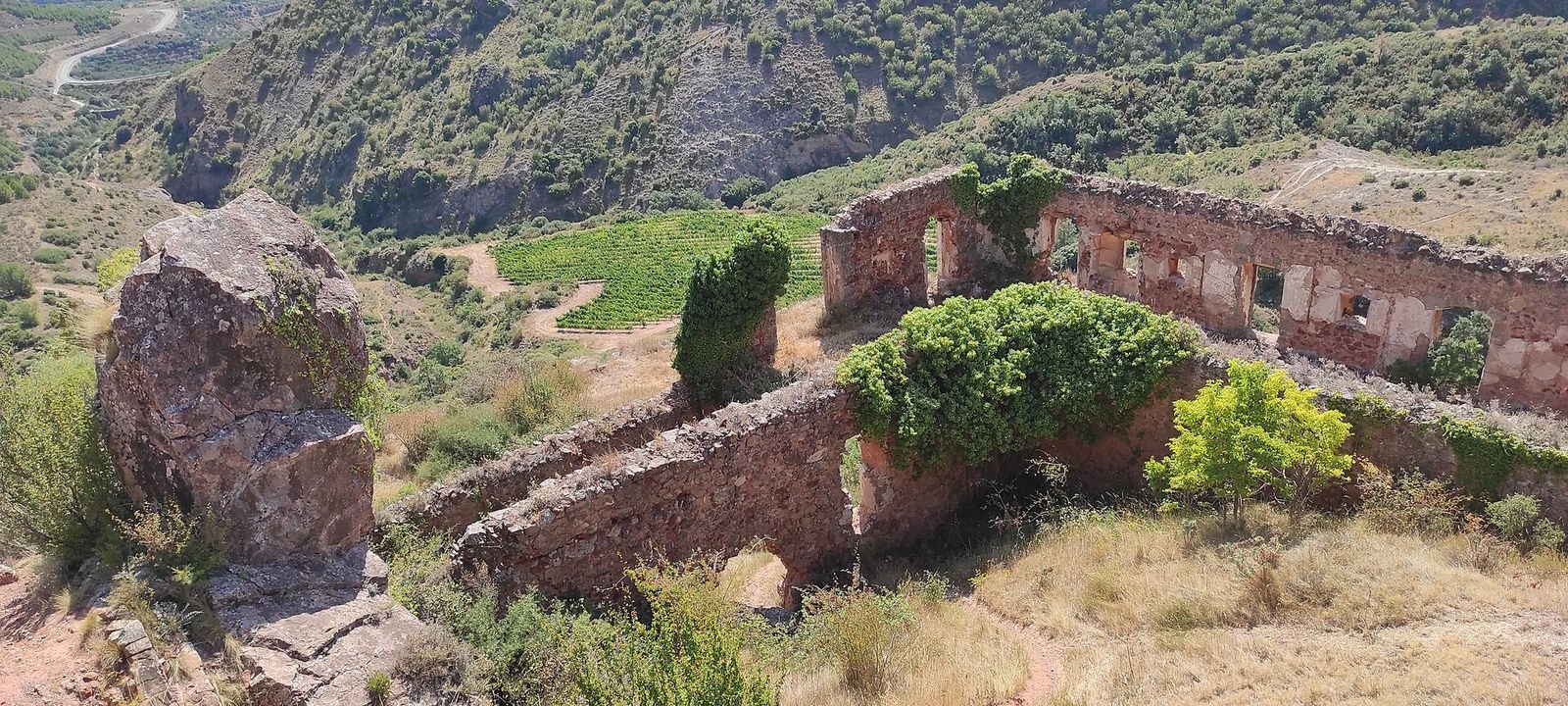
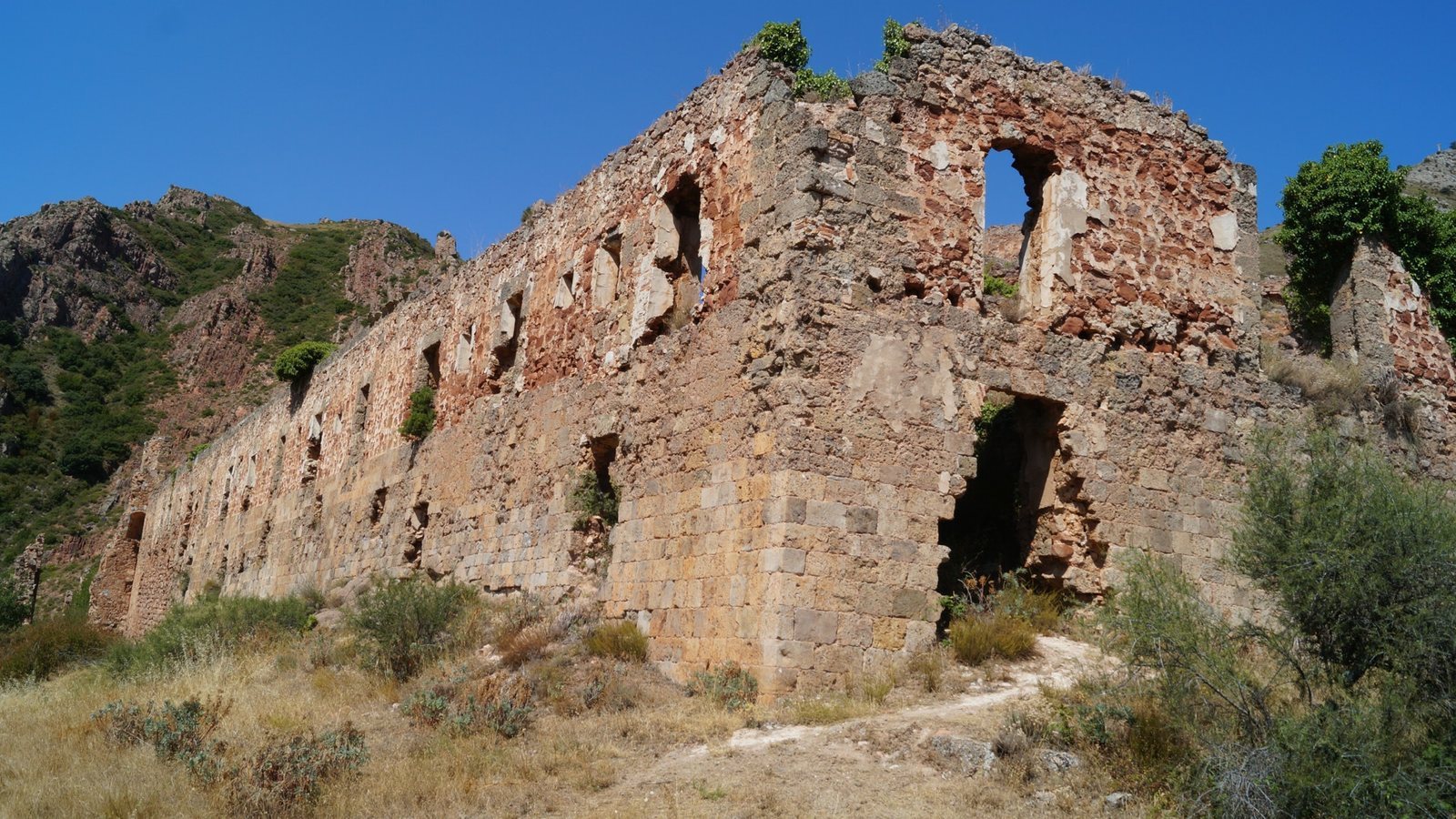
The Monastery of San Prudencio de Monte Laturce is a ruined religious house in the Fuentezuela valley, on the slope of Monte Laturce near Clavijo, Spain. Tradition places its foundation in the late sixth century, while a monastery beside Prudencio’s tomb is dated to 925.
Traditional origins and the tenth-century monastery
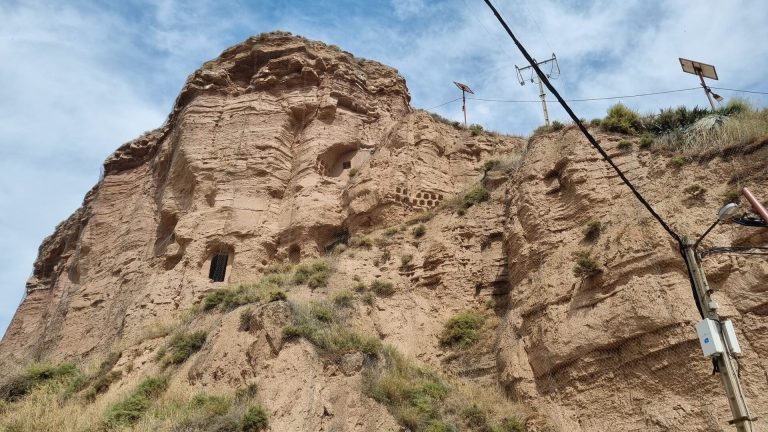
According to tradition, Prudencio, bishop of Tarazona, died at Osma while working to resolve conflicts. Since he died outside his diocese, his body was placed on a mule, which stopped two days later at a cave on Monte Laturce. Prudencio was buried there, and a church was erected in his honor. First dedicated to Saint Vincent, it later took Prudencio’s name.
The monastery’s existence is established by the tenth century, during the reconquest of the Leza River valley. It helped resettle the valley, but later lost influence. Its position in a sensitive frontier area led to its dependence on the monastery of San Martín de Albelda from 950 to 1058.
Benedictine and Cistercian phases
The house began as a Benedictine monastery, whose monks followed the Rule of Saint Benedict. In 1181, Diego Jiménez, lord of Cameros, and his wife, Guiomar Rodríguez de Traba, refounded it and gave it to the Cistercian monastery of Santa María de Rute. The agreement required Rute’s monks to move to Monte Laturce and establish a Cistercian community, an order distinct from the Benedictines.
Santa María de Rute had been founded in 1162 by Pedro Jiménez, Diego’s brother, their sister Teresa, and Teresa’s husband, Lope Íñiguez de Mendoza, lord of Llodio. Diego had succeeded Pedro as lord of Cameros, a historic region in La Rioja. The Cistercian affiliation at Monte Laturce continued until the monastery’s suppression. The lords of Cameros used it as their burial place, and the monastery had charge of smaller monasteries and the parishes of Villanueva de San Prudencio, Ventas Blancas, and Lagunilla del Jubera.
Suppression and later history
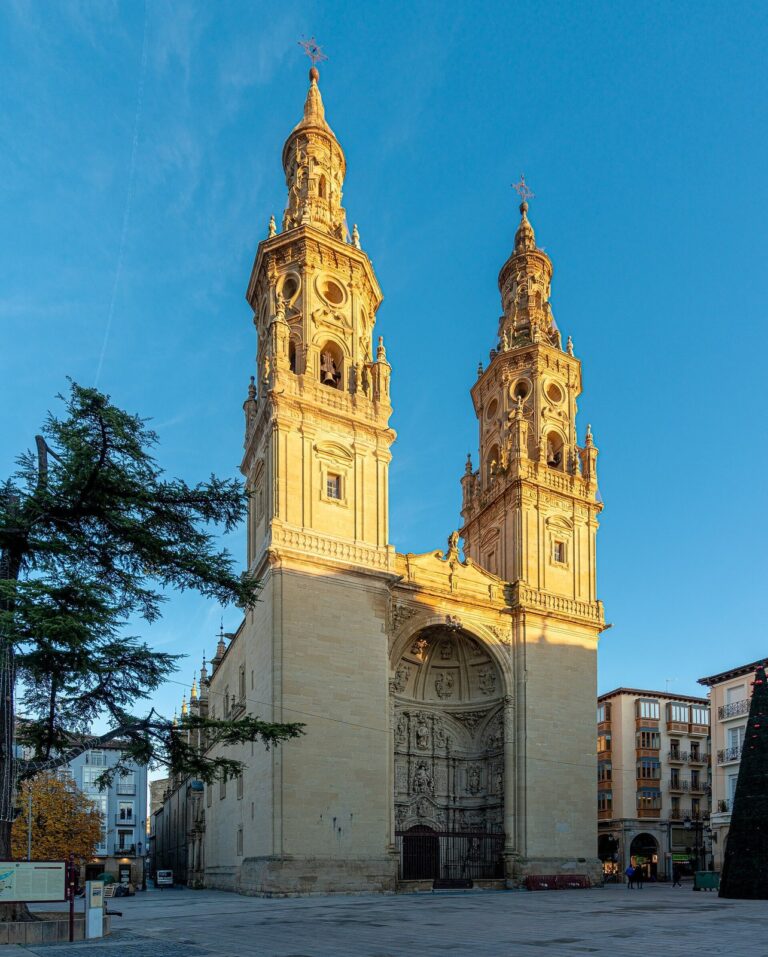
The monastery was suppressed in 1835 under Spanish political leader Juan Álvarez Mendizábal, and its demolition is dated to that year. It was abandoned in 1836 following the disentailment, the confiscation and sale of property held by institutions. Its possessions were transferred to the Co-Cathedral of Santa María de la Redonda in Logroño, a church sharing cathedral status with another cathedral in its diocese.
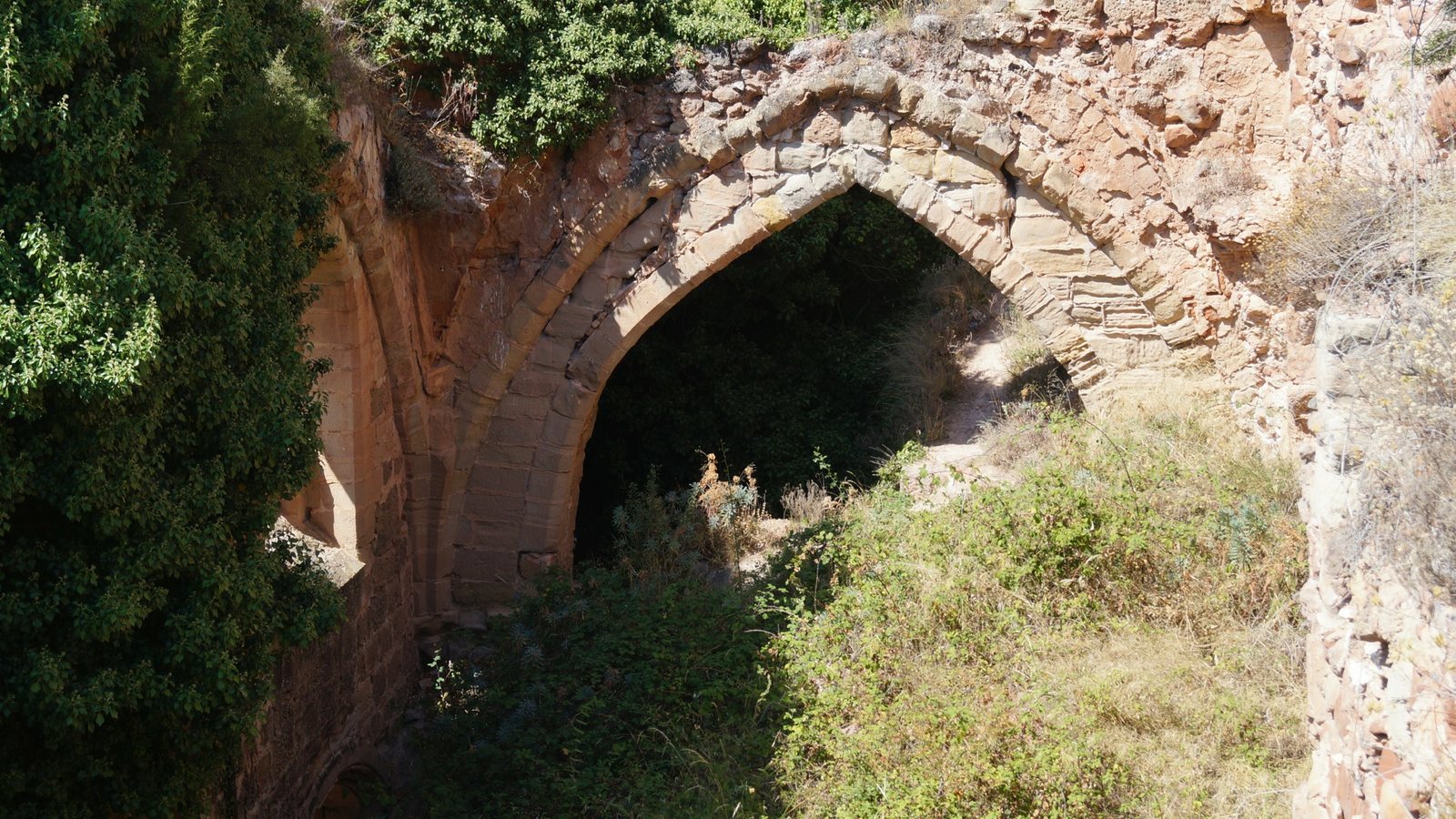
The ruins were placed on Spain’s Red List of endangered heritage on 17 December 2007. An association formed in 2023 to work toward rescuing the monastery from neglect.
Remains
The monastery stood at about 800 metres above sea level on the slope of Monte Laturce, and only ruins remain. The house held relics of Prudencio, Saint Funes, a former bishop of Calahorra, and Saint Félix del Monte. Most of Prudencio’s relics may have been transferred to the monastery of Santa María la Real de Nájera.