Dalon Abbey: A Romanesque Monastery in Dordogne
Site at a Glance
- Popularity
- Medium
- Country
- France
- Primary era
- Medieval
- Eras represented
- Medieval, Early Modern
- Civilizations
- Duchy of Aquitaine, French
- Site type
- Religious
- Remains
- Monastery
On this page7 sections
History
Foundation and the Order of Dalon
Dalon Abbey is a Romanesque monastery at Sainte-Trie in Dordogne, France, founded in 1114 by Gerald of Salles under the Rule of Saint Benedict, a set of guidelines for monastic life. A donation from Gerald of Lastours and his brother Gouffier supported its establishment. Eustorge, then the 48th bishop of Limoges, and several local lords attended the foundation.
Gerald’s successor, the hermit Roger, expanded the abbey and built a network of affiliated priories and abbeys. It included Aubignac, Bœuil, Bonlieu, Loc-Dieu, Palais Notre-Dame and Prébenoît, and became known as the Order of Dalon.
Adoption of Cistercian observance
In 1142, while Dalon was not yet part of the Cistercian Order, Stephen of Obazine asked Roger to send monks to teach its way of life and introduce its rule. Stephen acted on the advice of Aymeric, bishop of Clermont. The Cistercians were a monastic order that followed the Benedictine rule with stricter observance.
After Roger died in 1159, Dalon’s monks asked Pontigny Abbey, a major early Cistercian house in France, to send instructors. The communities followed the same Benedictine rule. Dalon formally joined the Cistercian Order in 1162, shortly after Amelius became its third abbot. Its houses at Bœuil, Bonlieu, Loc-Dieu, le Palais and Prébenoît joined it. Dalon’s place in Pontigny’s lineage was reckoned from 1120, when it followed a rule shared by the two observances. This made it the third affiliated house, rather than the seventeenth.
Medieval community
Dalon received protection from Henry II Plantagenet and Richard the Lionheart, kings of England, and Eleanor of Aquitaine, a powerful duchess and queen consort. Bertran de Born, lord of nearby Hautefort and a troubadour, or medieval poet-musician, entered the abbey as a monk and died there around 1215. Bernart de Ventadorn also retired to Dalon as a monk.
The abbey held about a dozen granges, or monastic agricultural estates, in Périgord, as well as the small Priory of Saint-Blaise in the parish of Milhac. In 1282, the Order of Dalon founded Puybrun in Quercy, a planned medieval town known as a bastide.
Residence and dissolution
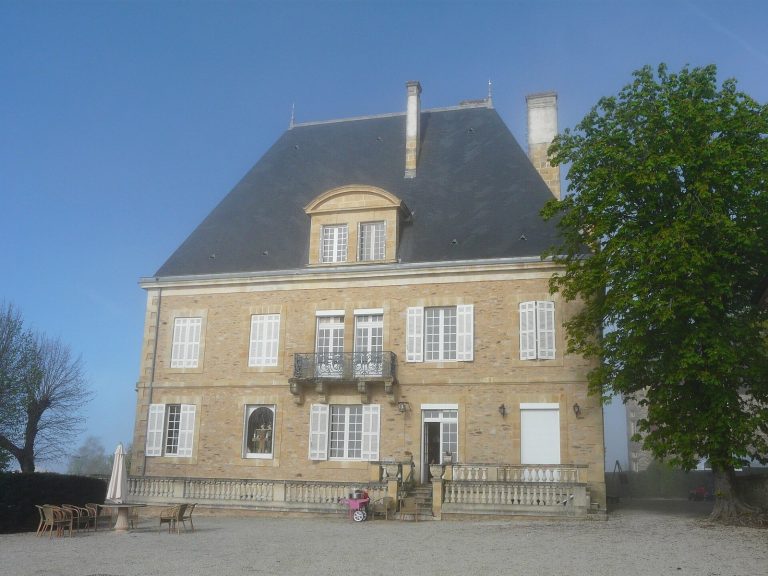
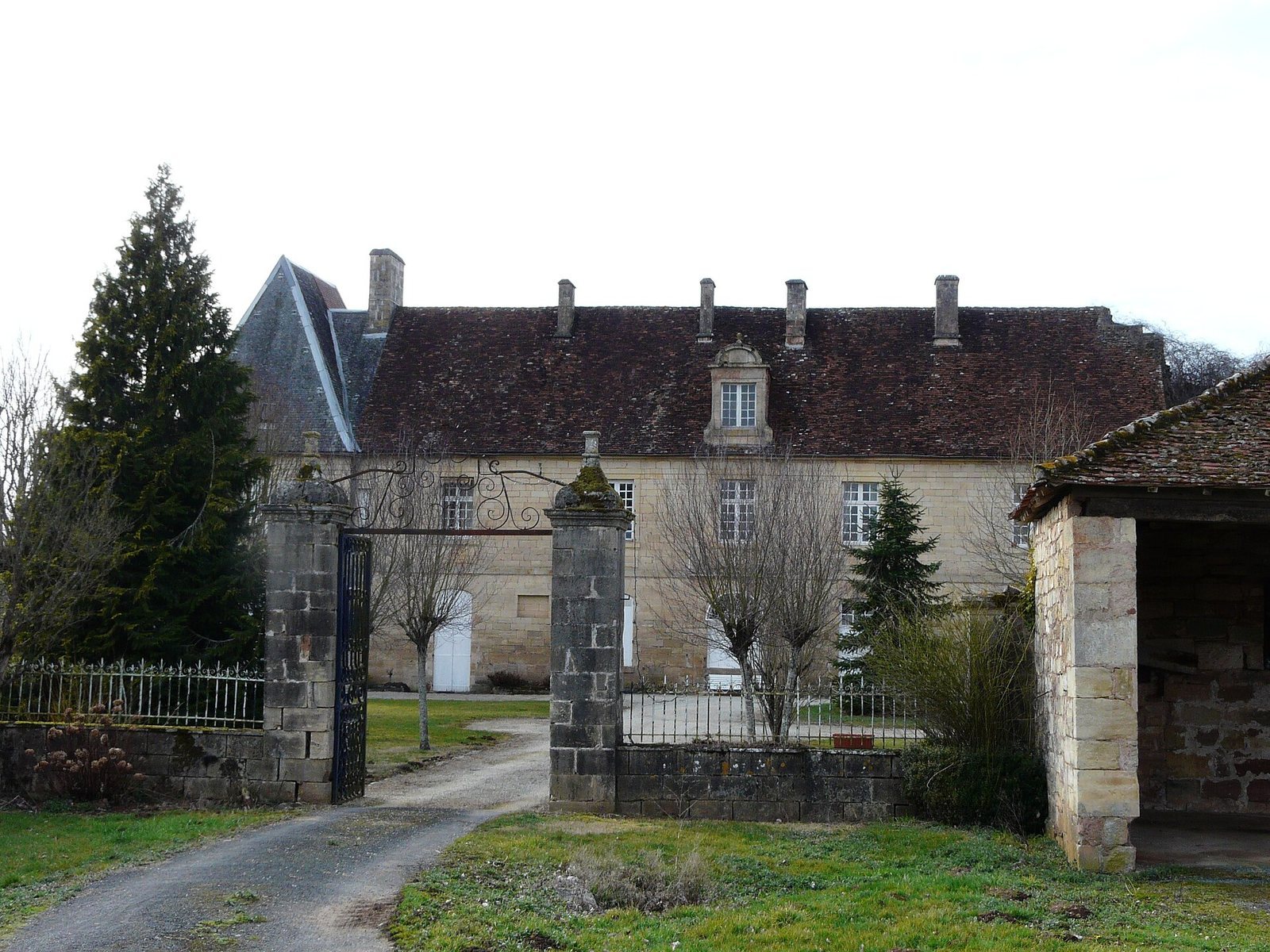
In the 17th century, a new residence was built using surviving abbey remains. In 1784, Jean-Marc de Royère, bishop of Castres, became commendatory abbot of Dalon. A commendatory abbot held the title and benefits of an abbey without necessarily overseeing its daily monastic life. The abbey was dissolved in 1791.
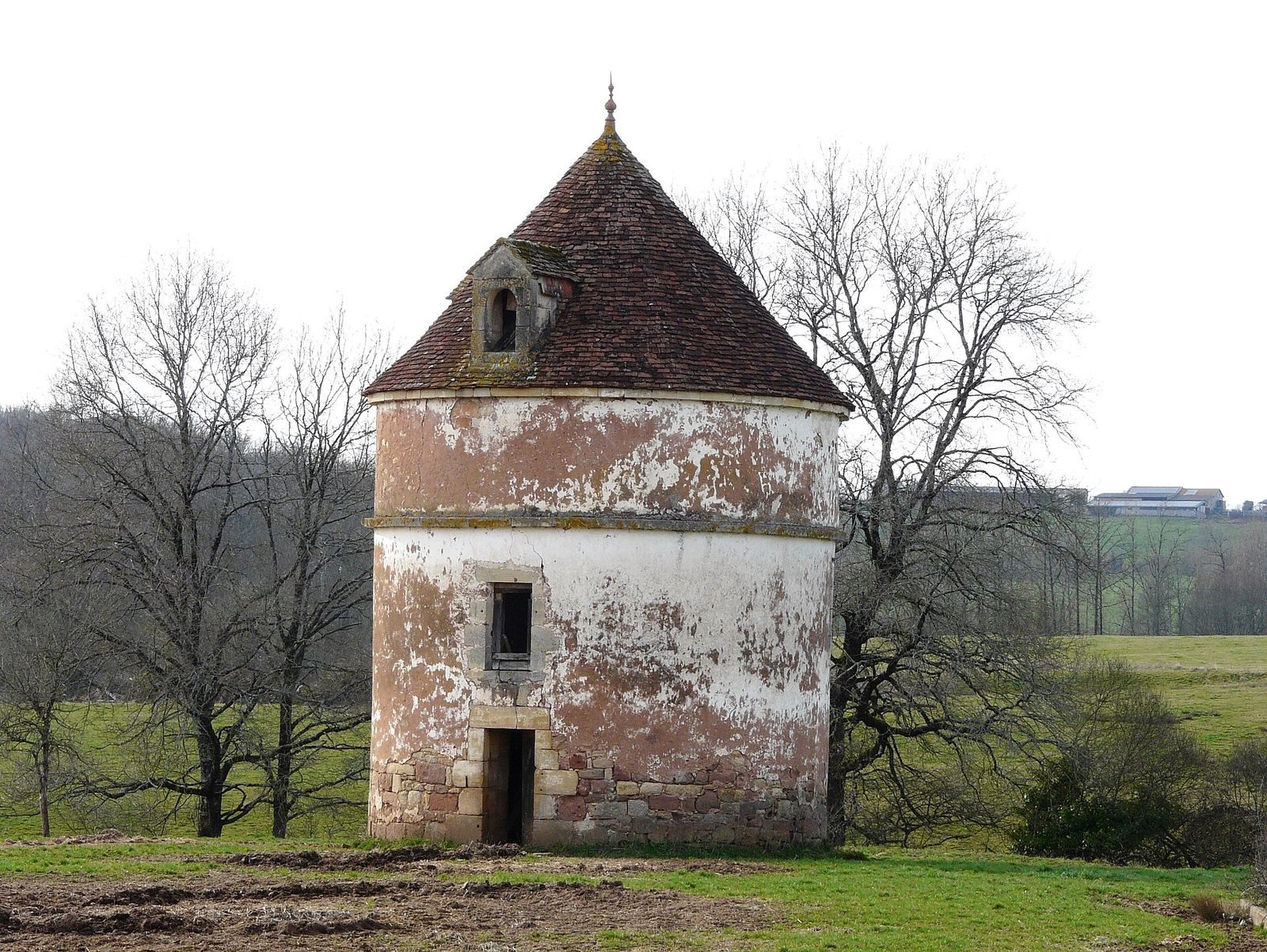
On 27 September 1948, the residence, chapter house, the monastery’s meeting room, and dovecote were listed as Historic Monuments.
Remains
Surviving buildings and fragments
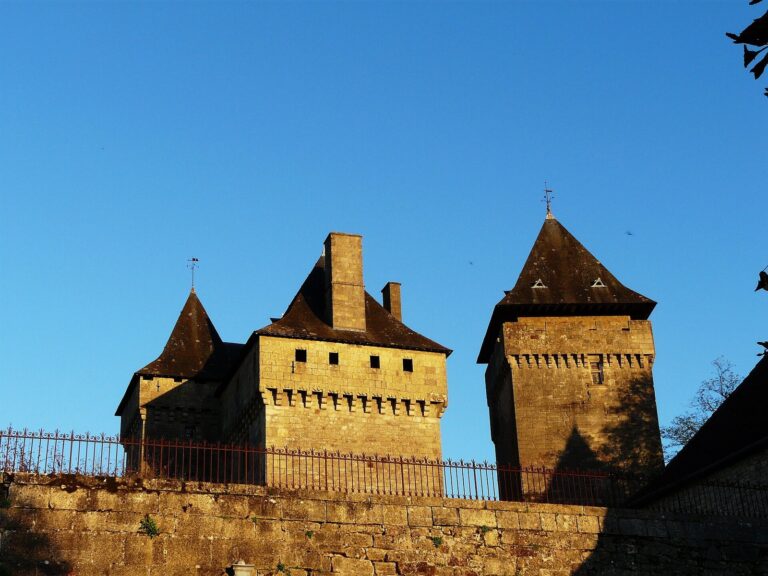
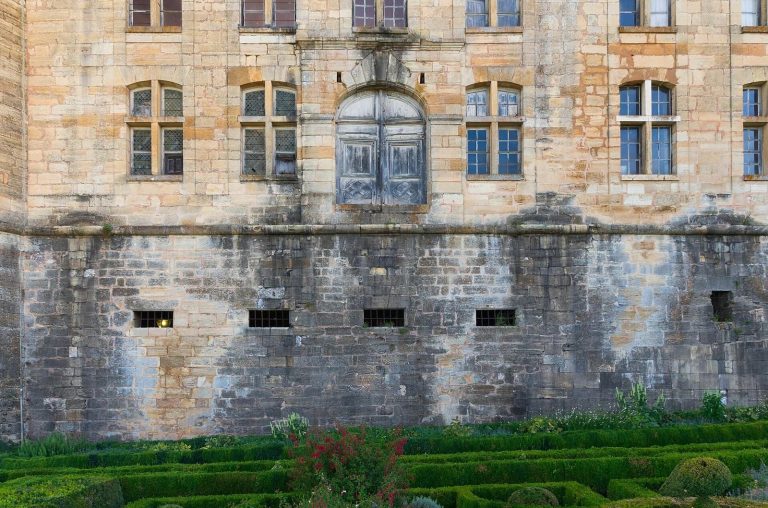
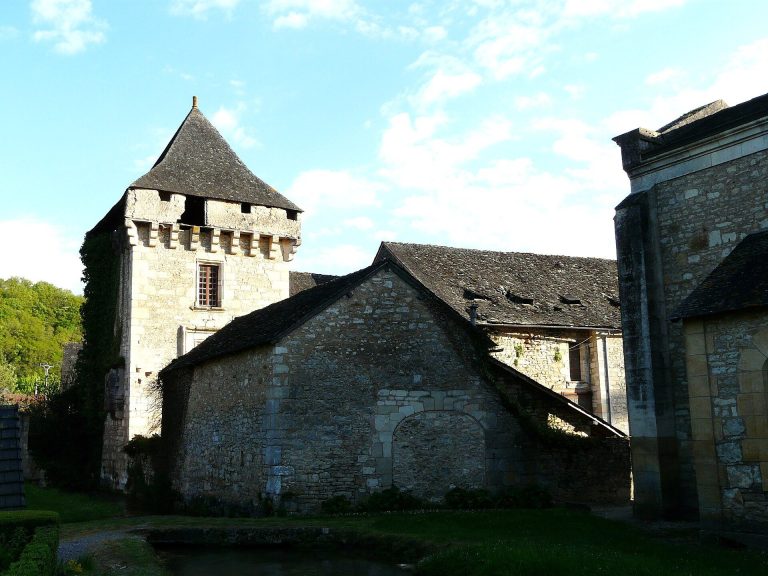
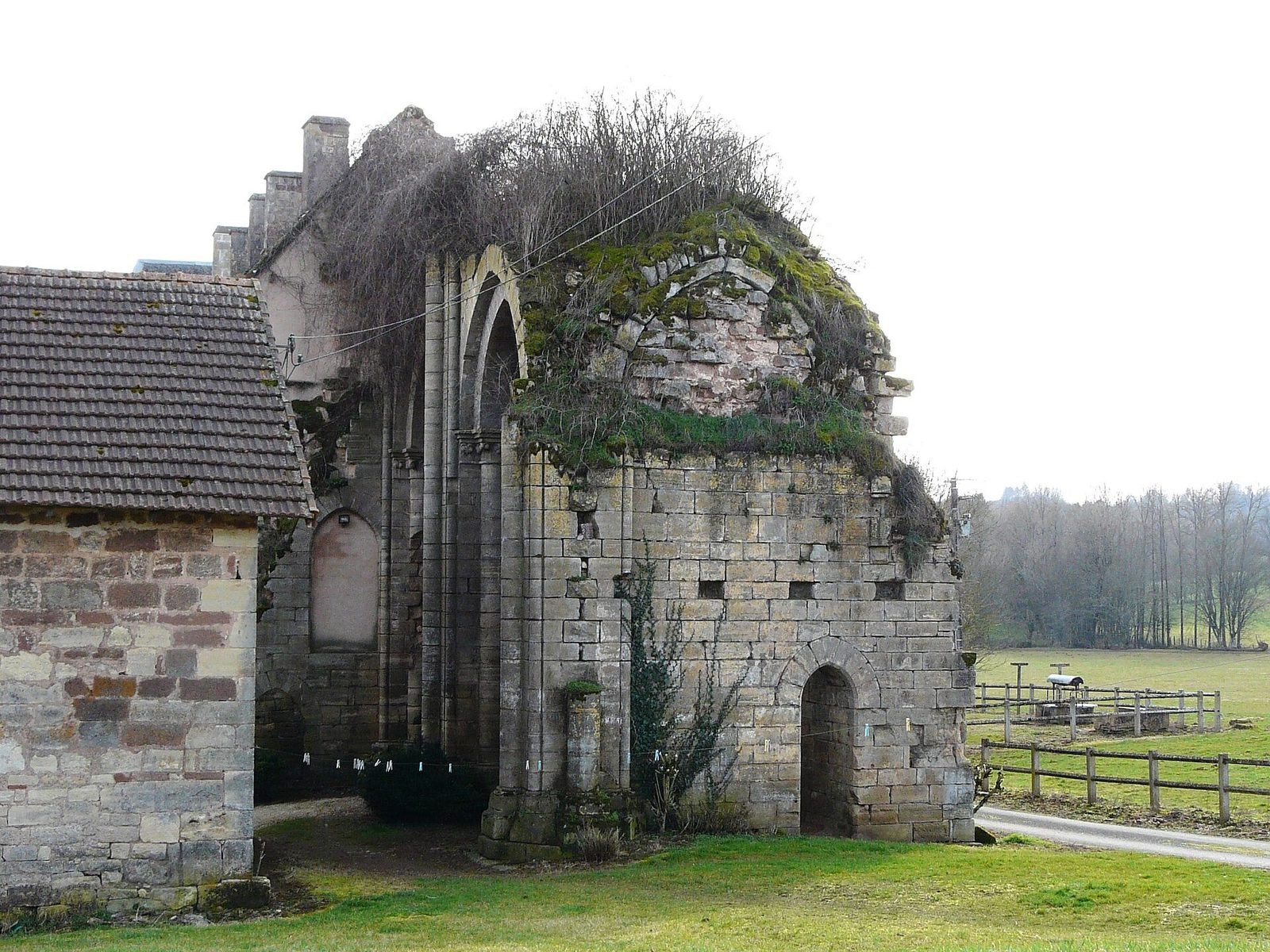
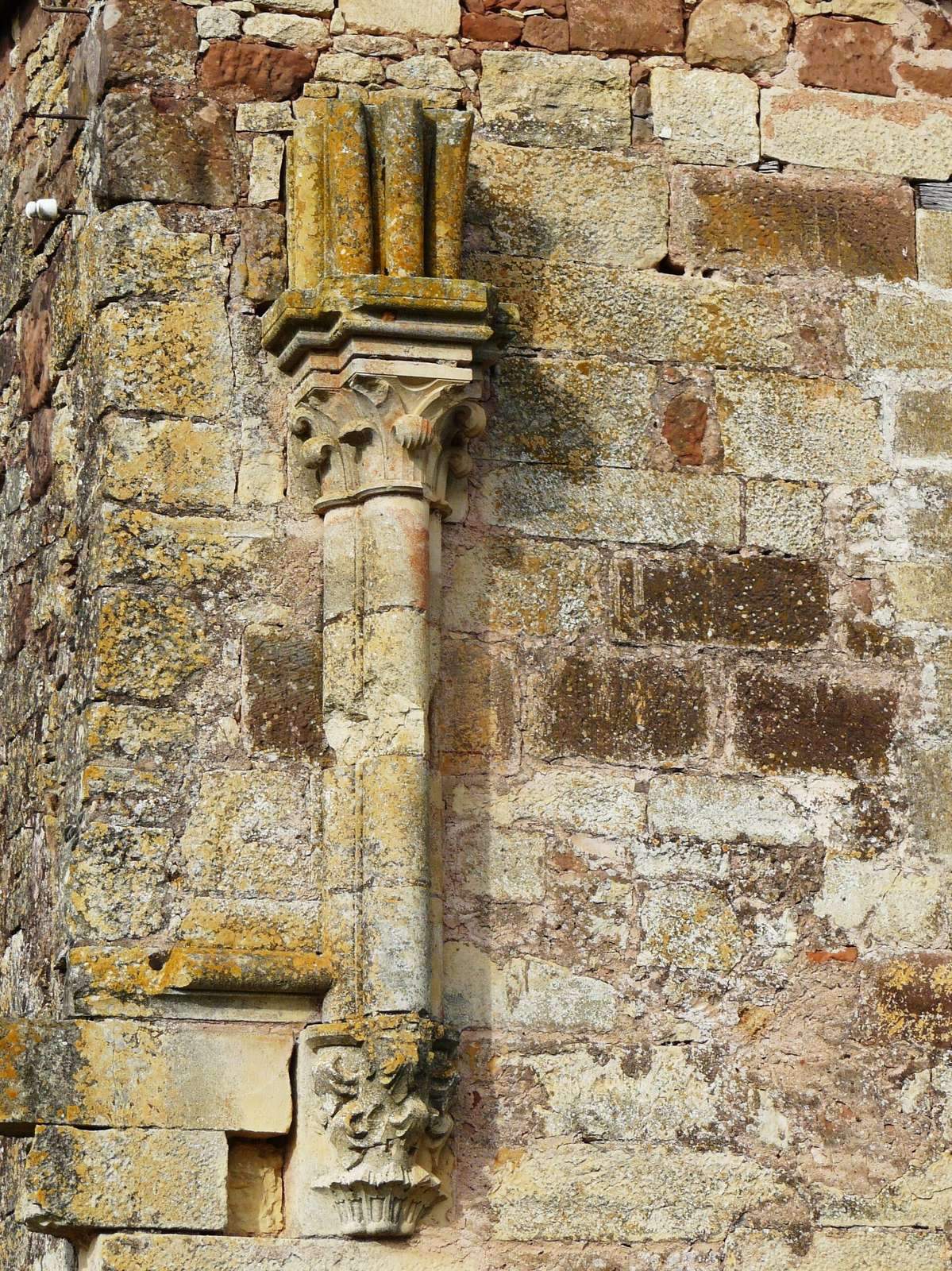
The Romanesque remains are incorporated into the north side of the residence, with ruins extending from it. They include the monks’ building and chapter house, along with two chapels on the right-hand side of the church’s transept, the section that crosses its main axis. The site also contains remnants of a column and its capital, the carved top of a column, as well as the residence and a dovecote, or pigeon house.