Fort Faron: A French Defensive Fortification on Mount Faron
Site at a Glance
- Rating
- 4.6
- Popularity
- Medium
- Country
- France
- Primary era
- Modern
- Eras represented
- Early Modern, Modern
- Civilizations
- French
- Site type
- Military
- Remains
- Fort
On this page8 sections
History
Initial plans
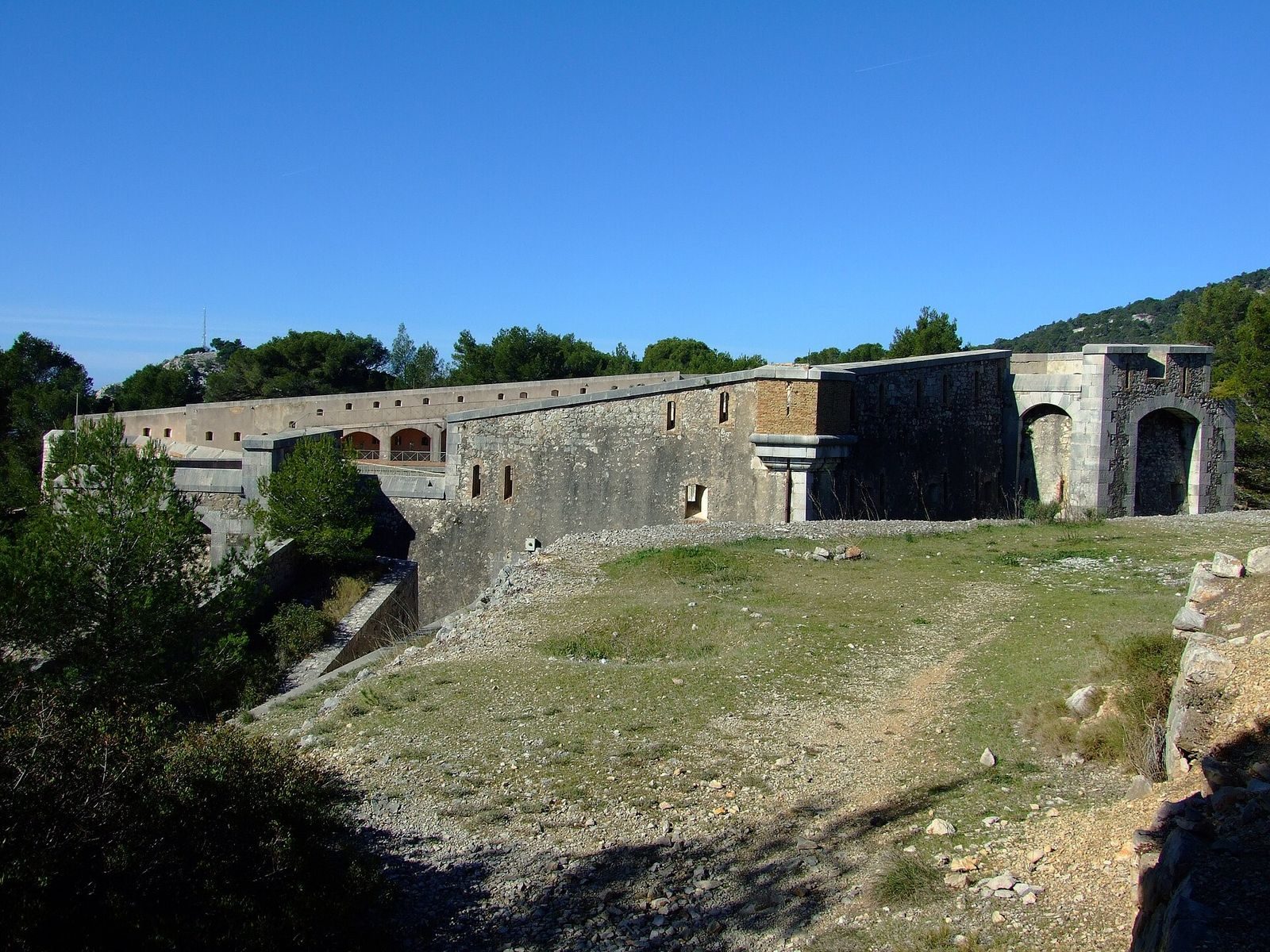
Fort Faron is a French fortification on the southern slope of Mount Faron in France, first proposed in 1766 and completed under a later project in 1844. The initial program, led by French military engineer Nicolas-François Milet de Monville, proposed a casemated redoubt (a small enclosed fort with protected firing positions) and a lunette (a detached outwork intended to defend an approach). The lunette was completed, while the redoubt remained unfinished.
Completion and expansion
A new project began in 1836, adding bastions, which project from a fortification to help defend its walls, and arched openings from which defenders could attack below. Fort Faron was completed in 1844, and the lunette was modified.
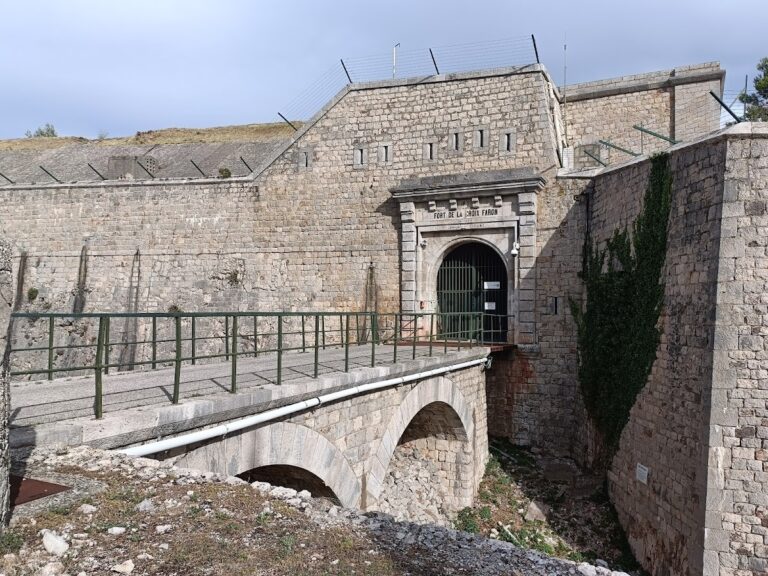
Between 1868 and 1877, an outer defensive work was added, and Fort Faron was connected to Fort de la Croix Faron. The fort could accommodate up to 200 men. In 2021, it received the French historic-monument designation, a legal heritage classification.
Remains
Layout and defensive works
Main fort
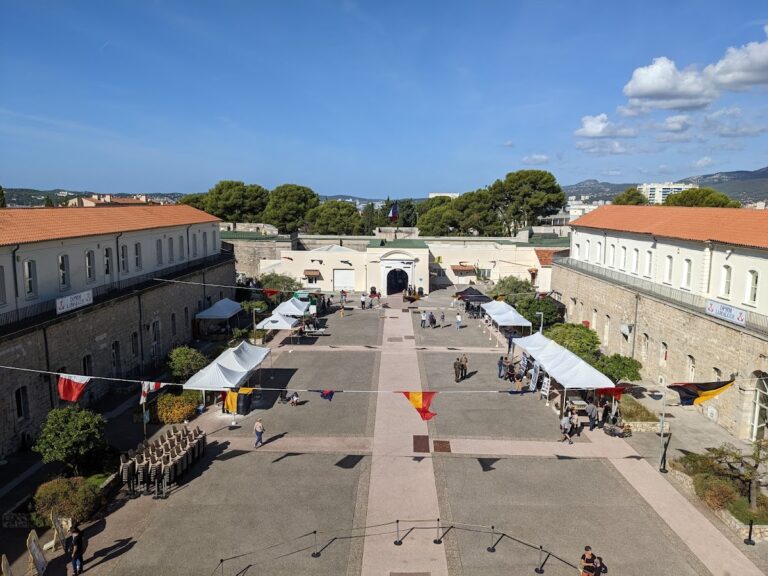
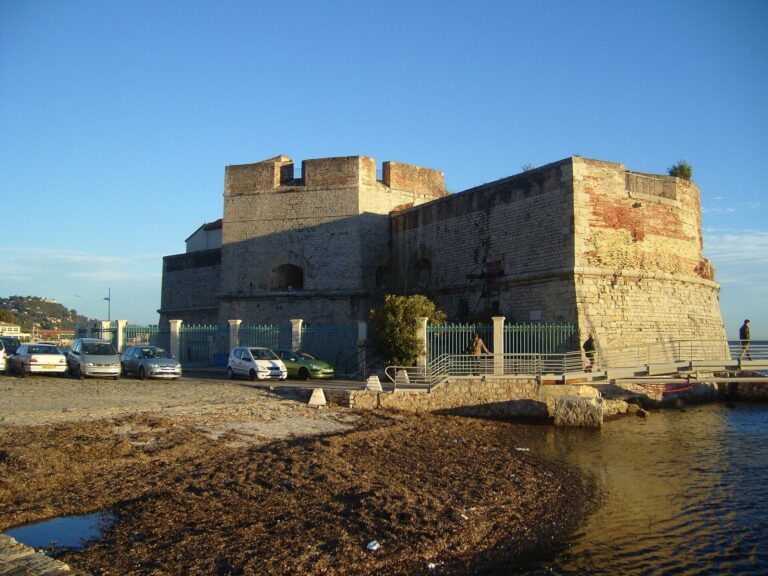
Fort Faron occupies a prepared level area on the southern slope of Mount Faron, at the mountain’s eastern end and 394 metres above sea level. Its maximum length is 53.50 metres along an east-west axis, and its plan most closely resembles a pentagonal redoubt with projecting bastions. The fort has a panoramic view over the Toulon roadstead, a sheltered area of water where ships can anchor.
Lunette and connecting defenses
The lunette carried eight cannons. Fort de la Croix Faron stands 600 metres to the north-northeast, at an elevation of 563 metres, overlooking Fort Faron. A zigzag defensive line climbs the slope between the forts and links them directly from moat to moat.
Outer defensive work
An outer defensive work armed for long-range fire forms part of the fortification.