Svanholm: A Danish Manor Estate and Ecovillage
Site at a Glance
- Rating
- 4.3
- Popularity
- Medium
- Country
- Denmark
- Primary era
- Early Modern
- Eras represented
- Early Modern
- Civilizations
- Danish
- Site type
- Domestic
- Remains
- Manor House
On this page8 sections
History
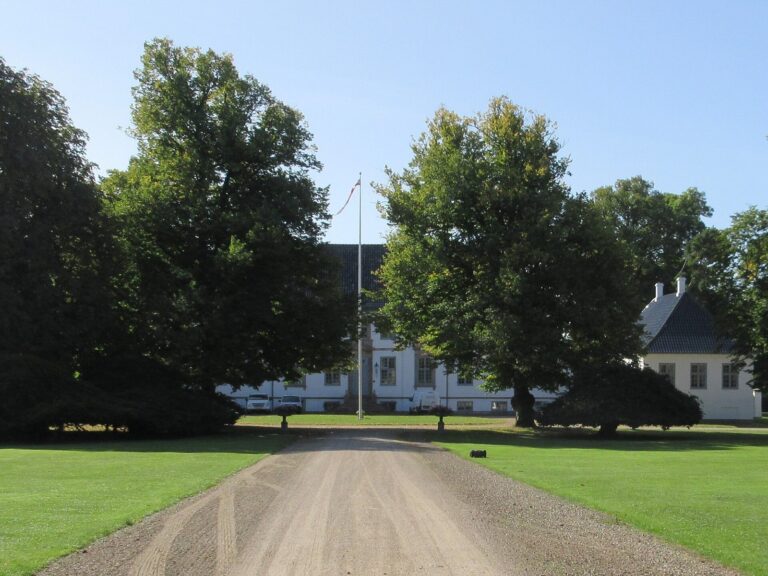
Svanholm is a country estate and former manor on Zealand’s north coast in Denmark, north of Skibby. Its earliest recorded mention dates to 1346, and its main building is Renaissance-style. The name combines Danish words for “swan” and “islet,” meaning “Swan Islet.”
Medieval manor
In 1346, the estate belonged to Niels Knudsen Manderup, a medieval nobleman and knight, a rank traditionally associated with mounted service.
Renovation in 1744
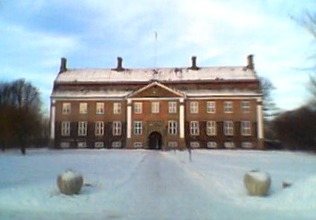
The manor house was comprehensively renovated and enlarged in 1744.
Collective estate since 1978
In 1978, an association of more than 100 people purchased the estate and its buildings to create an intentional community, a group that organizes shared life around common aims. The former estate became an ecovillage. Its residents grow their own food, and the collective was among the pioneers of organic farming in Denmark, an approach that avoids most synthetic fertilizers and pesticides.
In 2006, the community comprised 70 adults and 35 children, with members ranging in age from 0 to 80. Members collectively owned about 400 hectares of farmland, parks and woodland.
Remains
Buildings and grounds
Manor and associated buildings
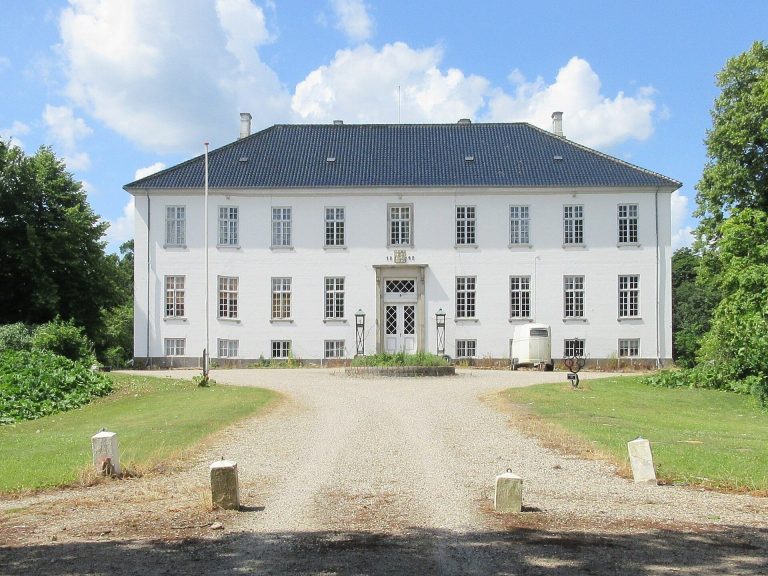
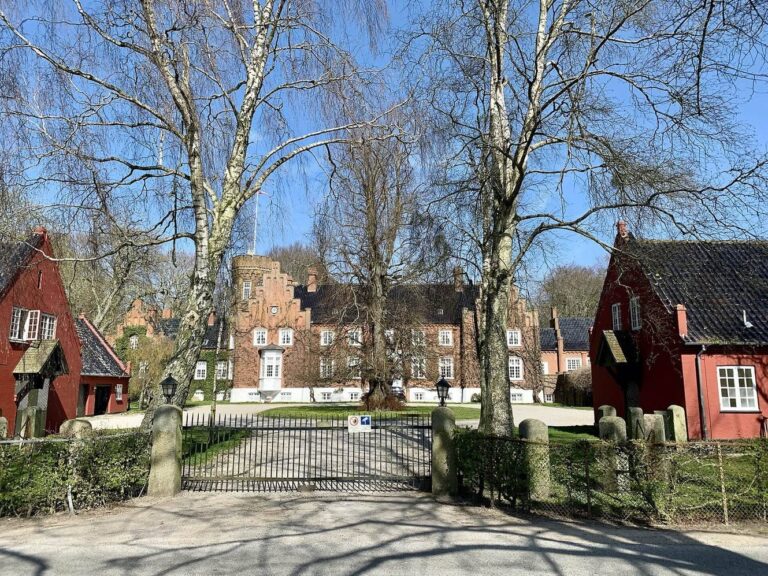
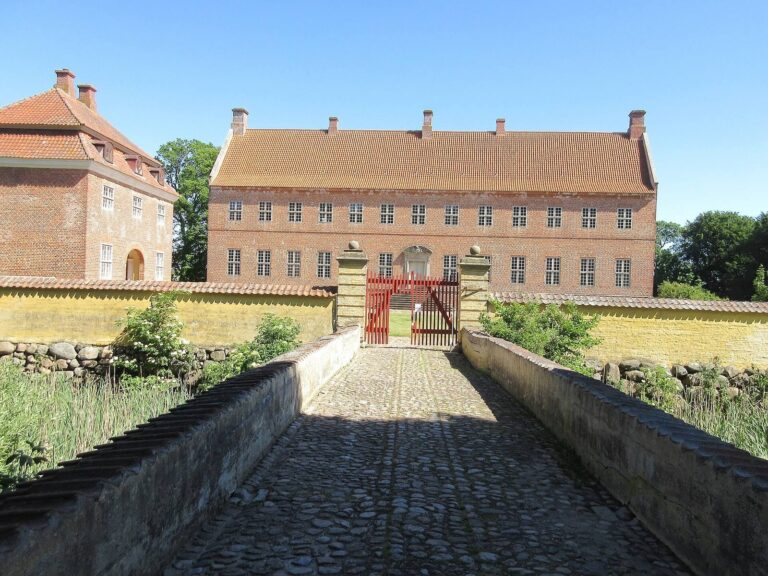
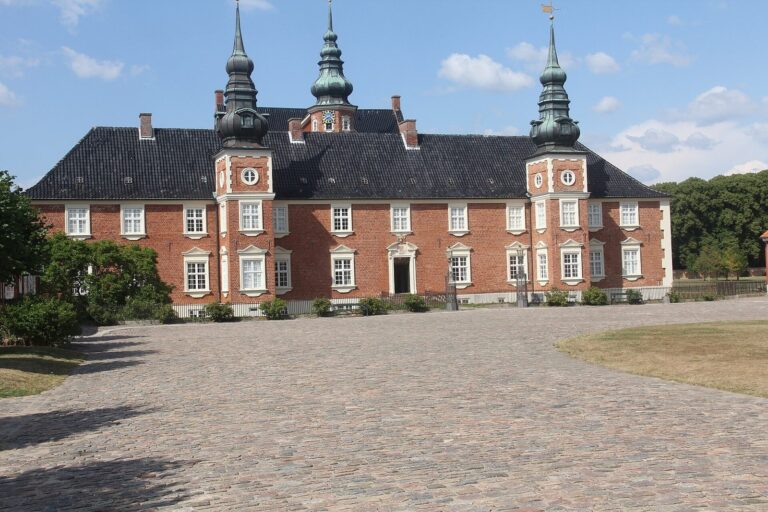
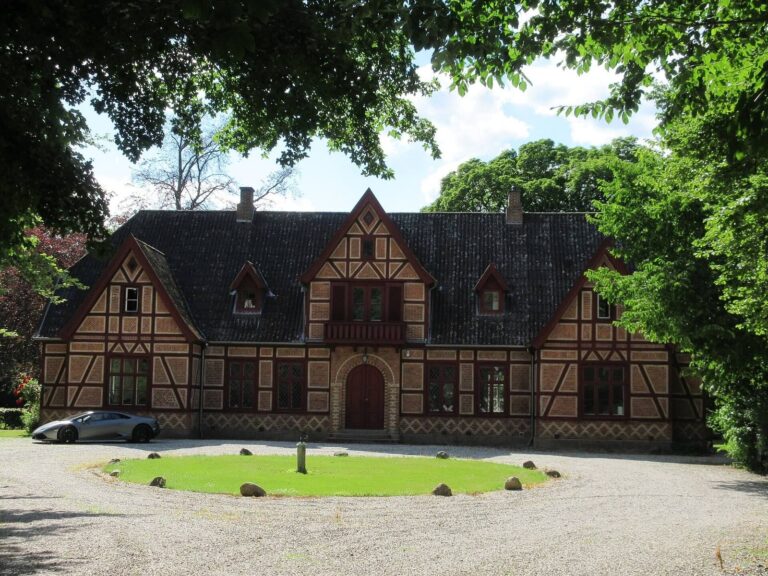
The former manor house is the estate’s main building. Twelve additional residential and utility buildings stand on the grounds.
Estate landscape
Svanholm lies on the Hornsherred peninsula, between Roskilde Fjord and Ise Fjord, about 55 kilometres west of Copenhagen. The landscape is flat, with sandy soil beneath a light layer of humus. Beech, alder, birch, oak and fir grow on the estate. Its land is particularly suited to potatoes and rye, and the estate has a small dairy herd.