Jal Mahal in Narnaul: A Mughal Palace and Fortification
Site at a Glance
- Rating
- 4.3
- Popularity
- High
- Country
- India
- Primary era
- Early Modern
- Eras represented
- Early Modern
- Civilizations
- Mughal
- Site type
- Domestic
- Remains
- Elite Residence
On this page6 sections
History
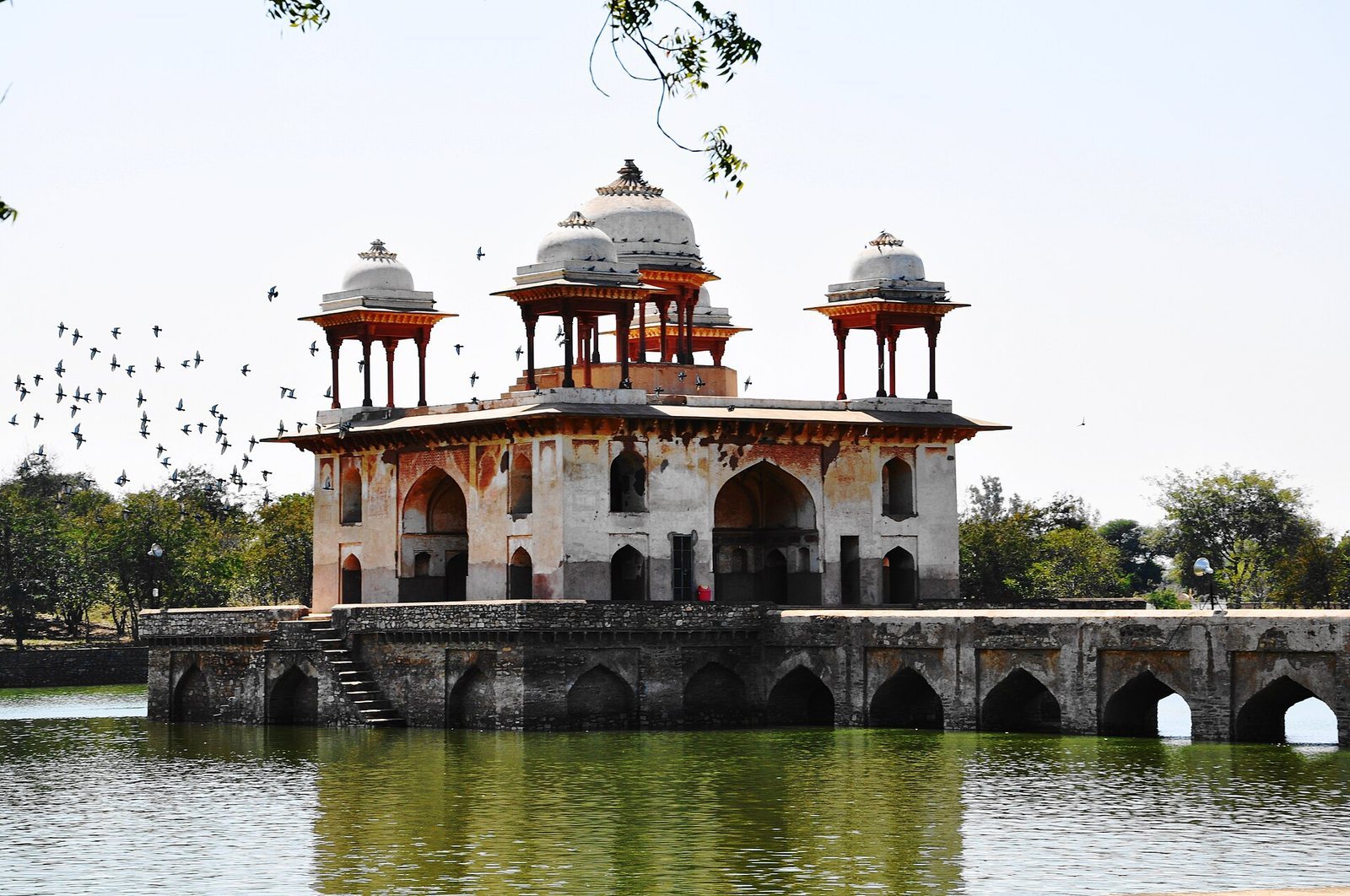
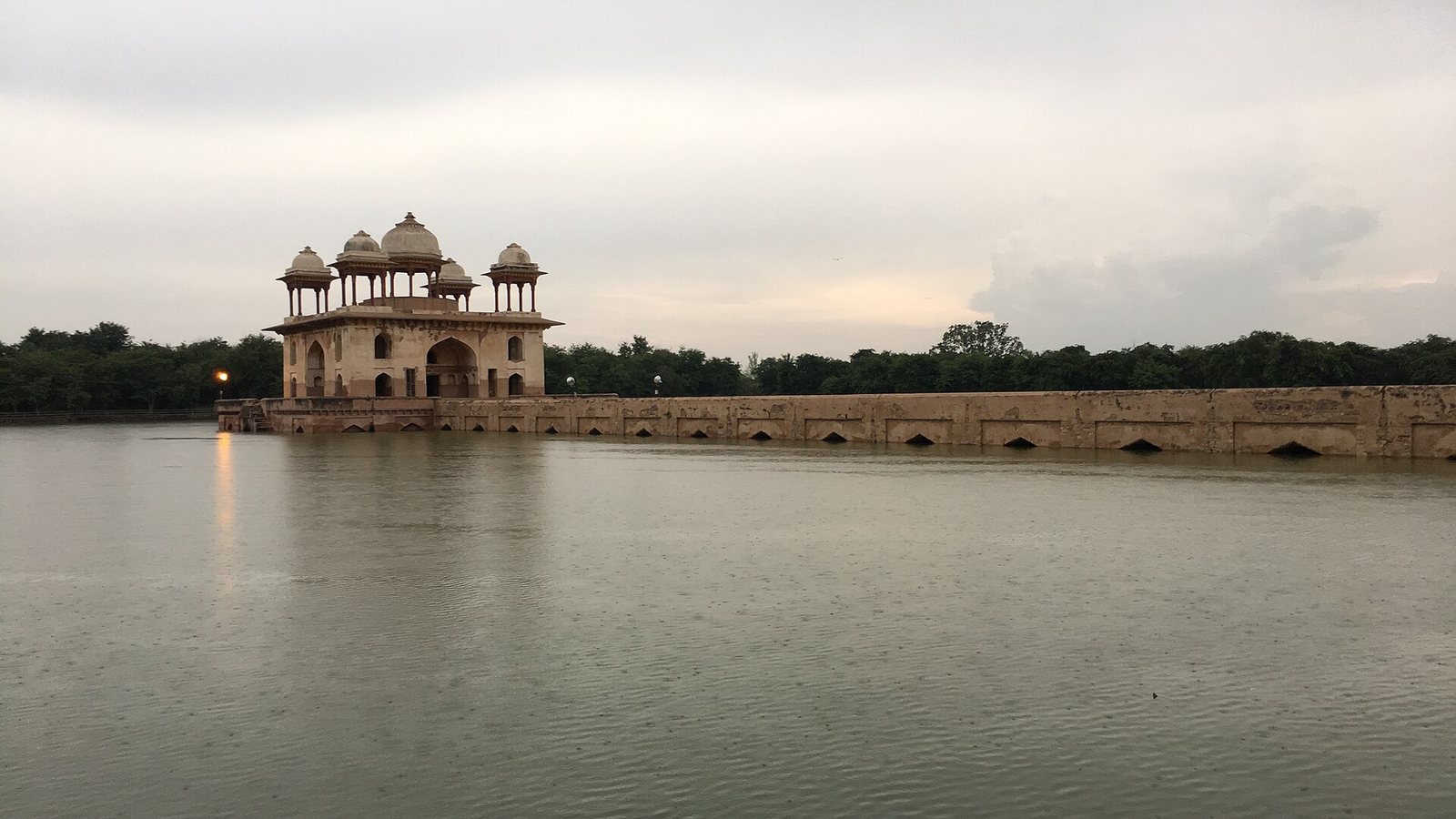
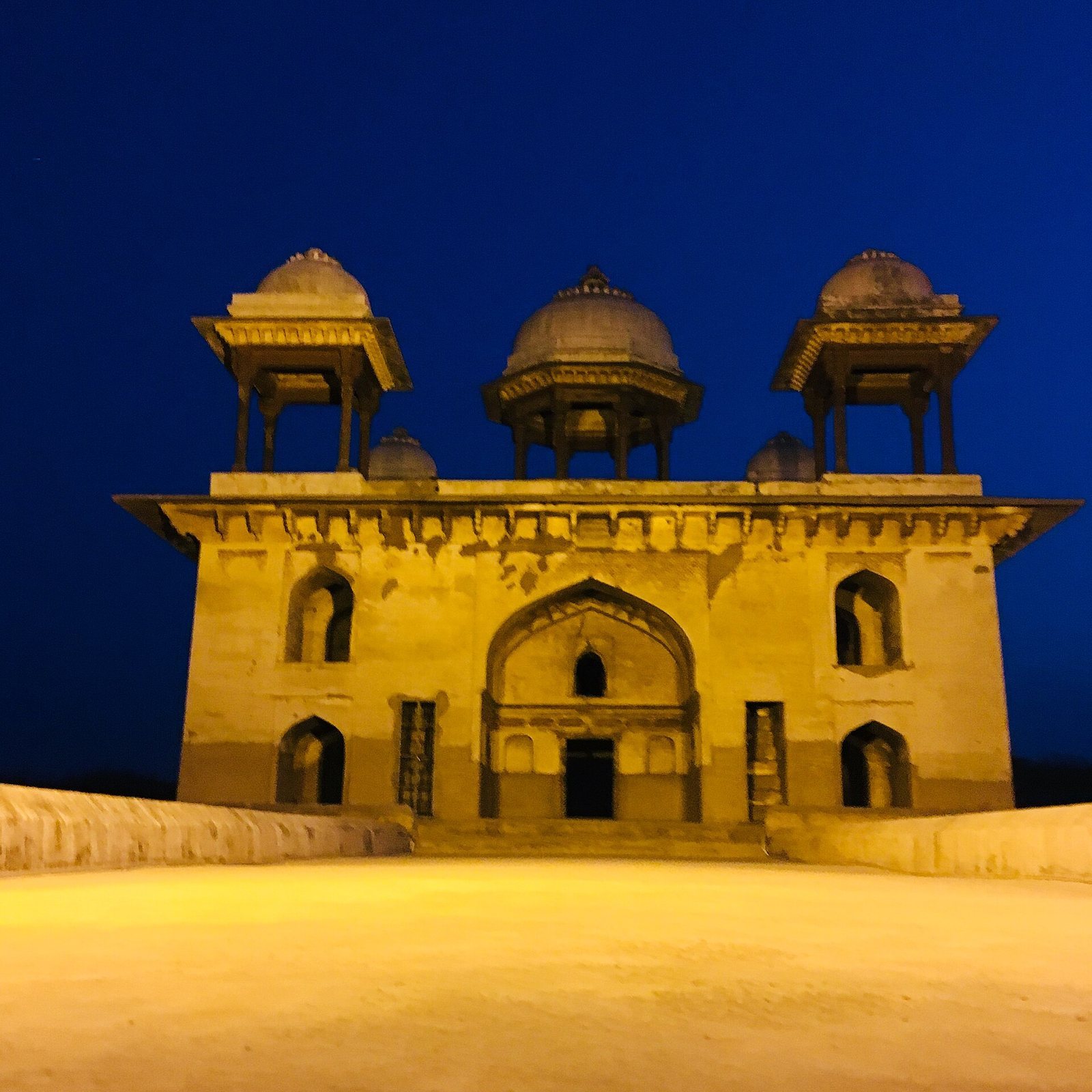
Jal Mahal is a late-sixteenth-century palace and fortification in Narnaul, Haryana, India. Shah Quli Khan, a Mughal noble, commander, and governor of Narnaul, built it in 1591 in a style comparable to other Mughal palaces and pavilions. The complex brought together a palace, fortification, and artificial lake.
Khan gained wealth during Akbar’s campaigns to conquer northern India. At the Second Battle of Panipat, he distinguished himself by wounding Hemu, a commander of the Suri dynasty, an Afghan ruling house. Akbar, emperor of the Mughal Empire, which ruled much of the Indian subcontinent, rewarded Khan with titles and wealth and appointed him governor of Narnaul.
After taking office, Khan sponsored several building projects in Narnaul. He first built a tomb for himself in 1574–75. His projects there had a personal character and were recorded in contemporary Mughal texts. About 15 years after the tomb was completed, he began work on Jal Mahal. Construction of the palace, its gateway, and the lake took two to three years.
Over the centuries, earth gradually accumulated in the lake. In the late twentieth century, it was cleared and the lake was restored.
Remains
The palace complex
Covering 11 acres, the complex combines a palace and fortification with a square artificial reservoir. A central island and a causeway extending into the reservoir formed part of the layout.
Reservoir and causeway
The square lake was designed to provide the palace’s occupants with a “second Kausar,” referring to the Pond of Abundance in Islamic paradise. A causeway reached toward the reservoir’s center, where builders laid the palace foundation.
Fortified gateway
A fortified gateway stood along the northern edge of the lake, forming an entrance to the complex.
Palace
The palace was decorated with artwork and carvings. Inscriptions celebrated Khan’s victory over Hemu.