Palazzotto di Orta San Giulio: Civic Government and Market Building
Site at a Glance
- Popularity
- Medium
- Country
- Italy
- Primary era
- Early Modern
- Eras represented
- Early Modern
- Civilizations
- Holy Roman Empire
- Site type
- Civic
- Remains
- Town Hall
On this page4 sections
History
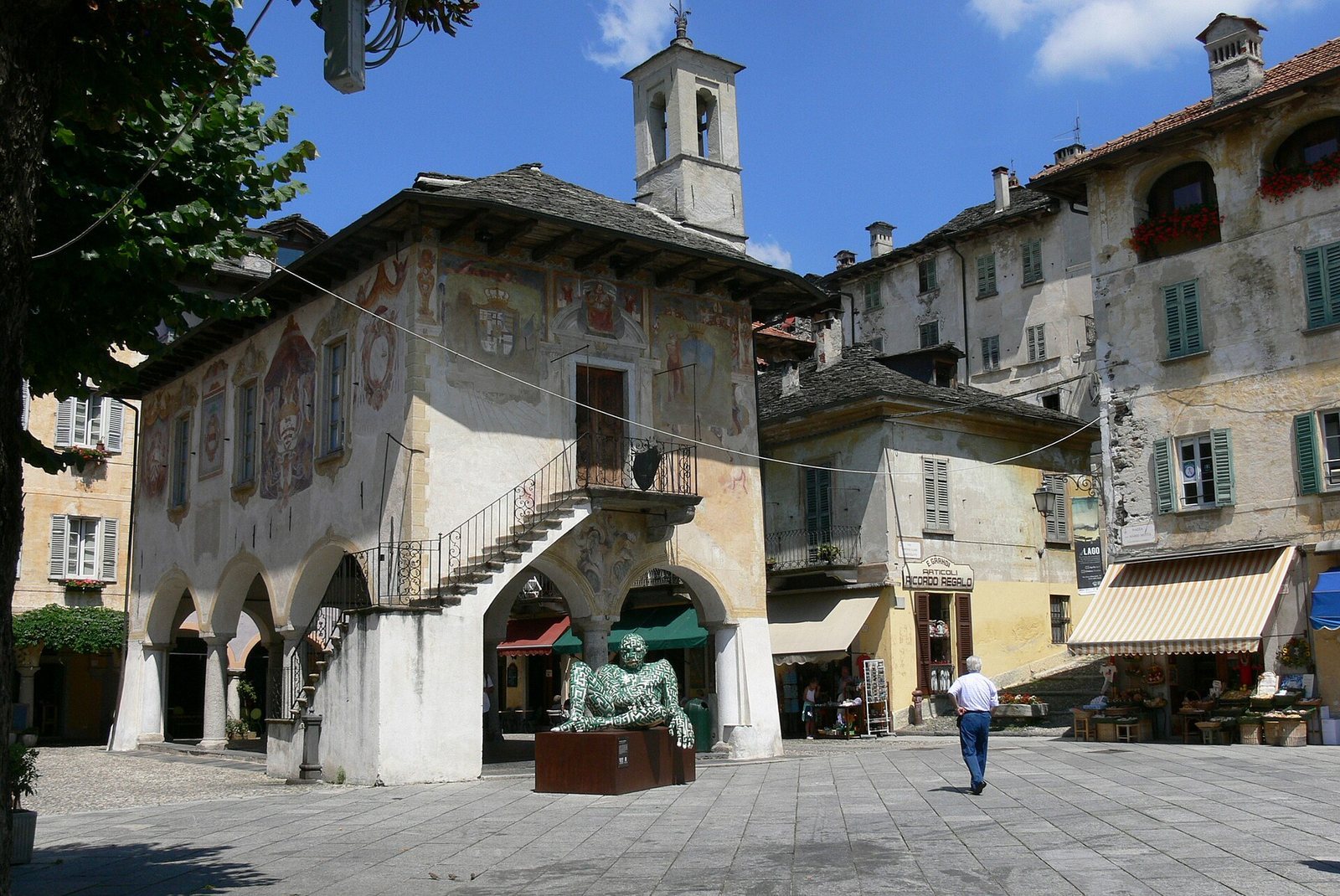
Located in Italy, the Palazzotto di Orta San Giulio is a civic government and market building erected in 1582. Also called the Broletto, a northern Italian term for a civic building associated with communal government, it became the seat of the General Council and remains one of the symbols of Orta San Giulio.
The upper part housed the council while the bishop of Novara held the lordship of Orta under the title Prince of San Giulio and Orta. The General Council included deputies from every village in the episcopal fief, a territory under a bishop’s feudal authority. Its members met each Wednesday, summoned by a bell.
The lower part has hosted the town market every Wednesday since the Palazzotto was built, and the market continues there. Restoration work in 2018–2019 aimed to reopen the building to the public and establish a City Museum inside.
Remains
Exterior and lower level
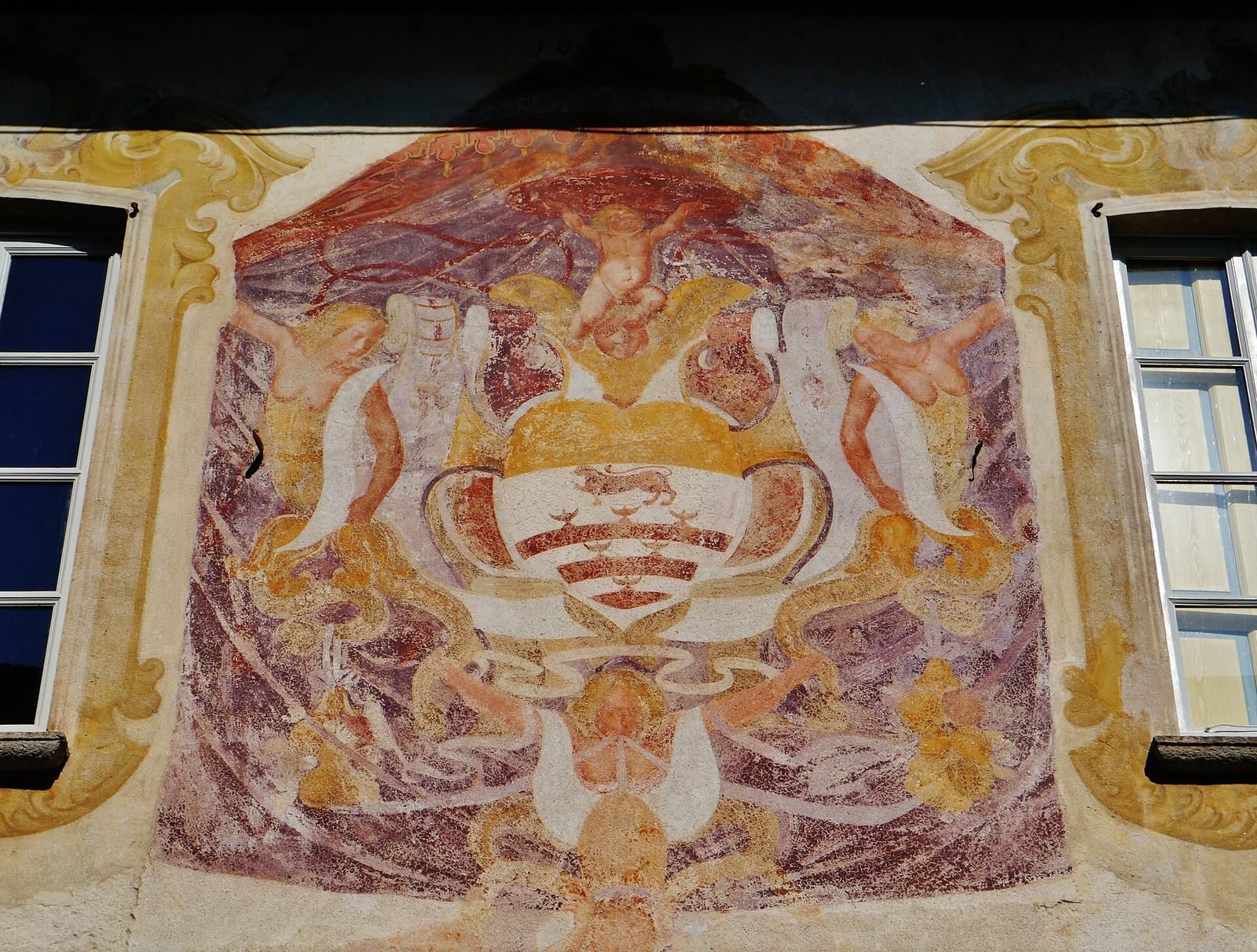
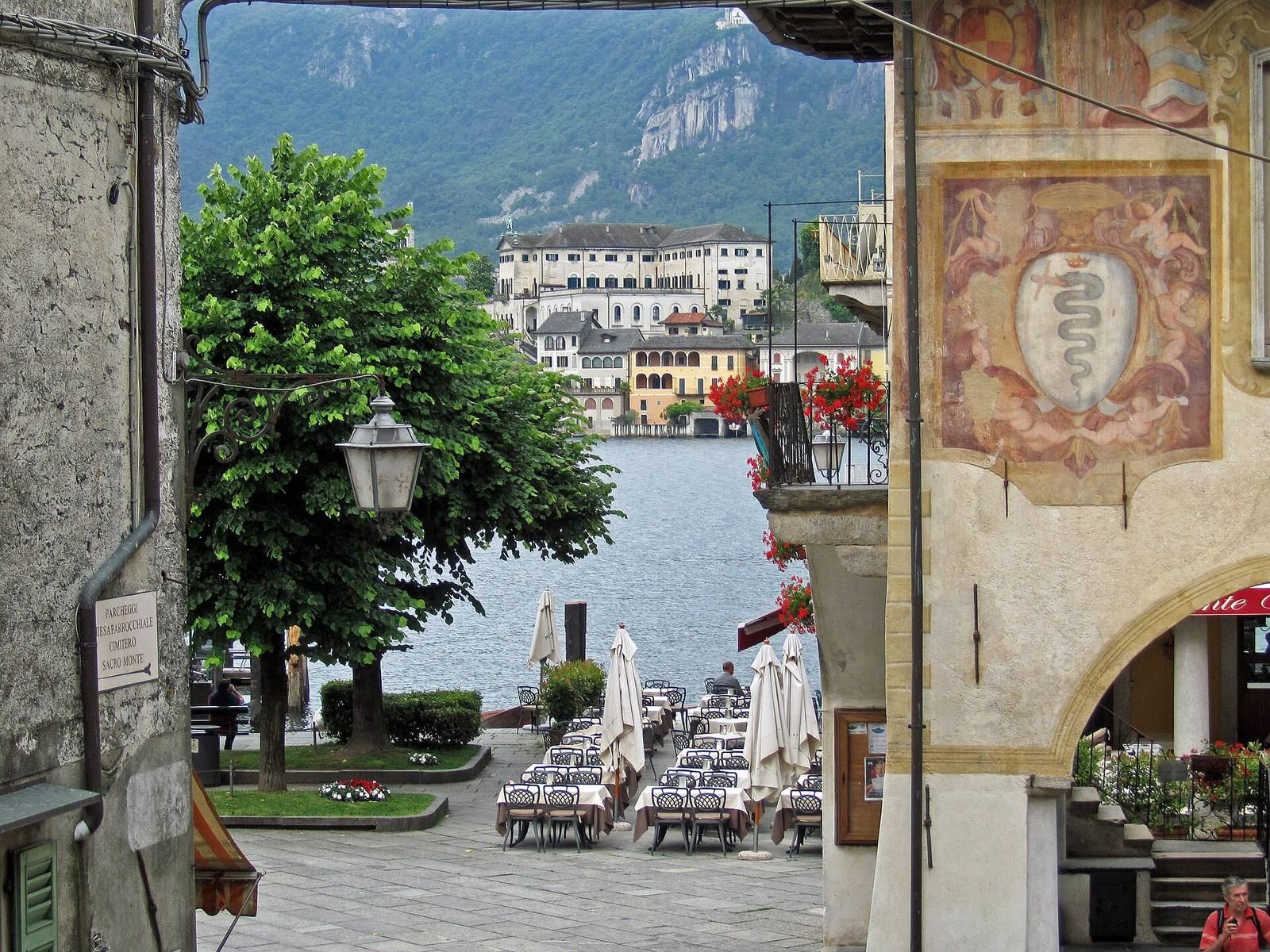
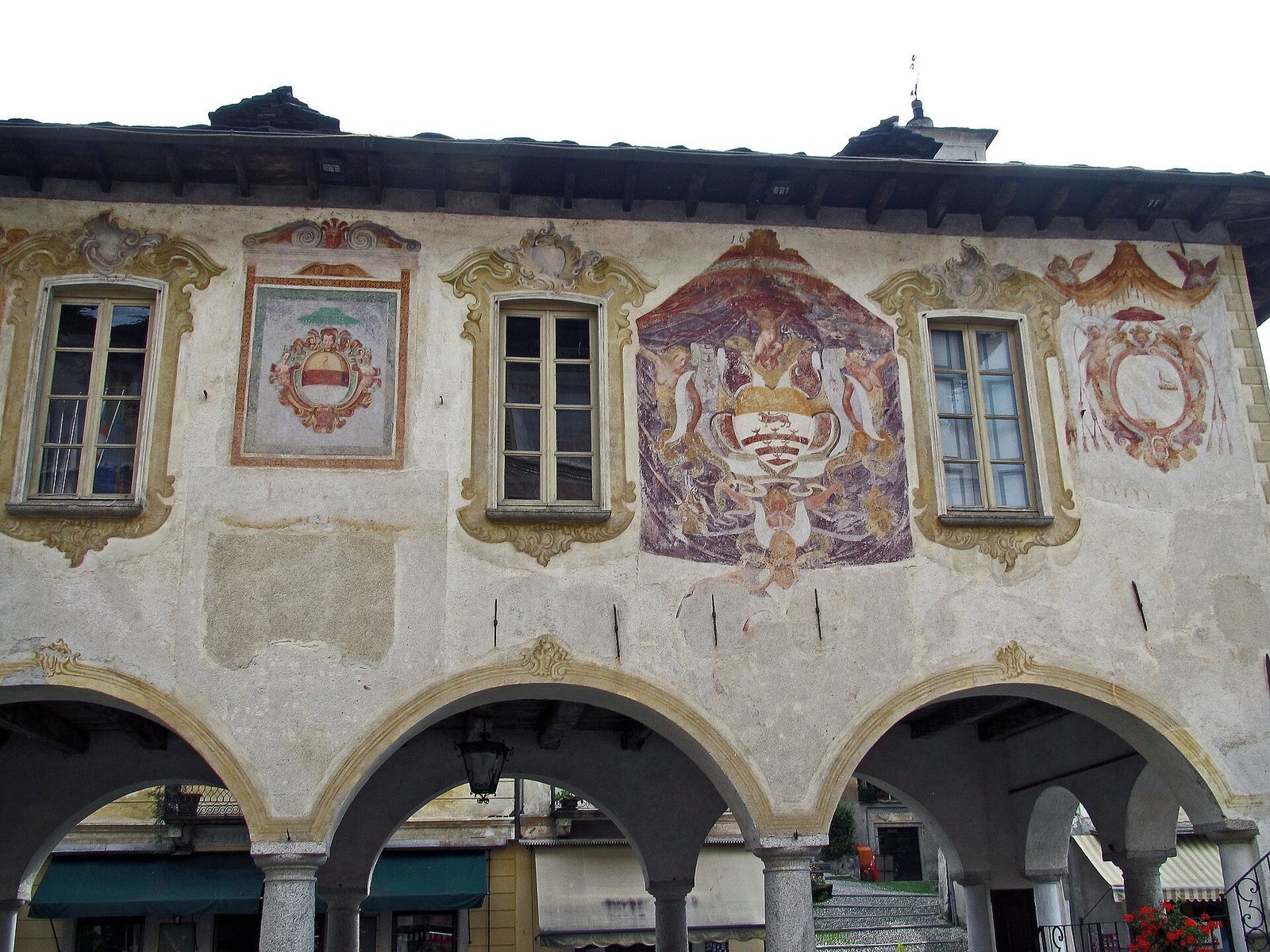
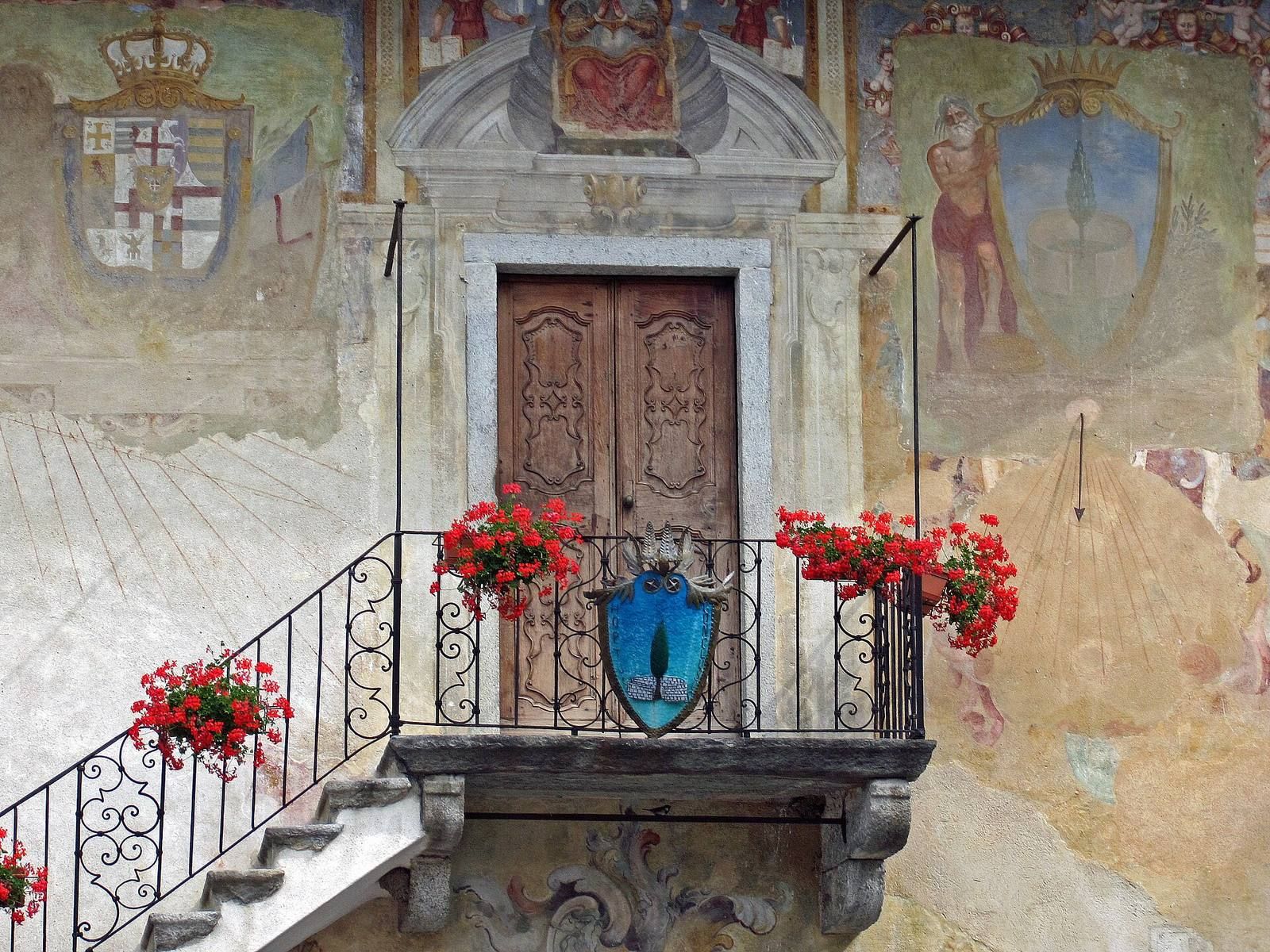
The Palazzotto stands in Piazza Motta, in central Orta San Giulio. Its lower level opens onto the square through a series of arches supported by piers. The exterior walls carry the coats of arms of several bishops of Novara, three sundials, and the Hortus Conclusus, or “enclosed garden,” the town’s emblem.
Council chamber
The council chamber occupies the building’s upper part. Its Baroque fresco, a wall painting made by applying pigment to wet plaster, belongs to a European artistic and cultural period. It depicts the Virgin Mary with Saint Julius of Novara, traditionally regarded as an early Christian missionary, and Saint Francis of Assisi, founder of the Franciscan order. The painting is attributed to Italian artist Giacomo Filippo Monti. A bell associated with council meetings remains visible and functional.