Žeimiai Manor: A Former Residential Estate in Lithuania
Site at a Glance
- Rating
- 4.1
- Popularity
- Low
- Country
- Lithuania
- Primary era
- Early Modern
- Eras represented
- Early Modern
- Civilizations
- Grand Duchy of Lithuania, Polish–Lithuanian Commonwealth
- Site type
- Domestic
- Remains
- Manor House
On this page9 sections
History
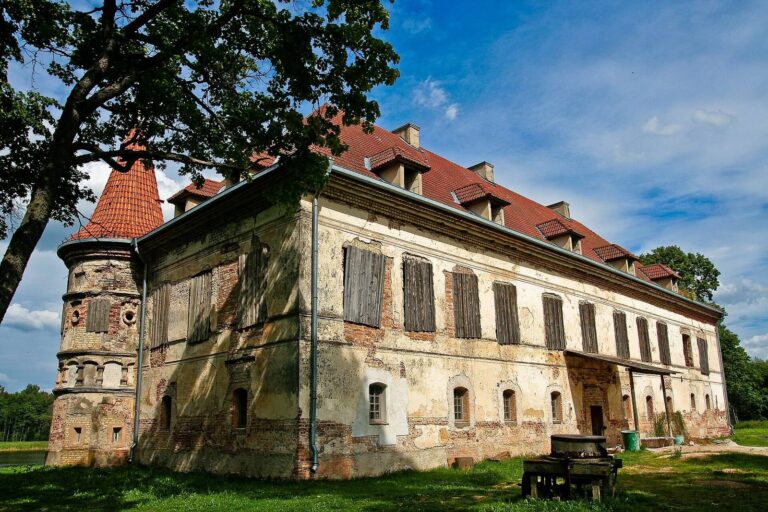
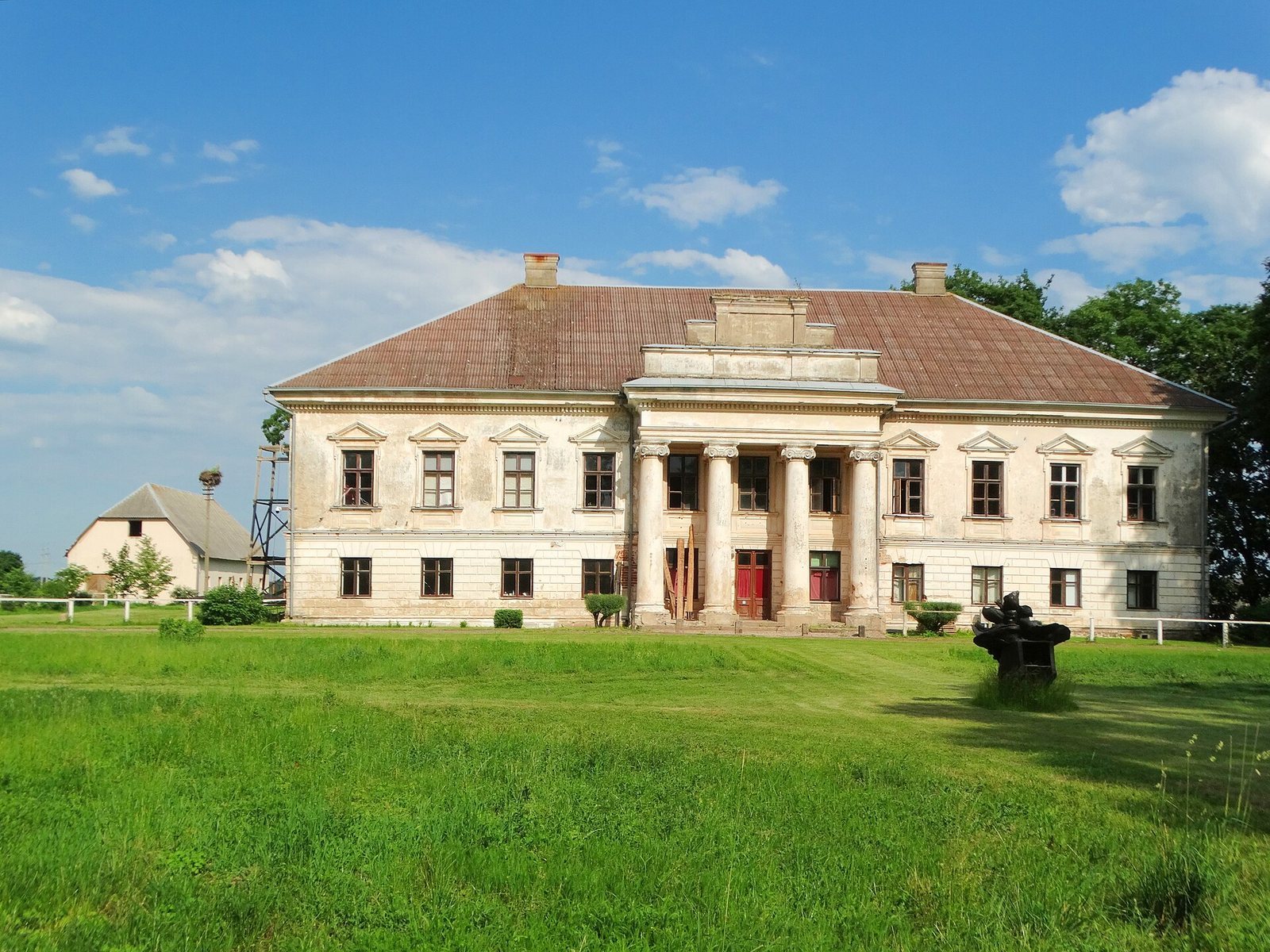
Žeimiai Manor is a former residential estate in Žeimiai, Lithuania. Its central manor house was built by D. Medekša between 1676 and 1690 and is described as late Classical Revival in style. The estate’s history reaches back to 1387, when Jogaila, then Grand Duke of Lithuania and later king of Poland, granted it to Skirgaila, a Lithuanian prince and ruler.
Early Ownership and Development
The estate later passed to the Zaviša family and, by the 17th century, to the Medekša family. In the 18th century, its owners also included members of the Čekavičiai and Navrilkovičiai families. A chapel was built on the estate during that century.
Kossakowski Ownership and Later Use
The Kossakowski family acquired the manor in 1780 and held it until nationalization in 1940. In 1890, the estate was inventoried and renovated. After the Second World War, the manor housed apartments and a library. From 1959 to 1965, it was used by an agricultural technical school, then as a school dormitory.
Privatization and Renewal
The manor was sold and privatized in 2000. Since then, the estate has hosted cultural and educational activities, art projects, and community celebrations. Renovation work is underway on the manor house.
Remains
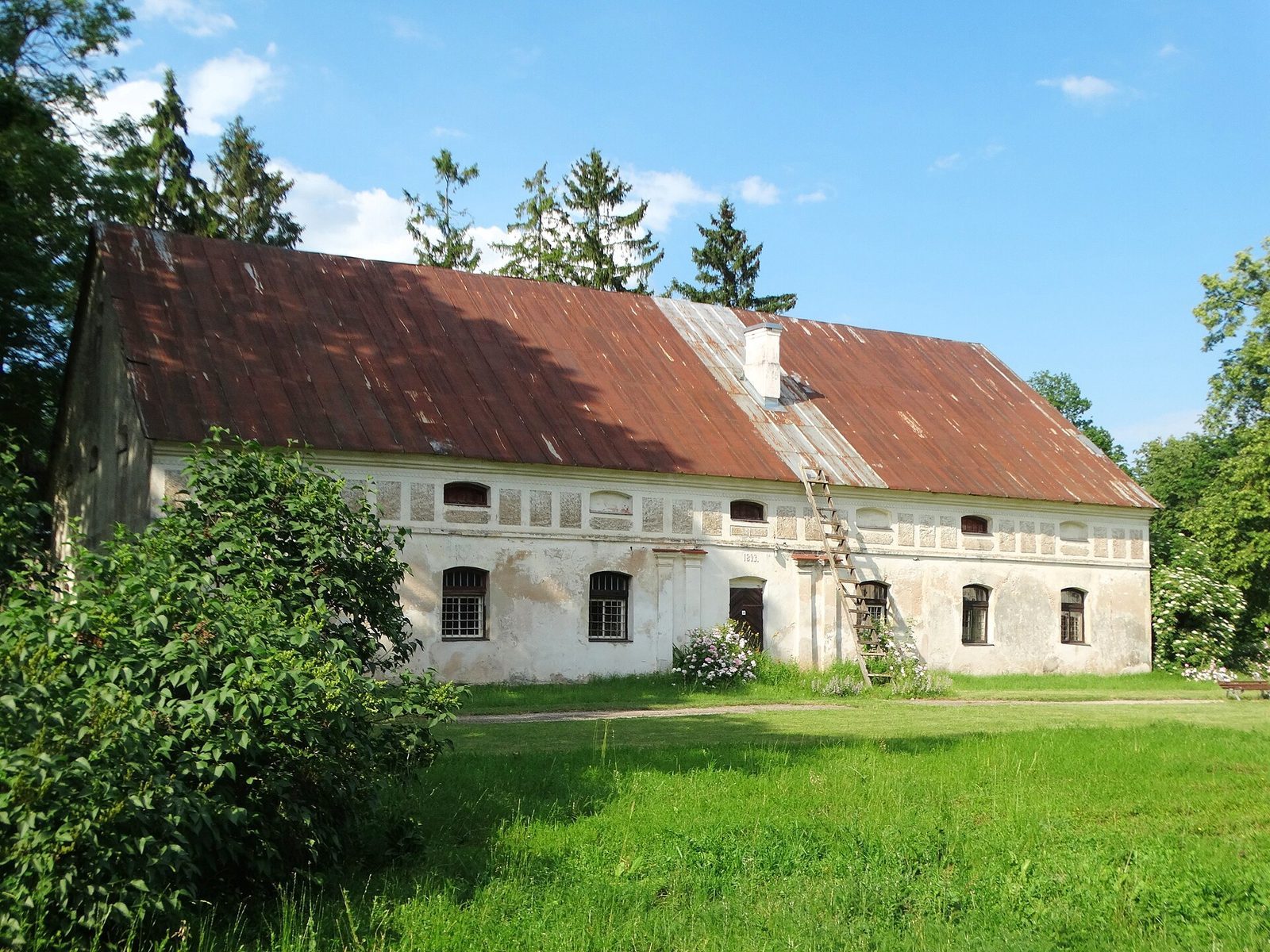
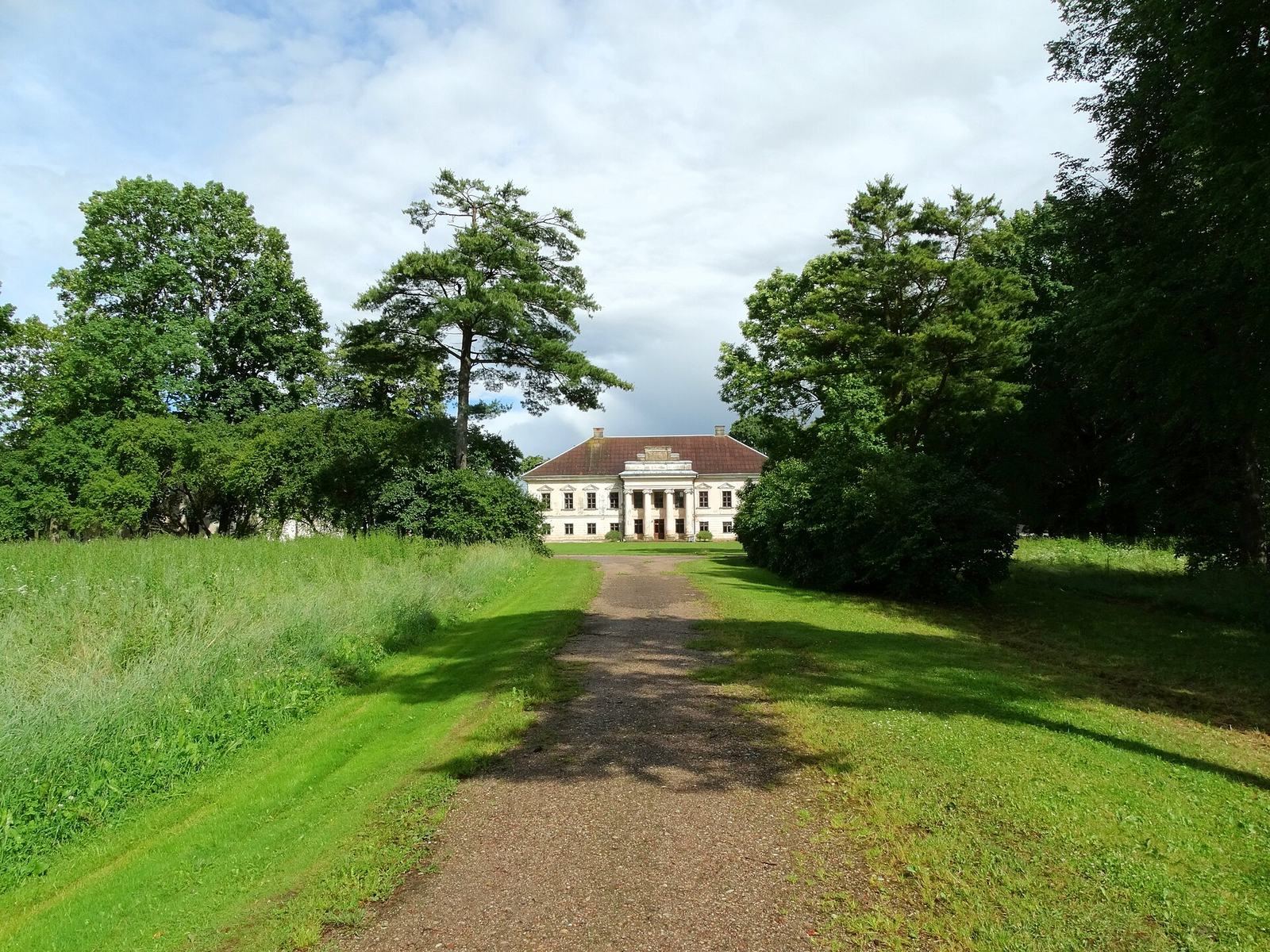
The estate includes a two-storey manor house, former service buildings, and a park. A linden avenue leads from the park toward the road between Jonava and Šėta.
Buildings
Manor House
The house has a strictly symmetrical form, with large pillars on its main façade. It formerly contained 25 rooms and stoves fitted with tin-glazed tiles in the Delftware tradition.
Former Service Buildings
A former servants’ house stands in front of the manor house and has been converted into a granary. Another building, described as the same size as the servants’ house, was converted into stables during the 19th century.
Park and Avenue
The estate park contains 20 plant species. Its linden-tree avenue runs from the park to the road between Jonava and Šėta.