Prestatyn Castle: A Norman Stronghold on the Coast Road
Site at a Glance
- Popularity
- Medium
- Country
- United Kingdom
- Primary era
- Medieval
- Eras represented
- Medieval
- Civilizations
- Norman
- Site type
- Military
- Remains
- Castle
History
Prestatyn Castle was a wooden motte-and-bailey stronghold in the United Kingdom, built by the Norman lord Robert Banastre in 1157. Its plan paired a raised earth mound, or motte, with an enclosed courtyard, or bailey. The castle guarded the coast road between Rhuddlan and Chester. In 1165, Henry II, king of England and the first ruler of the Plantagenet dynasty, granted Prestatyn to Banastre.
In 1167, Welsh forces led by Owain Gwynedd, ruler of the Welsh principality of Gwynedd, destroyed the castle. It was not rebuilt. The Banastre family left for Lancashire, where Robert established a house on land given to him by the Anglo-Norman lord Henry de Lacy, at the site now occupied by Bank Hall.
By 1279, the region was again under English control. Records from that time describe a manor house at Prestatyn rather than a fort.
Remains
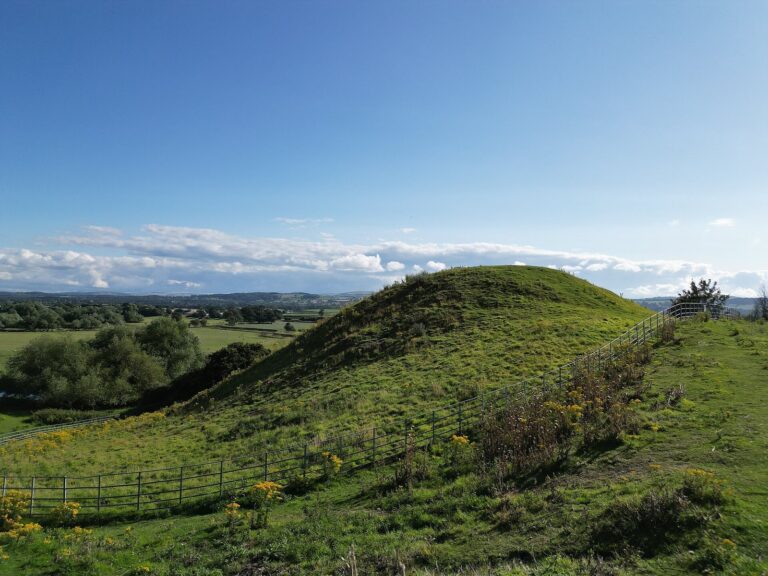
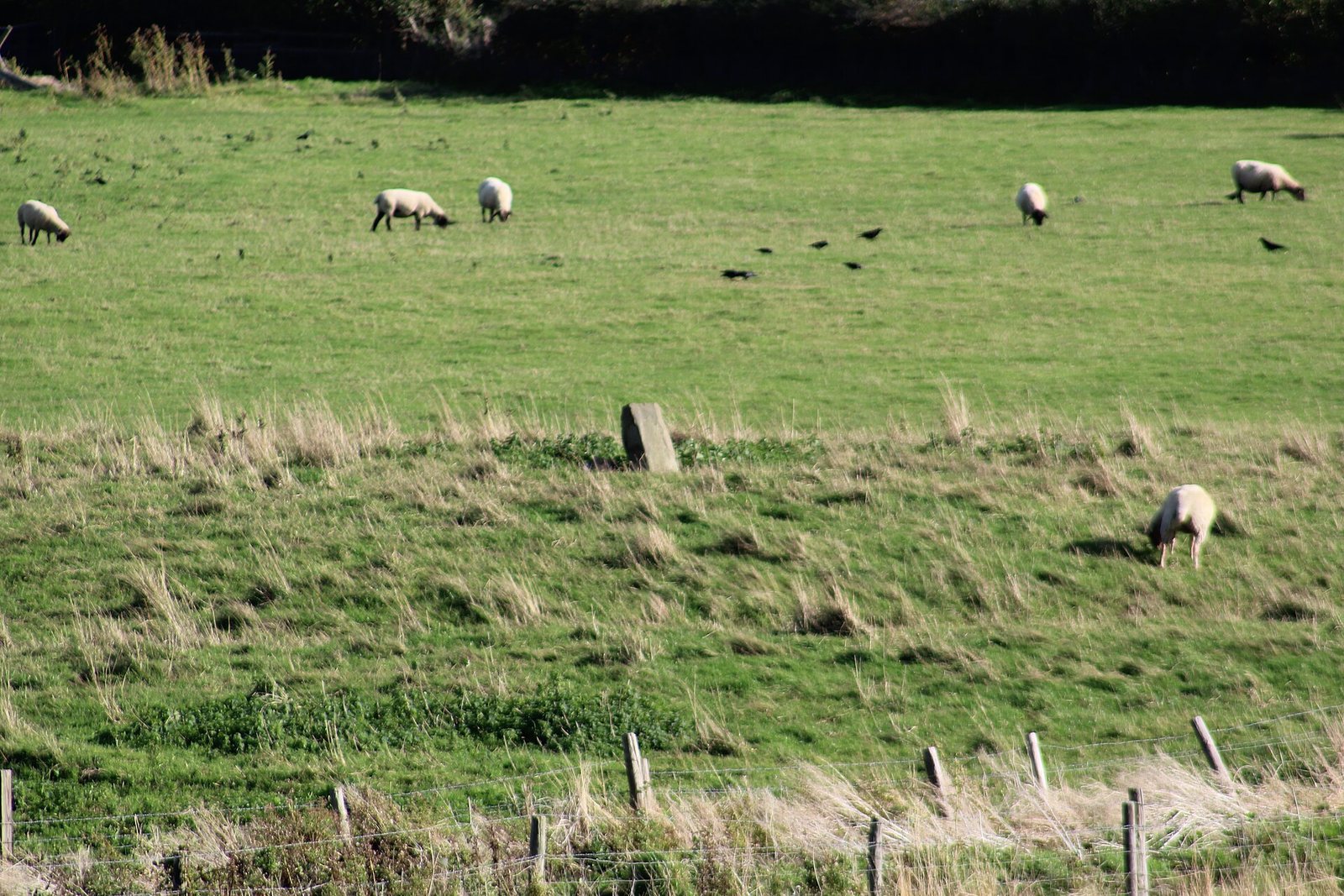
The castle stood on level ground on the coastal plain. Its surviving earth mound measures about 20 metres across and is surrounded by a ditch. The bailey enclosed the entire mound, an unusual arrangement. Although the site is low-lying, the mound afforded views across much of the plain. Excavations around 1913 revealed a substantial stone wall, about 1.2 metres thick, around the bailey.
A slightly raised causeway extends south from the site, with slight traces still visible. The mound and causeway remains lie in fields south of Prestatyn railway station, near Nant Hall.