La Royère Castle: A Medieval Water Castle in Belgium
Site at a Glance
- Popularity
- Medium
- Country
- Belgium
- Primary era
- Medieval
- Eras represented
- Medieval
- Civilizations
- County of Flanders
- Site type
- Military
- Remains
- Castle
On this page6 sections
History
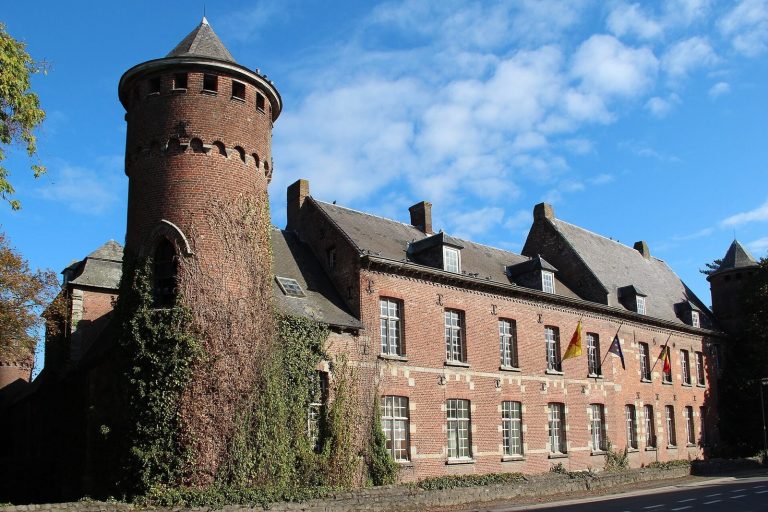
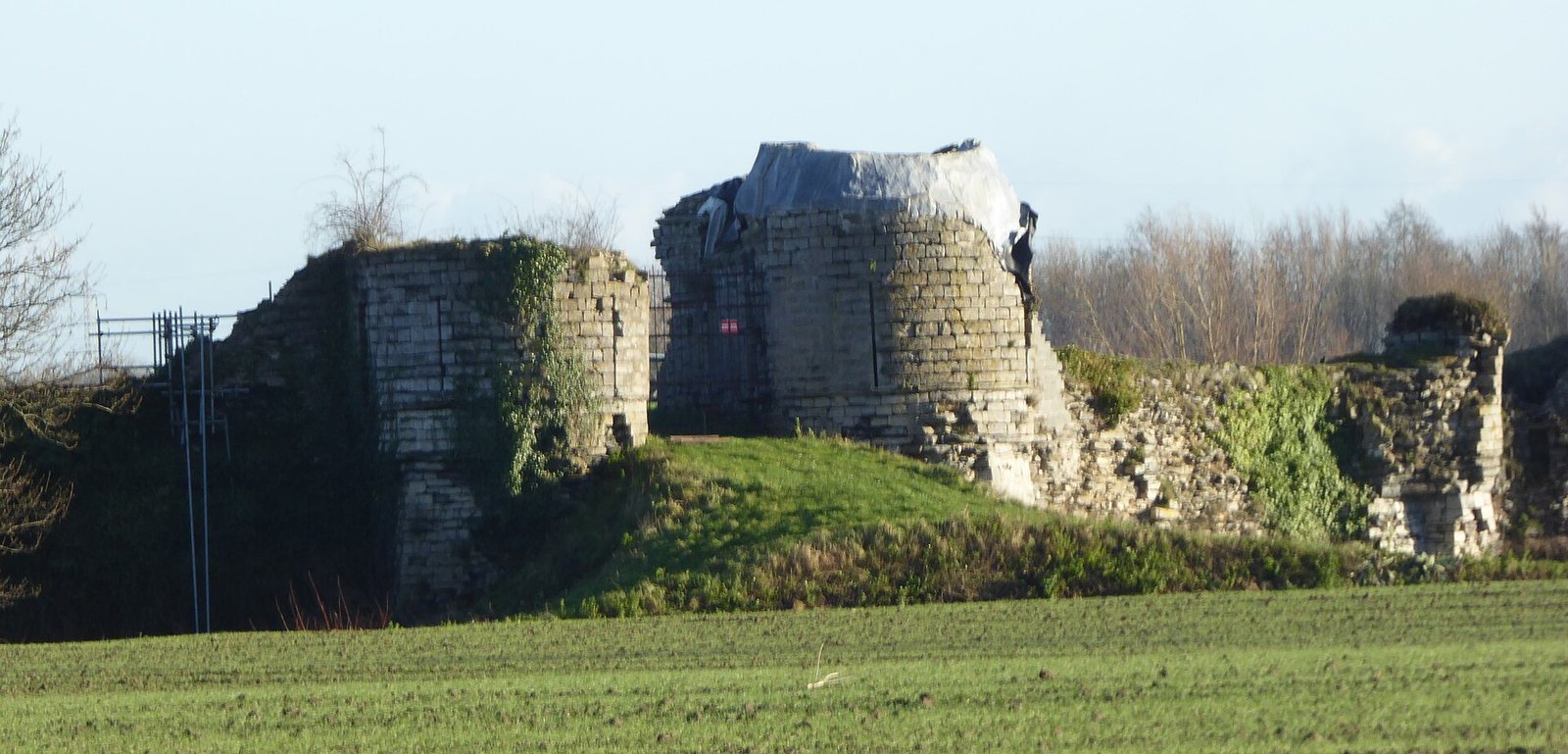
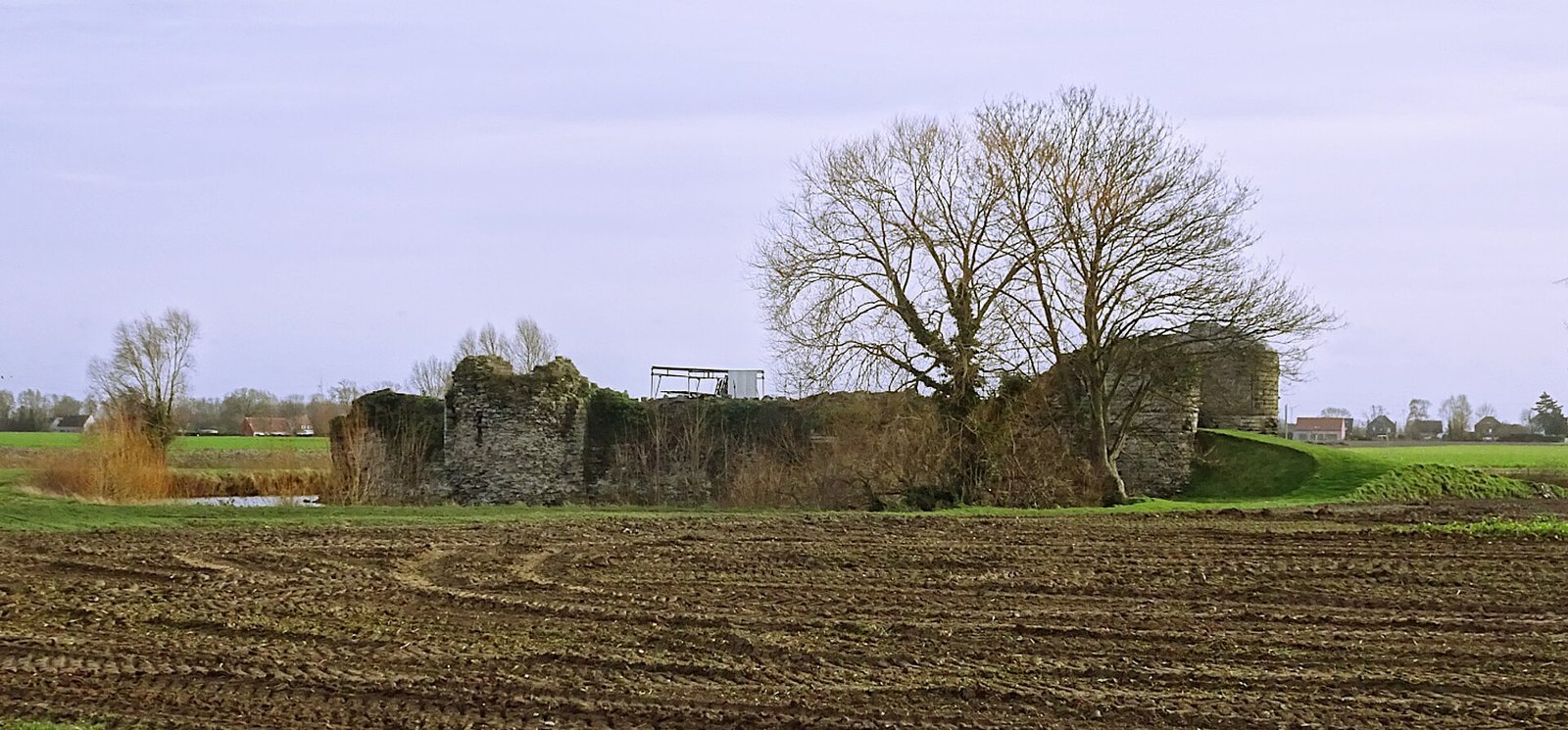
La Royère Castle is a ruined medieval water castle at Néchin, near Estaimpuis, Belgium. A water castle is a fortified residence associated with water, sometimes using it for defense. Arnaud d’Audenarde built the castle in the 13th century. Its Romanesque character belongs to a medieval European style associated with rounded arches and substantial masonry. The castle’s strategic position helped block armies approaching the Flemish plains from the south and defend the surrounding territory.
Estate origins and castle tradition
The earliest known references to the estate date to the 11th century. It belonged to Ingebrand de Wattrelos, who received it as a dowry when he married Havide de Néchin.
An unauthenticated chronicle links the castle to Raoul de la Royère, a Flemish castellan, or castle commander, and his wife, Berthe de Verdun. It portrays Raoul as deeply hostile toward Berthe and recounts his plan to recover the family’s possessions. The story ends with the deaths of all the family members at the castle.
Medieval conflicts and decline
Arnaud d’Audenarde was a Flemish crusader and bailiff of Flanders, an official responsible for administering a territory. He was also noted for his role in the Battle of Bouvines, a major 1214 battle in which French forces defeated a coalition led by Holy Roman Emperor Otto IV.
La Royère Castle was held by a French garrison during the Battle of the Golden Spurs, a 1302 conflict between French and Flemish forces near Courtrai. After the battle, Flemish militias from Lille, Courtrai, and Ypres attacked the castle.
During the Hundred Years’ War, a prolonged series of conflicts between the English and French crowns conventionally dated from 1337 to 1453, robber knights took up residence there. As artillery grew more important, the castle became less valuable as a stronghold and was eventually abandoned.
Protection and conservation
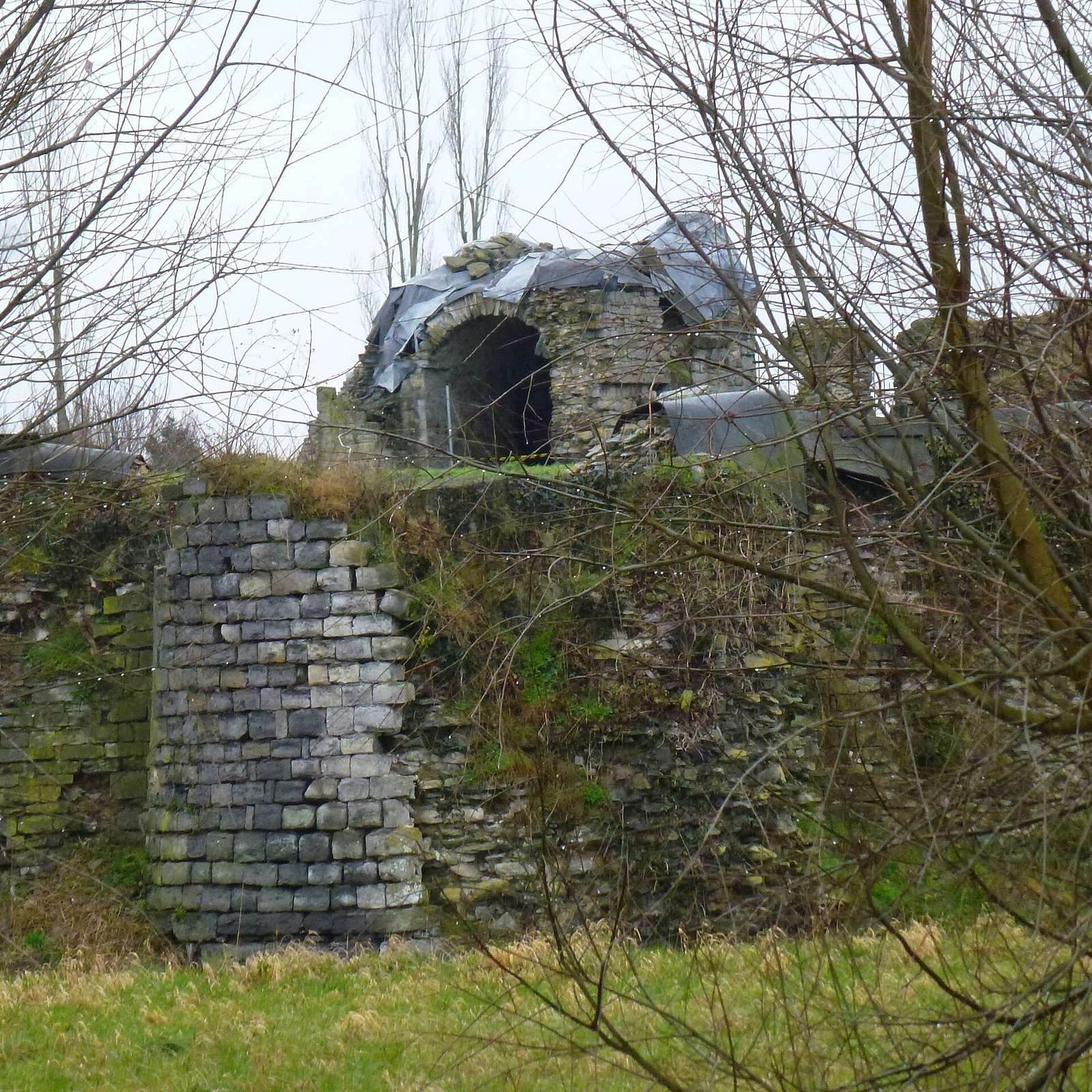
The castle was classified as protected heritage in 1944 and is also included on Estaimpuis’s protected-heritage list. Conservation work is underway to prevent further deterioration.
Remains
Surviving ruins
The castle now stands in ruins between the Lys and Scheldt rivers and the village of Spiere. It is described as one of the area’s oldest water castles.
A print by Jan Baptiste de Jonghe depicts the ruins in 1810.