Stecklenburg: A Medieval Hill Castle in Germany
Site at a Glance
- Popularity
- Medium
- Country
- Germany
- Primary era
- Medieval
- Eras represented
- Medieval
- Civilizations
- Holy Roman Empire
- Site type
- Military
- Remains
- Castle
History
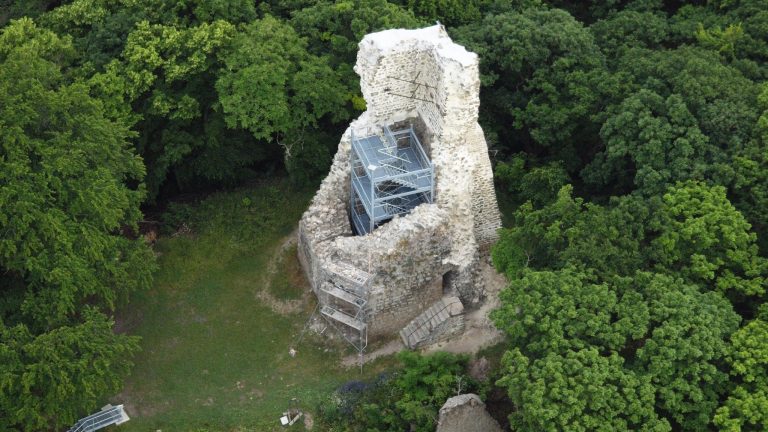
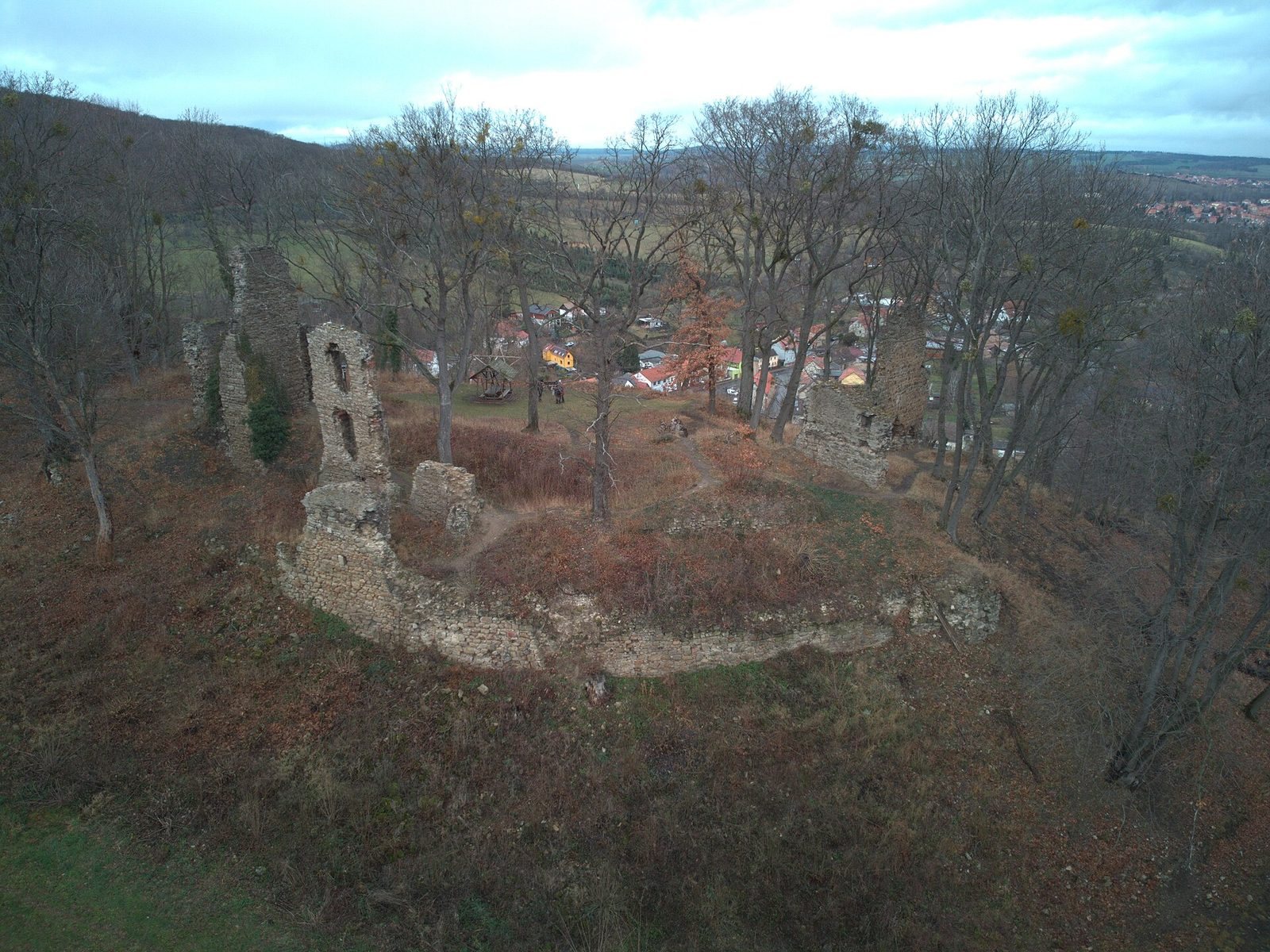
Stecklenburg is a ruined hill castle in Germany, south of Stecklenberg, built by the Stackelberg family in the 11th century on the remains of an older castle. It was destroyed in a battle during the 12th century and later rebuilt. Knights of Stecklenberg held it in the 12th and 13th centuries. Their descendants are believed to have moved to the Baltic region, and Henricus de Stackelberg was first recorded in Riga in 1306.
In 1281, an ecclesiastical foundation at Halberstadt, an endowed religious institution, became the castle’s owner. Stecklenburg remained occupied until the beginning of the 18th century. Several buildings, including its brewery and chapel, were then demolished, and the ruined castle was used as a quarry. An objection by Thale’s senior forester helped prevent its complete destruction, and he worked to preserve the remains. Stecklenburg is now a protected monument.
Remains
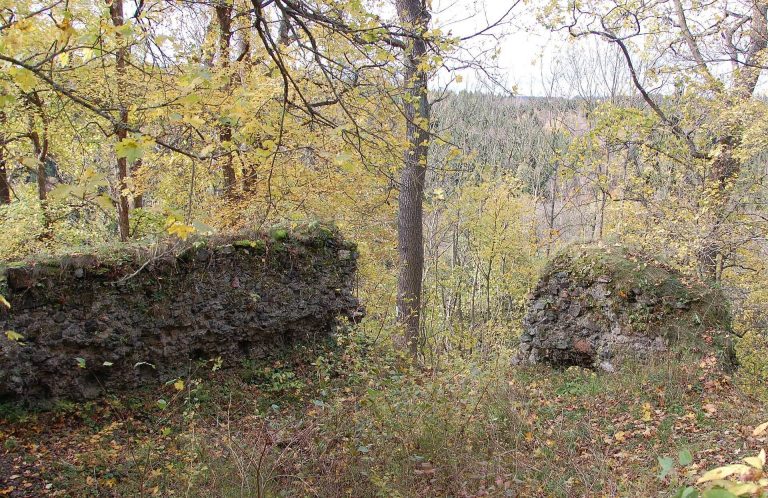
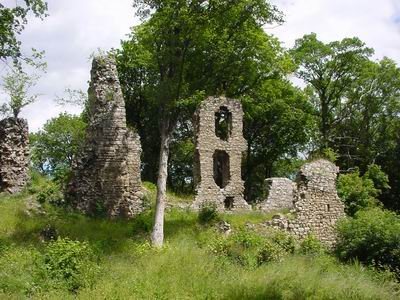
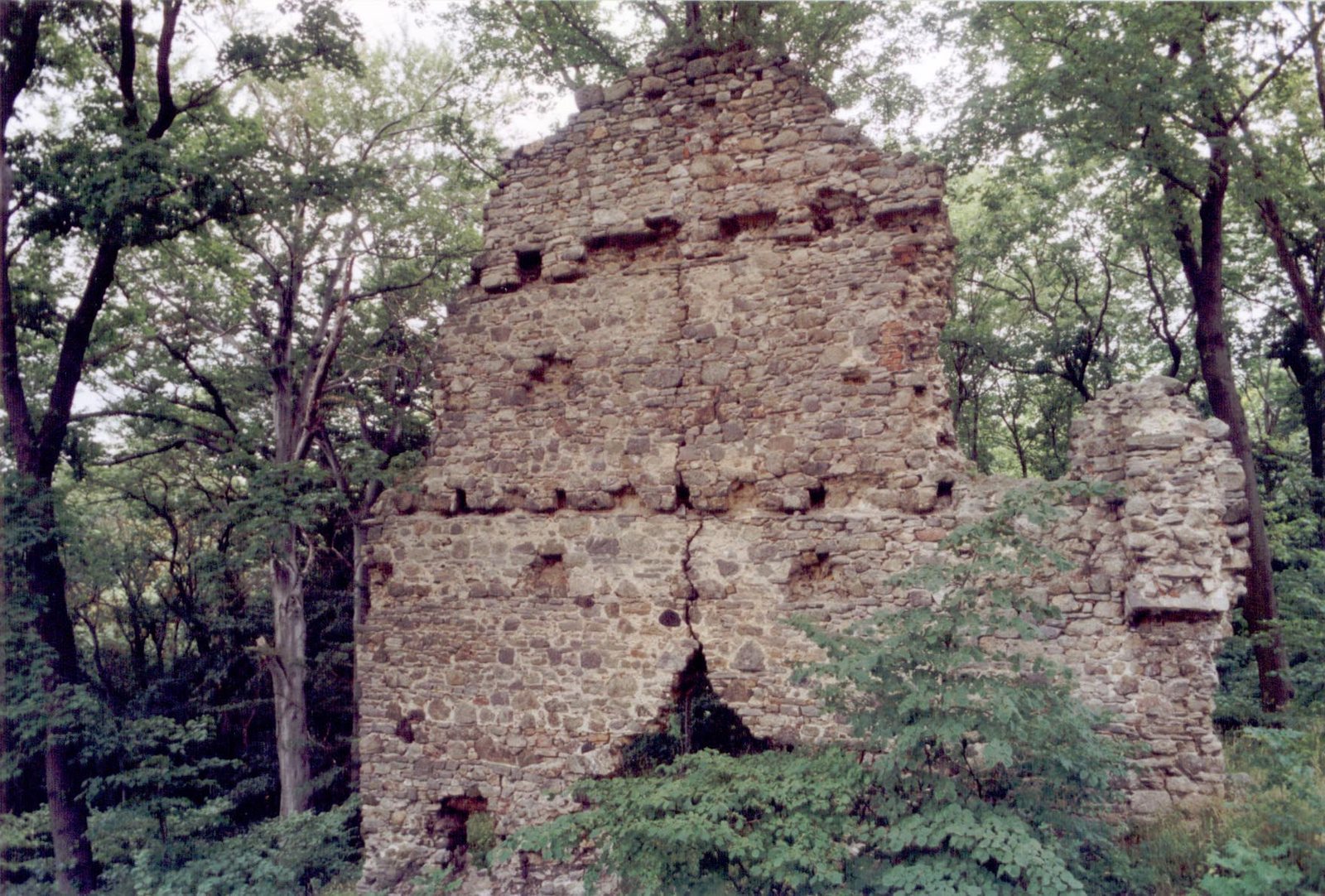
The hill castle stands on the northeast slope of Burgberg, a northern spur of the Ramberg massif. Burgberg reaches 356.1 metres above Germany’s national elevation datum. Surviving remains include wall sections from residential buildings, the residential hall, and the keep, the castle’s principal fortified tower, as well as the gable front of another building. The two-part ruins of Lauenburg Castle lie about 630 metres southwest of Stecklenburg.