Gatterburg Castle: A Late Neoclassical Residence in Pasing
Site at a Glance
- Rating
- 4
- Popularity
- Very Low
- Country
- Germany
- Primary era
- Modern
- Eras represented
- Modern
- Civilizations
- Kingdom of Bavaria
- Site type
- Domestic
- Remains
- Castle
On this page5 sections
History
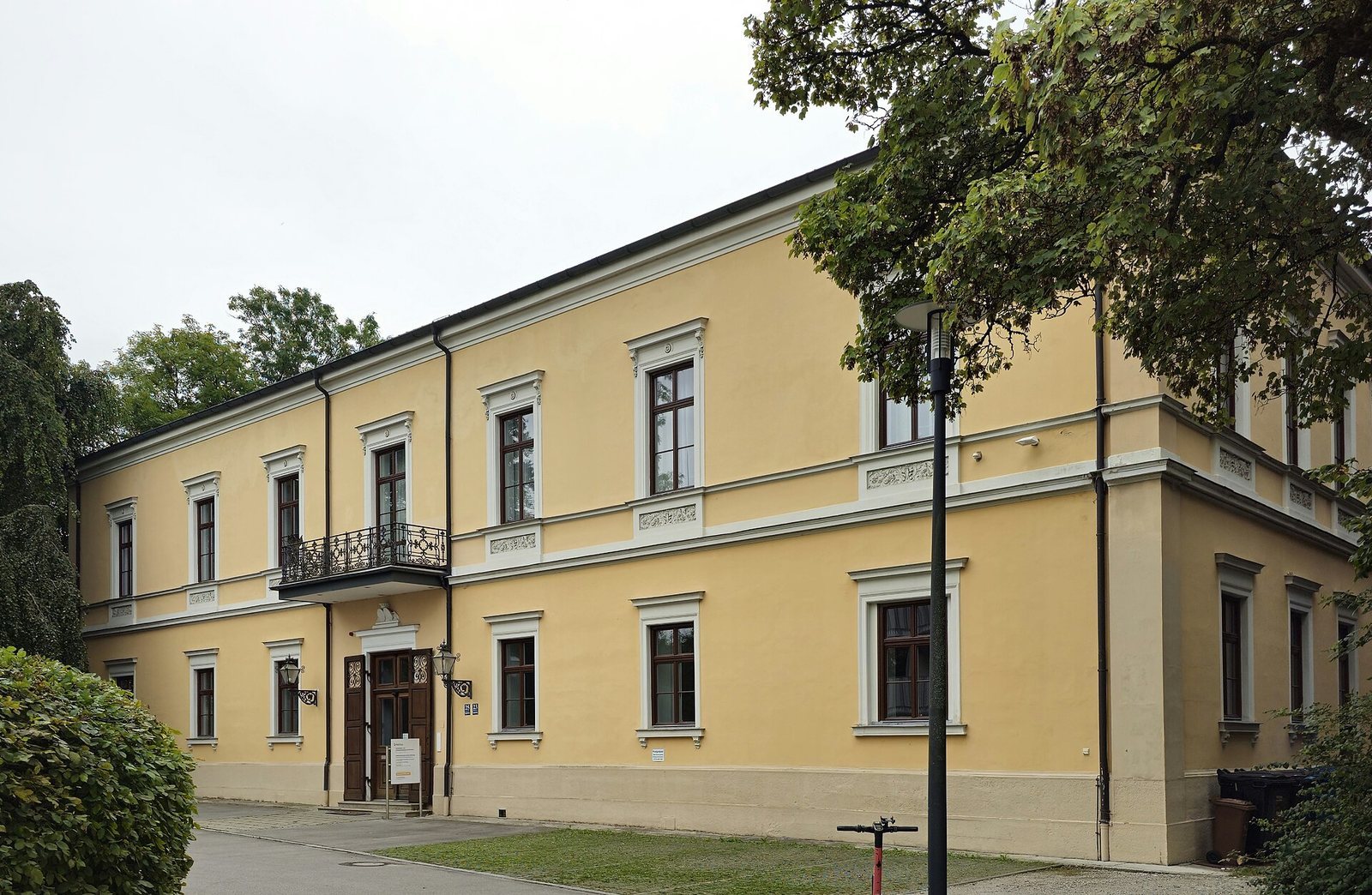
Gatterburg Castle is a late Neoclassical residence in Pasing, western Munich, Germany, built from 1869. Neoclassical architecture draws on forms and principles associated with ancient Greek and Roman design.
Royal country residence
In October 1814, Maximilian I Joseph, Bavaria’s first king, bought Schloss Pasing from the Berchem family. The earlier castle stood on an island in the Würm. Maximilian had it demolished and a country residence built at the present site, about 200 metres south. In 1817, he gave the new residence to his son, Prince Karl.
The Gatterburg family
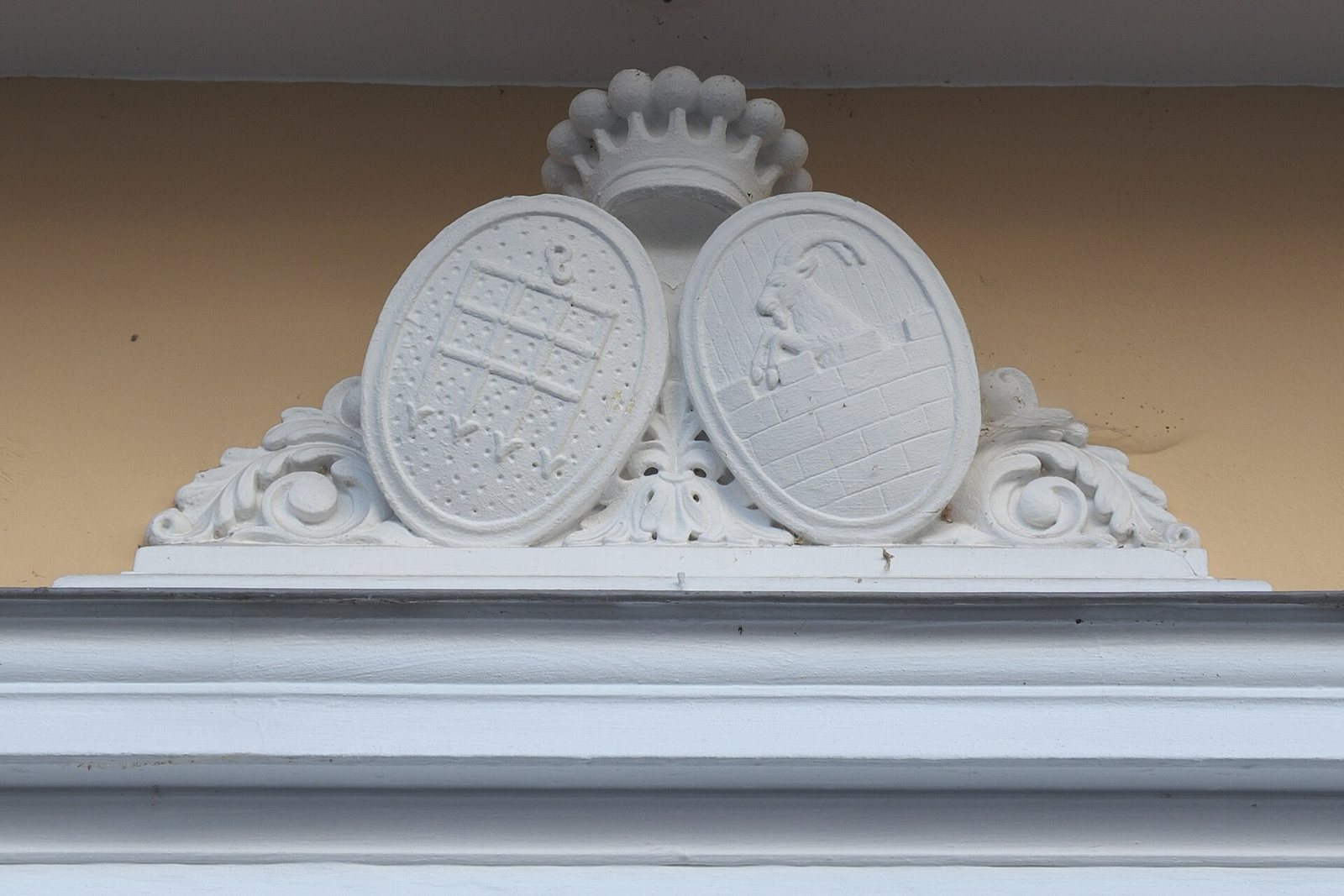
Knight Felix von Hilz owned the estate from 13 June 1834. In 1841, it passed to Baron Karl von Beck, who founded the Pasing paper mill. Beck’s daughter Pauline married Imperial Count Franz von Gatterburg. When her father died in 1862, she brought the mill and country residence to her husband. Franz had part of the residence demolished and replaced it with the castle that bears his family name.
Institutional and later use
From 1923, the Passionists, a Catholic congregation whose spirituality centers on the suffering and death of Jesus, used the castle as a monastery and boarding school. Beginning in 1970, the State Institute for Training Teachers at Realschulen used rooms in the building. Realschulen are German secondary schools traditionally combining practical and general education. The building was renovated in 1999 and is now used as offices.
Remains
The two-storey castle has a shallow hipped roof, which slopes down on all sides at a low pitch. Its construction incorporates an older cellar with a cross vault, formed by intersecting barrel vaults.