Thetford Priory: A Cluniac Monastery in Norfolk
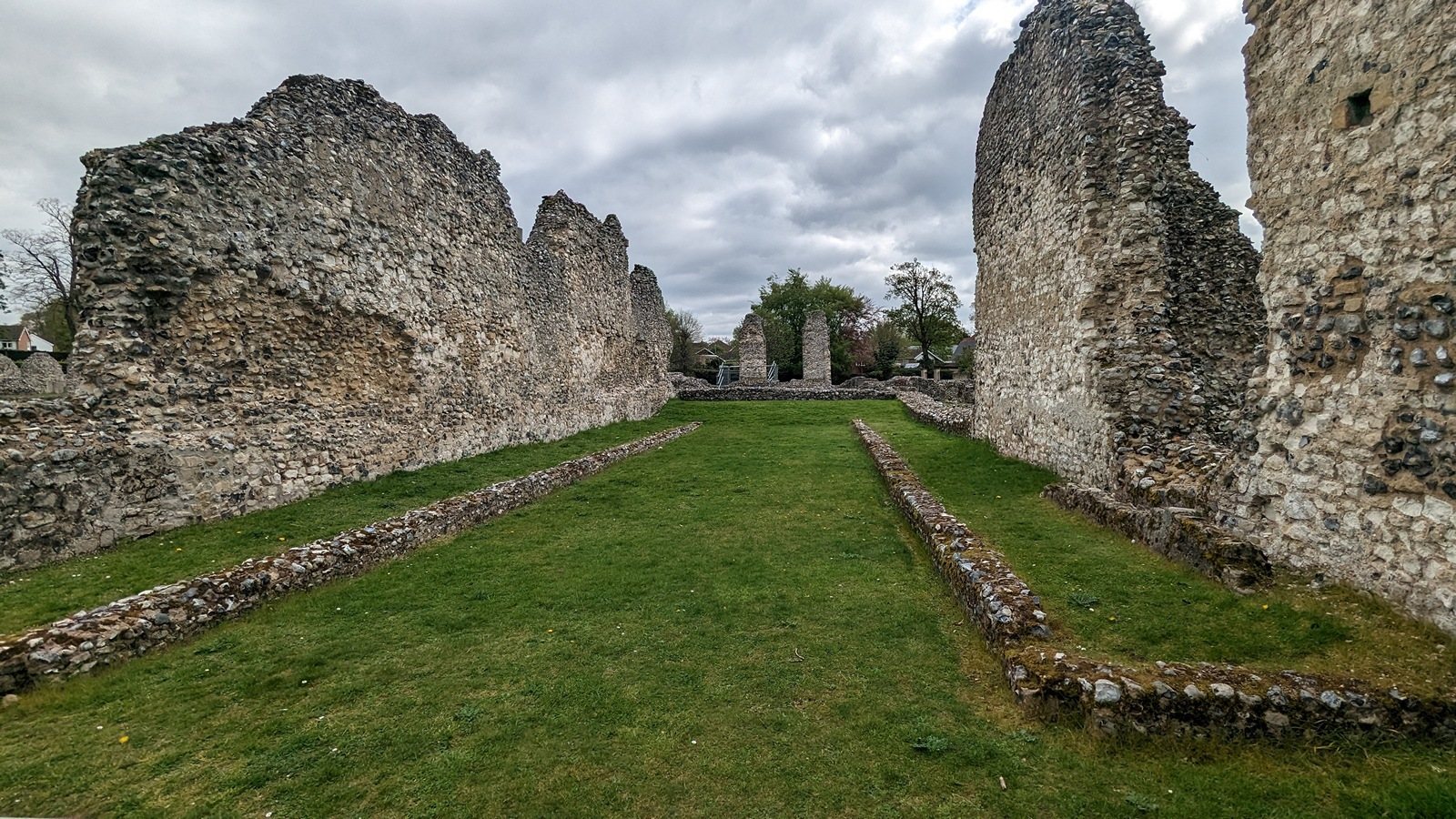
Site at a Glance
- Popularity
- High
- Country
- United Kingdom
- Primary era
- Medieval
- Eras represented
- Medieval
- Civilizations
- English
- Site type
- Religious
- Remains
- Monastery
On this page10 sections
History
Foundation and relocation
Thetford Priory was a Catholic monastery on the Norfolk side of the River Little Ouse in the United Kingdom. Founded and consecrated in 1103 by Roger Bigod of Norfolk, it followed the Cluniac tradition, a reform movement within Benedictine monastic life associated with Cluny. Bigod established the priory in fulfilment of a vow to make a pilgrimage to the Holy Land. It became one of the most important monasteries in East Anglia.
The first community settled in an abandoned cathedral church of the East Anglian bishops on the Suffolk bank of the river. Wooden monastic buildings or cells were erected, and Benedictine monks from St Pancras Priory at Lewes arrived in 1104. A new prior soon judged the location too crowded by nearby houses and without enough room for a guesthouse. Bigod granted the monks open land across the river, on the Norfolk side, and they moved there on St Martin’s Day in 1114.
Pilgrimage and monastic life
A 13th-century tradition held that the Virgin Mary had appeared to local people and asked them to establish a chapel in her honour. The statue associated with this devotion drew pilgrims to the priory. At a visitation by representatives from Cluny in 1390, the community numbered 22 monks and held six masses each day, three of them sung. The monks also set aside a tenth of their bread for the poor and observed their obligations under the Cluniac rule.
The priory was a burial place for members of the Bigod and Howard families, as well as other nobles. Those buried there included Roger Bigod; Hugh and Roger Bigod, the first and second earls of Norfolk; John Howard, the first duke of Norfolk; Thomas Howard, the second duke of Norfolk; Anne of York, daughter of Edward IV; John de Mowbray, the third duke of Norfolk; and Henry FitzRoy, the first duke of Richmond and Somerset.
Dissolution and later history
In 1539, Thetford’s mayors and burgesses petitioned Thomas Cromwell, a leading minister of Henry VIII. They argued that suppressing the priory would leave townspeople at risk of severe poverty because their livelihoods depended on pilgrims. Thomas Howard, the third duke of Norfolk, proposed converting the priory into a collegiate church, a church served by a body of clergy. Under his plan, Prior William would become dean, while former monks served as six prebendaries, clergy supported by endowed income, and eight secular canons, who did not live under a monastic rule. Henry VIII rejected the proposal.
The priory closed in 1540 during the Dissolution of the Monasteries, the crown-led suppression of religious houses in England under Henry VIII. It was among the last priories to be dissolved and passed into the possession of the Duke of Norfolk. William Ixworth, appointed prior in 1518, was its last head. Demolition took place in 1536 and 1540. When the priory closed, the tombs of John and Thomas Howard, Anne of York, and Henry FitzRoy were transferred to St Michael the Archangel at Framlingham.
The priory was listed in 1948 and received Grade I status in 1951, the highest listed-building category in England. The gatehouse also has Grade I status.
Remains
The monastic site
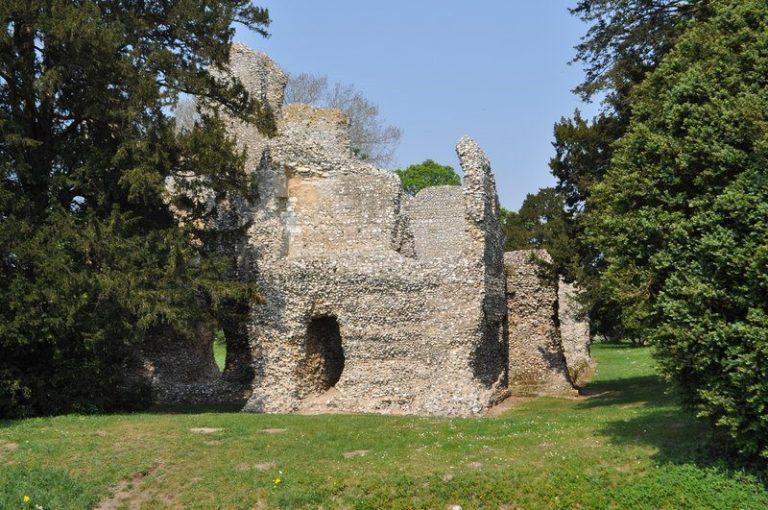
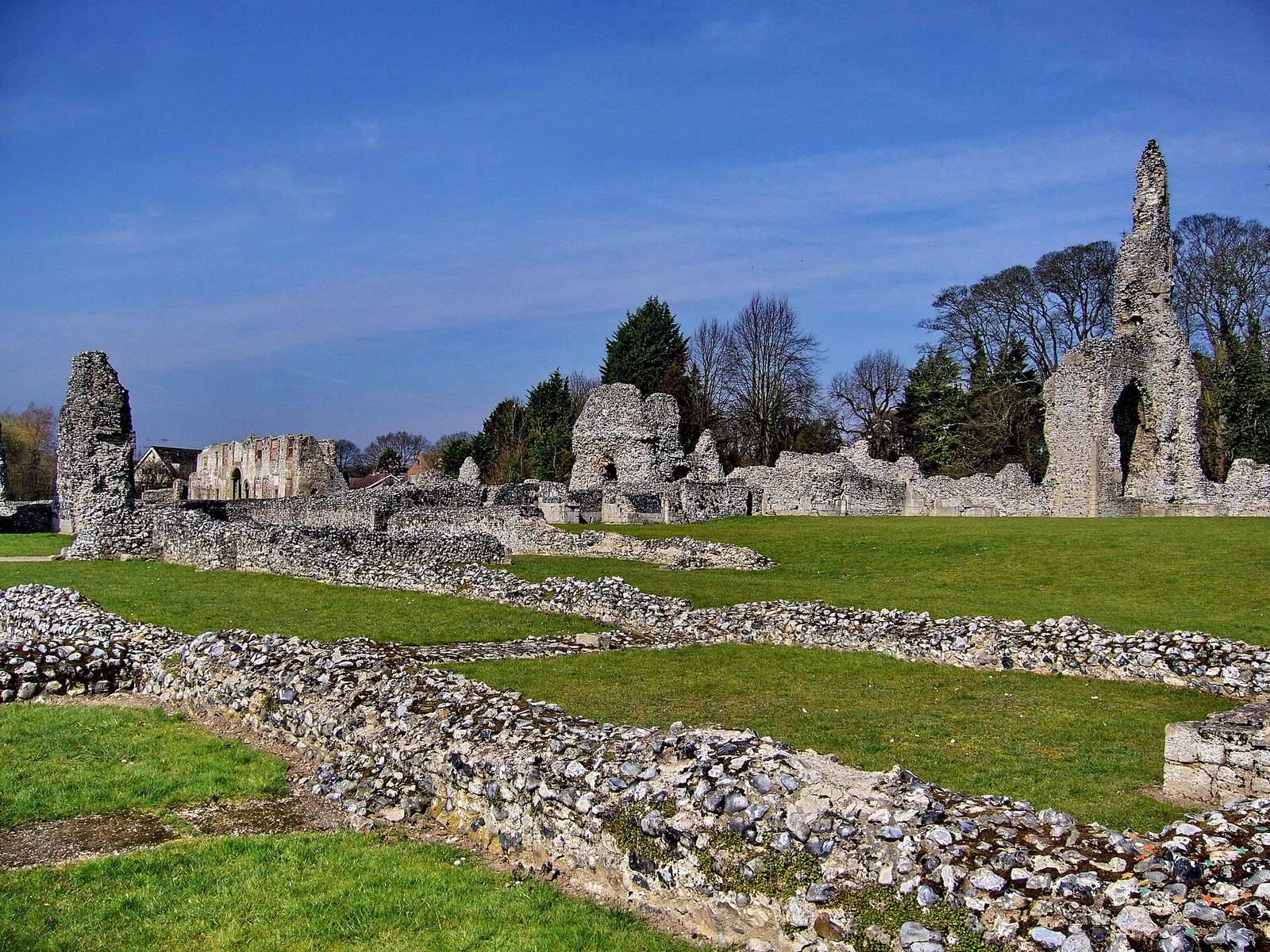
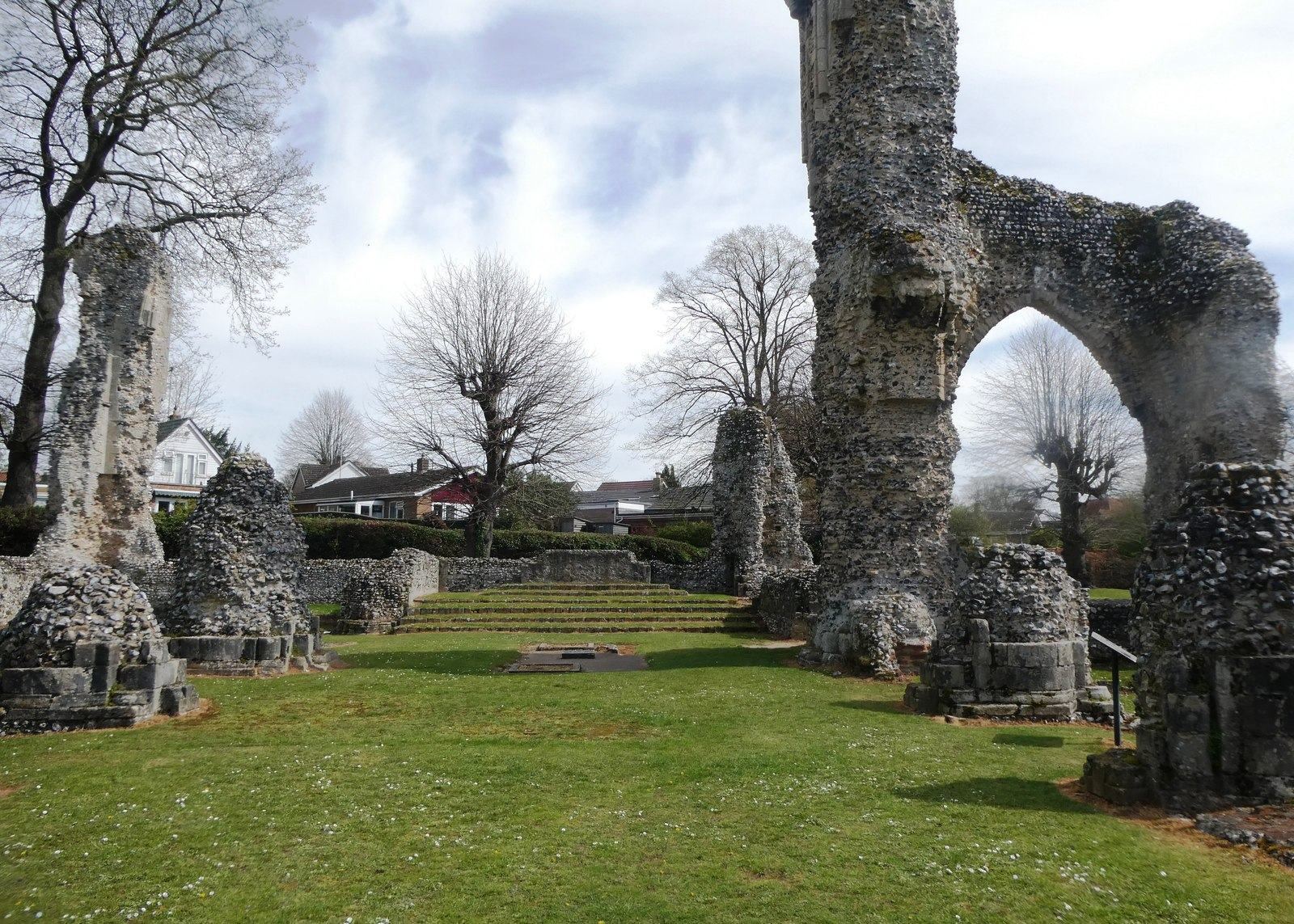
The priory’s surviving remains comprise the lower walls of its church and cloister, the shell of the prior’s lodging, and a nearly complete 14th-century gatehouse. The main priory stood on the Norfolk side of the River Little Ouse, after the community moved from its earlier site on the Suffolk bank. A path links the gatehouse with the main site.
Church and cloister
The church and cloister survive as lower wall remains. Together, they mark the principal religious and communal parts of the monastic complex.
Lady Chapel and statue
A Lady Chapel, a chapel dedicated to the Virgin Mary, was added to the priory in the 13th century. Its associated statue came from the community’s earlier location. During construction of the chapel, a hollow in the statue’s head was found to contain saints’ relics.
Prior’s lodging
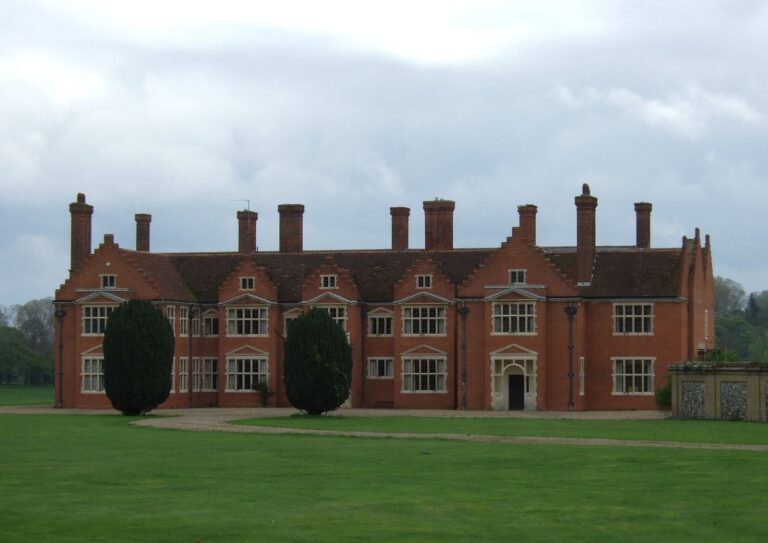
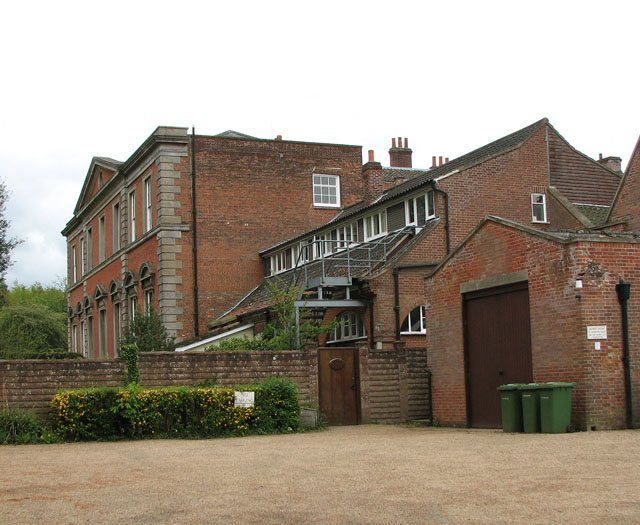
The prior’s lodging survives as a shell. After the priory closed, the building was converted into a house that remained occupied until the early 18th century.
Gatehouse
The nearly complete gatehouse dates to the 14th century and stands apart from the main group of remains, with a path connecting it to the priory site.