Lobenstein Castle: A Medieval Hilltop Fortress in Germany
Site at a Glance
- Rating
- 4.4
- Popularity
- Medium
- Country
- Germany
- Primary era
- Medieval
- Eras represented
- Medieval
- Civilizations
- Holy Roman Empire
- Site type
- Military
- Remains
- Castle
On this page7 sections
History
Lobenstein Castle is a medieval hilltop fortress in Bad Lobenstein, Germany, built between 950 and 1150. The earliest written reference to Lobenstein describes a knight’s seat. The settlement was probably founded by the Lords of Lobdeburg, a medieval noble family in Thuringia, and grew into a town.
Origins and lordly residence
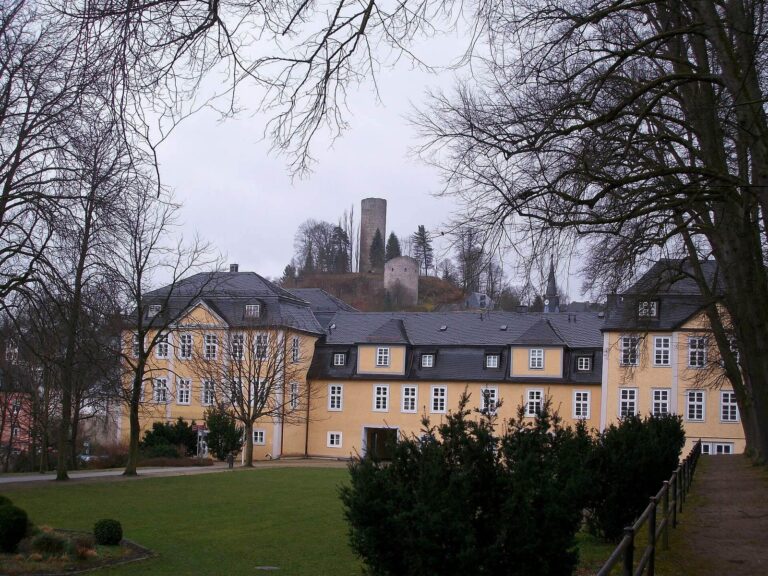
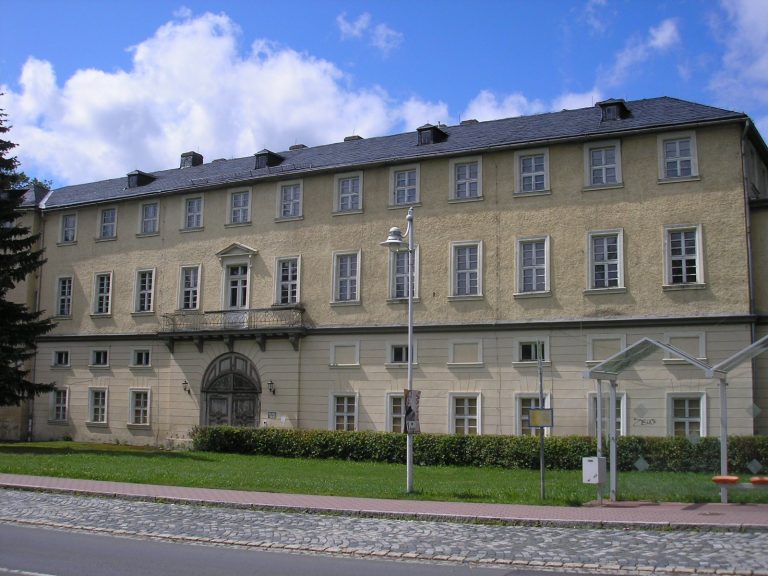
Until 1601, the castle was the residence of the town’s rulers. The first were the Vogts of Gera, regional rulers whose office combined administrative and judicial duties; the Counts of Reuss, members of a ruling dynasty in Thuringia, followed them. By 1601, the Old Castle below the hilltop stronghold had been completed, and the hilltop castle was no longer inhabited.
Mint and wartime damage
Around 1620, Heinrich II Posthumus, a count of Reuss-Gera, used the castle as a mint. Swedish forces stormed it in 1632 during the Thirty Years’ War, a European conflict fought from 1618 to 1648, and destroyed substantial parts of the complex. Imperial troops inflicted further damage later in the war. The surviving remains were subsequently restored.
Remains
Surviving structures
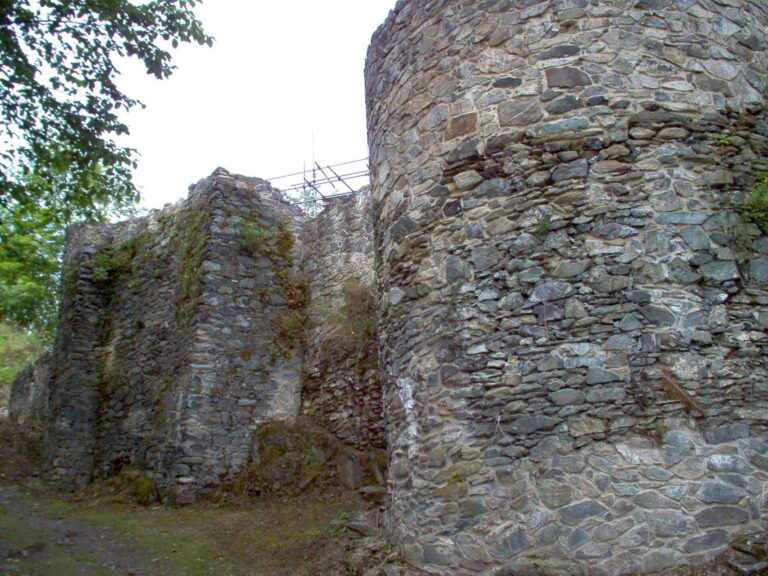
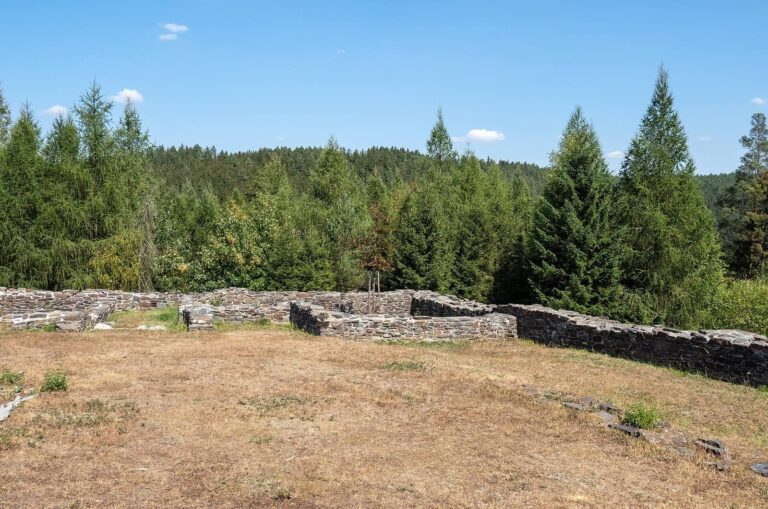
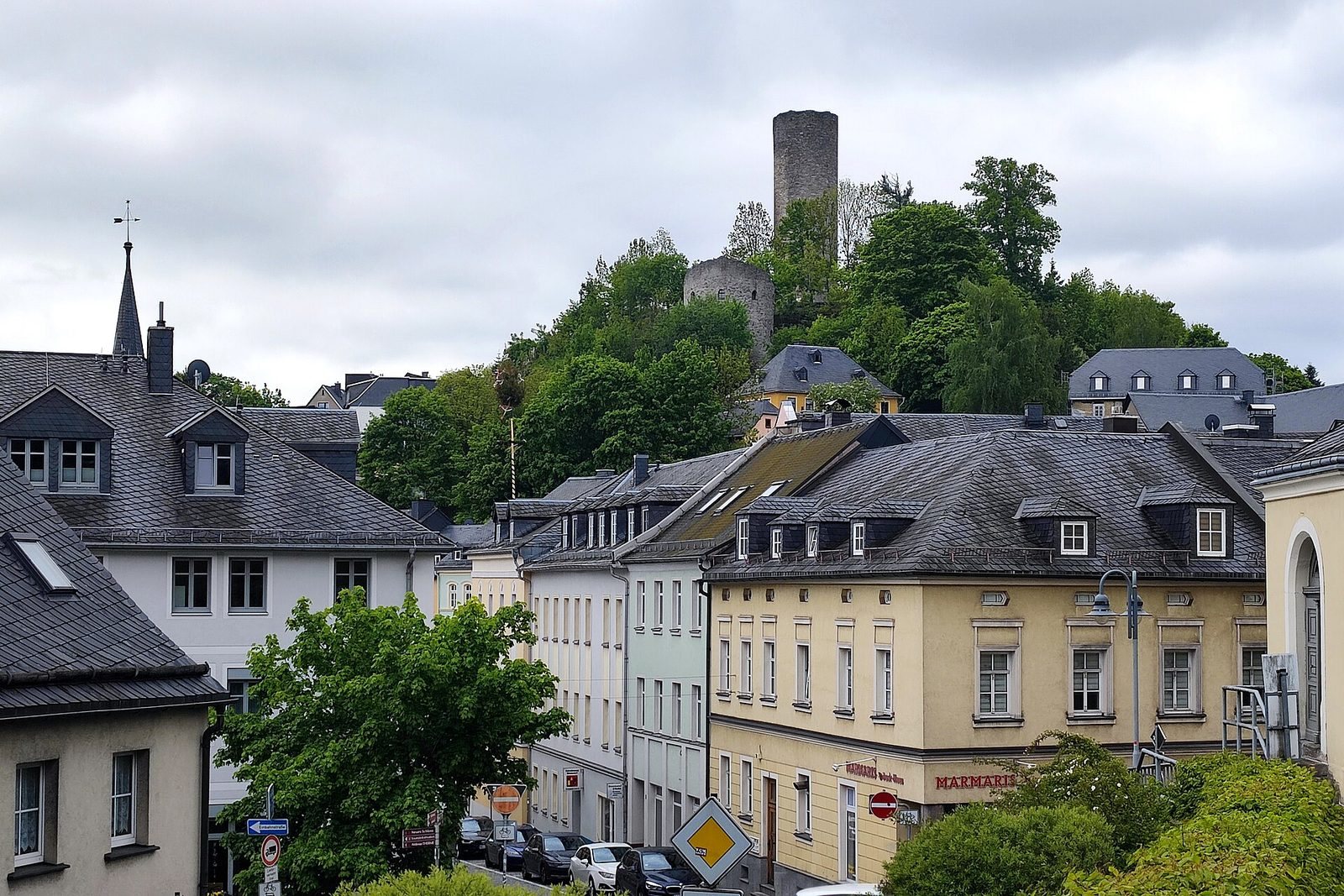
The ruined castle occupies a conical hill in the middle of Bad Lobenstein’s old town. Its surviving features include a defensive tower, parts of a wall tower, and several foundation walls.
Defensive tower
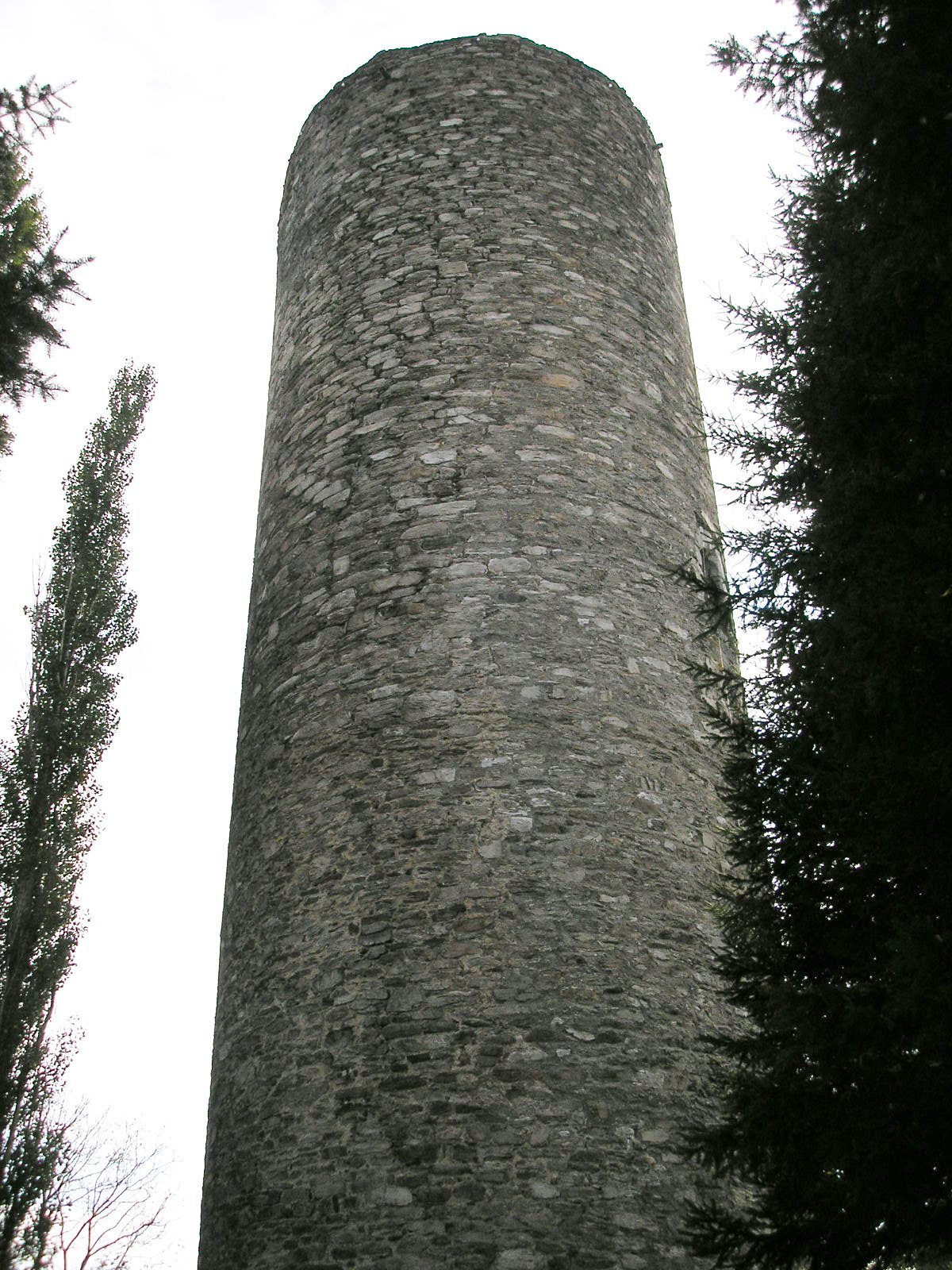
The castle’s best-preserved feature is a defensive tower about 30 metres high. It is visible from a distance and now serves as an observation tower.
Wall tower and foundations
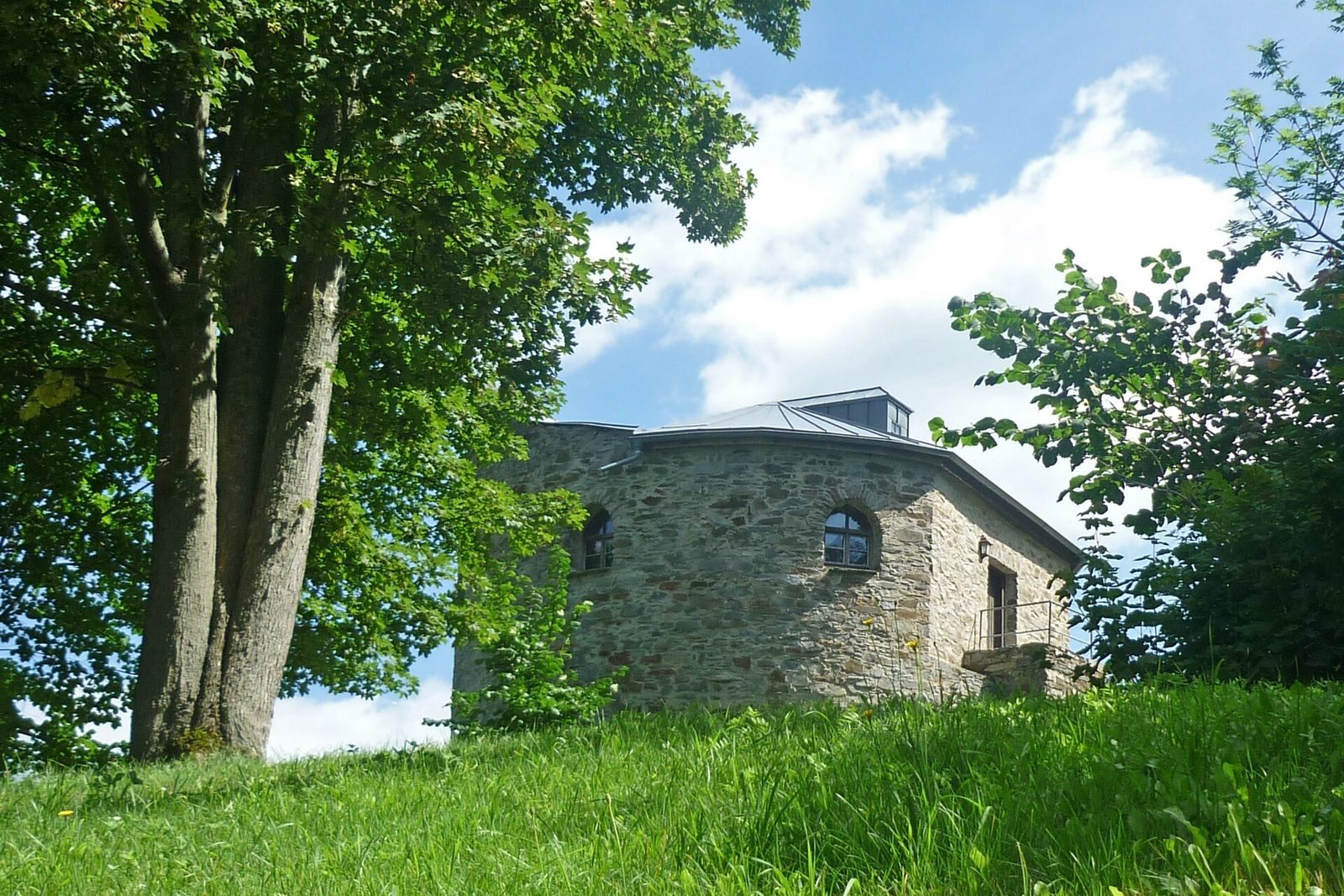
Parts of a wall tower also survive. Its remains have been roofed over to create a tower room, while several foundation walls remain elsewhere in the ruins.