Savoy Castle in Ráckeve: A Baroque Country Residence
Site at a Glance
- Popularity
- Medium
- Country
- Hungary
- Primary era
- Early Modern
- Eras represented
- Early Modern
- Civilizations
- Habsburg, Habsburg Austria, Hungarian
- Site type
- Domestic
- Remains
- Elite Residence
On this page4 sections
History
Commission and construction
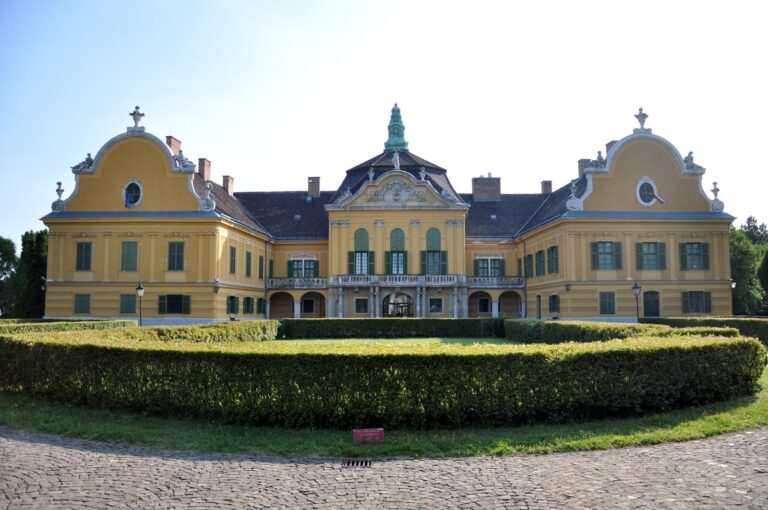
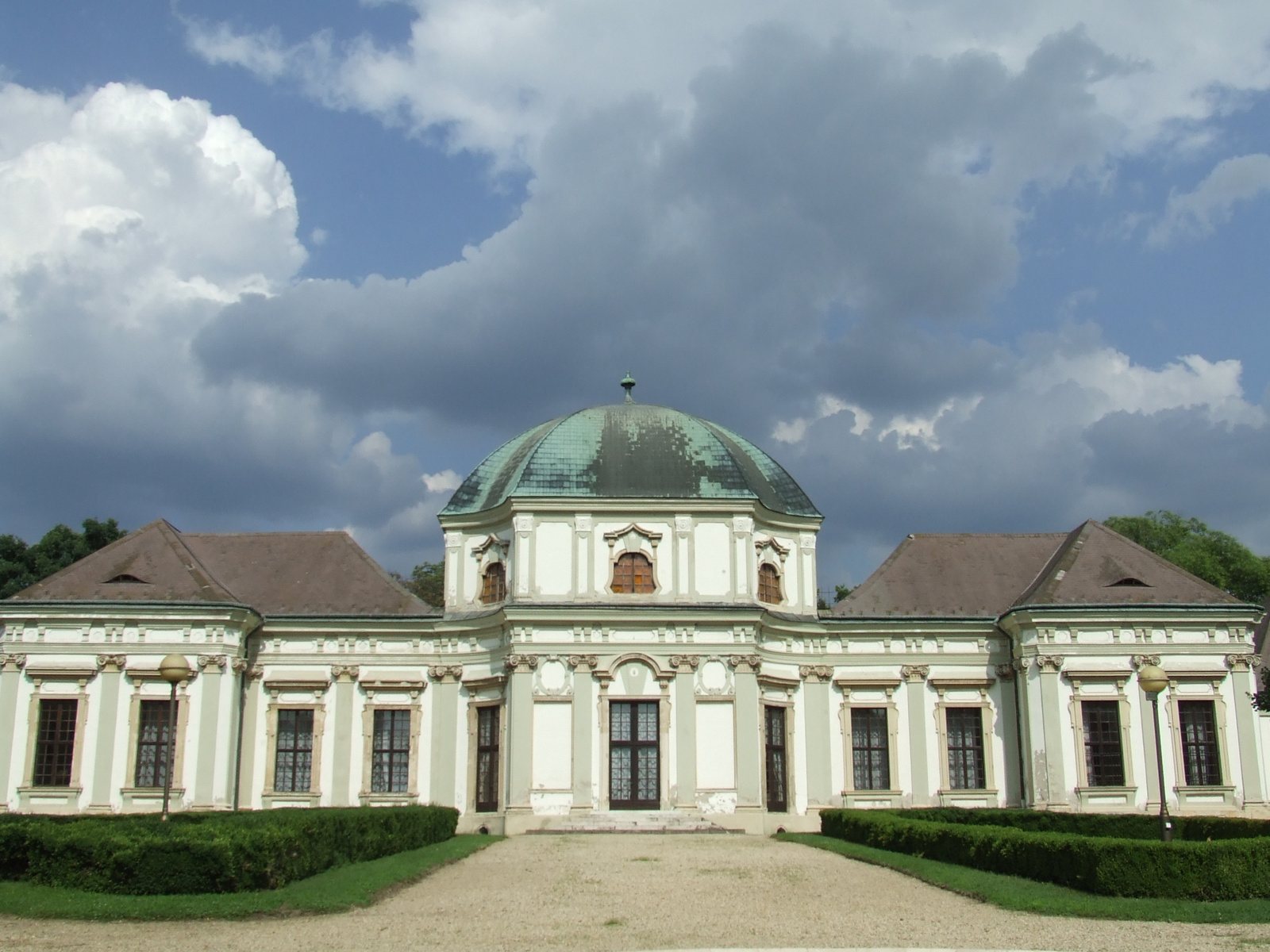
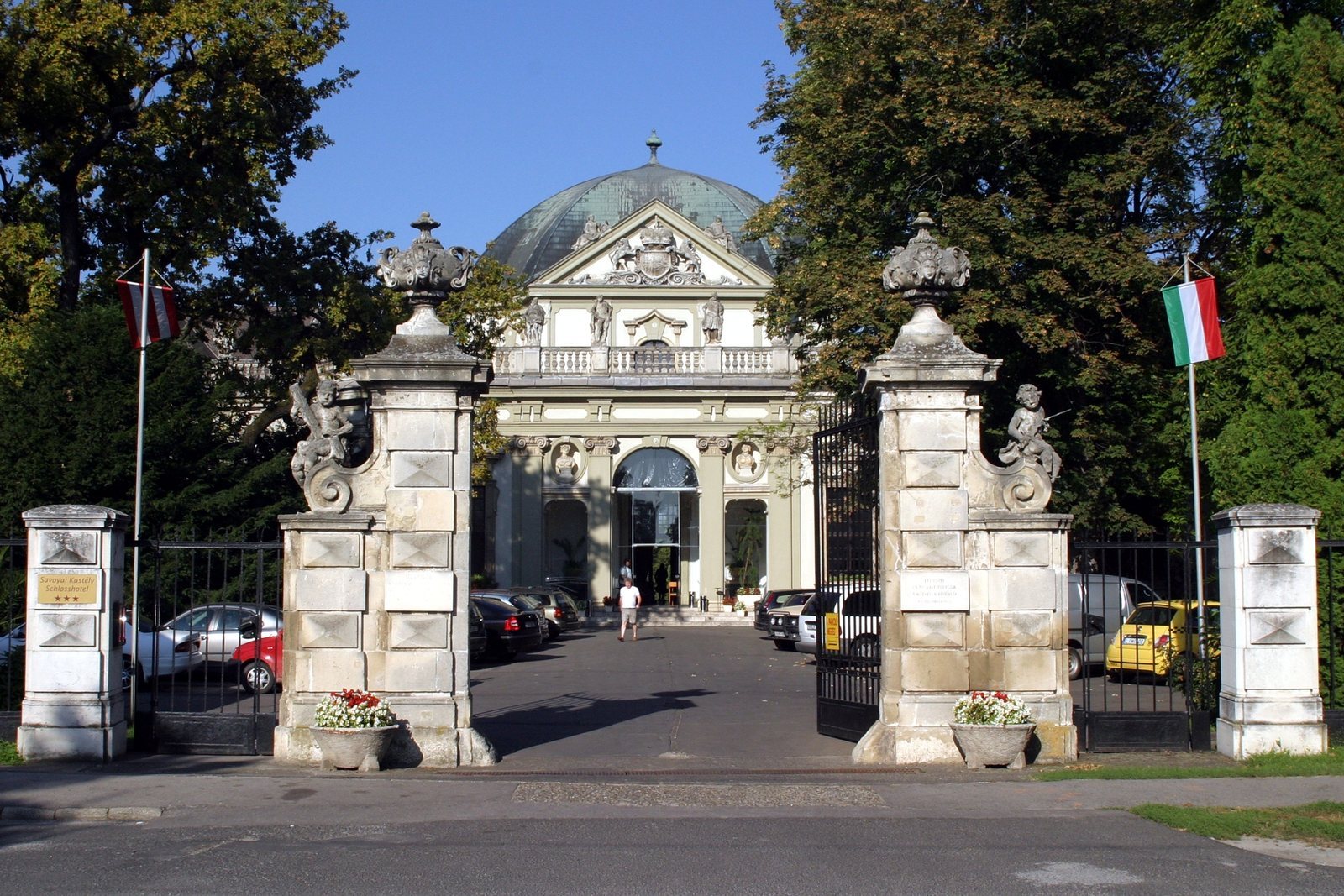
Savoy Castle in Ráckeve is a Baroque country residence on Csepel Island in Hungary, commissioned by Prince Eugene of Savoy as a place for leisure. After acquiring the island in 1698, Eugene began planning the project. Construction started in 1702, the side wings were completed in 1714, and the residence was finished around 1720–1722. Austrian Baroque architect Johann Lucas von Hildebrandt designed the building.
Seven letters Hildebrandt sent to Eugene, preserved in the Gonzaga family archives in Mantua, describe aspects of the planning and construction. Around the same period, Eugene also built Promontor Palace on the opposite bank of the Danube. He did not live in the completed residence.
Ownership and rebuilding
After Eugene’s death, the Crown took control of the estate. During Maria Theresa’s reign, from 1740 to 1780, the Hungarian Chancery, the office responsible for governing the Kingdom of Hungary, managed the residence and adjoining Csepel land. A fire in 1814 destroyed the mansion’s central section and dome; both were later rebuilt.
Following a period of decline, the mansion was reconstructed in the 1980s and renovated. It now serves as a hotel and restaurant.
Remains
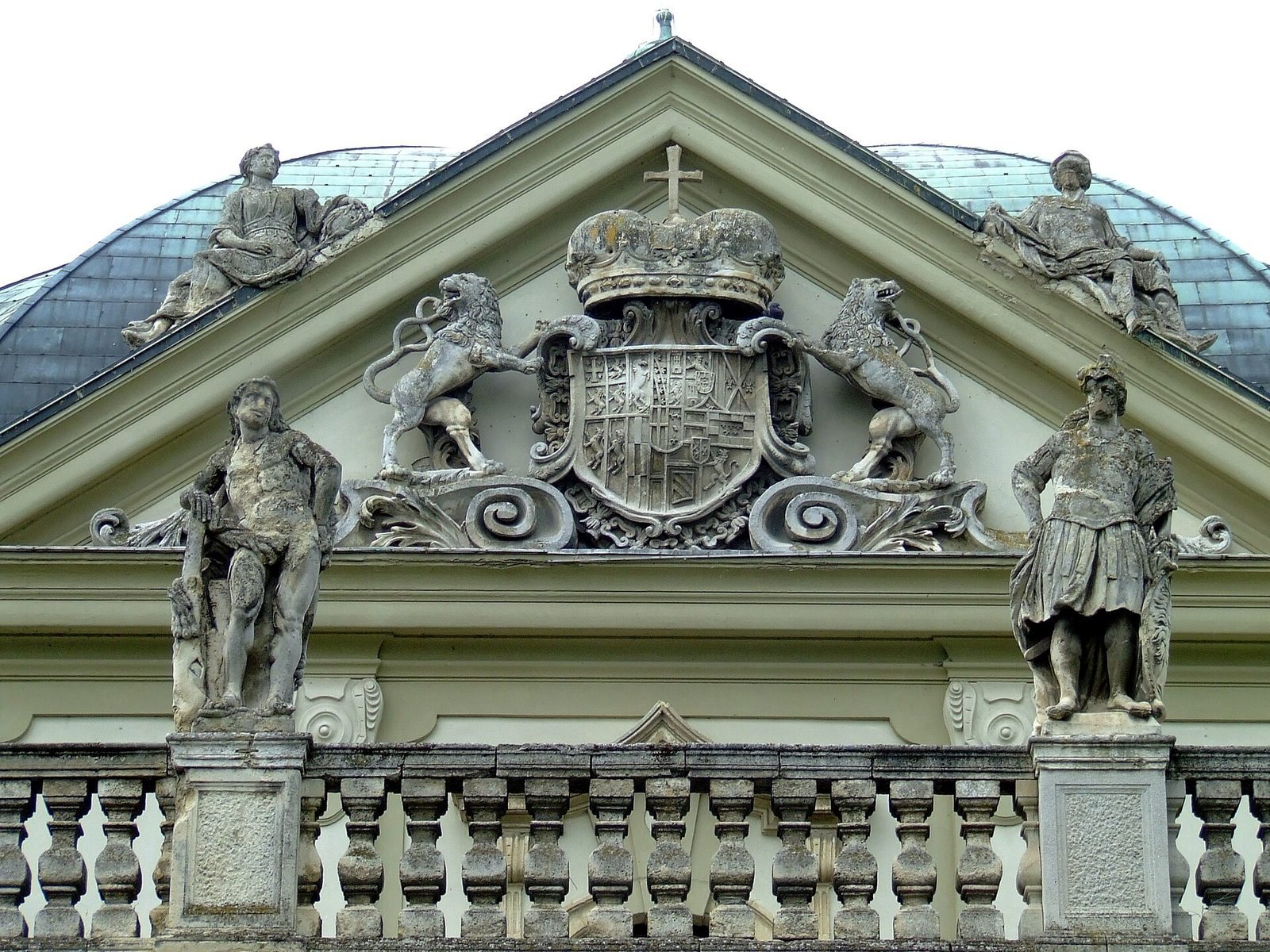
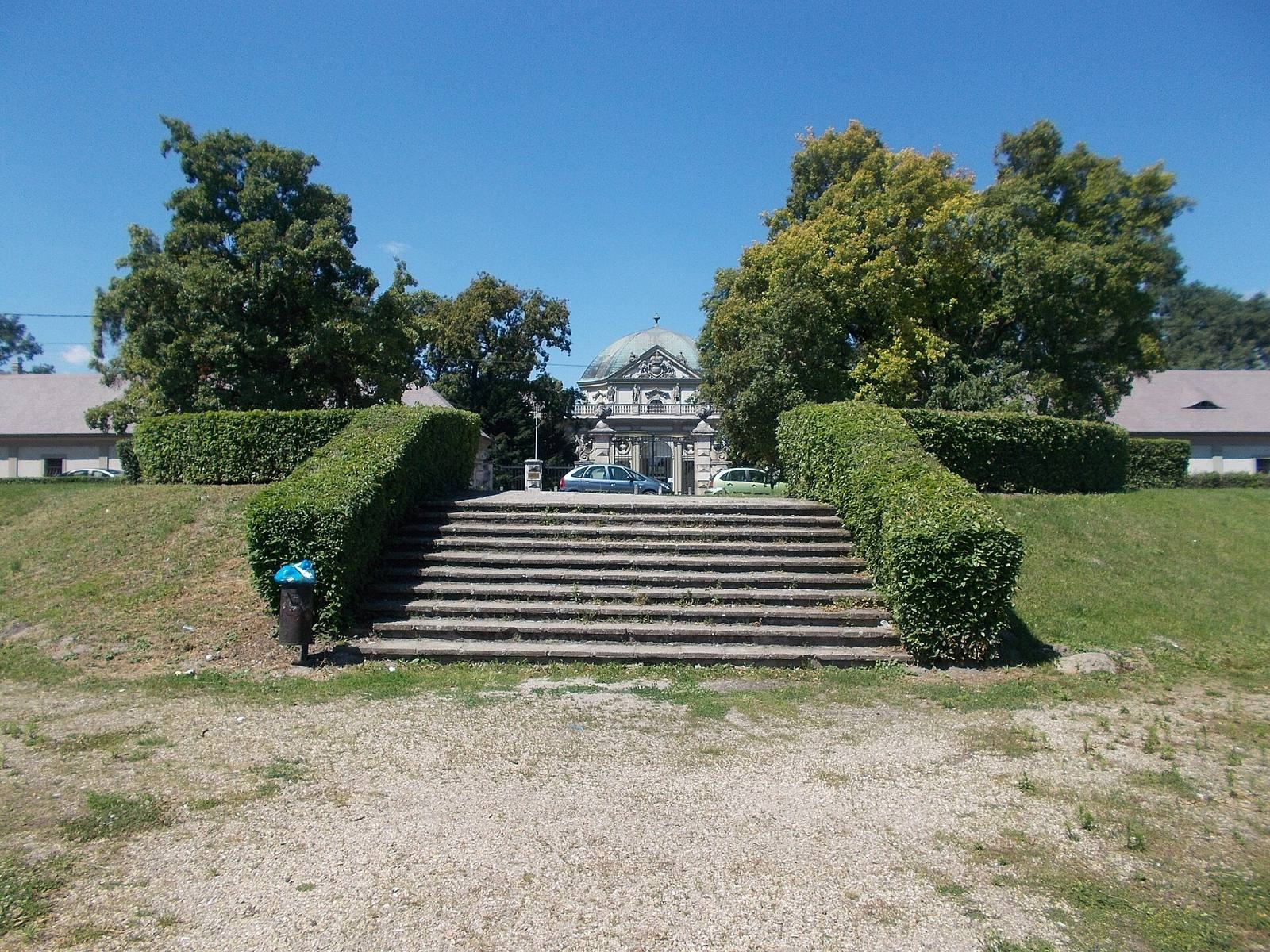
The surviving Baroque mansion is organized around a domed central body, with a concave facade and a portico, or roofed entrance porch. Its three-part Serlian opening has a central arch flanked by narrower openings. Above the portico, a balustrade, a railing formed from a row of supports, carries ten life-size figures representing Flora, Mercury, Hercules and Antaeus, Jupiter, Minerva, Saturn, Aeneas and Anchises, Neptune, and Diana. The facade reflects the influence of Italian Baroque architect Gian Lorenzo Bernini. The design also draws on Francesco Borromini’s Baroque architecture, Renaissance architect Andrea Palladio, and the seventeenth-century French Château de Vaux-le-Vicomte.