Kapfenstein Castle: A Medieval Frontier Fortress in Austria
Site at a Glance
- Popularity
- Medium
- Country
- Austria
- Primary era
- Medieval
- Eras represented
- Medieval, Early Modern
- Civilizations
- Duchy of Styria, Habsburg, Habsburg Austria, Holy Roman Empire
- Site type
- Military
- Remains
- Castle
History
Foundation and early ownership
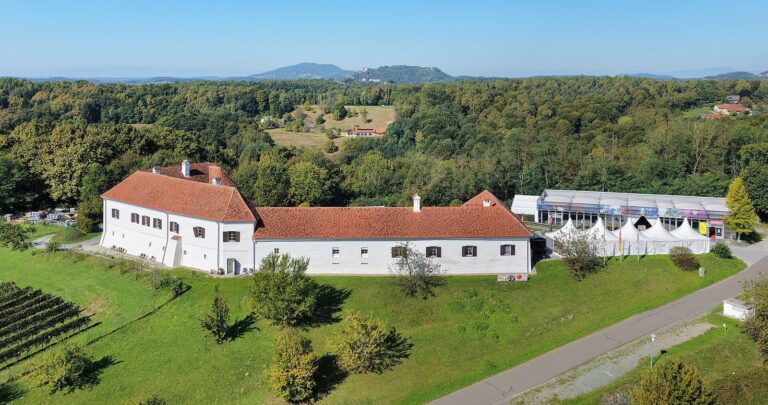
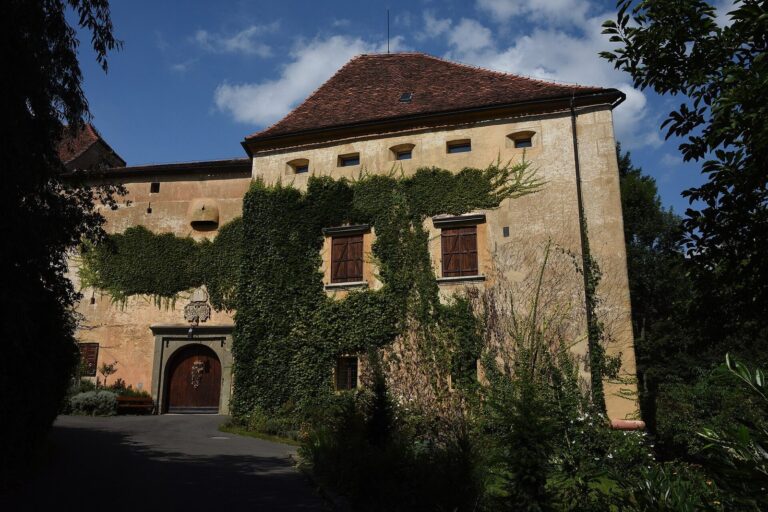
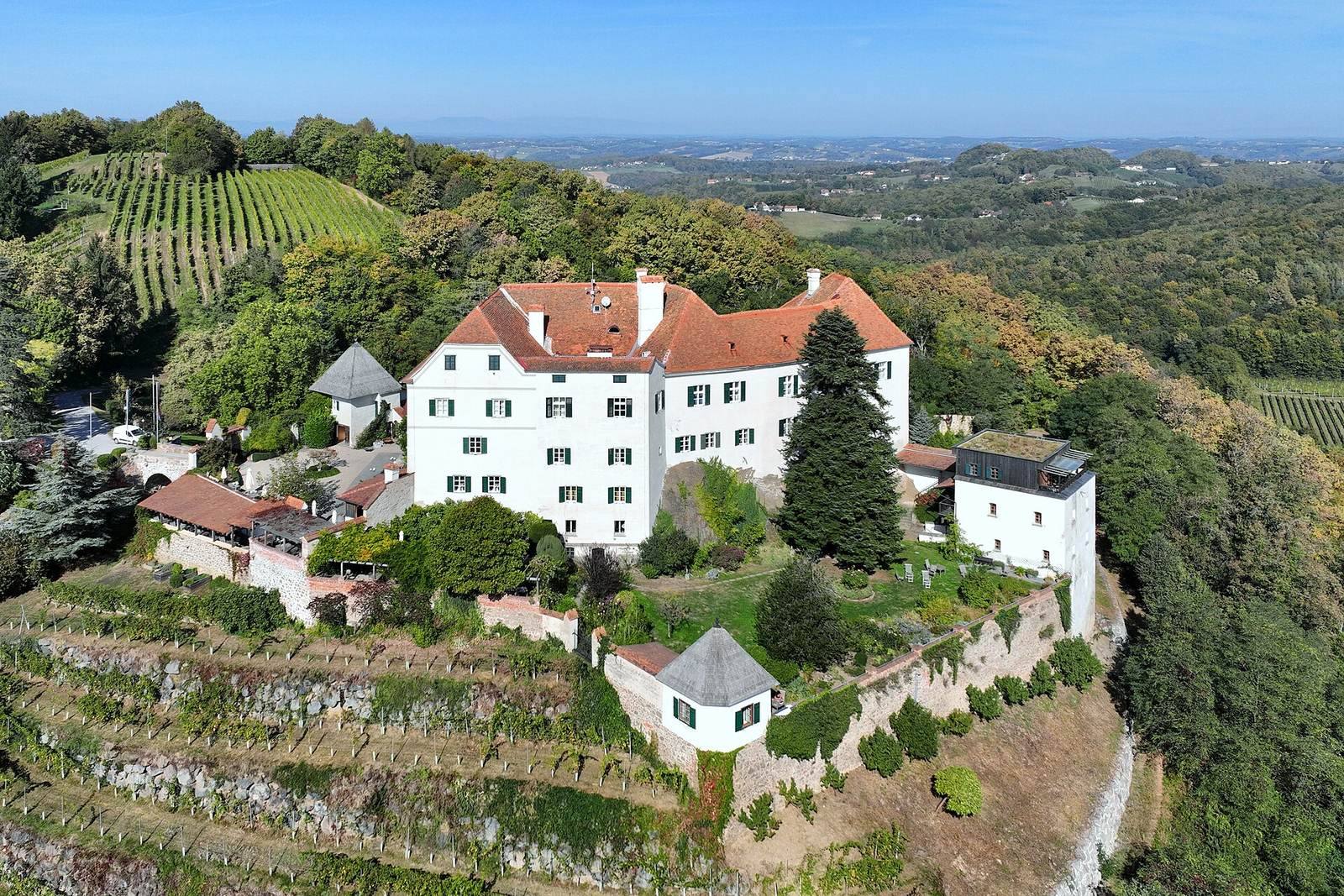
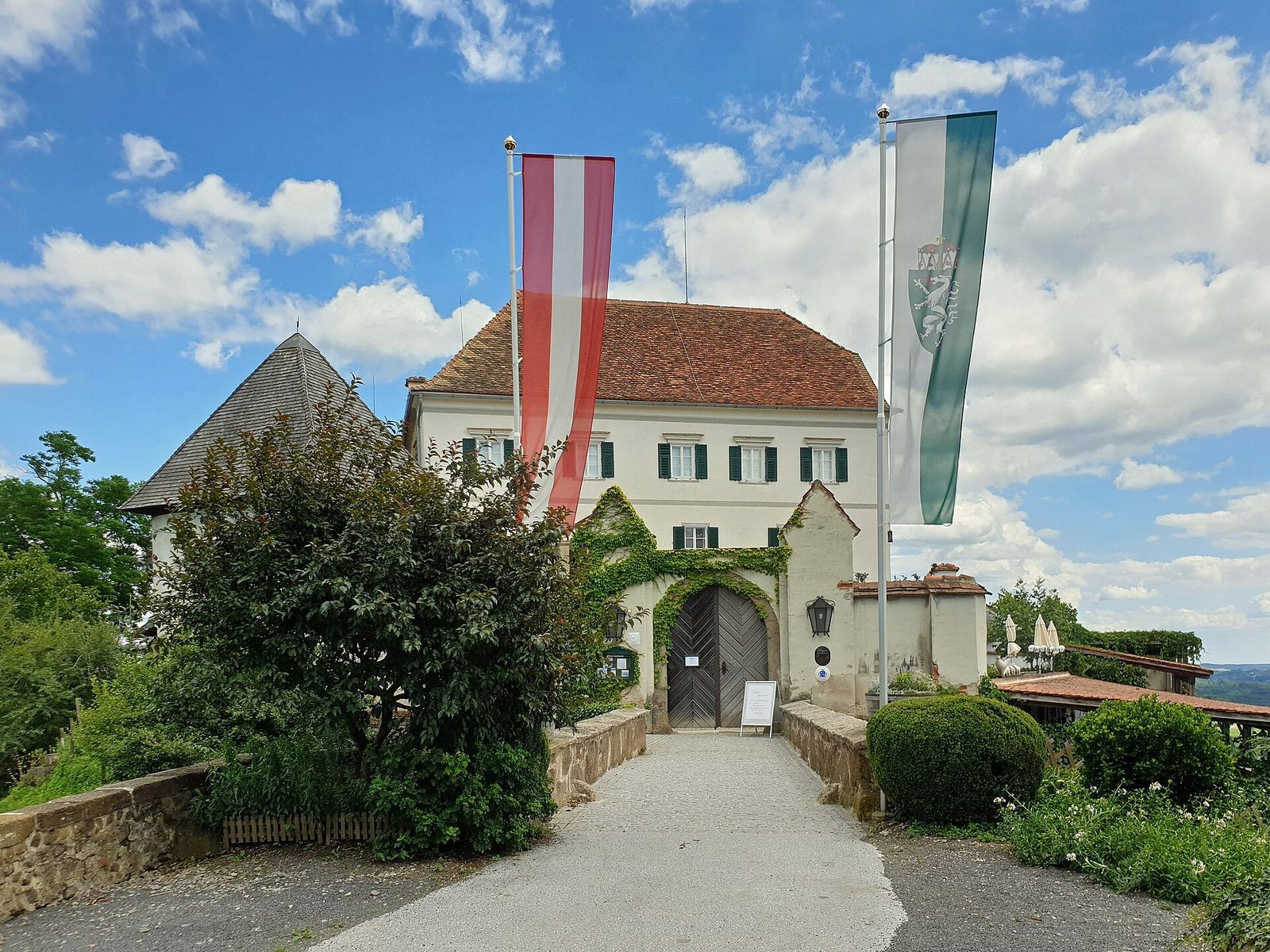
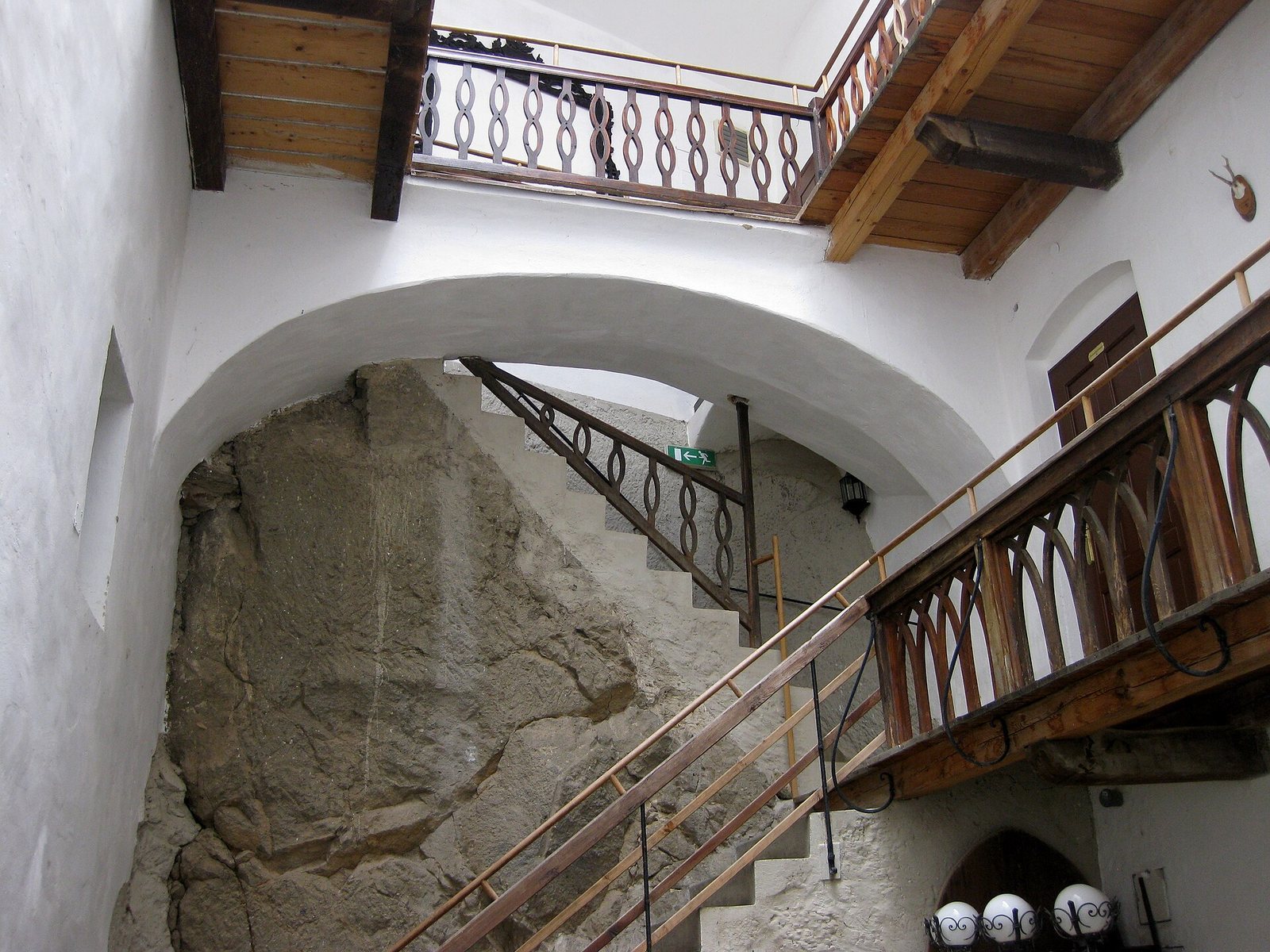
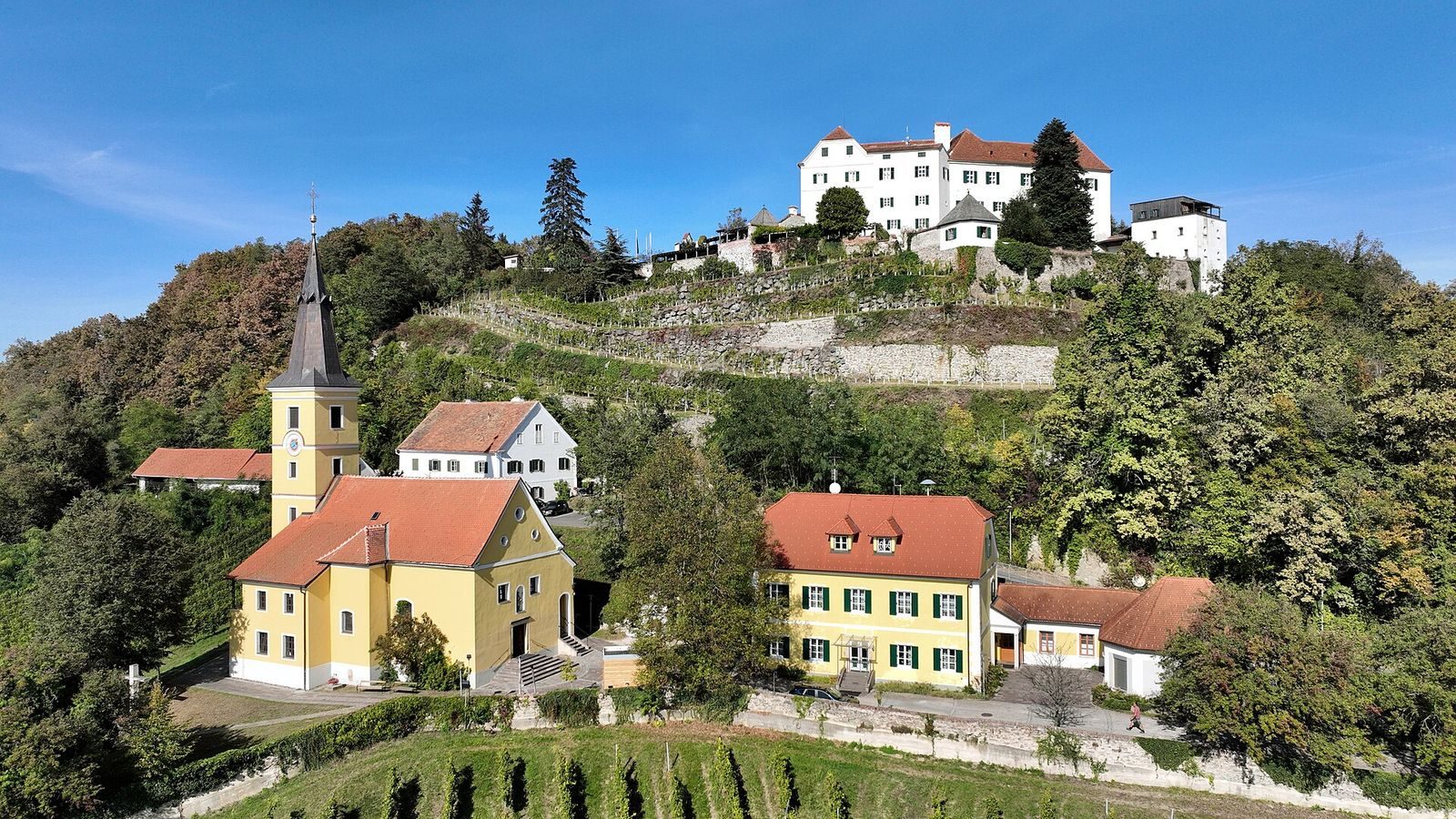
Kapfenstein Castle in Austria was built by the local Caphensteiners in the tenth or eleventh century as a frontier fortress against the Magyars, the people now known as Hungarians. It stands on the basalt cone of Kapfensteiner Kogel, whose elevated position offered a broad view across the plain. The castle was first recorded in 1065. Magyar forces destroyed it early in its history, after which it was rebuilt.
In 1362, the castle passed to the Lords of Walsee and subsequently changed hands several times. It also served as a warning-fire station, part of a beacon system for relaying alerts about approaching danger. Turkish forces and the Kuruc, Hungarian insurgents who fought Habsburg rule chiefly in the late seventeenth and early eighteenth centuries, besieged it several times but did not capture it.
The Lengheim estate and later ownership
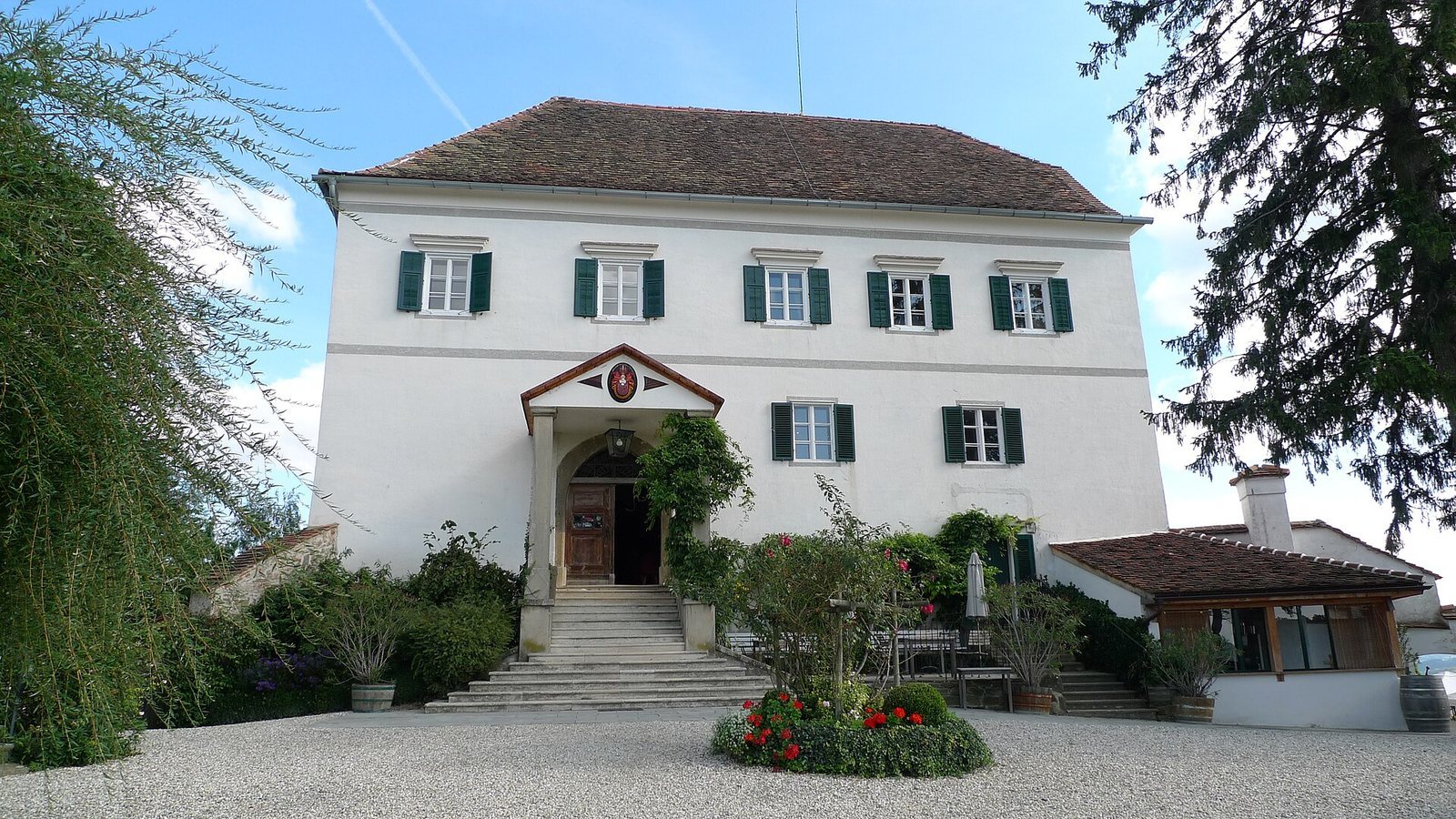
The Lords of Lengheim, Styrian nobles, owned Kapfenstein from 1584 to 1799 and greatly expanded it. Their estate included land in Kapfenstein, Mahrensdorf, Gutendorf, Windisch Kölldorf, Neustift, and Höflach. The Lengheims maintained the castle poorly. After passing through several more owners, it came to the Winkler-Hermaden family in 1916. Since 1968, the family has operated it as a restaurant and hotel.