Sheikh Bahai Citadel: A Safavid-Era Agricultural Tower Complex in Iran
Site at a Glance
- Popularity
- Medium
- Country
- Iran
- Primary era
- Early Modern
- Eras represented
- Early Modern
- Civilizations
- Safavid
- Site type
- Economic
- Remains
- Production Complex
On this page6 sections
History
Safavid-era foundations
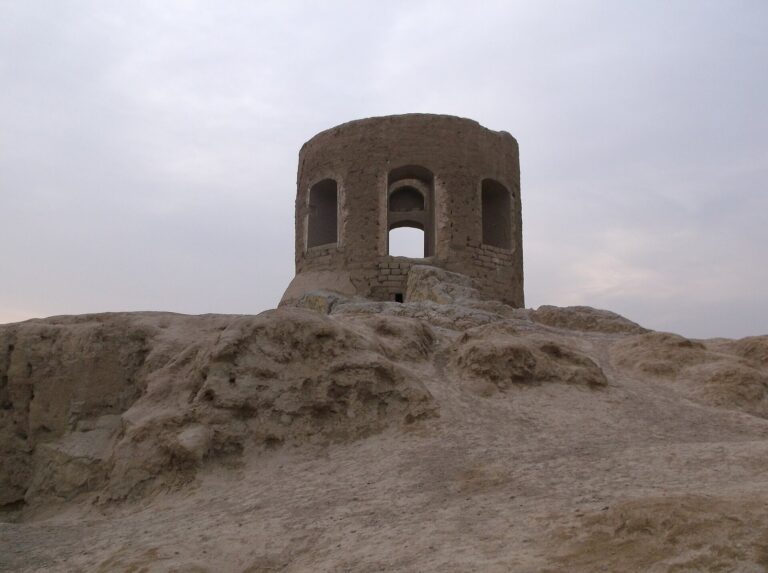
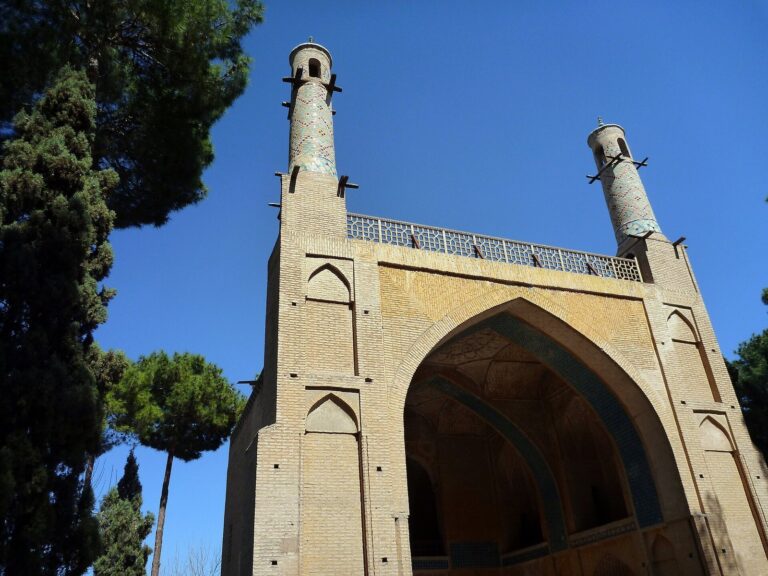
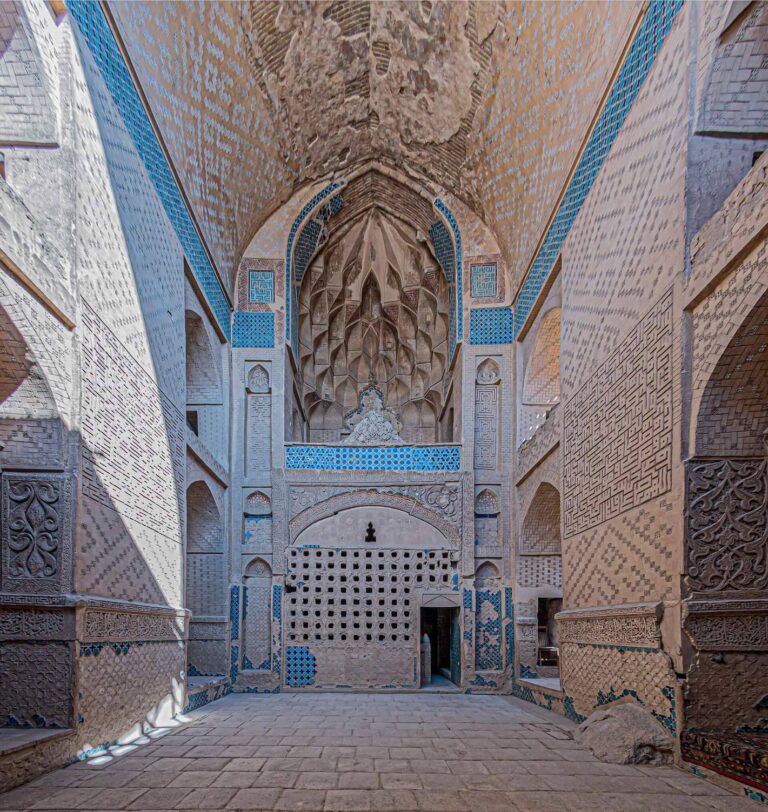
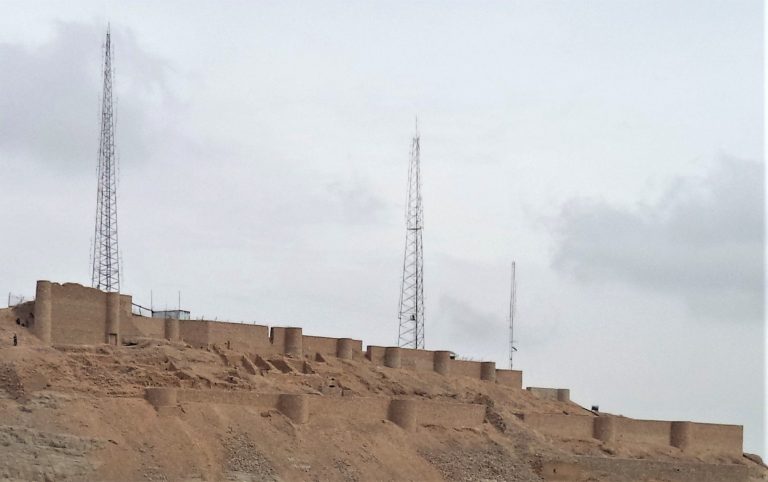
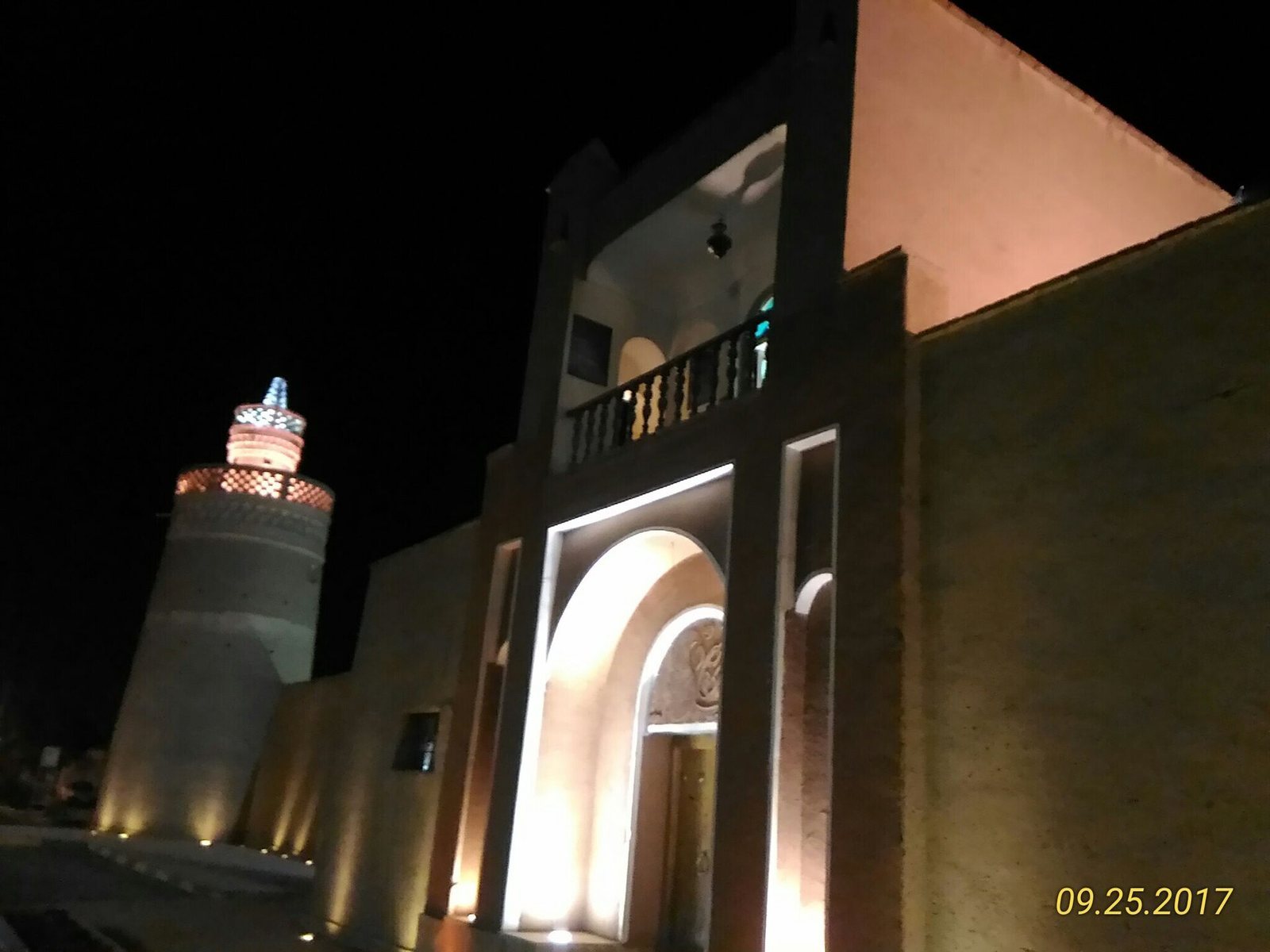
The Sheikh Bahai Citadel is a seven-tower complex southeast of Najafabad in Isfahan Province, Iran. Built during the Safavid era, when the dynasty ruled Iran from 1501 to 1736, it follows the Isfahani style, an Iranian architectural tradition associated with Isfahan. The towers were constructed to supply manure for agriculture. The site’s name is attributed to Shaykh Bahāʾī, also known as Baha al-Din al-Amili, a prominent Safavid-era Shia scholar and polymath.
Cultural reuse and preservation
The complex was later converted into a recreational and cultural center, described as the largest recreational center in western Isfahan Province. It has been recognized as an Iranian National Monument since 2001. Najafabad’s local government repaired the towers in 2003.
Remains
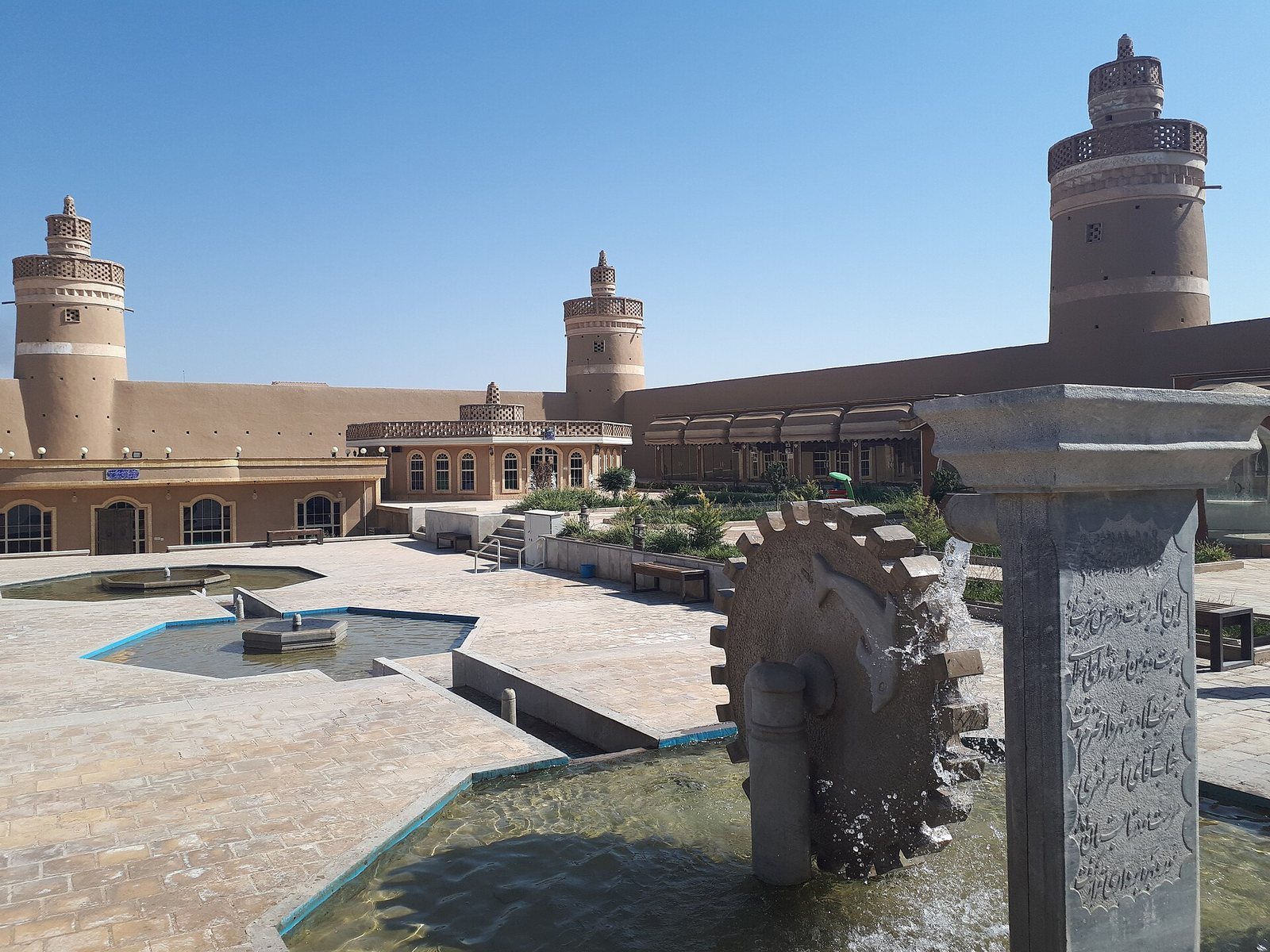
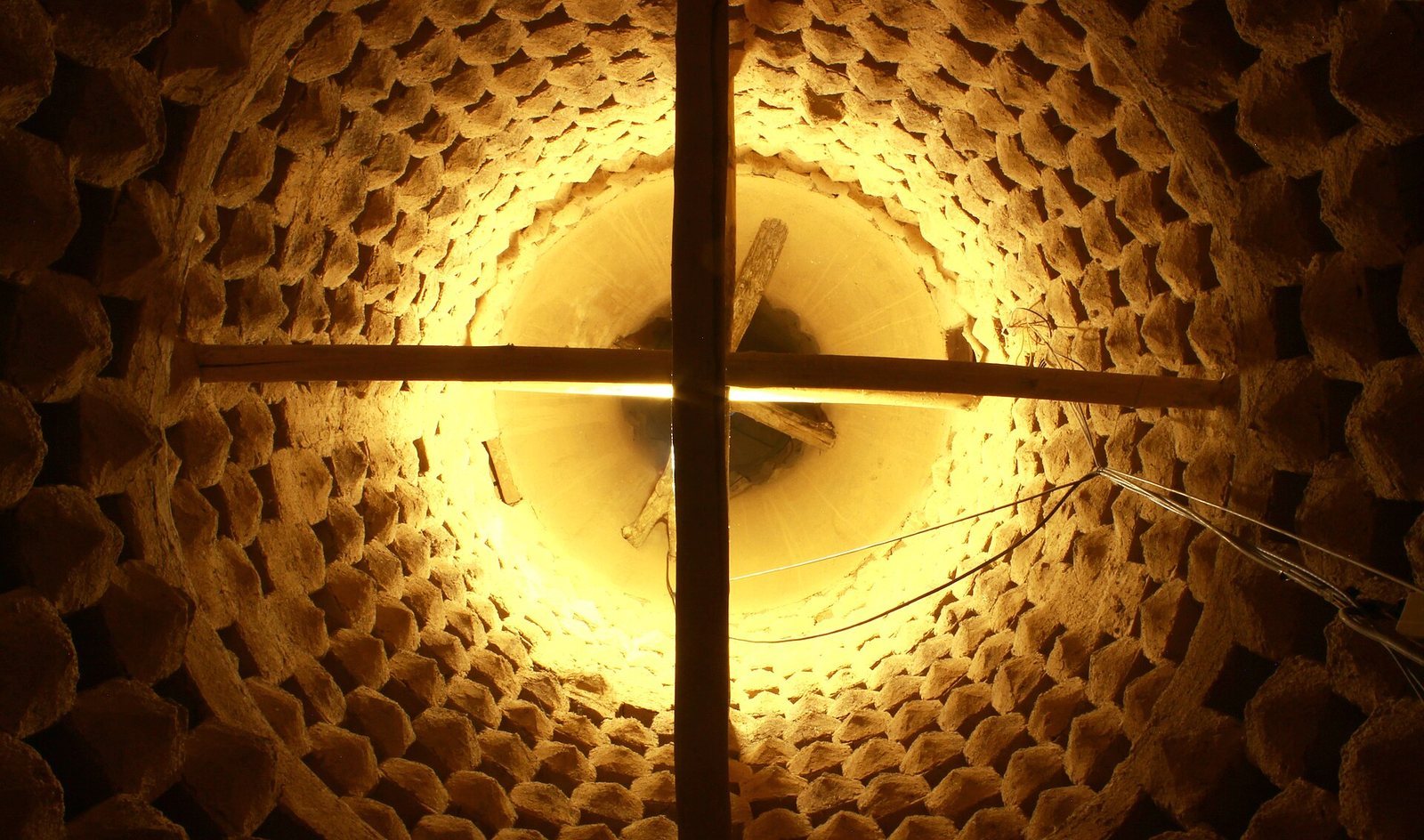
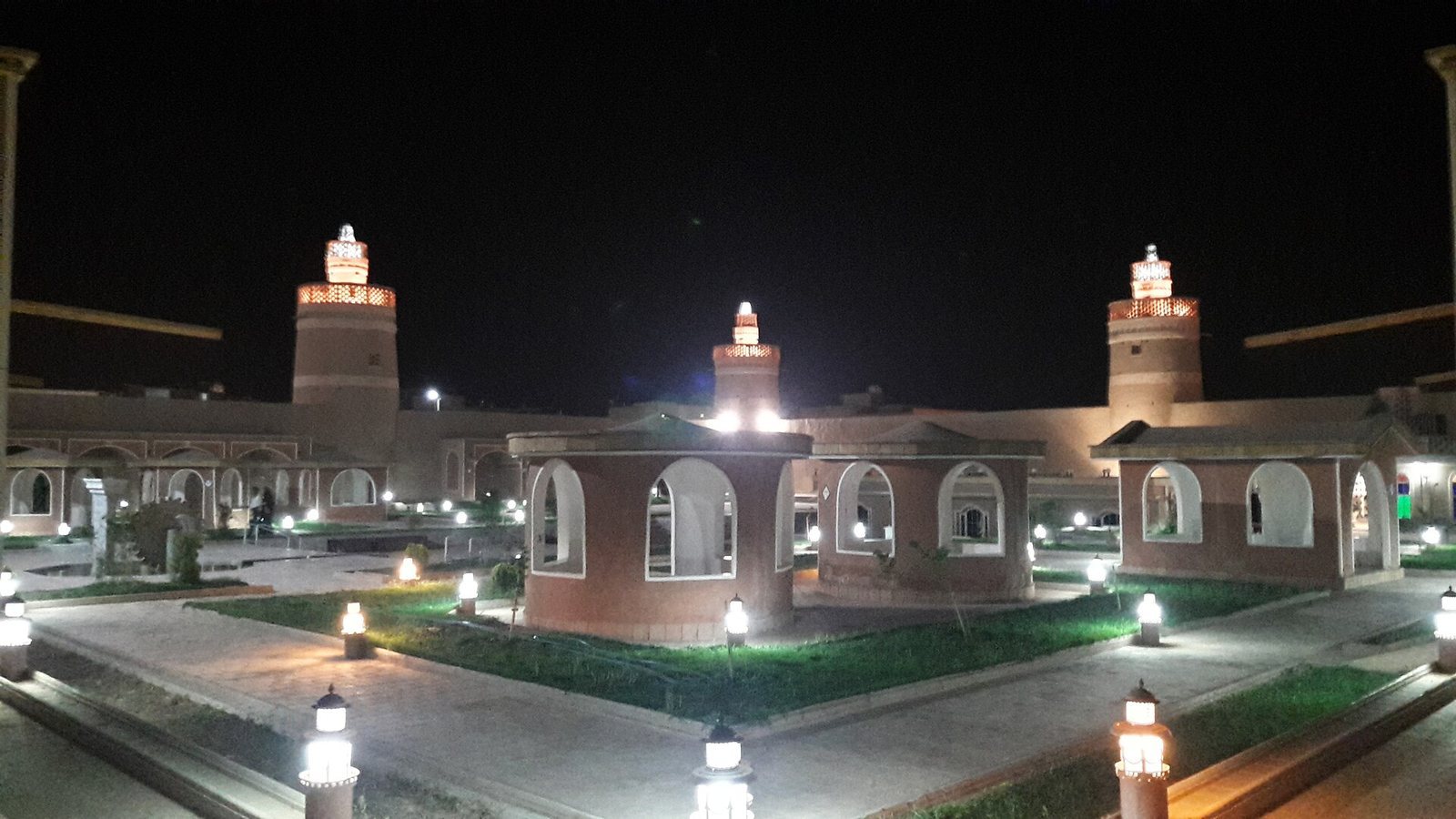
The seven towers stand within a garden covering 3,000 square metres. Cob walls, an earth-based building material, connect the towers and rise 4 metres; each tower is 14 metres high.
Dovecote towers
Six of the seven towers are dovecotes, structures for housing pigeons. The complex’s architecture is also classified under Safavid and Qajar styles; the Qajar dynasty ruled Iran from 1789 to 1925.
Cultural additions
Features added after the complex’s conversion include a fountain, a traditional coffeehouse, an entertainment area, a space for cultural activities, and a park.