D’Oliphant: A 16th-Century Farmhouse Relocated to Rotterdam
Site at a Glance
- Popularity
- Medium
- Country
- Netherlands
- Primary era
- Early Modern
- Eras represented
- Early Modern
- Civilizations
- Dutch
- Site type
- Domestic
- Remains
- Manor House
On this page4 sections
History
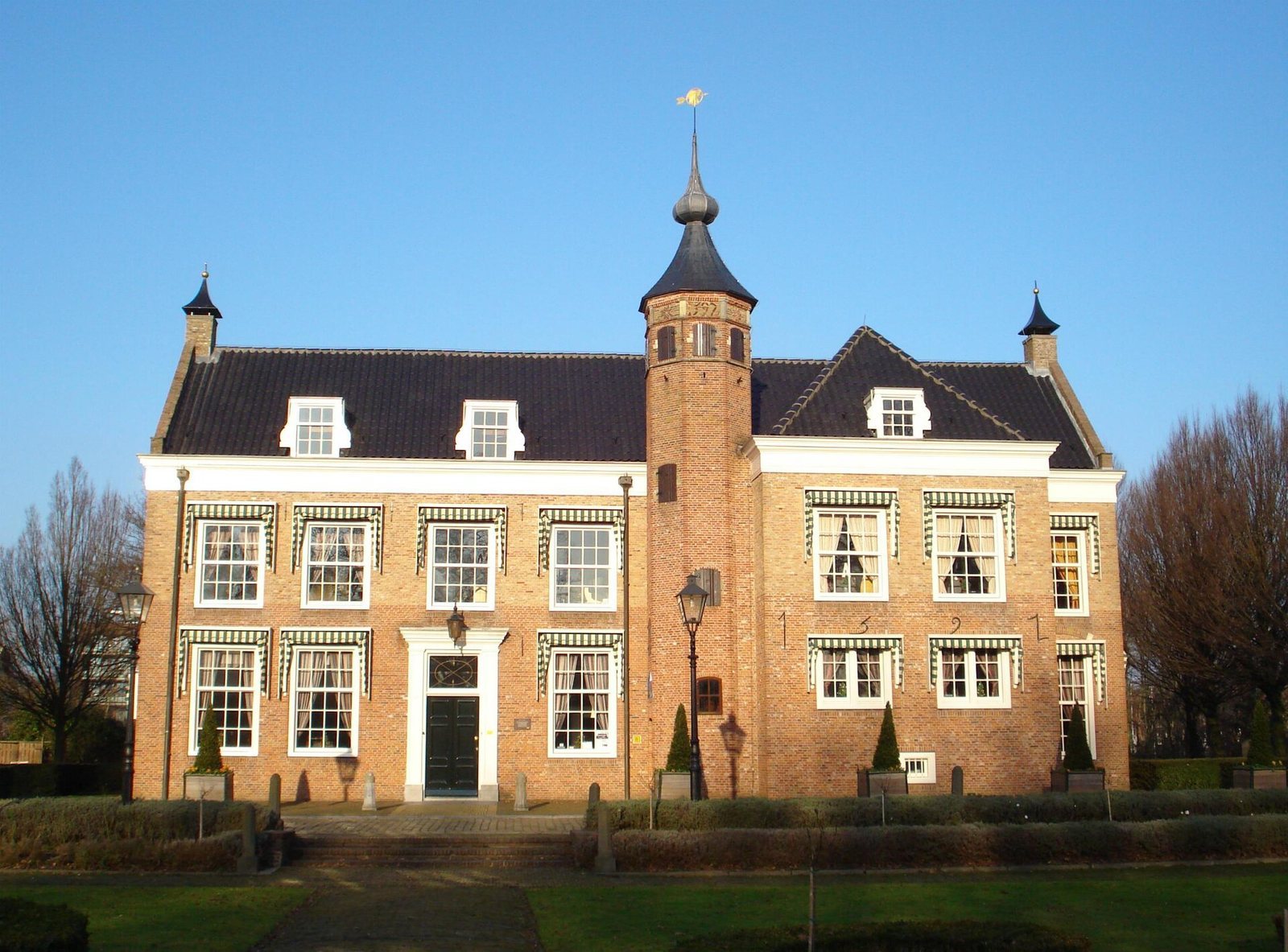
D’Oliphant is a Dutch farmhouse in Charlois, Rotterdam, Netherlands, originally built near Nieuwesluis on Voorne in 1591–1592. Cornelis van Coolwijk commissioned it as a tenant farmhouse. He traded in ivory, and the name “Oliphant,” meaning “elephant,” also appeared at his Delft residence, “In the Golden Elephant,” linking both names to his source of wealth.
From farmhouse to country estate
In 1772, the farmhouse was converted into a country estate. During the nineteenth century, it became the permanent official residence of the mayor of Zwartewaal, and a dairy factory operated there for a time.
Protection and relocation
In April 1966, D’Oliphant was designated a Dutch national monument, a building formally protected for its cultural or historical importance. Expansion of the Botlek area led to plans to dismantle the house and rebuild it elsewhere. In 1975, it was moved from Nieuwesluis, beside the Voorne Canal, to Charlois in Rotterdam, where it was reconstructed on the site of a farm that had recently burned down.
D’Oliphant is the only building from Nieuwesluis to survive. The rest of the hamlet, along with Blankenburg on the opposite bank of the Brielse Maas, was buried under meters of sand. The house is now used mainly for business meetings and wedding celebrations.
Remains
At Kromme Zandweg 90 in Charlois, the rebuilt farmhouse includes an octagonal tower and a coat of arms on its façade. The tower was probably meant to give the house the appearance of a knight’s manor, a residence associated with noble status, and to suggest an ancient family lineage. This was an expression of prestige, not proof of Van Coolwijk’s ancestry. The coat of arms depicts an elephant carrying a castle on its back.