Finchale Priory: A Benedictine Monastery in County Durham
Site at a Glance
- Rating
- 4.6
- Popularity
- High
- Country
- United Kingdom
- Primary era
- Medieval
- Eras represented
- Medieval
- Civilizations
- English
- Site type
- Religious
- Remains
- Monastery
On this page8 sections
History
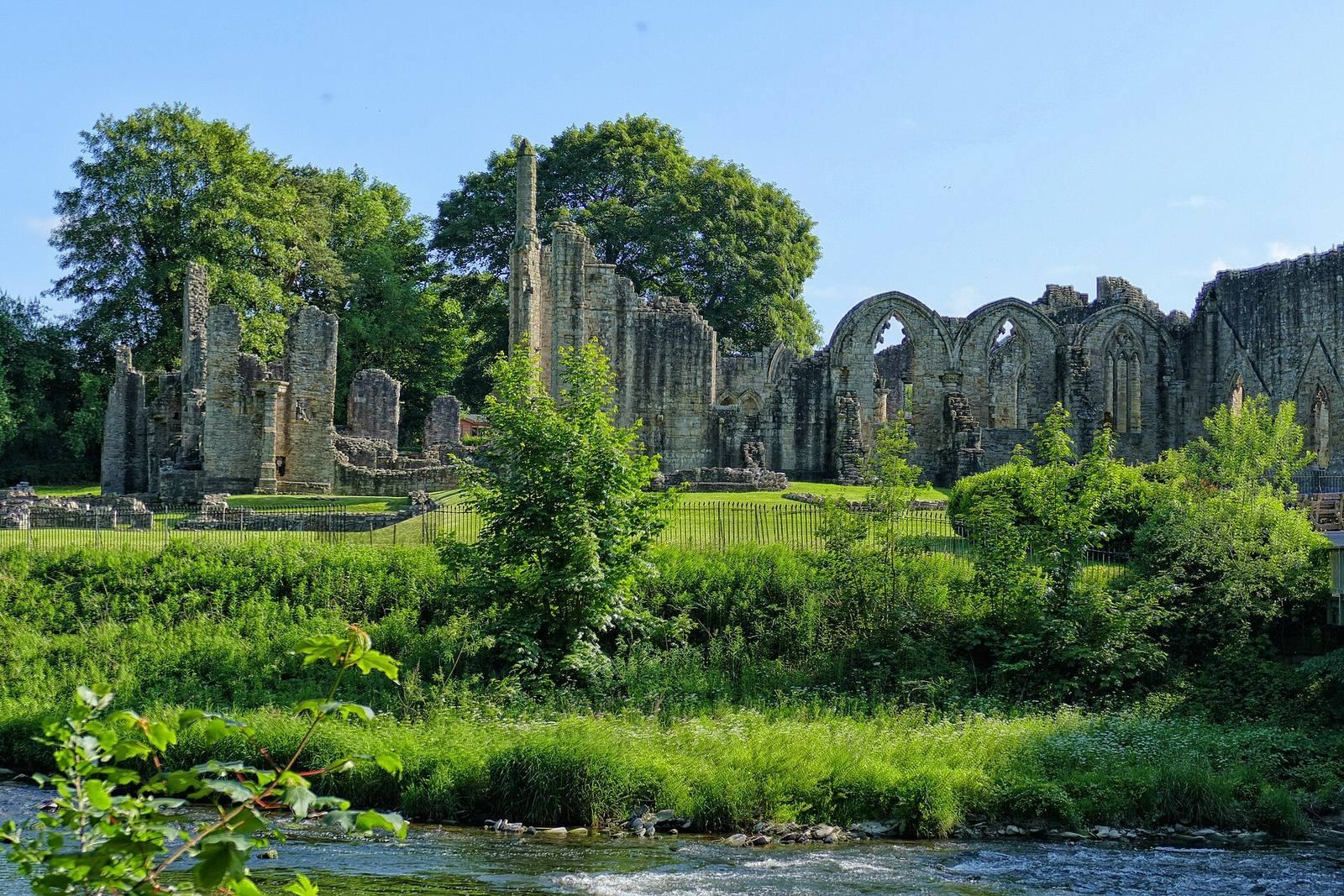
Finchale Priory is a medieval Benedictine monastery beside the River Wear in County Durham, England, about four miles from Durham. It developed from a hermitage established by Godric of Finchale and became a priory dependent on Durham Cathedral in 1196.
Godric’s hermitage
Born around 1070, Godric had worked as a merchant and sailor and travelled as a pilgrim before choosing a religious life. After spending time in caves and woods, he stayed with an elderly hermit at Wolsingham. Around 1112, while serving as doorkeeper at the hospital church of St Giles in Durham, he persuaded his friend Bishop Ranulf Flambard to grant him a place at Finchale. Godric dedicated his hermitage to St John the Baptist.
Godric spent about fifty years at Finchale, living an austere life largely outdoors. In his final years he became seriously ill, and monks from Durham cared for him while he was bedridden for nearly a decade. He died on 21 May 1170.
From hermitage to priory
After Godric’s death, two monks from Durham settled at Finchale. A church, mill, dam, and fishpond were already there. About twenty years later, a prior and further monks were sent to establish a monastic community. In 1196 the hermitage became Finchale Priory, a Benedictine house whose monks followed the Rule of St Benedict and which remained subordinate to Durham Cathedral and its monastic community.
Bishop Hugh Pudsey, regarded as the priory’s founder, and his son Henry provided for a community of a prior and eight monks. Pudsey appointed Thomas, formerly a church officer at Durham, as prior. Finchale did not become wealthy, but by the mid-15th century it was the most prosperous of Durham’s dependent houses. It also provided a regular place of rest for monks from Durham: four visited each year for three weeks and joined the four resident monks. They continued their religious services while having greater freedom to leave the monastery.
Dissolution and later status
The priory remained in use until its dissolution in the mid-1530s. Fifty-two priors led the house during its history, and accounts survive for much of the period from 1303 to 1535. Finchale’s remains received Grade I listing in 1967, a category in England for buildings of exceptional architectural or historic interest.
Remains
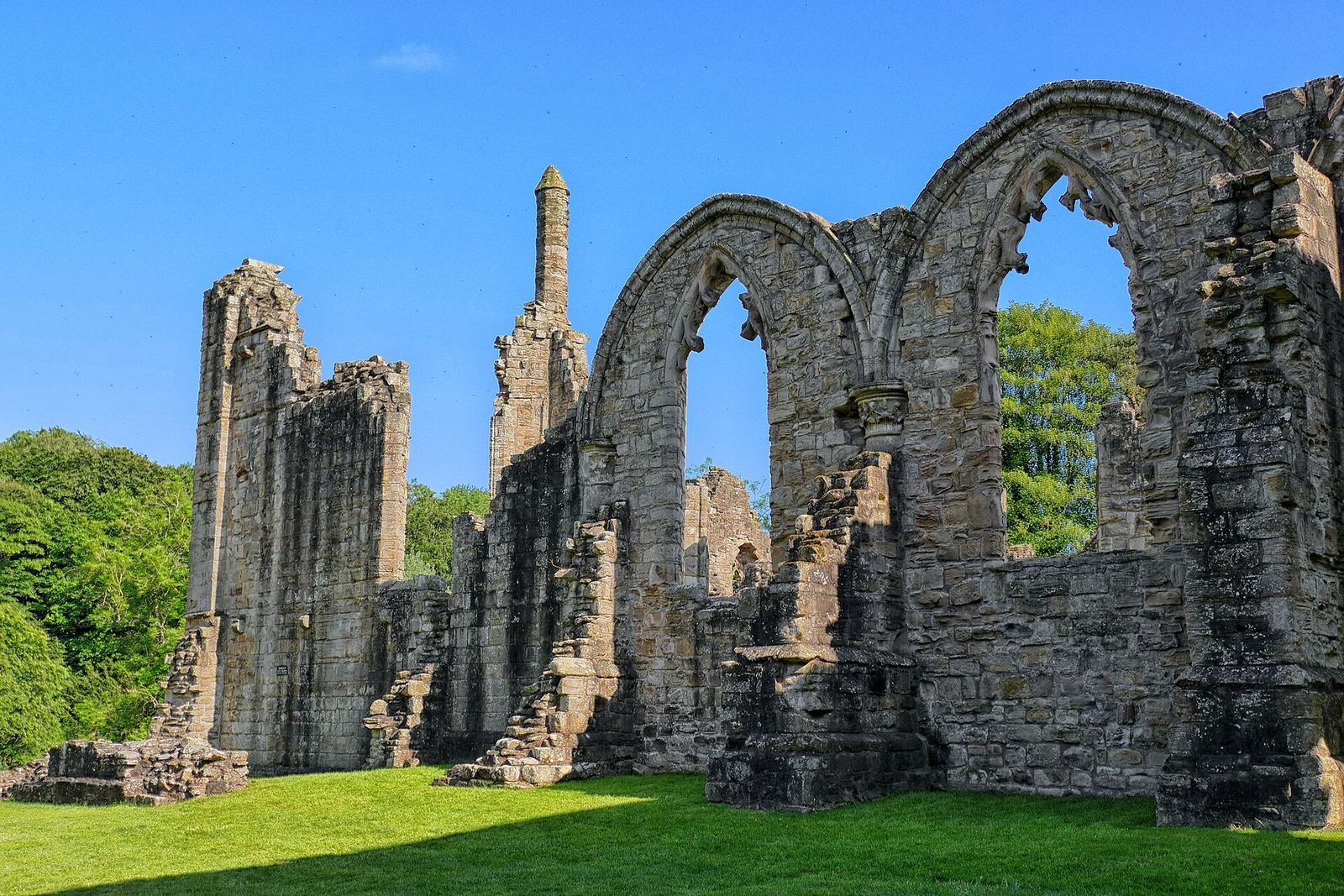
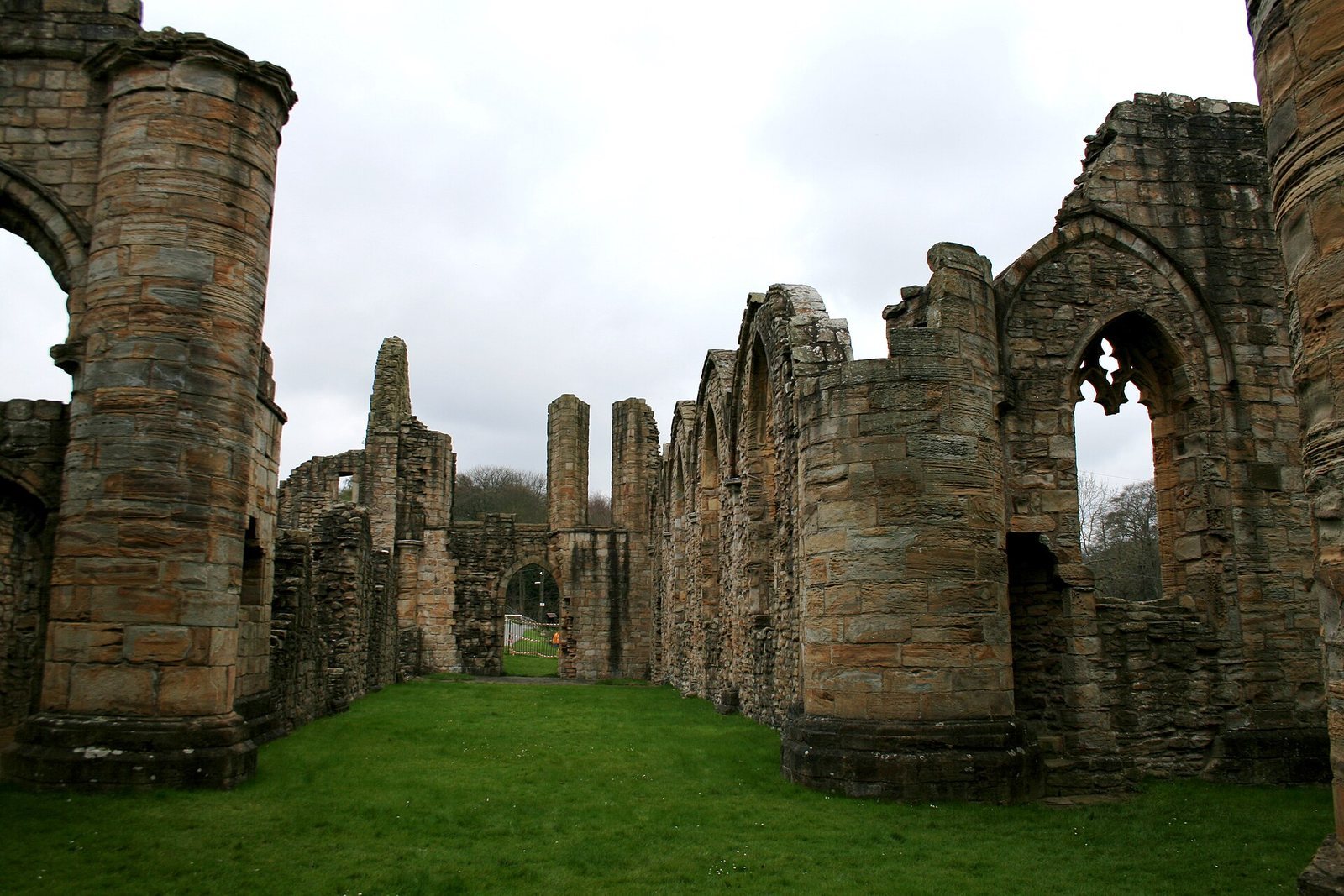
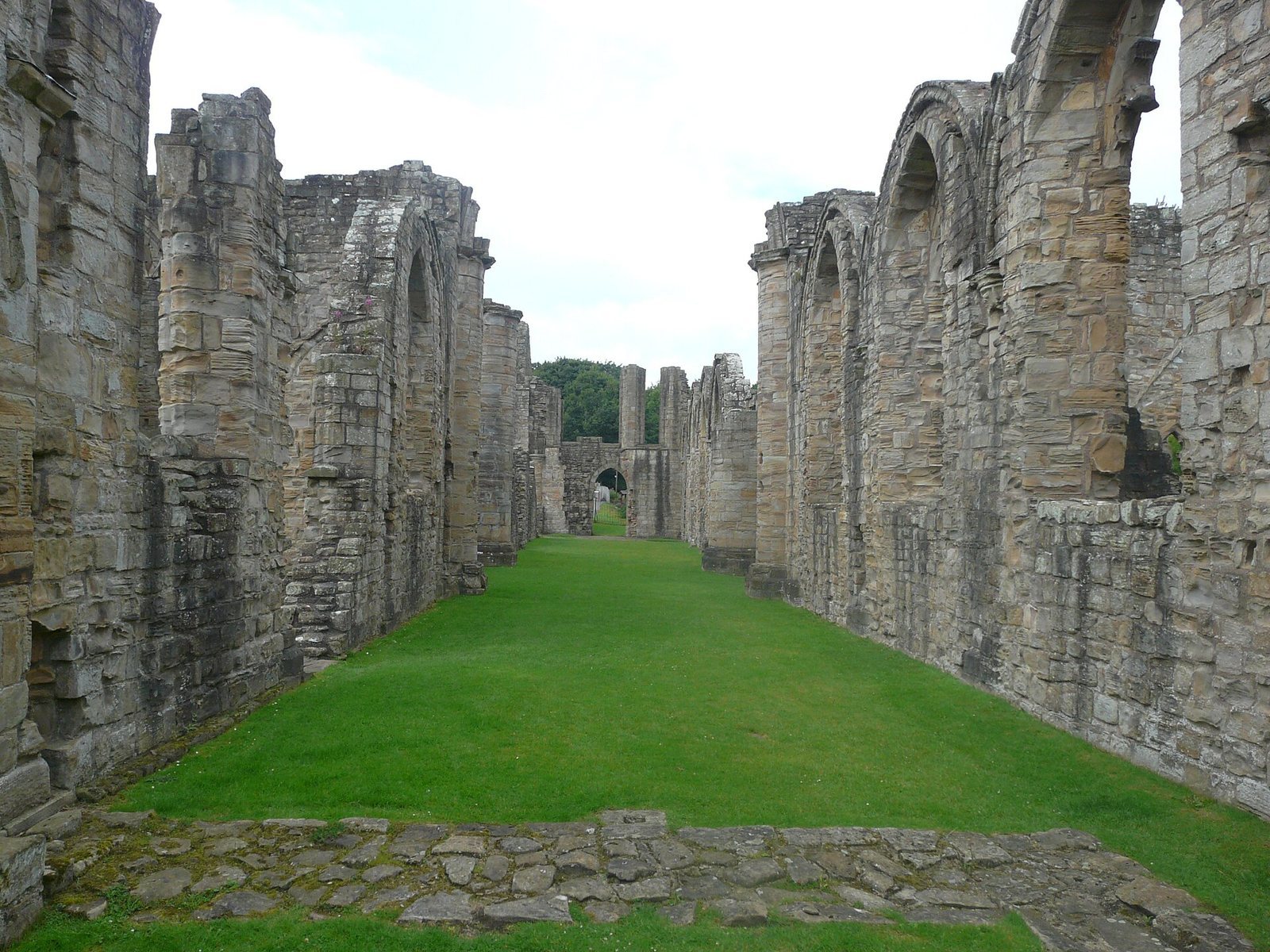
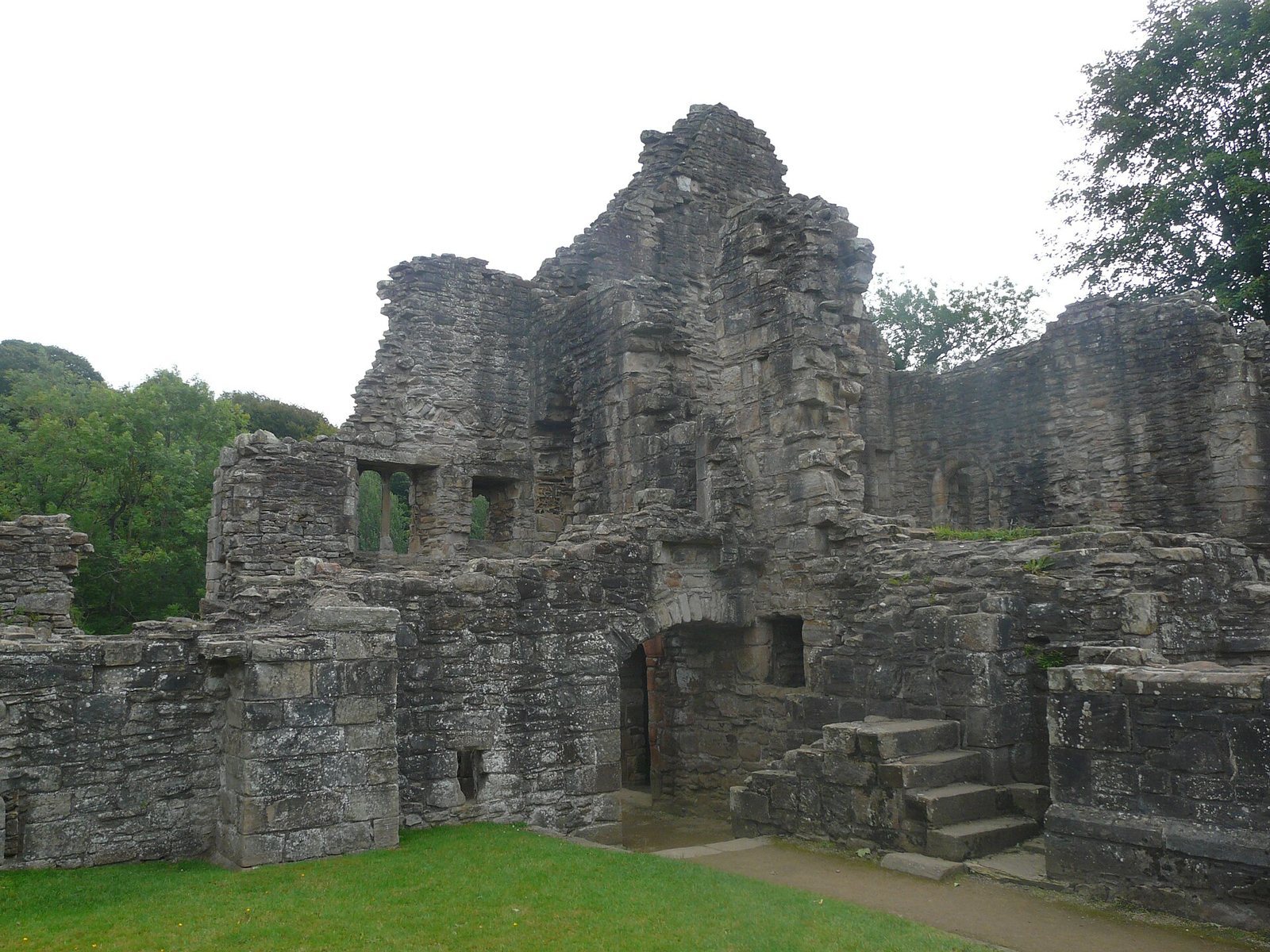
The remains beside the River Wear include the foundations of a 12th-century chapel and extensive parts of the later monastic complex. They preserve features from several stages of construction, including the chapel, the priory church, and buildings associated with the monastic community.
Chapel and Godric’s burial place
The stone chapel dedicated to St John the Baptist dates to the 12th century and was built around the end of Godric’s life. Some remains of the chapel survive. Godric’s burial place, beside the north wall of his church, is marked by a cross in the grass.
Priory church
The church includes work from around 1200 and from the late 14th century. During the 1360s and 1370s, its nave and chancel were made narrower by removing the side aisles. The original arcade columns have richly decorated capitals, and carved stone patterns remain in the filled-in nave arches. On the south wall, a double basin for washing sacred vessels and two carved seats for clergy survive.
Other monastic buildings
Some temporary buildings erected for the first prior and the monks sent to establish the priory still survive. The guest house, also called the hospitium, and part of the prior’s house date to the mid-15th century.