Lyutitsa: A Medieval Fortress and Episcopal Center in Bulgaria
Site at a Glance
- Rating
- 4.2
- Popularity
- Medium
- Country
- Bulgaria
- Primary era
- Medieval
- Eras represented
- Medieval, Early Modern
- Civilizations
- Ottoman, Second Bulgarian Empire
- Site type
- Military
- Remains
- Castle
On this page10 sections
History
Early occupation and episcopal role
Lyutitsa is a medieval fortress in the Eastern Rhodope Mountains of southern Bulgaria, within present-day Ivaylovgrad. People occupied the hill during the Bronze Age, a prehistoric period when bronze tools and objects were in use, and during the first millennium BC. The date when the fortress was built is uncertain. Lyutitsa served as an episcopal center from the 9th to the 17th century. Records from the time of Byzantine emperor Leo VI and patriarch Nicholas I Mystikos first identify it as a metropolitan center, the seat of a bishop with authority over a wider church region than an ordinary bishop. At least two authors from the Byzantine Empire, the eastern continuation of the Roman Empire centered on Constantinople, also mention the fortress.
Medieval rule and conflict
During the Middle Ages, Bulgarians and Byzantines alternately controlled Lyutitsa. The fortress reached its height in the 13th century, and its present form probably dates to the 12th and 13th centuries, during the time of Kaloyan, a Bulgarian ruler who held the title tsar. Lyutitsa was destroyed repeatedly. In his memoirs, Byzantine emperor John VI Kantakouzenos wrote that his army reached the fortress in 1342-1343.
Ottoman conquest and abandonment
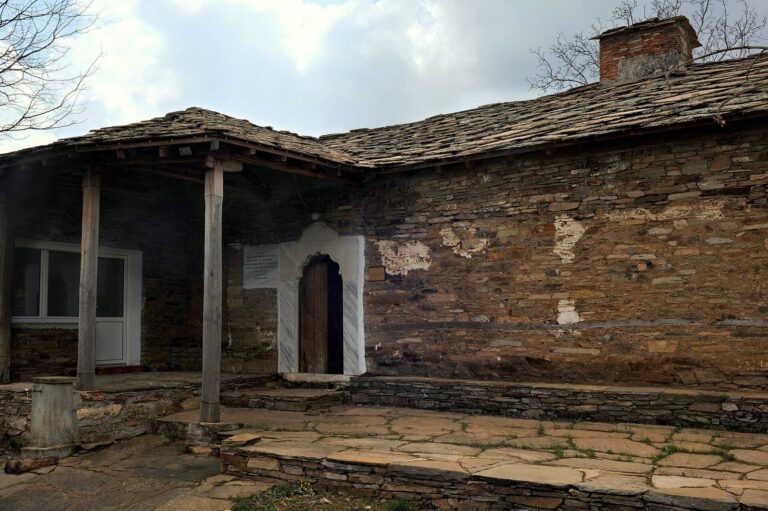
During the 14th-century Ottoman conquest, as the Ottoman Empire expanded from Anatolia across southeastern Europe, Lyutitsa was taken without resistance and was not destroyed in the capture. It retained its status as an episcopal center. The church continued in use after the conquest, and a small monastery was built on the hill. The fortress was abandoned in the 18th century, after it lost its defensive importance. Lyutitsa is one of Bulgaria’s best-preserved fortresses.
Remains
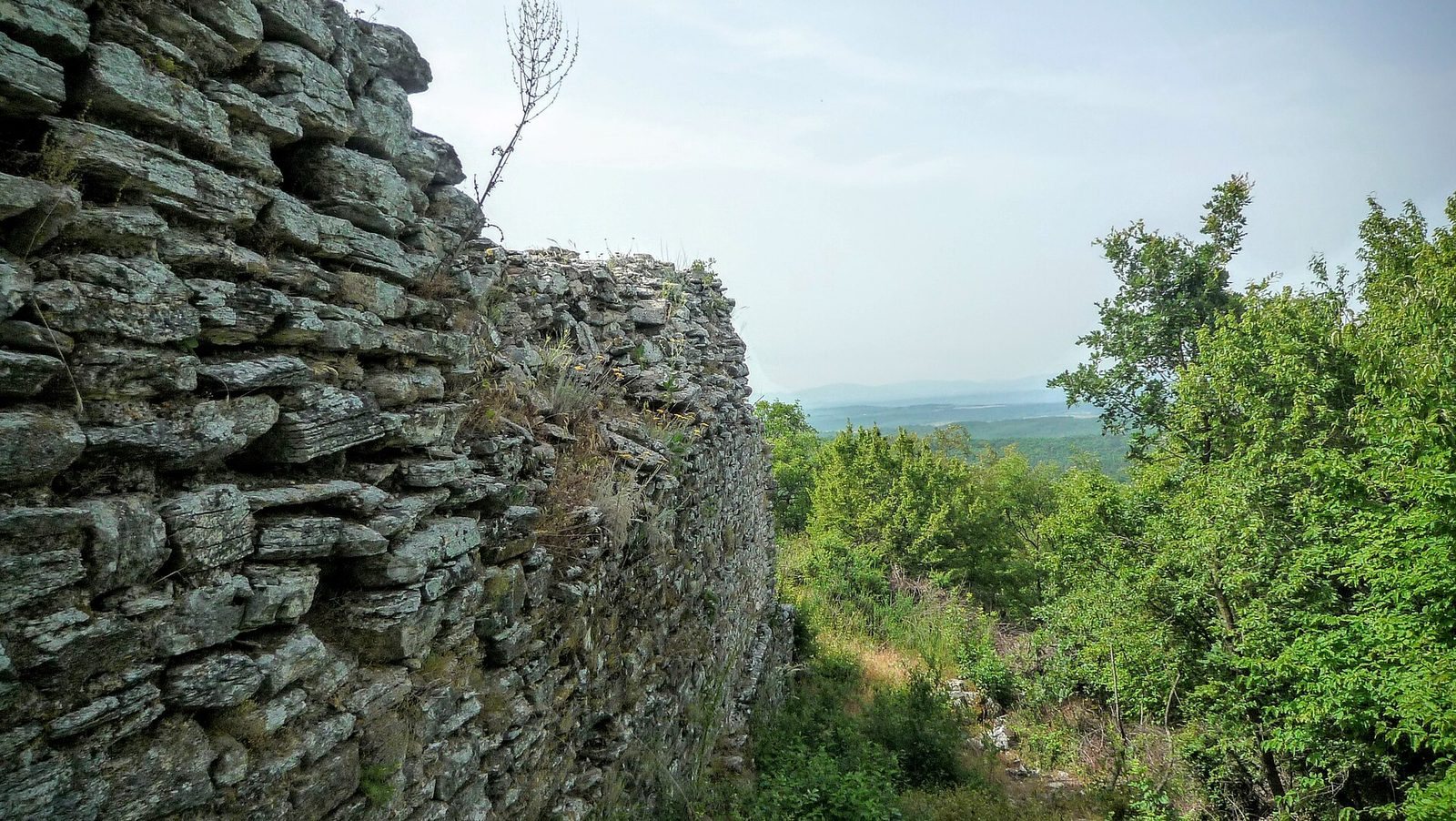
The enclosure has an irregular elliptical plan and covers about 1.5 hectares. Marble was used to build the fortress, giving rise to its nickname, Marble City.
Walls and towers
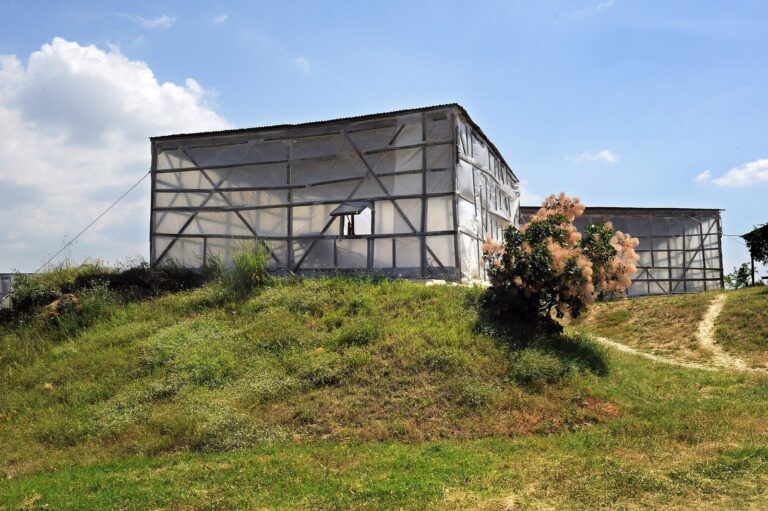
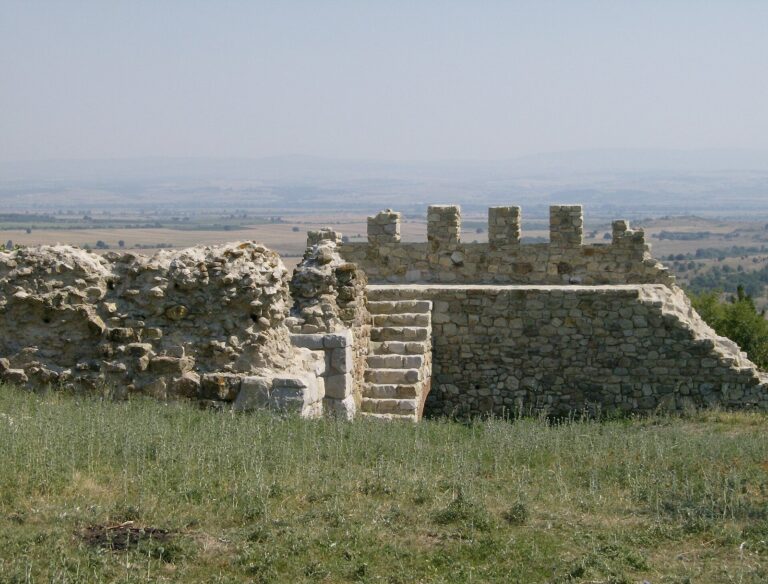
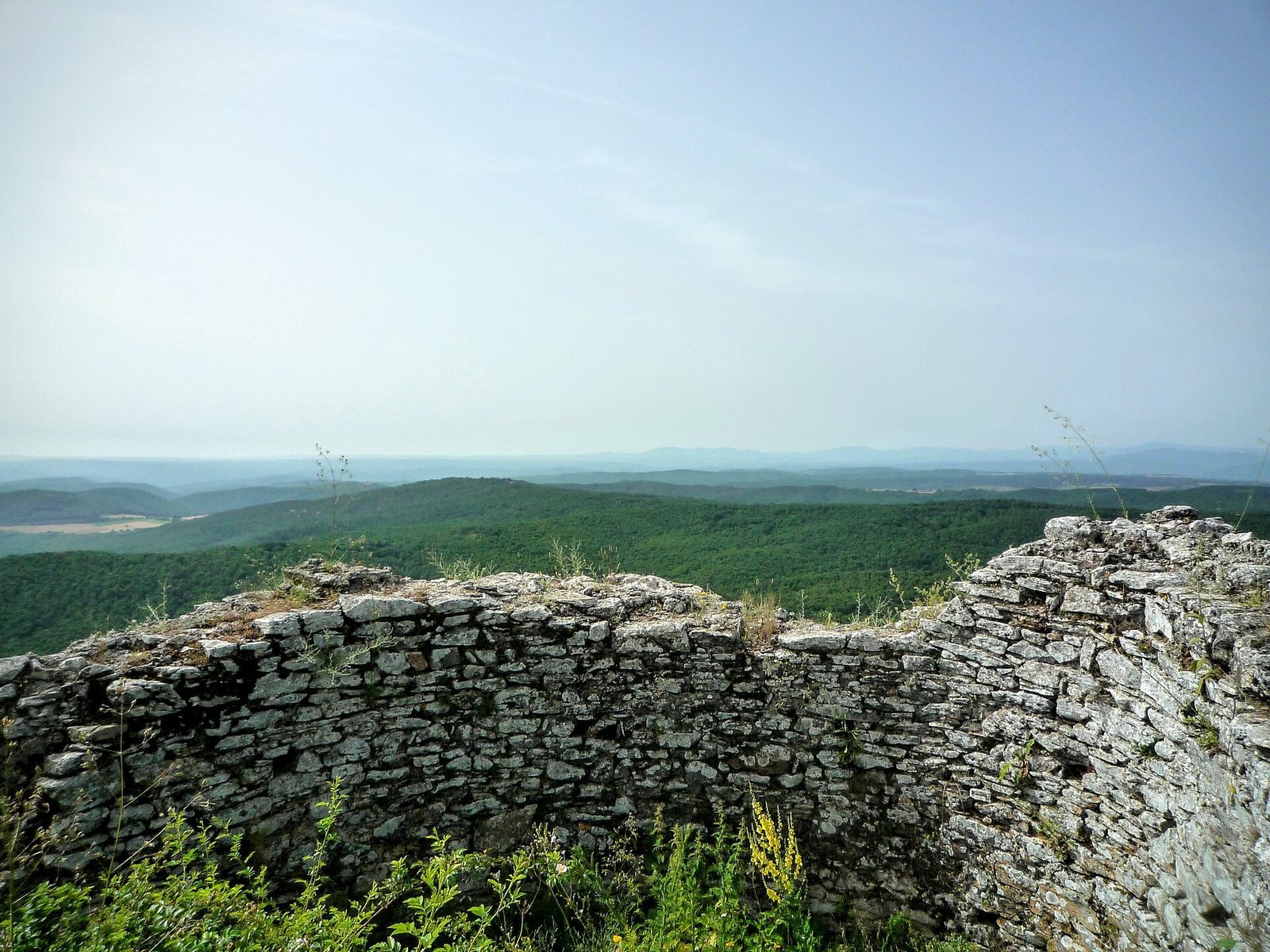
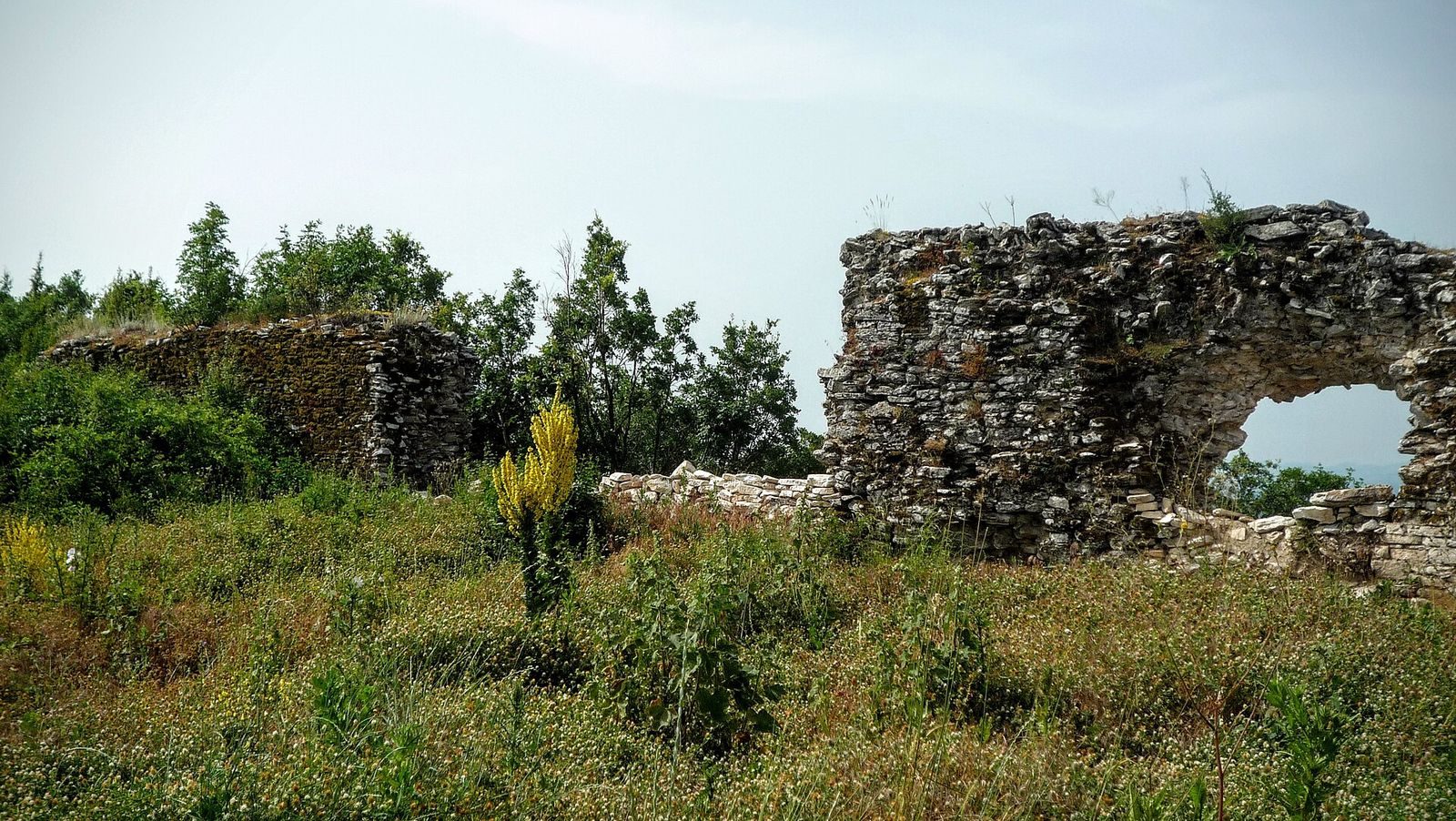
The walls extend for more than 600 metres and originally reached 10 metres in height. Surviving sections stand about 6 metres high and are 1.75 metres thick, and much of the perimeter remains well preserved. The west entrance is flanked by two rectangular towers set at right angles to the walls. The fortress had 12 rectangular and octagonal towers, each three storeys high; surviving towers reach up to 9 metres. Eight of the original towers remain. Lower levels in the southern towers served as living spaces, while those in the northern towers were used as water cisterns.
Churches
Two churches stood within the enclosure. The oldest was a basilica, a type of church, and served as the episcopal church. Its nave, the main central space, had mural decoration and a gabled roof, with two sloping sides meeting at a ridge, covered in tiles. A cross that crowned the church was found among the ruins.
Other buildings and water storage
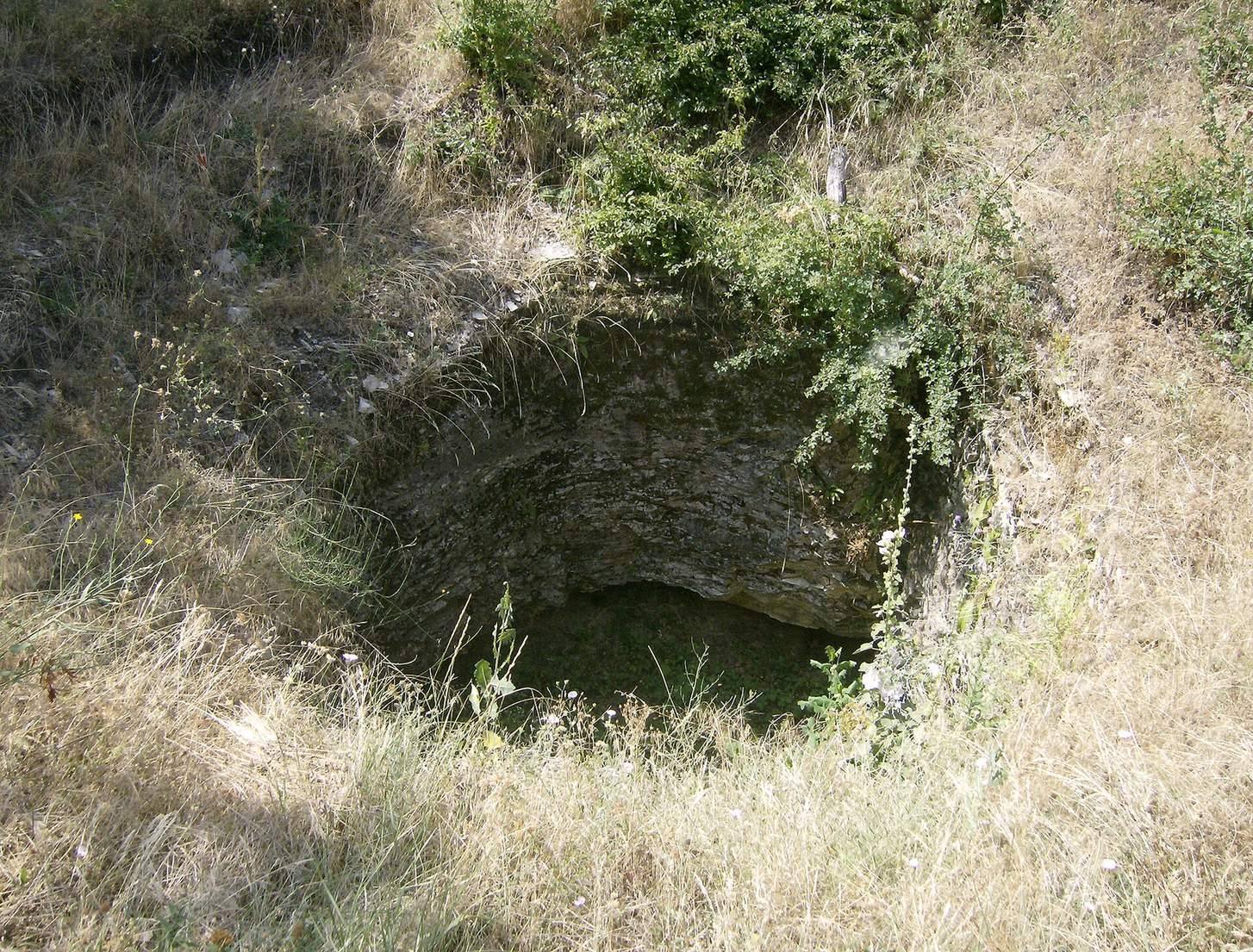
A keep, the principal fortified tower of a castle, stood among residential buildings inside the enclosure. The site also contained a water cistern and remains of an ancient drainage system.
Burial areas and outer settlement
An extensive necropolis, or cemetery, lay within the fortress, where excavations identified 15 graves. Traces of an outer settlement extend around the enclosure. Graves from different periods are also located at the foot of the mountain.
Archaeological finds
Finds from Lyutitsa include pottery, coins, jewelry, metal objects, everyday items, vessels used to distil alcohol, and architectural details. The excavated objects are kept at the history museum in Ivaylovgrad. Pottery matching examples from Pliska and Preslav, important medieval Bulgarian centers, has been interpreted as evidence of a highly developed culture.