Lažanský Palace: A Neo-Renaissance Aristocratic Residence in Prague
Site at a Glance
- Popularity
- Medium
- Country
- Czechia
- Primary era
- Modern
- Eras represented
- Modern
- Civilizations
- Austria-Hungary, Austrian Empire, Habsburg
- Site type
- Domestic
- Remains
- Elite Residence
On this page4 sections
History
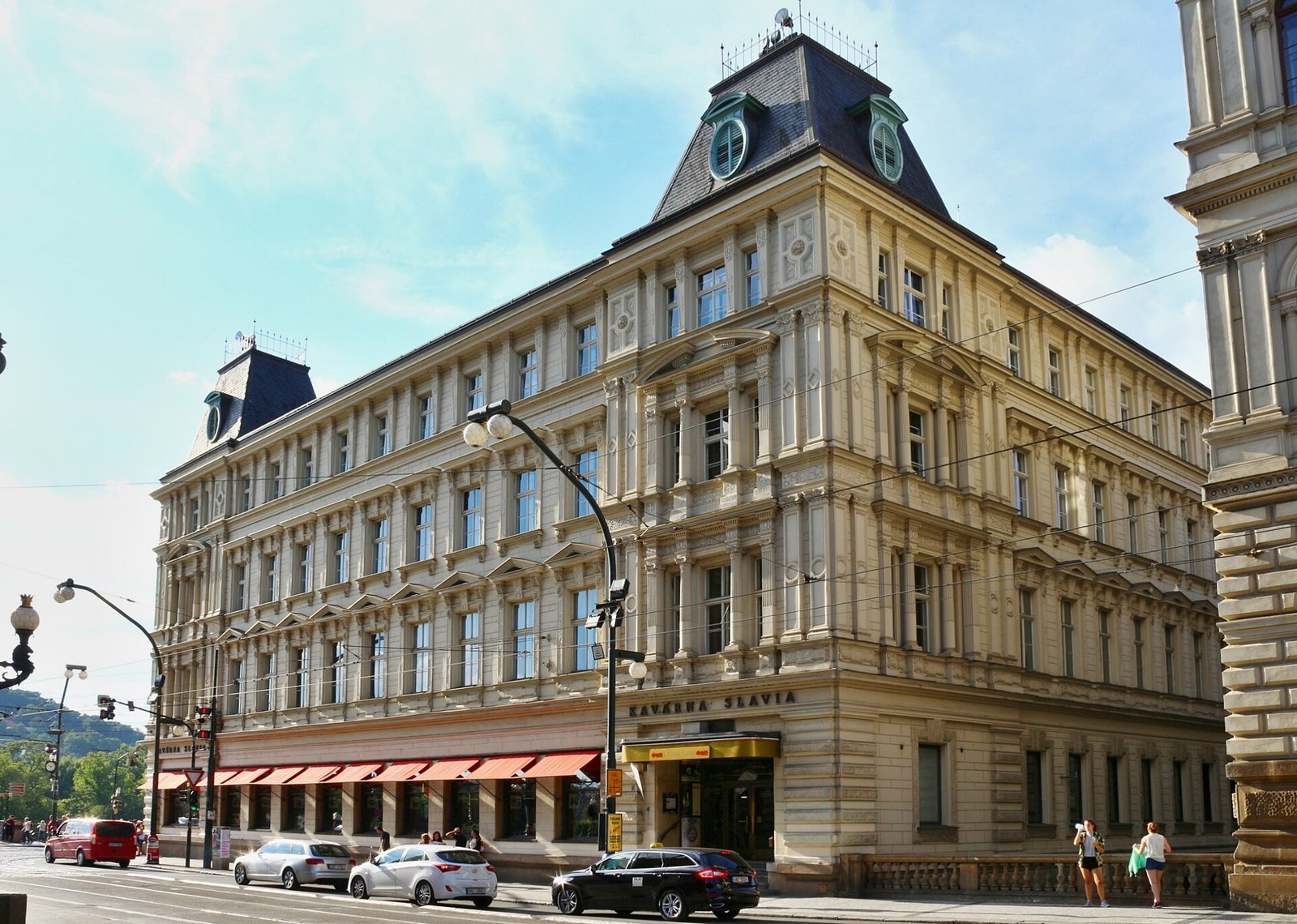
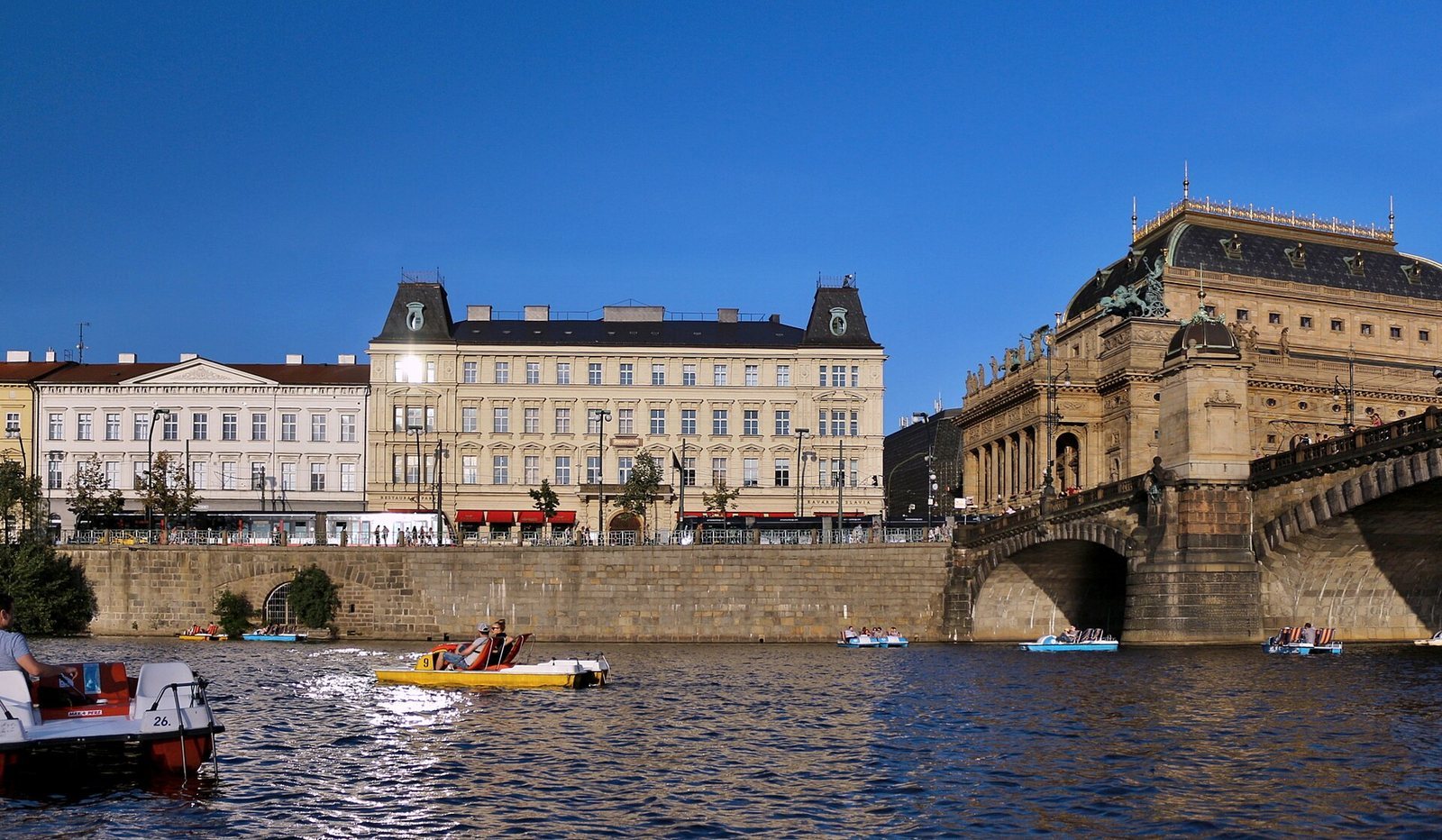
Lažanský Palace is a neo-Renaissance residence, a revival of Renaissance architectural forms, in Prague’s Old Town, Czechia. It was built between 1861 and 1863 for Count Prokop Lažanský as an aristocratic home.
Construction and nineteenth-century use
The Czech composer Bedřich Smetana lived in the palace during the nineteenth century.
Café Slavia and later use
In 1881, entrepreneur Václav Zoufalý opened a ground-floor café in the palace. First called Velka Slavie, it later became known as Café Slavia. The café closed from 1989 to 1997 and then reopened.
The palace is protected as a cultural monument. It is owned by the Czech Academy of Performing Arts, a higher-education institution, and also houses the Prague Film Academy.
Remains
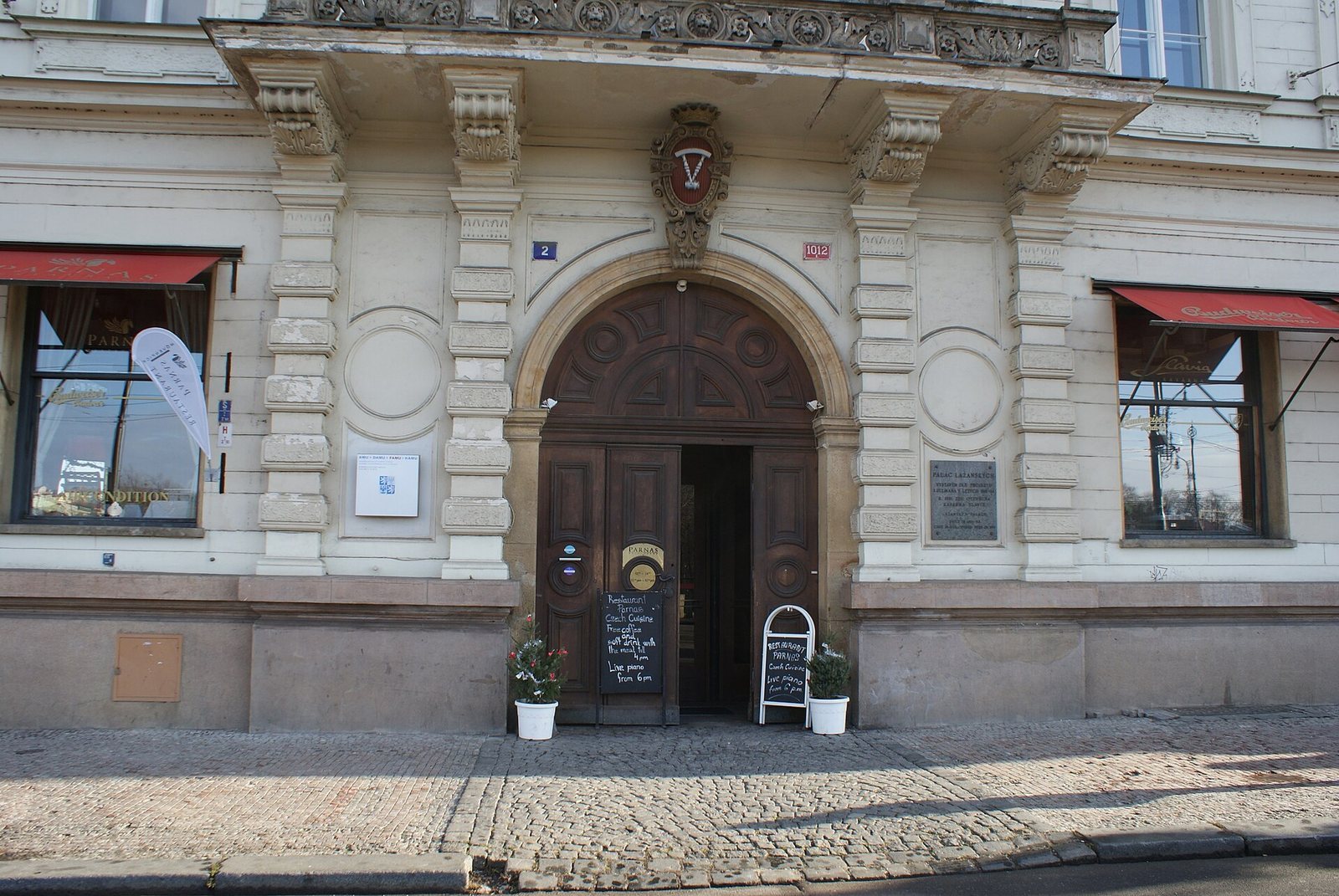
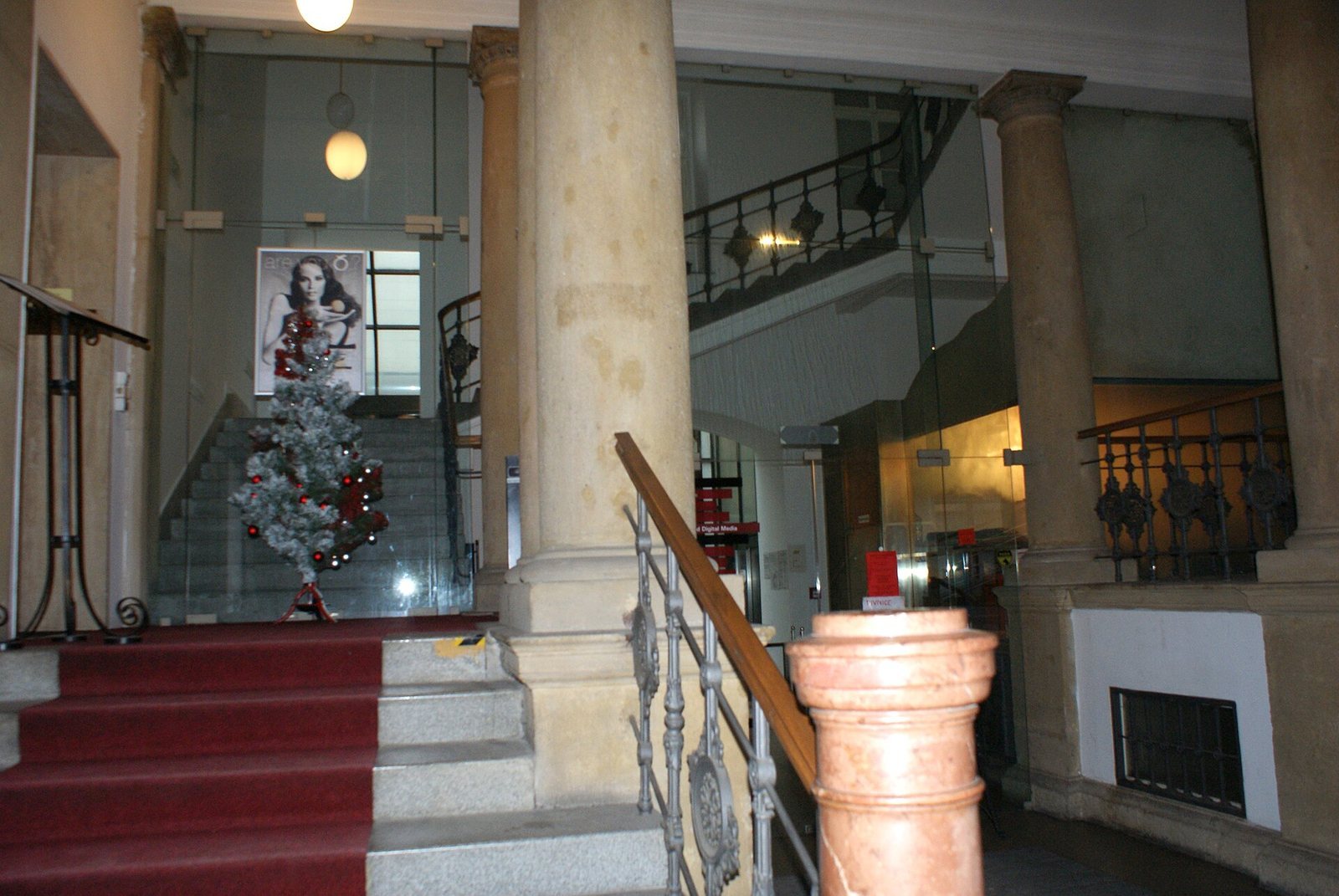
Designed by architect Vojtěch Ignác Ullmann, the palace stands opposite the National Theatre, with Café Slavia on its ground floor. An Art Nouveau porch, in a style characterized by flowing forms and ornament, was added in 1907 and includes a canopy.