Ludwigsburg Palace in Rudolstadt: A Baroque Princely Residence
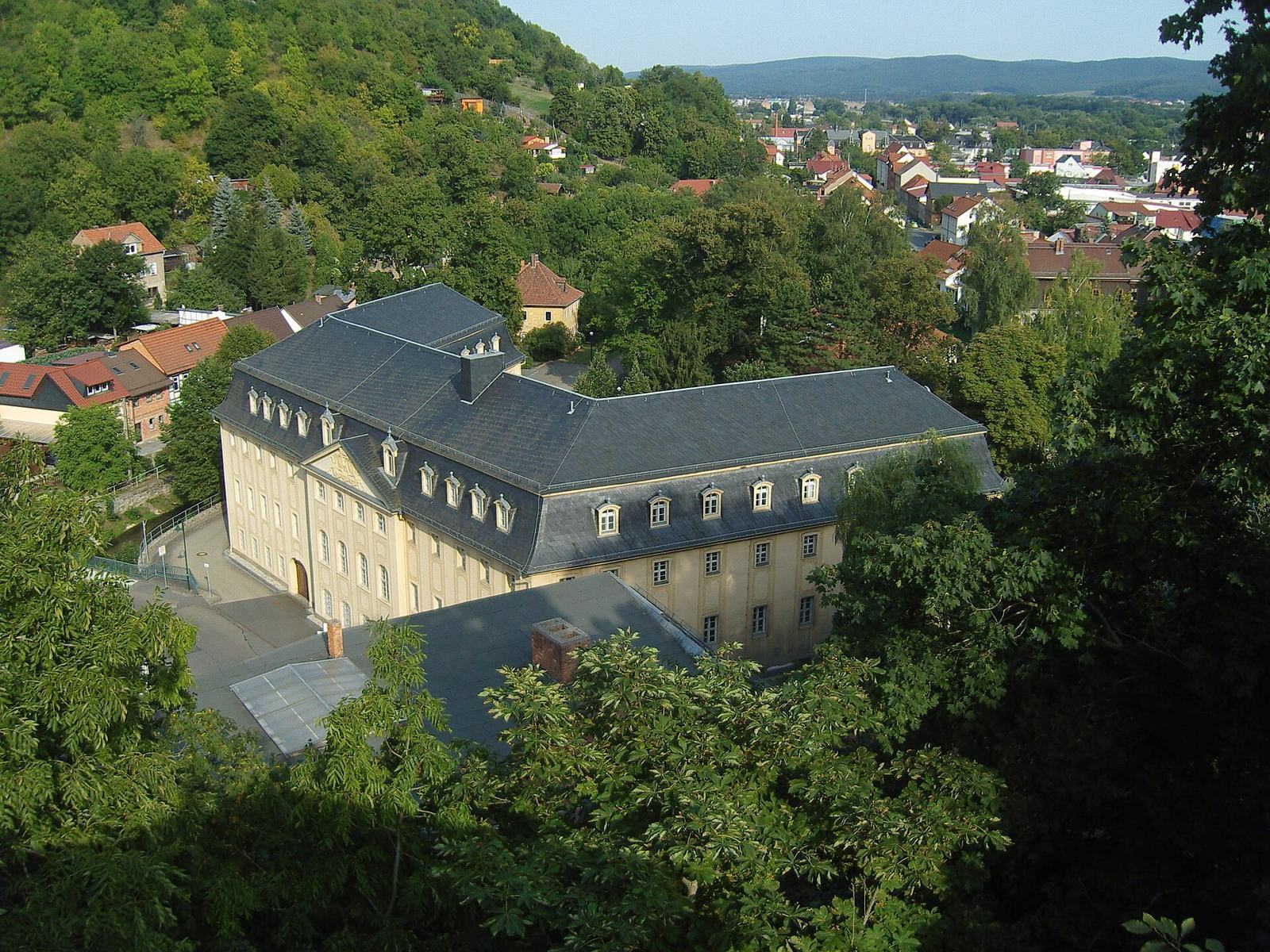
Site at a Glance
- Popularity
- Medium
- Country
- Germany
- Primary era
- Early Modern
- Eras represented
- Early Modern
- Civilizations
- Holy Roman Empire
- Site type
- Domestic
- Remains
- Palace
On this page4 sections
History
Ludwigsburg Palace is a Baroque palace in Rudolstadt, Germany, built between 1734 and 1741. Baroque was a European architectural style. The palace first served as a residence for Prince Ludwig Günther of the House of Schwarzburg-Rudolstadt, the ruling dynasty of a Thuringian principality.
Construction and princely residence
Tradition holds that a castle stood on the site before the palace, and that its remaining round tower was blown up in 1730 to clear the way for the new building. Ludwig Günther was the uncle of Prince Johann Friedrich. After Johann Friedrich’s death, Ludwig Günther succeeded him and moved to Heidecksburg in 1767. A fire at Heidecksburg later led the Schwarzburg-Rudolstadt princely house to use Ludwigsburg briefly as a residence.
Later uses and literary association
In later periods, the palace housed a princely drawing school, the Schwarzburg-Rudolstadt Landtag, a territorial representative assembly, a museum, a ministerial apartment, a teachers’ seminary, and an after-school care center. Its Natural History Cabinet, a collection of natural specimens assembled for study or display, remained there until 1919 and became known beyond Rudolstadt. The palace is now the seat of the Thuringian Court of Audit.
Friedrich Schiller’s 1788 tale The Duke of Alba at a Breakfast at the Castle in Rudolstadt. In the Year 1547 also associated the palace with literature. Schiller was an eighteenth-century German poet and dramatist.
Remains
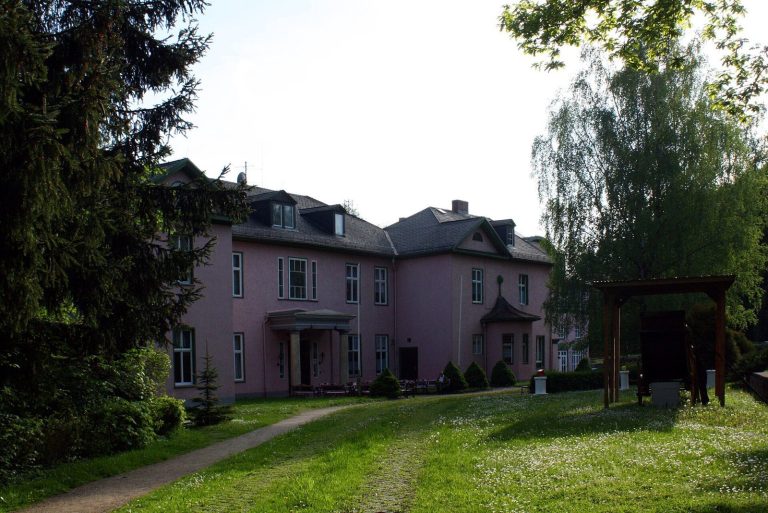
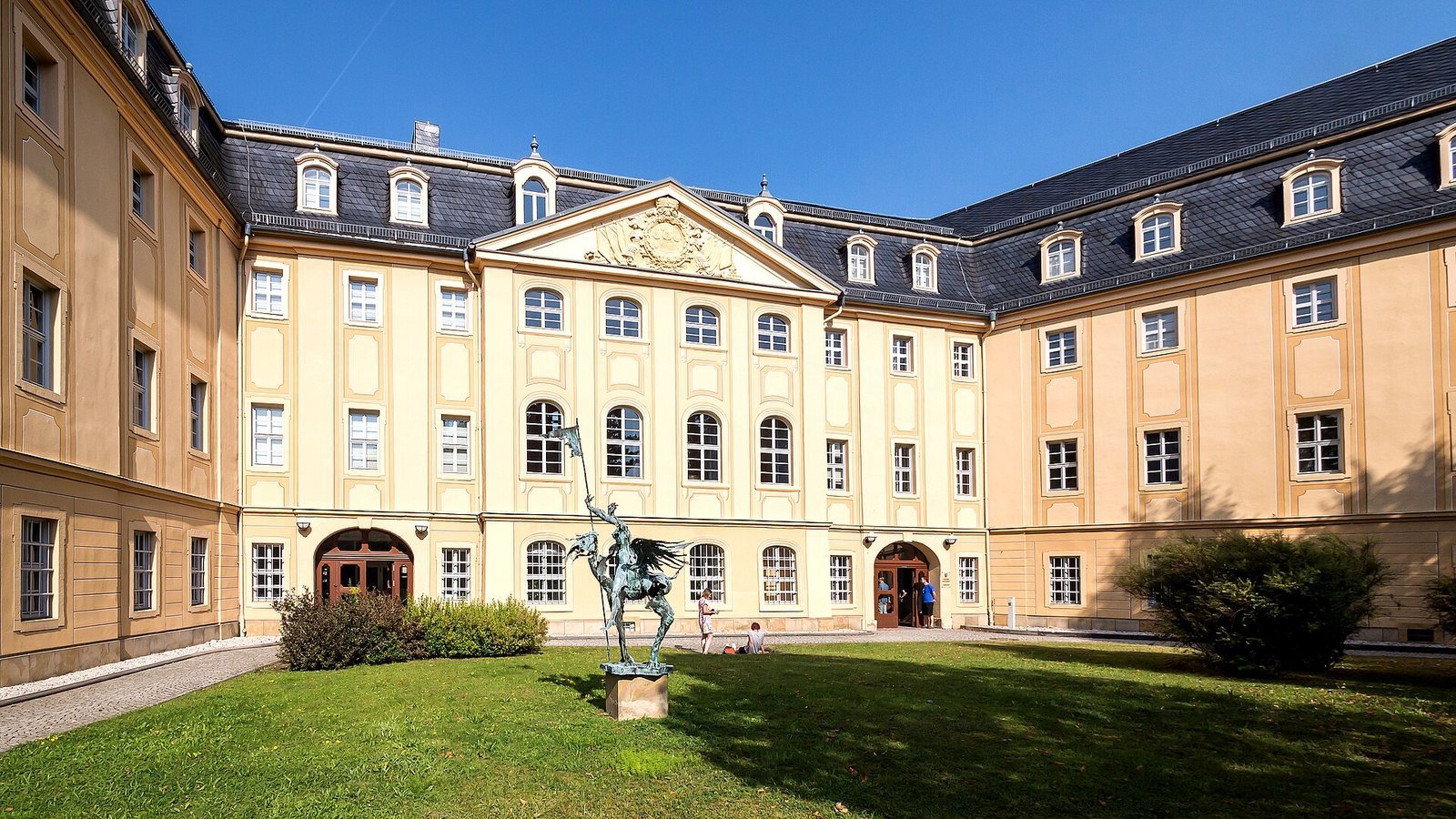
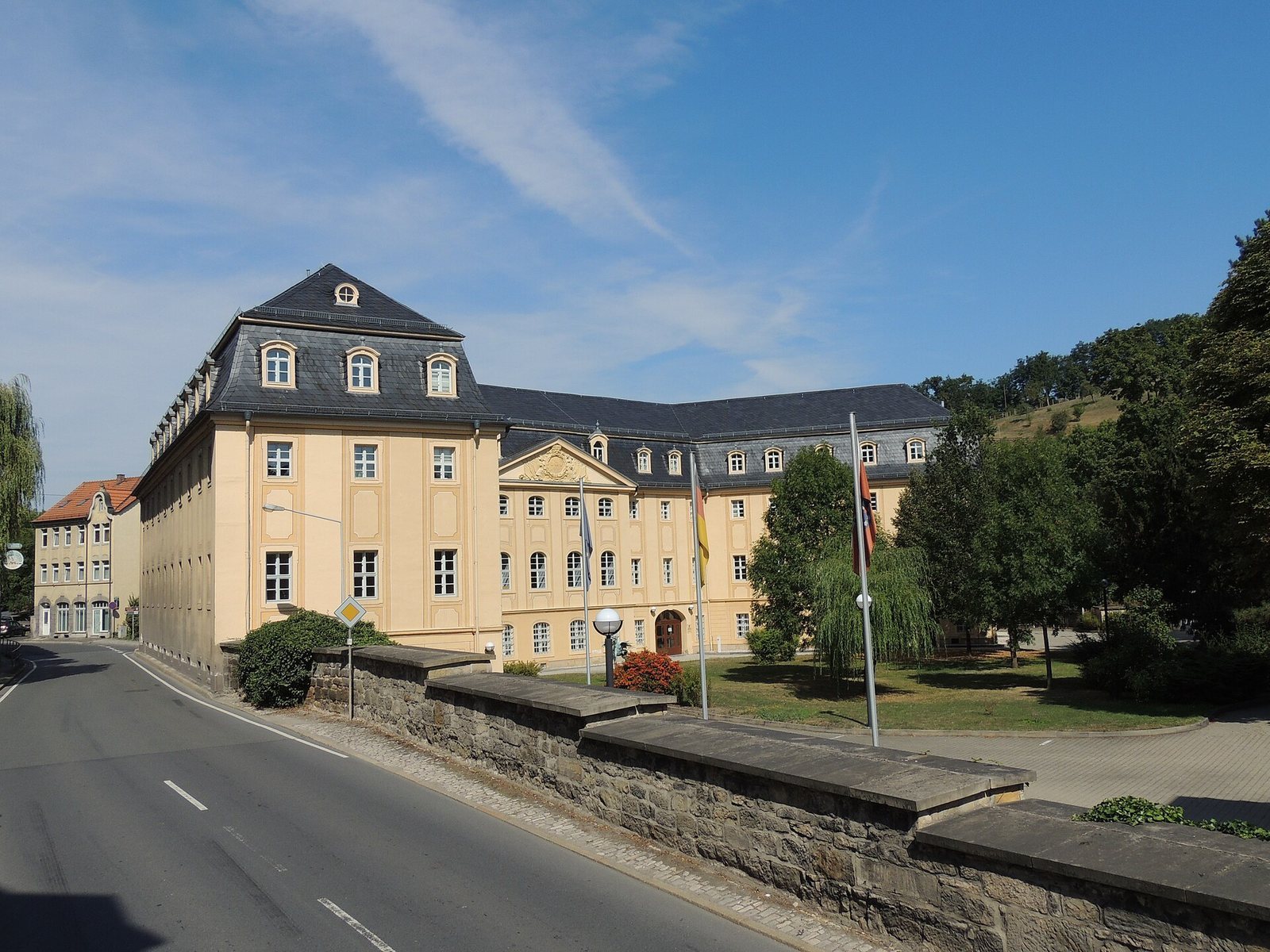
Situated below Heidecksburg, Ludwigsburg Palace has an urban, three-winged plan. Its architecturally prominent central wing contains a two-storey hall in the Rococo style, a particularly ornate European style, with elaborate wall decoration.