Archbishop’s Palace of Uppsala: Residence of the Archbishop
Site at a Glance
- Rating
- 4.7
- Popularity
- Very Low
- Country
- Sweden
- Primary era
- Early Modern
- Eras represented
- Medieval, Early Modern, Modern
- Civilizations
- Swedish
- Site type
- Religious
- Remains
- Palace
On this page6 sections
History
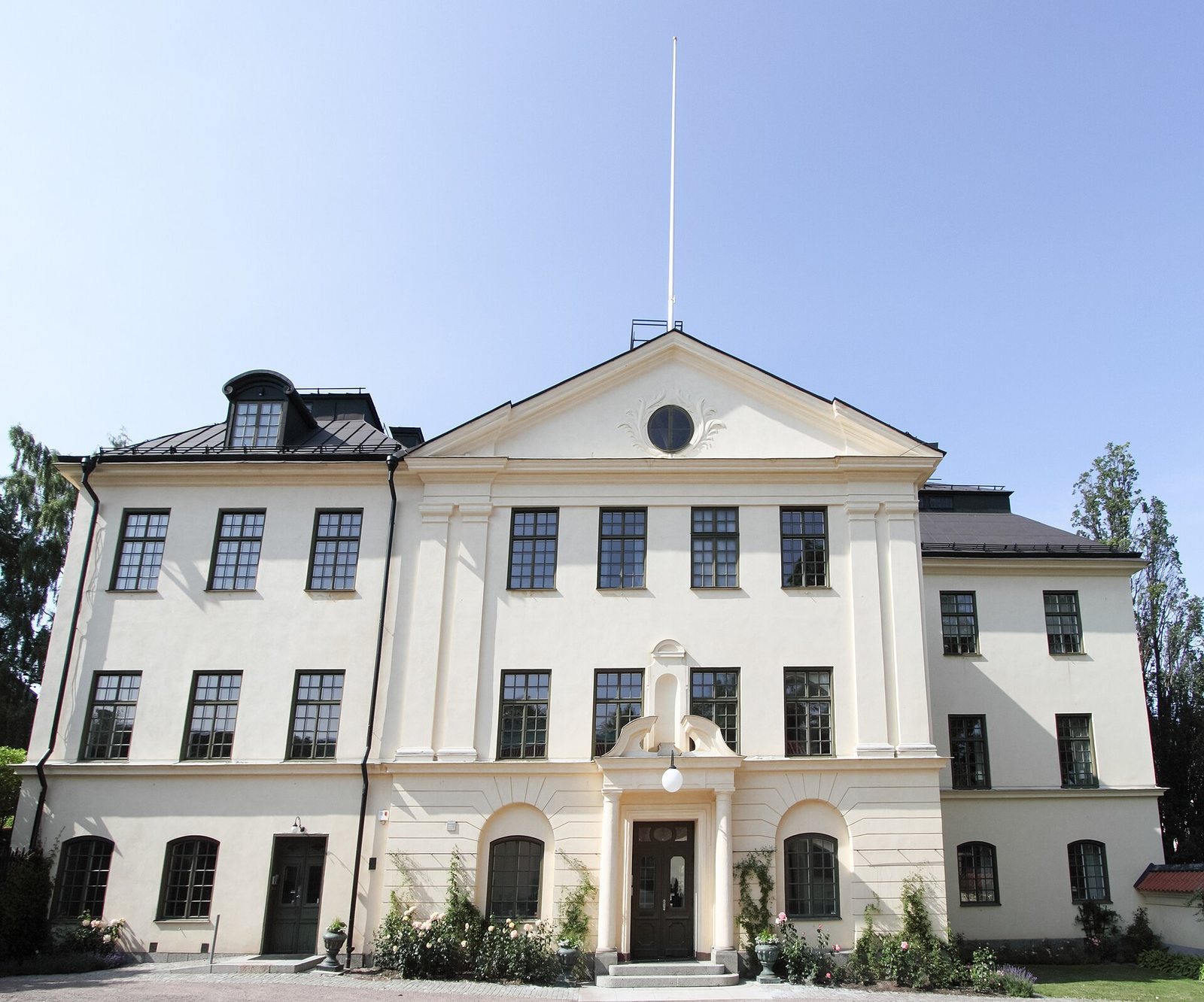
The Archbishop’s Palace of Uppsala is an 18th-century residence in Sweden, built for the archbishop of the Church of Sweden. Its history is tied to an earlier fortified castle and to the changing role of the archbishop’s residence in the city.
The medieval castle and royal use
A fortified castle for the archbishops was established in the 14th century on the site of today’s University Park. It gained additional towers and fortifications in the 15th century, then burned and was partly destroyed in 1497 and again in 1521 during Sweden’s wars against Denmark. During the reign of Gustav I, also known as Gustav Vasa, the king of Sweden, the castle was repaired and enlarged for royal use.
After a new Uppsala Castle was built in the 1550s, the older castle became subsidiary and supplied building material for its successor. A royal stable was added in 1620. By the mid-17th century, only the castle’s foundations remained, and Uppsala University took over the land for a riding school for young noblemen.
Construction of the present palace
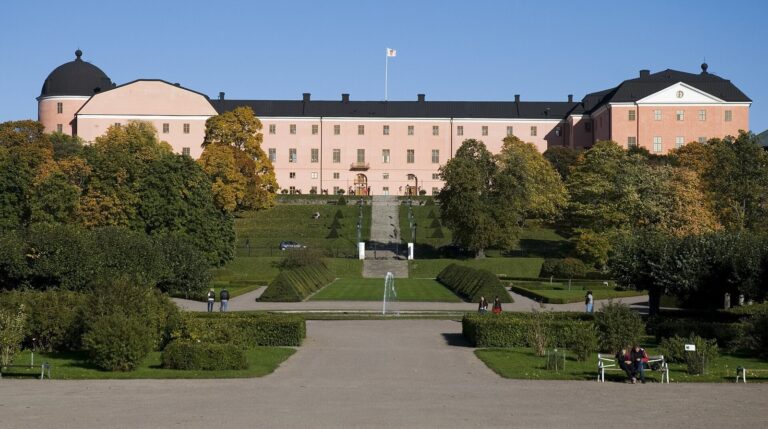
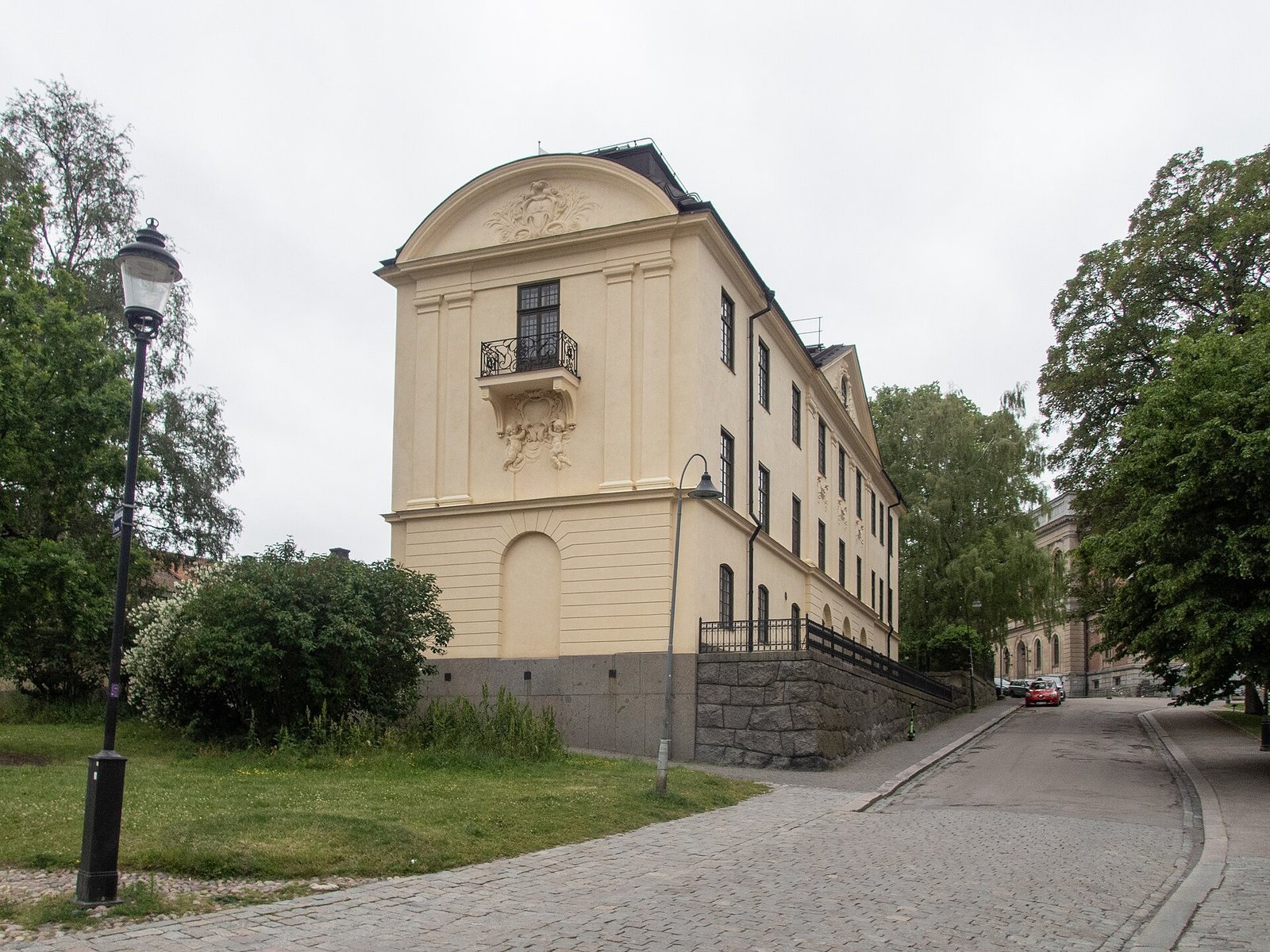
The present palace occupies the site of a 14th-century building known as the Dean’s house, which served as the archbishop’s residence temporarily from 1691. Designed by Swedish architect Carl Hårleman, the new palace was begun in 1737 and completed in 1744.
The complex was enlarged during the 18th century, and an extra floor was added to the main building in 1767. A wall was built around the grounds in 1879, and the main building underwent extensive rebuilding in 1901. The palace became a nationally listed building in 1935.
Church ownership
Since the Church of Sweden separated from the state in 2000, the Church has owned the palace. It remains the official residence of the Archbishop of Uppsala, the Church’s senior bishop.
Remains
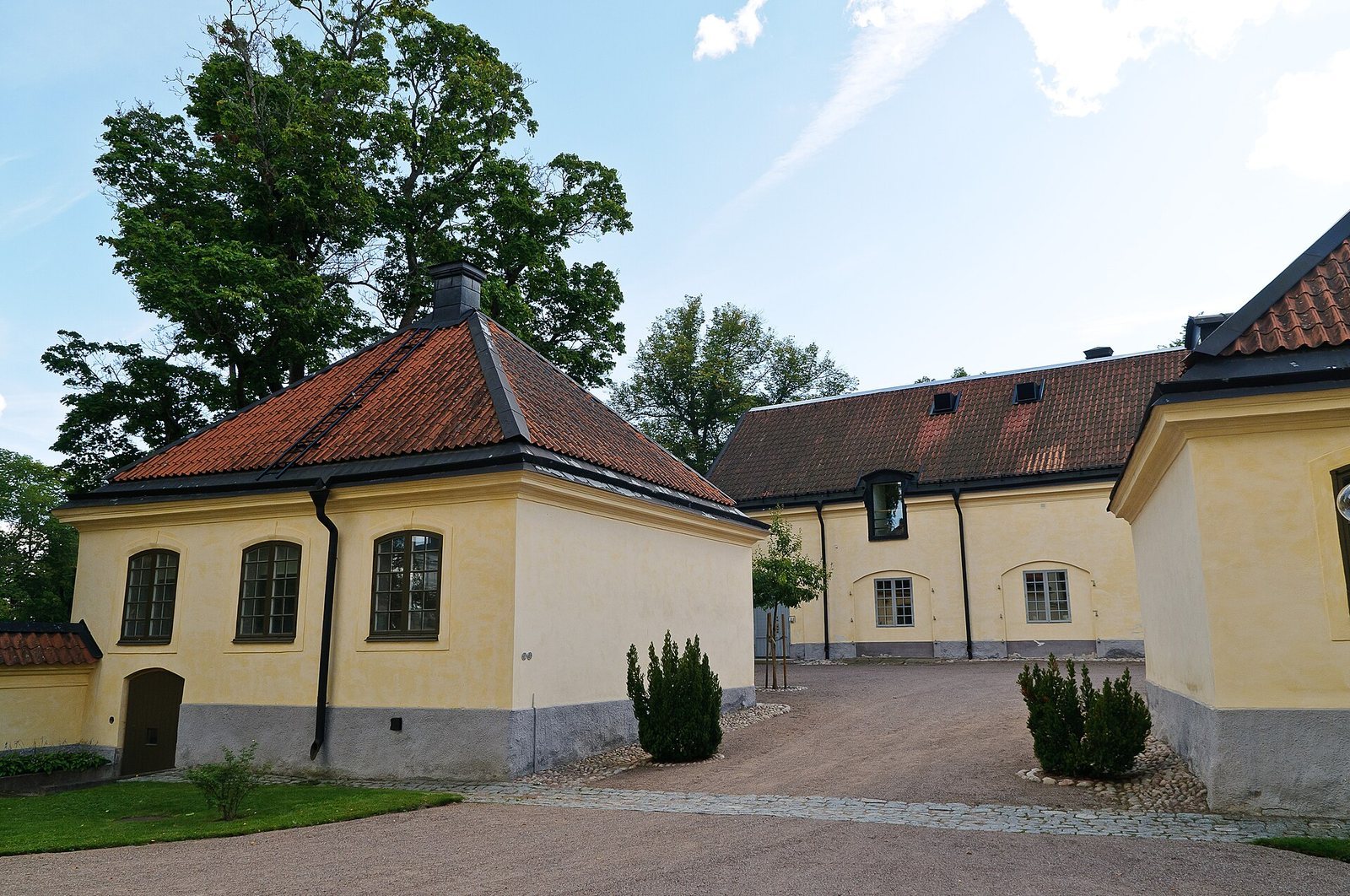
Facing University Park, the palace stands near Uppsala Cathedral in the old city centre, west of the river. Its enclosed grounds contain the main building, two wings, subsidiary buildings and servants’ quarters. A statue honoring Nathan Söderblom, a former archbishop and Nobel Peace Prize laureate, stands beside the palace walls; it was placed there in 1993.
Medieval remains
Parts of the Dean’s house survive within the palace as sections of its medieval cellars and foundations. Extensive remains of the earlier castle’s northern tower were uncovered during construction of University Hall and University Park in the 1880s. Nearby Rundelsgränd takes its name from these tower remains.