Leipziger Palace in Wrocław: A Neo-Renaissance Palace and Hotel
Site at a Glance
- Popularity
- Medium
- Country
- Poland
- Primary era
- Modern
- Eras represented
- Modern
- Civilizations
- German, Kingdom of Prussia
- Site type
- Domestic
- Remains
- Elite Residence
On this page9 sections
History
Construction and first ownership
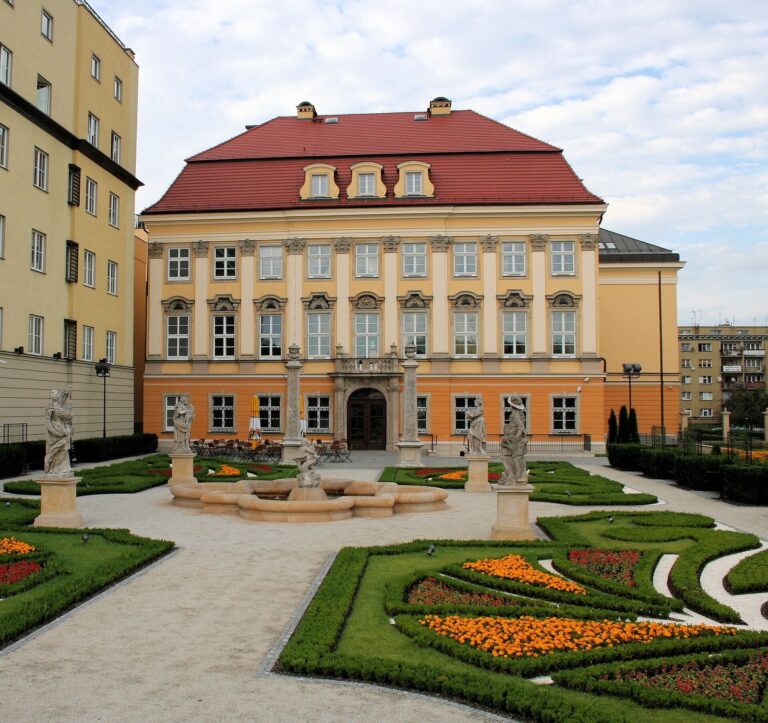
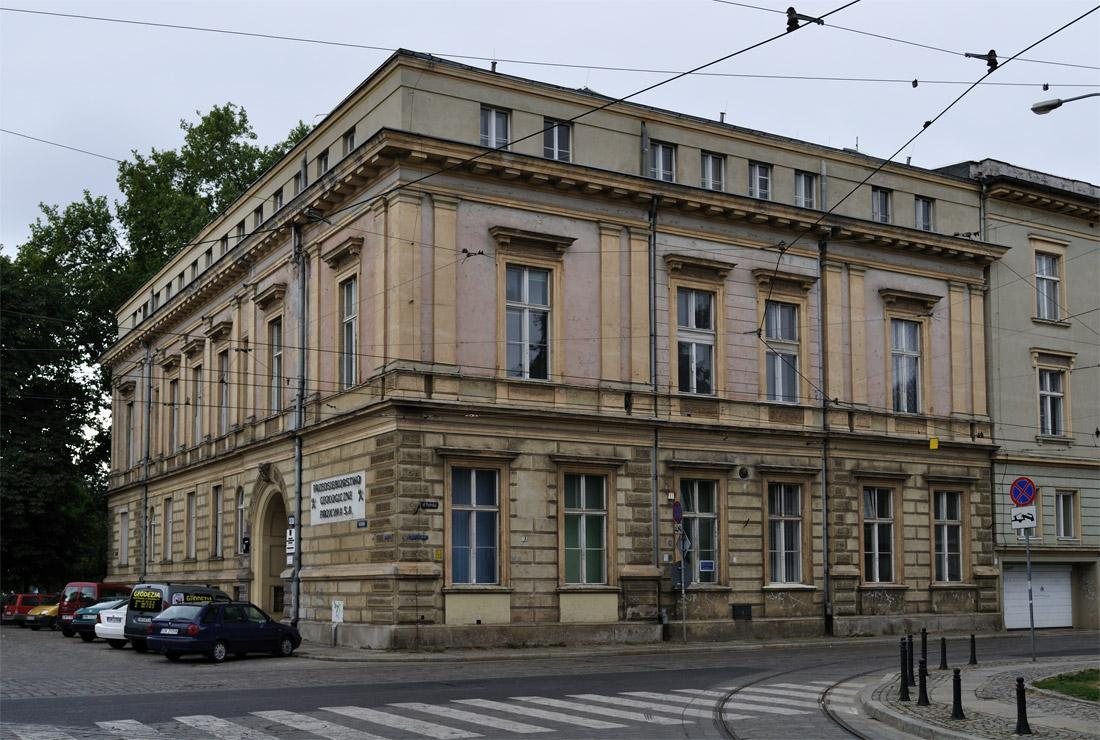
The Leipziger Palace in Wrocław, Poland, is a Neo-Renaissance palace, a nineteenth-century revival of Renaissance forms and decoration, built between 1872 and 1874 to a design by Karl Schmidt. A riding school had been built on the plot in 1827. The palace’s first owner was Ignatz Leipziger, a Jewish banker.
District offices
In 1878, Leipziger sold the building to the district committee, a district-level administrative body under German administration. It served as an office building under the committee until 1945.
Later uses
The palace continued in office use during the Polish People’s Republic, Poland’s communist state from 1952 to 1989. In the 1980s, it passed to Geological Enterprise Proxima. Torus acquired the property in 1997 to redevelop it as the five-star Altus Palace hotel. By 2023, the building was operating as a hotel.
Remains
Plan and interior
Overall plan
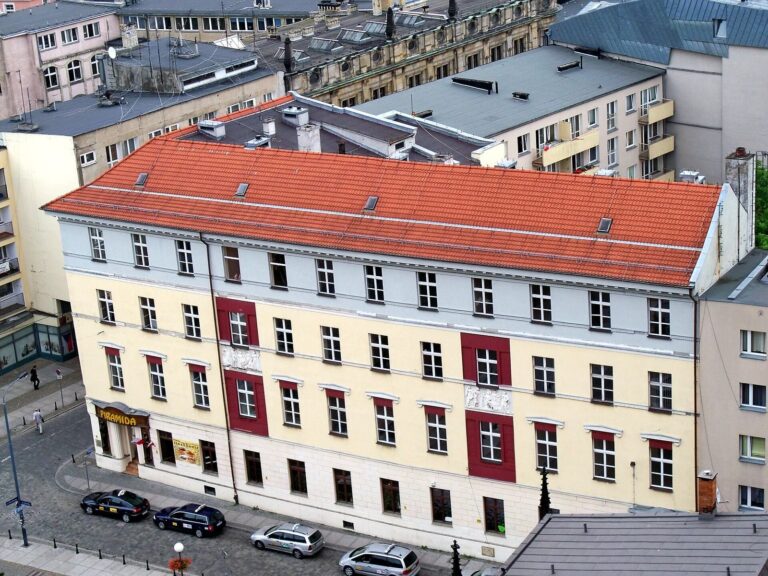
The palace has a rectangular plan extended by two projecting sections and originally rose two storeys above a basement. Its Neo-Renaissance design is expressed in the building’s architectural form and decoration.
Interior arrangement
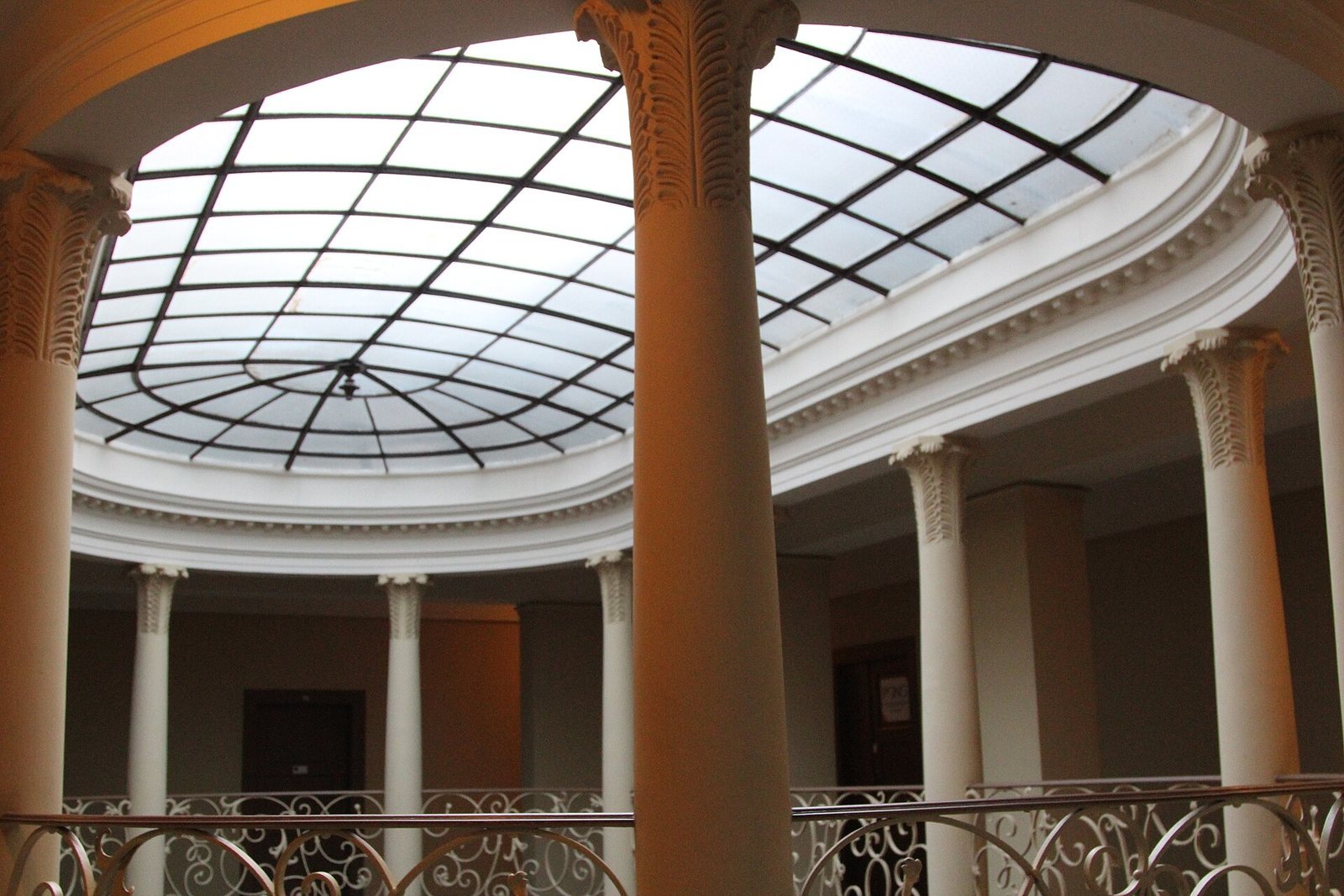
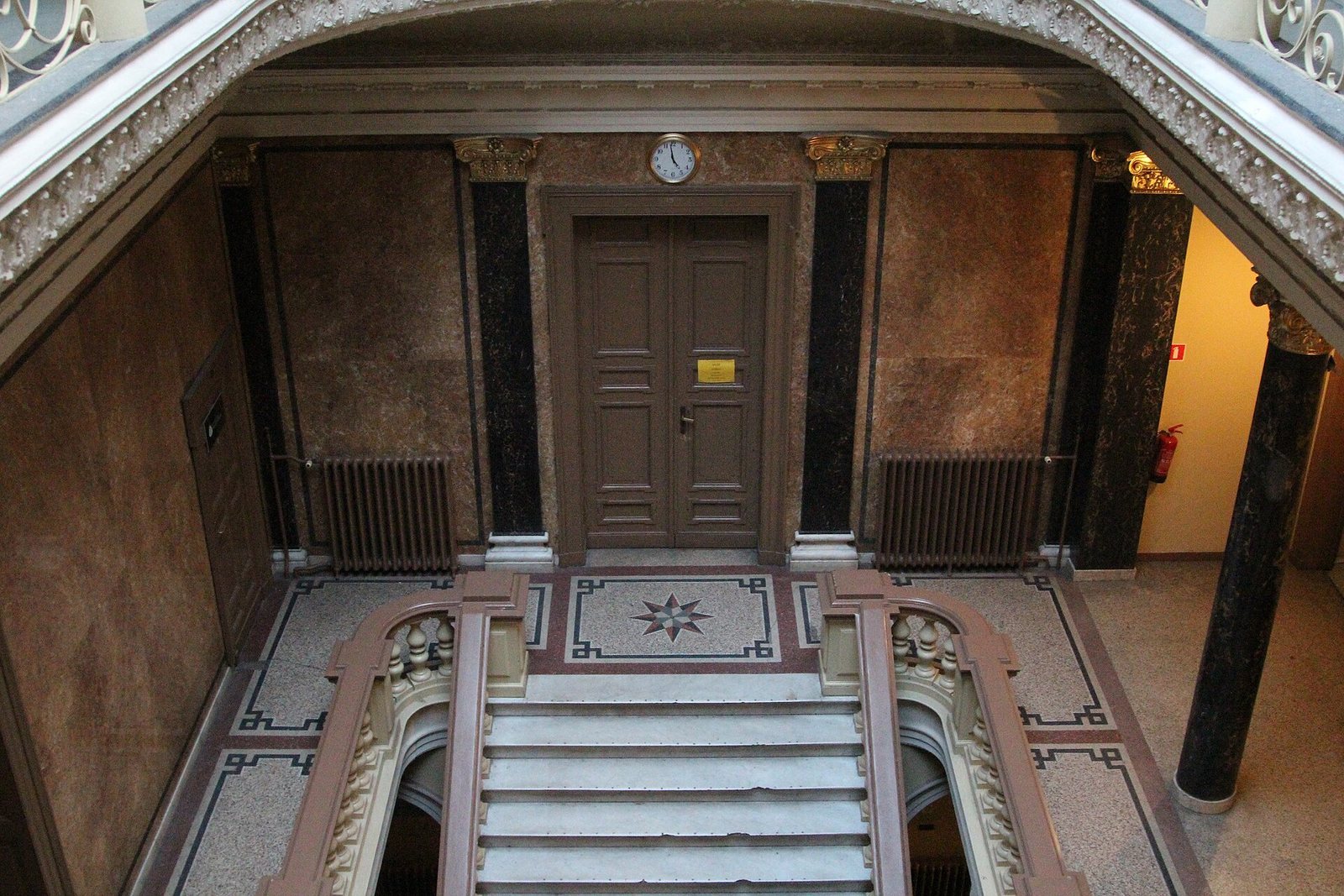
An atrium-like space capped with glazing was surrounded by a grand staircase. Utility rooms and a porter’s residence occupied the ground floor, while formal rooms on the first floor were arranged in an enfilade, a sequence of rooms connected by doorways aligned along one axis. Marble, stuccowork and the original grand staircase survive. The building also has a glazed simulated atrium and decorative cast-iron elements.
Alterations
In 1881, the spaces between the projecting sections were built over. Rooms beside the gate were enlarged in 1918, and a lower third storey was added in 1924. A further major alteration took place in 2008.