Crackstate: A Historic Residence and Town Hall in Heerenveen
Site at a Glance
- Popularity
- Medium
- Country
- Netherlands
- Primary era
- Early Modern
- Eras represented
- Early Modern, Modern
- Civilizations
- Dutch
- Site type
- Domestic
- Remains
- Elite Residence
On this page9 sections
History
Residence and state use
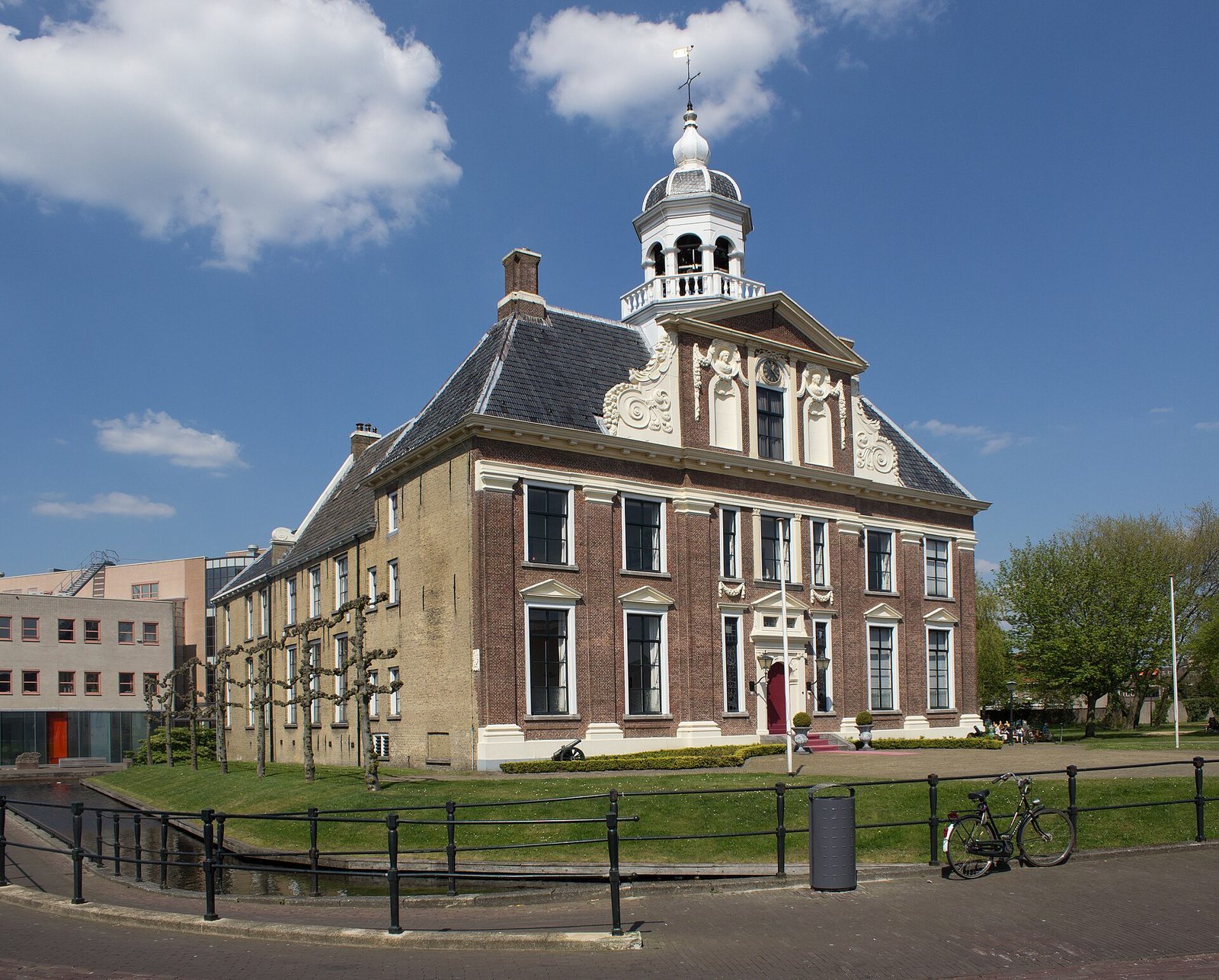
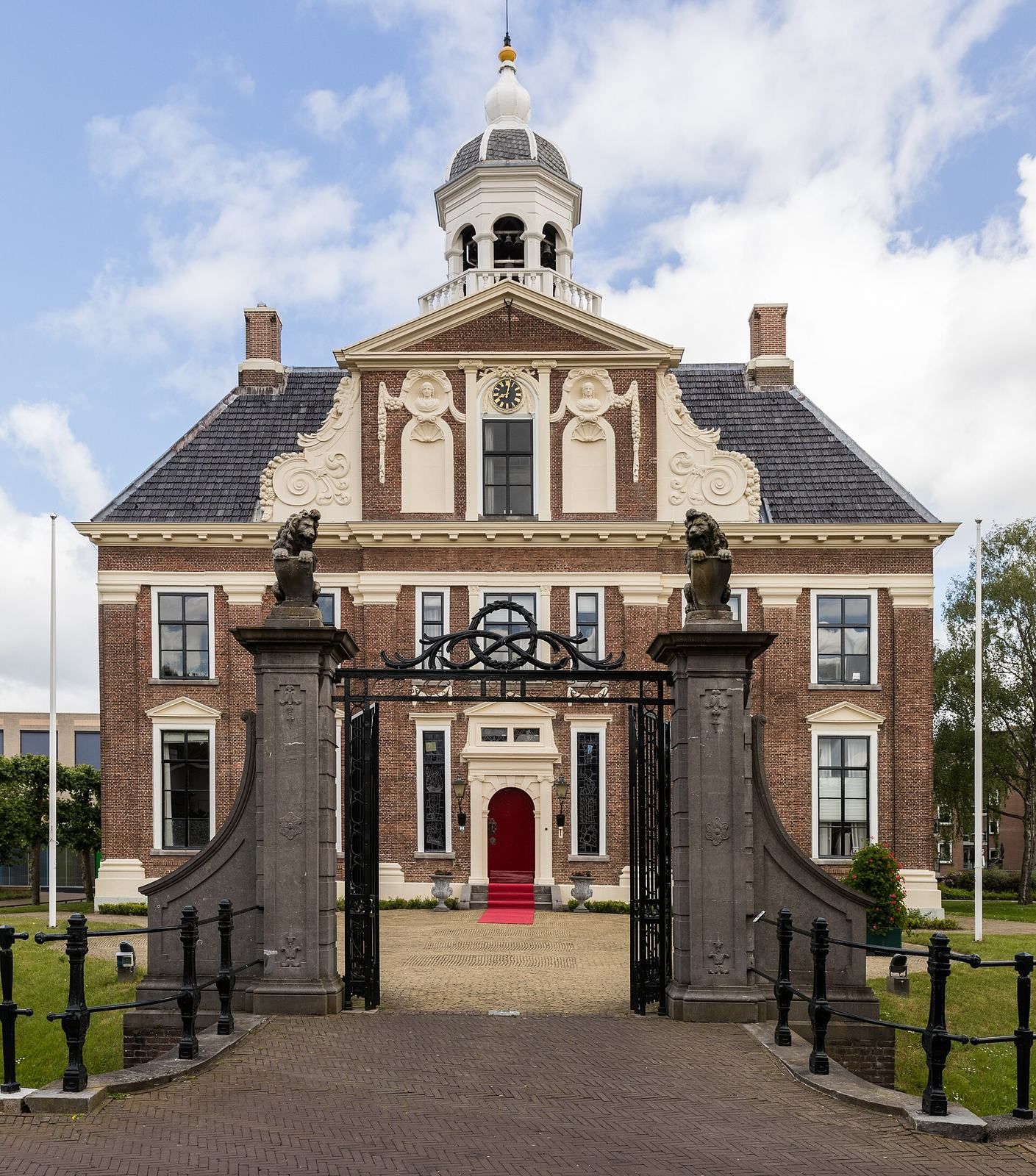
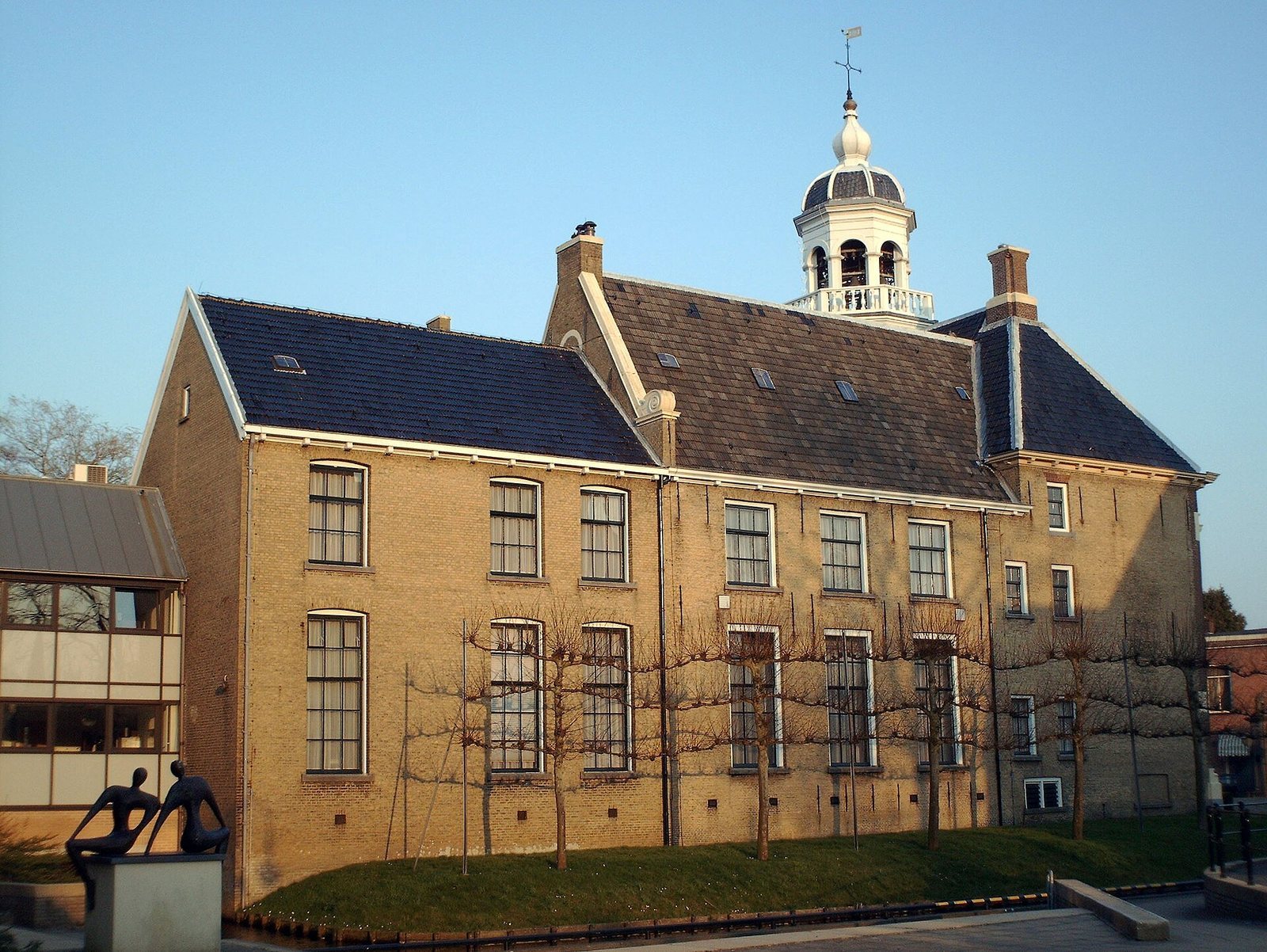
Crackstate is a historic residence and civic building in Heerenveen, the Netherlands. It was built in 1648 on the site of an earlier stins, a Frisian stone house or tower associated with fortified residences. Johannes Sytzes Crack, a grietman, or local administrative head in Friesland, commissioned the building, which took his family name. It remained the Crack family’s home until 1833, when it passed into state ownership.
A prison was added in 1890, and the building served as a courthouse and detention prison for more than a century. During the Second World War, members of Nazi Germany’s Sicherheitsdienst, its security and intelligence organization, tortured prisoners there. Ten people were executed at the prison on 15 March 1945.
Wartime and civic use
Crackstate became municipal property in 1949 and opened as Heerenveen’s town hall in 1952. It received Rijksmonument status on 13 February 1967, a designation for protection under the Netherlands’ national heritage system. The prison was demolished in 1973. A new town hall was built beside Crackstate in 1993, and the two buildings were connected. The older building houses a wedding chapel and offices for the mayor and aldermen.
Remains
The surviving building stands within a moat and has an architectural character that recalls Amsterdam. Its design is probably by Willem de Keyser, an architect and son of the prominent Dutch architect Hendrick de Keyser.
Architectural features and memorial
Moat crossing
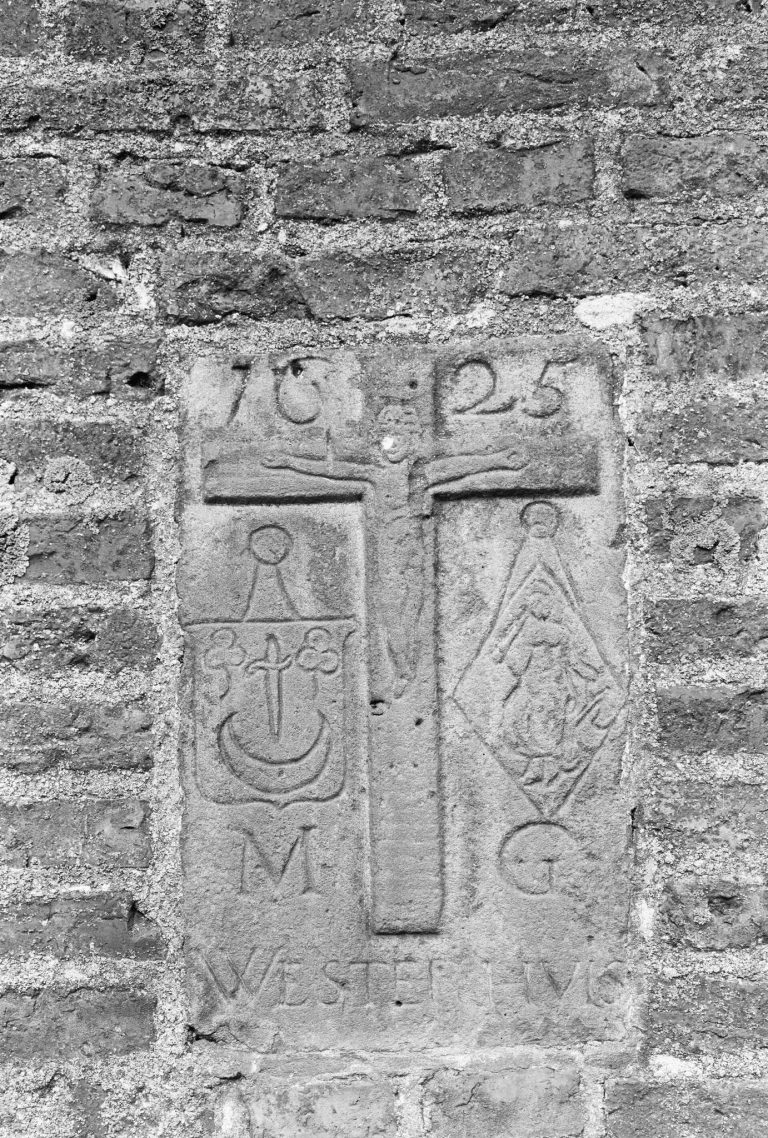
A bridge crosses the moat. A foundation stone dates it to 1775. Its gate came from the area around Hoorn and bears the year 1819.
Tower and carillon
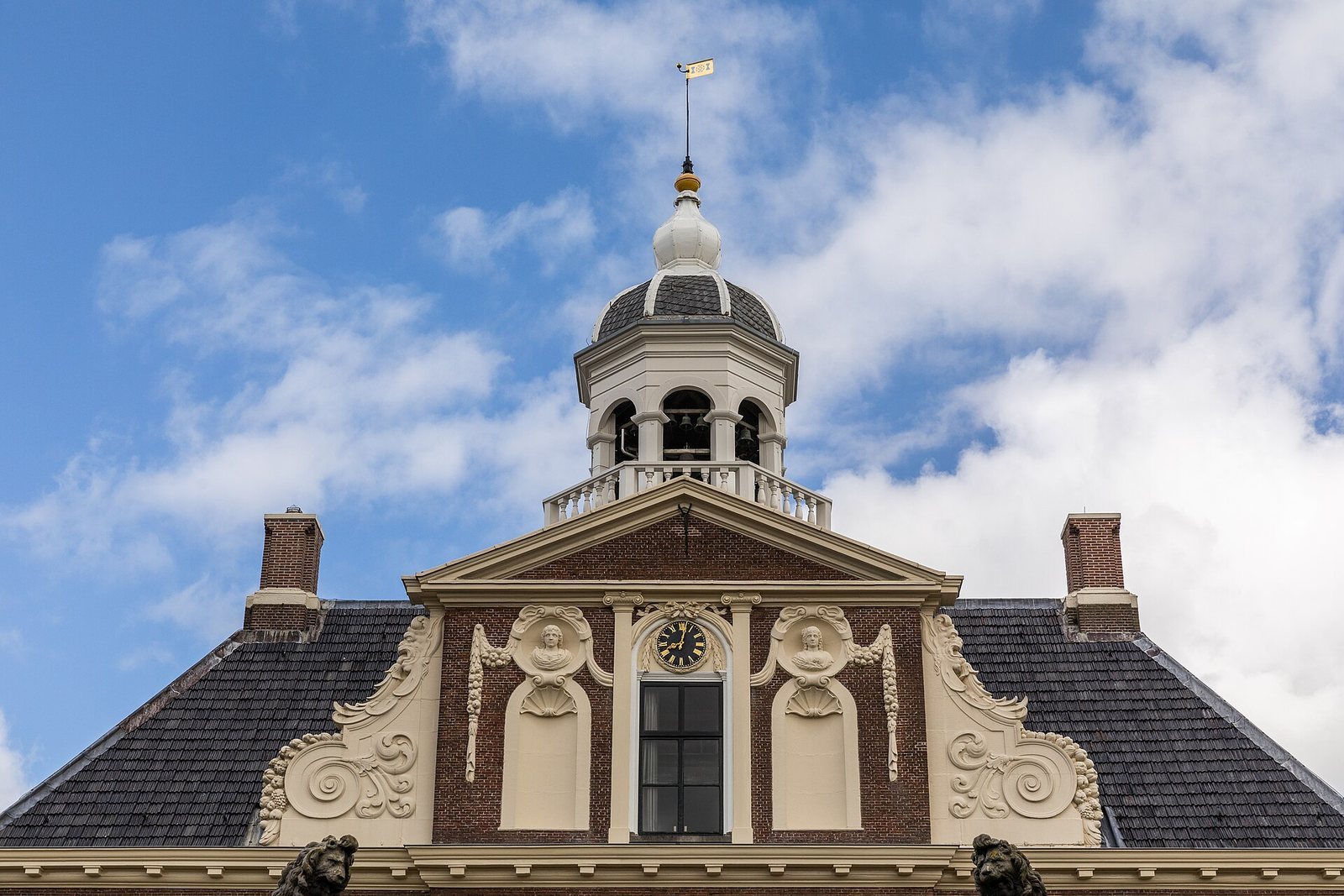
A domed tower rises above the building and was probably used as a lookout. A 37-bell carillon, a musical instrument of tuned bells played from a keyboard, was installed there in 1962. The instrument was overhauled in 1985 and enlarged by two bells.
Pediment sculpture
A sculpture is set in the building’s pediment.
Prisoners’ memorial
A memorial erected in 1995 commemorates prisoners.