Malton Castle: A Medieval Fortification in the United Kingdom
Site at a Glance
- Popularity
- Medium
- Country
- United Kingdom
- Primary era
- Medieval
- Eras represented
- Medieval
- Civilizations
- English
- Site type
- Military
- Remains
- Castle
On this page7 sections
History
Medieval castle
Malton Castle is a medieval castle site in the United Kingdom, built in the 11th century by William Tyson, lord of Alnwick. Its first form was a wooden motte-and-bailey, a castle with a raised earth mound and an enclosed courtyard, on the site of the Roman fort of Derventio Brigantum. After the castle was granted to Eustace Fitz John, he rebuilt it in stone.
In 1138, Eustace Fitz John negotiated the castle’s transfer to David I, king of Scots. Scottish forces garrisoned it, but it was captured later that year. Richard I of England visited in 1189, and Edward II visited in 1307. In 1212, after Eustace de Vesci rebelled against King John, John ordered the castle partly demolished to weaken its defences. Malton Castle was later held against the king during the First Barons’ War, a conflict between John and rebel barons in England.
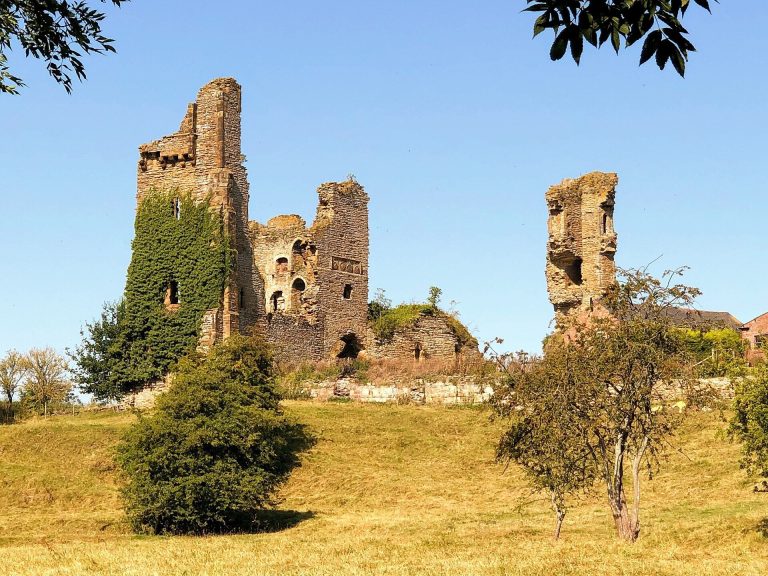
After the Battle of Old Byland in 1322, fought during the wars between England and Scotland, Robert I of Scotland captured and destroyed the castle. It was not repaired and fell into ruin.
Later house and site status
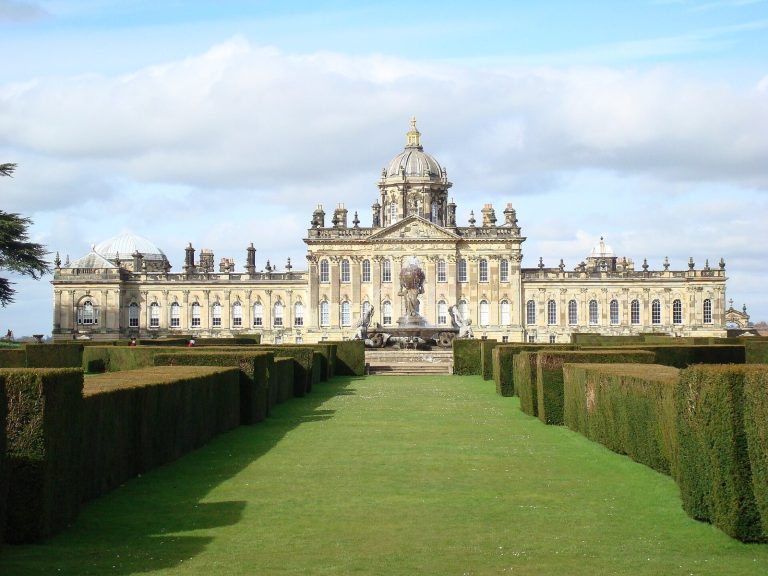
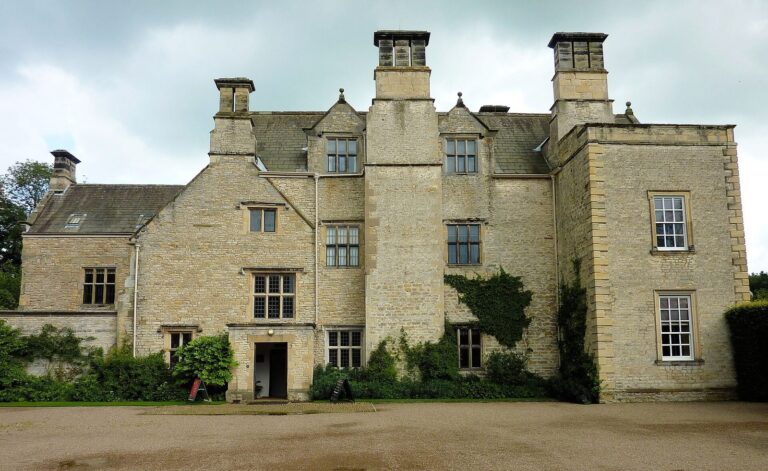
Ralph, Lord Eure, built a house on the site in 1569. The property later passed to his daughters, Margaret and Mary. In 1674, a dispute between the sisters over ownership was referred to the county sheriff. He demolished the house and divided its stones into two equal piles for them to share. Malton Castle is now a scheduled monument, a legally protected archaeological site or historic structure designated as nationally important.
Remains
Surviving medieval fabric
The castle’s original layout was a motte-and-bailey, with an elevated earthwork mound and an enclosed courtyard. Its construction began in timber and was later changed to stone.
Gatehouse
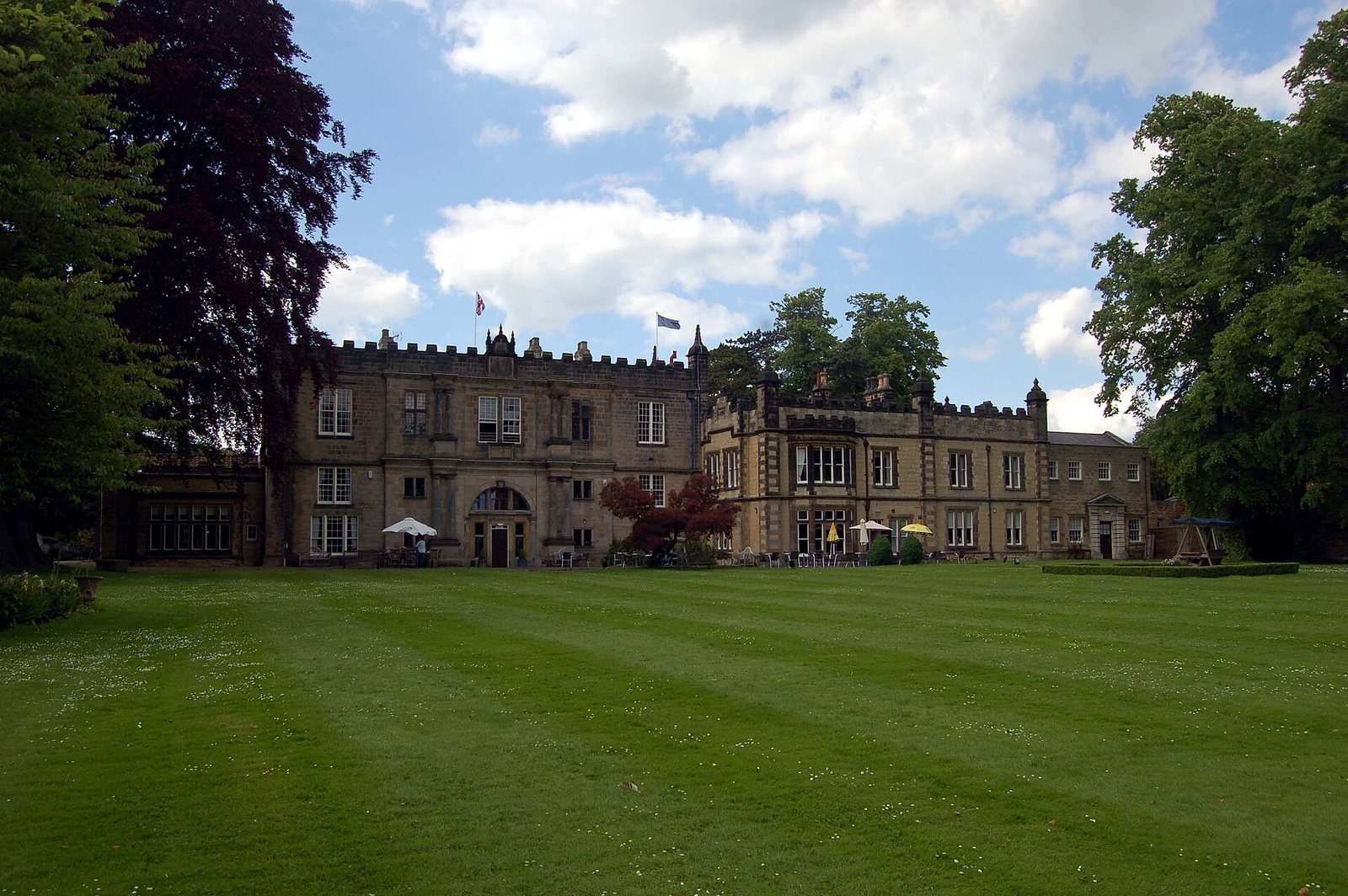
The former gatehouse survives and is now used as a hotel.
Curtain wall
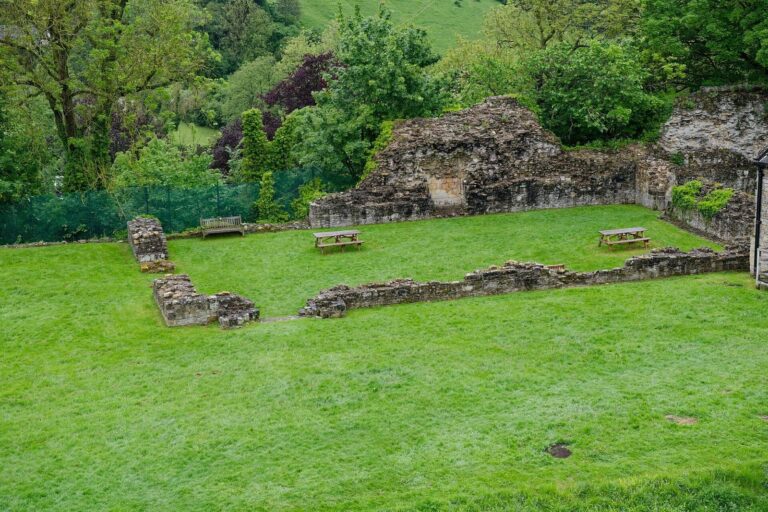
Short stretches of the medieval curtain wall, the defensive wall around the castle, also survive.