Mattancherry Palace: A Portuguese-Built Royal Residence in India
Site at a Glance
- Popularity
- Very High
- Country
- India
- Primary era
- Early Modern
- Eras represented
- Early Modern
- Civilizations
- Dutch, Portuguese
- Site type
- Domestic
- Remains
- Palace
On this page10 sections
History
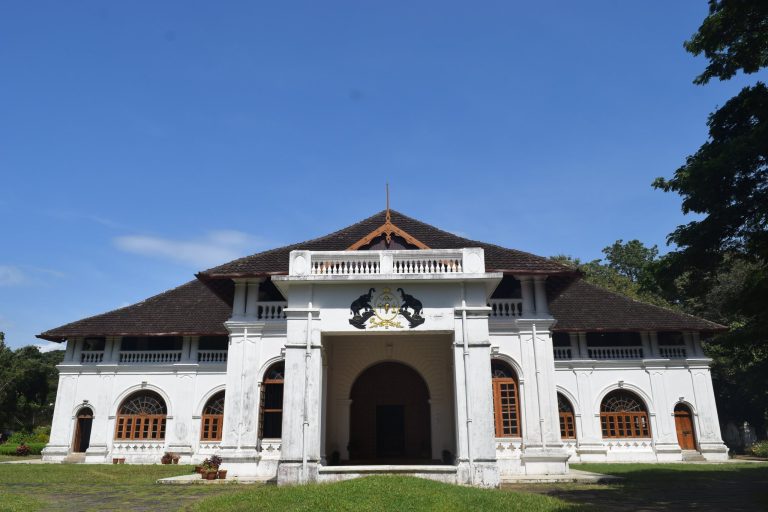
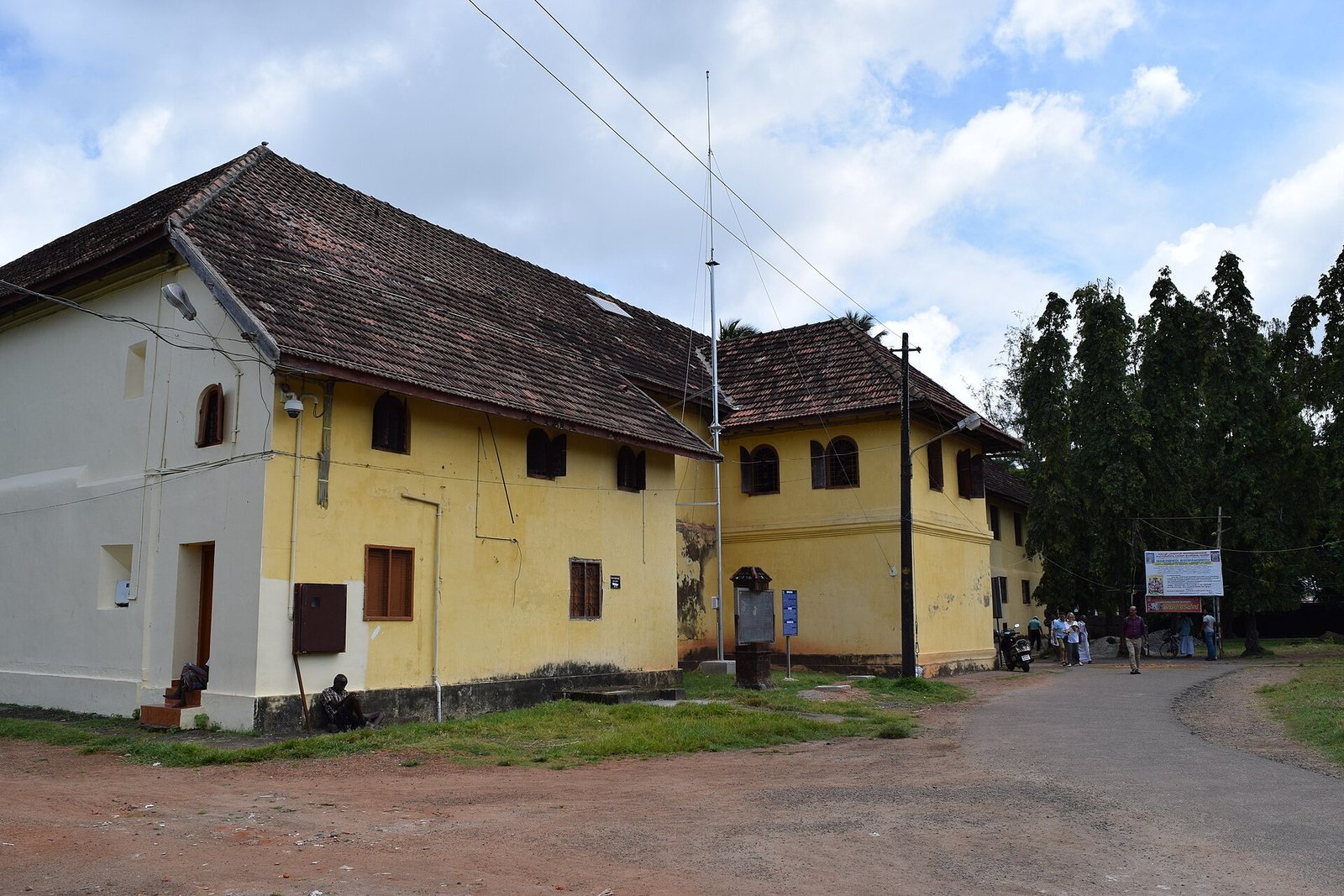
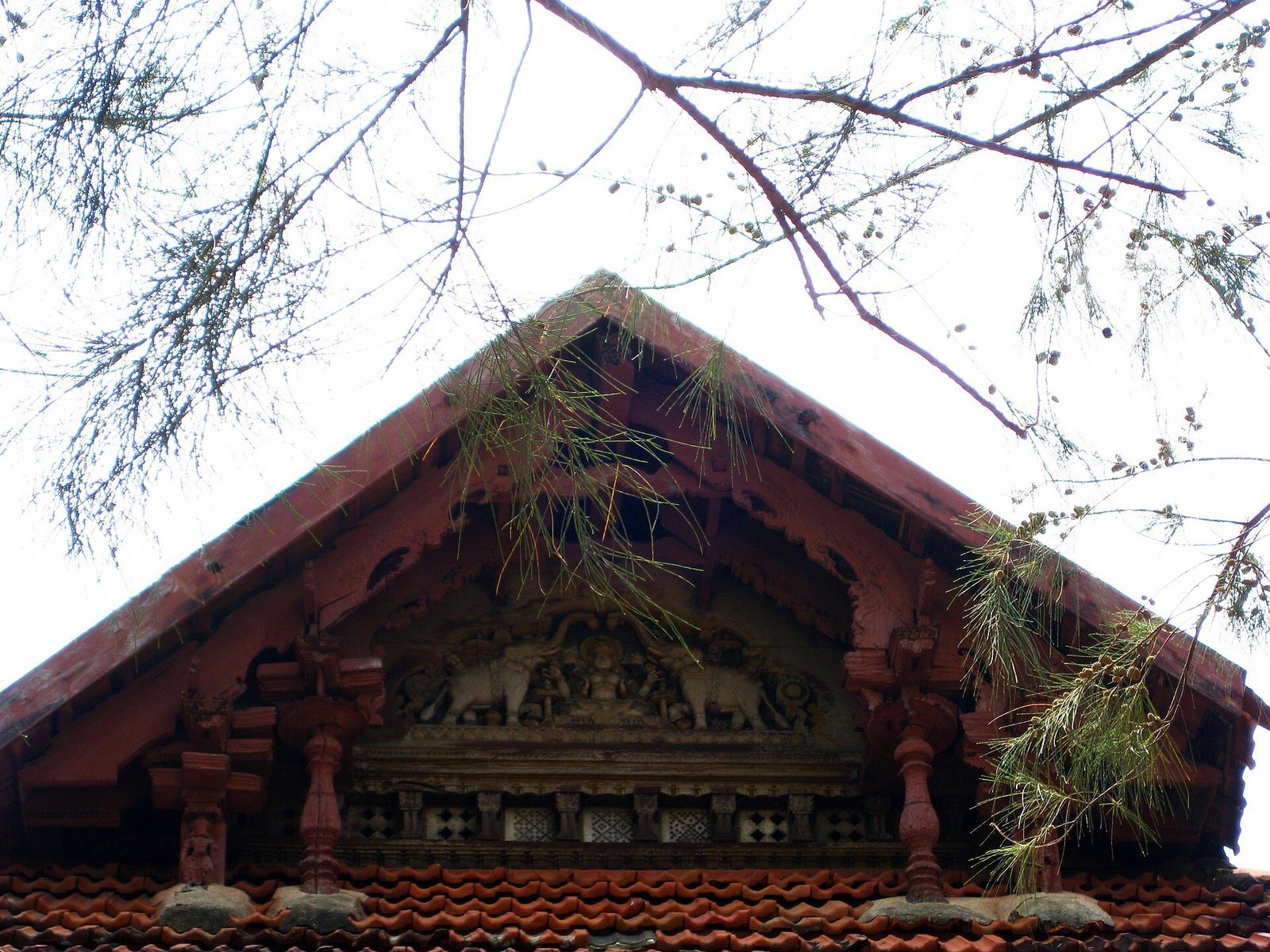
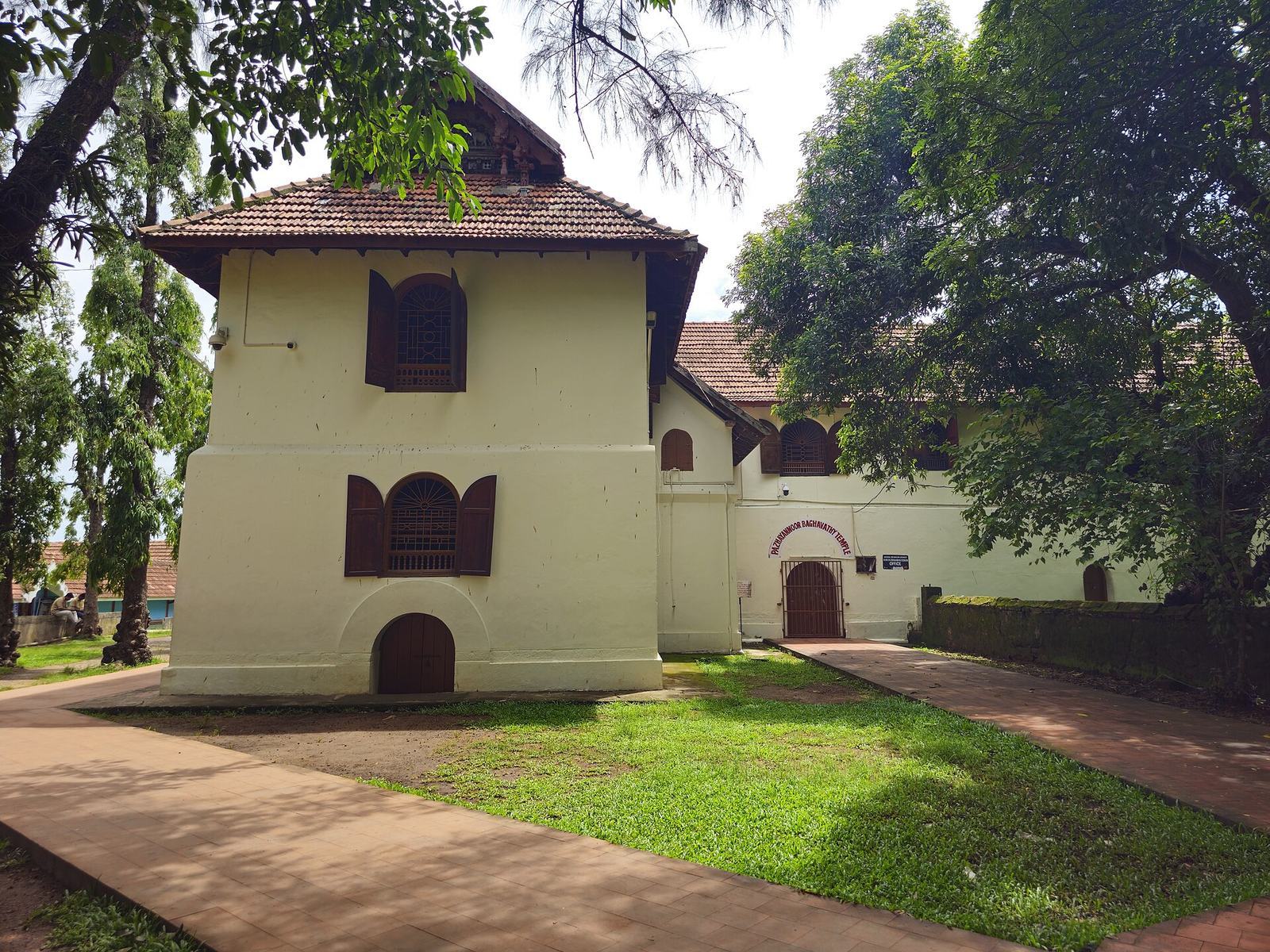
Mattancherry Palace is a Portuguese-built royal residence in India, erected in the mid-sixteenth century in Kerala’s Nālukettu form, a traditional building plan organized around a central courtyard. The Portuguese presented it to Veera Kerala Varma, the Raja, or ruler, of Cochin, after plundering a nearby Hindu temple. The gift was intended to appease him and may also have helped secure Portuguese trading privileges.
Portuguese rule and the palace’s foundation
Portuguese involvement in the region grew after explorer Vasco da Gama landed at Kappad in 1498 and received a welcome from Kochi’s rulers. The Portuguese gained trading rights, including permission to establish foreign trading posts, and repeatedly fought off attacks by the Zamorins, the rulers of Calicut. In practice, the Cochin Rajas became Portuguese vassals. The palace was built within this period of Portuguese influence.
Dutch control and later changes
In 1663, Dutch forces took control of the palace with support from the Zamorins. They renovated and enlarged it that year, giving rise to its popular name, the Dutch Palace. Portuguese influence later gave way to the rule of Hyder Ali of Mysore and, in time, the British East India Company. The Cochin Rajas also made repeated alterations to the building.
The palace was restored in 1951 and placed under central monument protection. The Archaeological Survey of India, the national body responsible for archaeological research and monument protection, carried out further restoration from 2007 to 2009.
Remains
Building and painted decoration
Courtyard plan
The palace has a quadrangular plan arranged around a central courtyard. Its Kerala courtyard-house form is combined with European influence, visible in the arches and the proportions of the chambers.
Murals
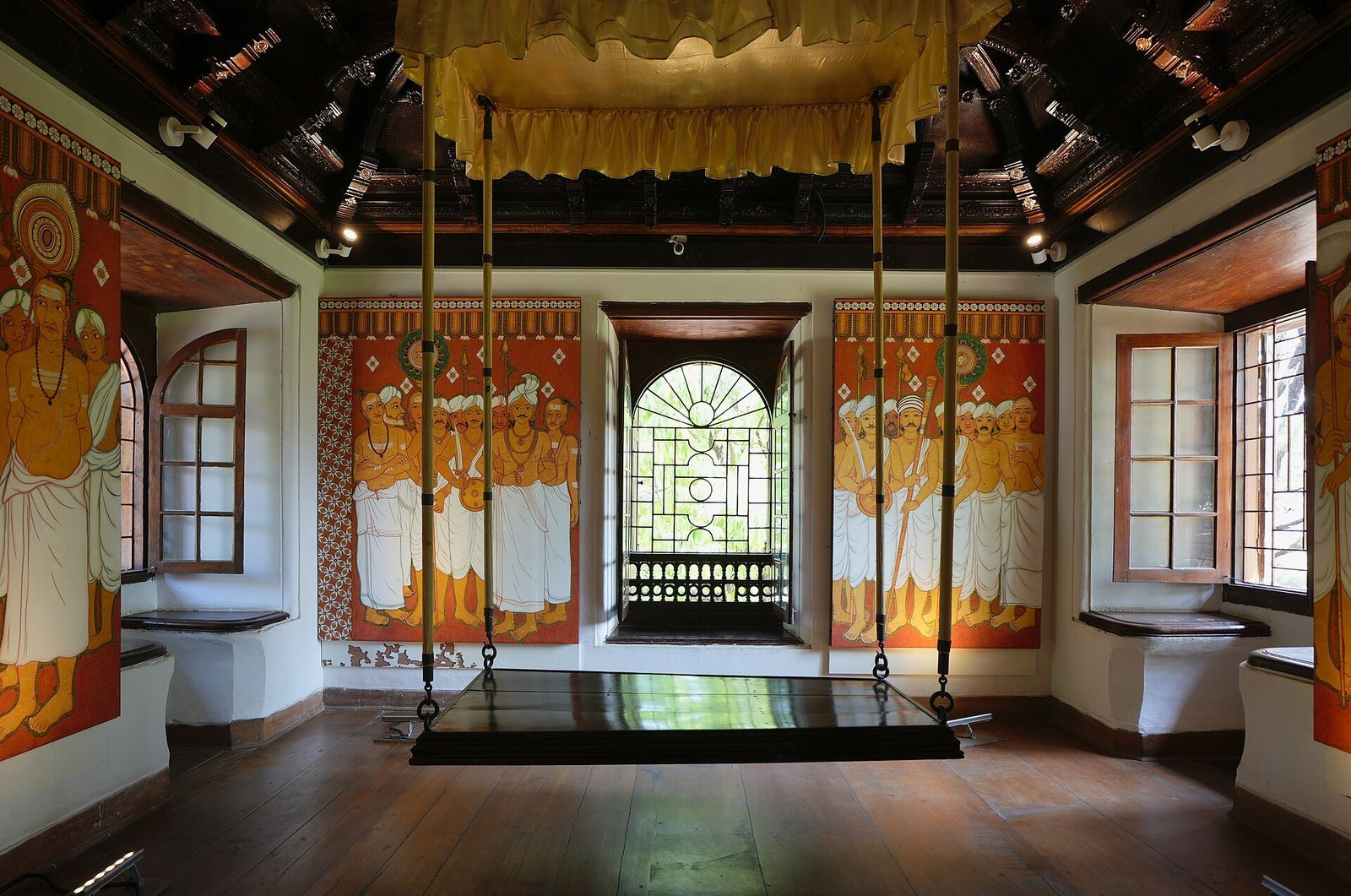
Numerous murals cover the walls, painted in a tradition associated with Hindu temple art. Their subjects include Hindu myths as well as decorative imagery. The paintings use stylized forms and rich, warm colors, with tempera, a technique in which pigments are mixed with a binding medium.
Royal portraits and collections
Former Coronation Hall
The former Coronation Hall displays portraits of the Cochin Rajas dating from 1864 onward. Local artists painted them in a Western style. Floral designs decorate the hall’s wooden ceiling.
Palace exhibits
The palace’s exhibits include an ivory palanquin, a howdah, or seat carried on an elephant, royal umbrellas, ceremonial clothing, coins, stamps, and drawings.