Bhujia Fort: A Hill Fort Built to Defend Bhuj
Site at a Glance
- Popularity
- Medium
- Country
- India
- Primary era
- Early Modern
- Eras represented
- Early Modern
- Civilizations
- Unclassified
- Site type
- Military
- Remains
- Fort
On this page5 sections
History
Bhujia Fort is a hill fortification on Bhujia Hill, outside Bhuj in Gujarat, India. The Jadejas, Kutch’s ruling house, built it as an outer defense for their capital. Construction began under Rao Godji I, whose rule lasted from 1715 to 1718, and the main work and completion followed under his son, Maharao Deshalji I, who ruled from 1718 to 1741. Rao and Maharao were royal titles. Deshalji’s senior minister, Devakaran Sheth, led the fortification.
Military role and the 1720 battle
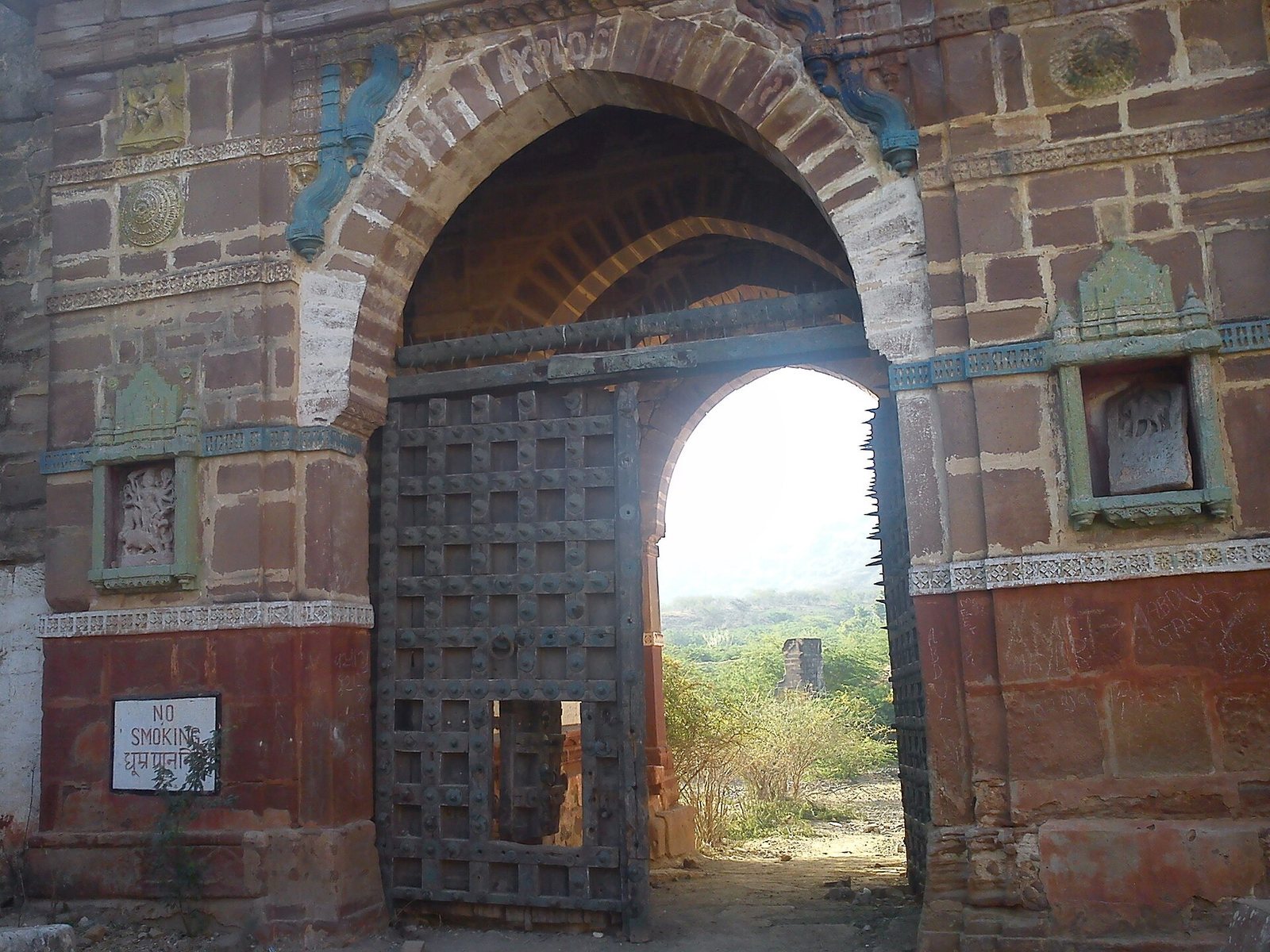
After its construction, the fort served as an armory and garrison and saw six major battles. Most took place between 1700 and 1800, involving Kutch’s Rajput rulers, Muslim raiders from Sindh, and Mughal rulers of Gujarat. In 1720, early in Deshalji’s reign, Sher Buland Khan, the Mughal governor of Gujarat, invaded Kutch. Naga Bawas, Hindu ascetics, entered through the gate pretending to visit the Nag temple, a shrine associated with serpent worship. They then joined the fighting and helped rout the invading army. Thereafter, the Naga Bawas and their leader held an important place in the Nag Panchami procession. Nag Panchami is a Hindu festival associated with serpent worship.
Nineteenth-century control and conflict
In 1819, British Colonel William Coir took control of the fort as Kutch accepted British suzerainty, a relationship in which a state recognizes another power’s superior authority. In 1835, Kesarkhan and Sher Bulandkhan of Sindh invaded Kutch.
Use after independence
After India became independent in 1947, the Indian Army occupied the fort. It left after a new army campus was built following the 2001 Gujarat earthquake.
Remains
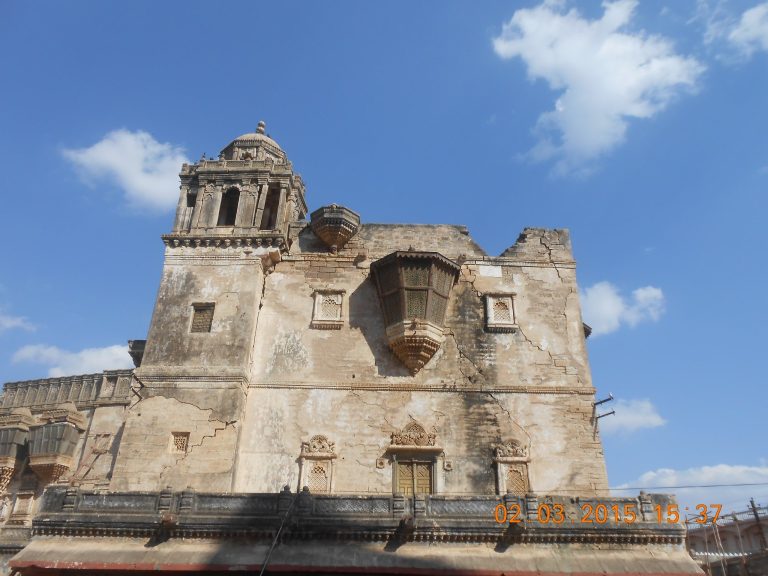
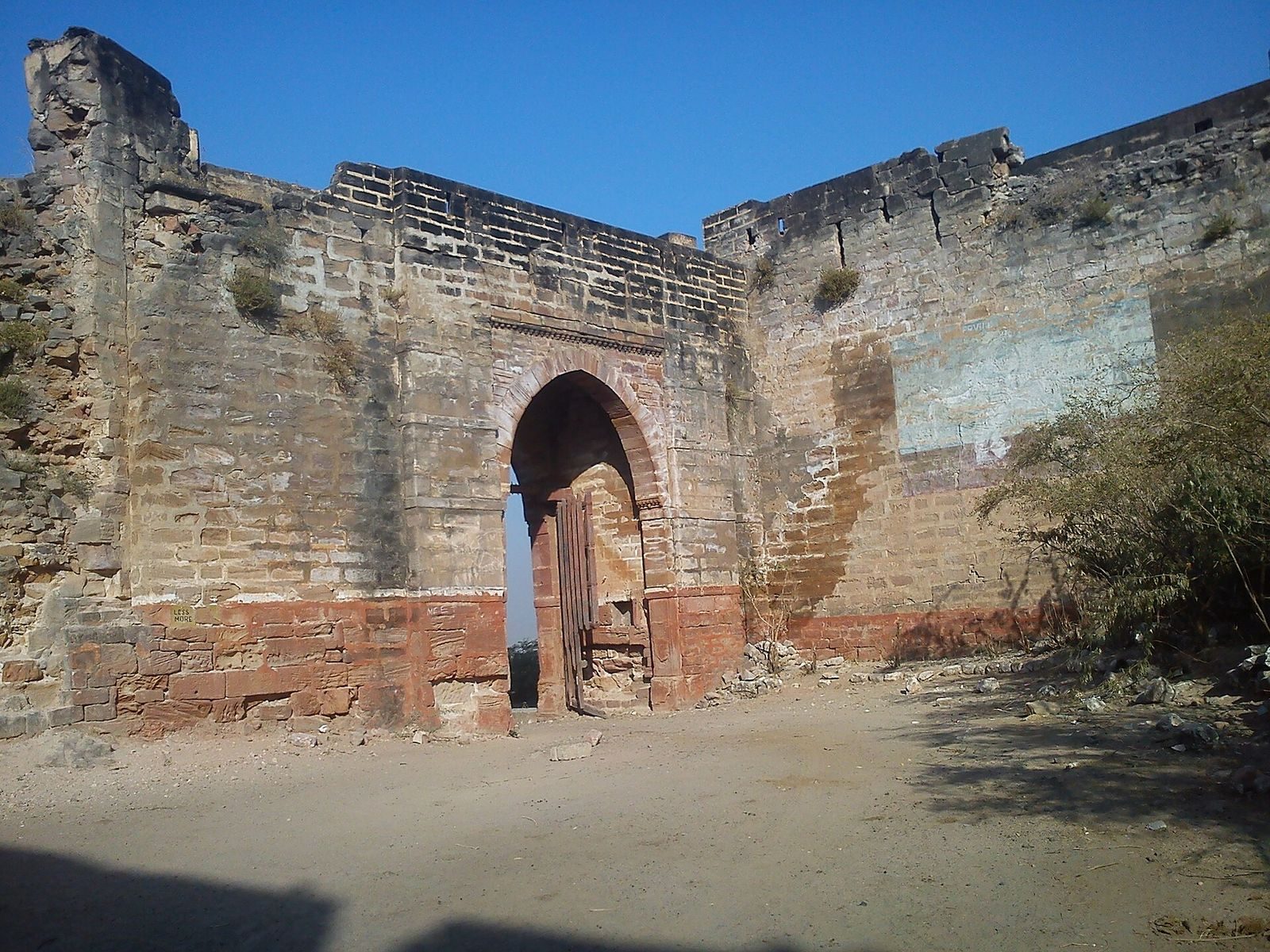
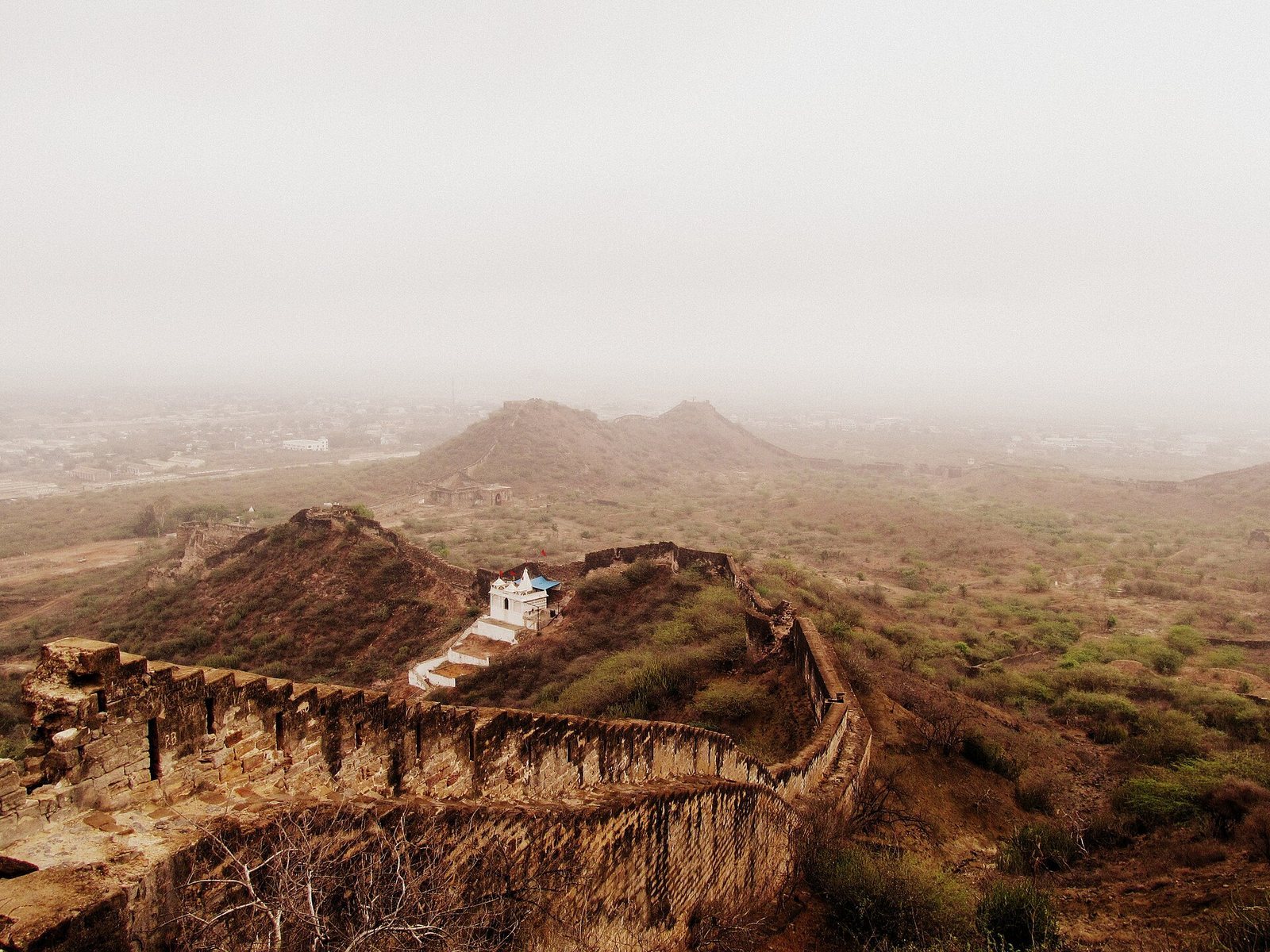
The stone hill fort occupies an irregular area on Bhujia Hill, overlooking Bhuj. Its buildings are scattered across the site, rather than arranged in a regular plan.
Entry is through two major gates. A parapet wall runs along the top of the fort, but it is damaged and weak. The fort is partially ruined.