Jaigad Fort: A Coastal Fort in Maharashtra
Site at a Glance
- Popularity
- High
- Country
- India
- Primary era
- Early Modern
- Eras represented
- Early Modern
- Civilizations
- Deccan Sultanates
- Site type
- Military
- Remains
- Fort
On this page6 sections
History
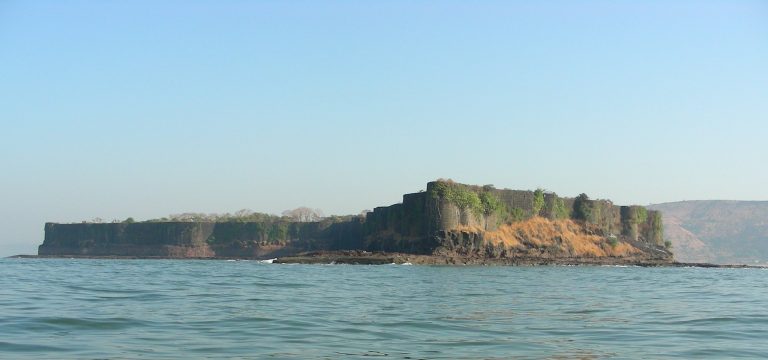
Jaigad Fort is a sixteenth-century coastal fort at the tip of a peninsula in Jaigad, Ratnagiri district, Maharashtra, India. Its construction is traditionally attributed to the rulers of Bijapur, a Deccan sultanate, and the sultan is presumed to have commissioned it. Kanhoji Angre later strengthened the fort.
Bijapur and the Naiks
Early control of Jaigad is associated with Bijapur, Konkan pirates, and the Naiks of Sangameshwar. The fort later passed to the Naiks. One Naik, who commanded seven or eight villages and 600 troops, is credited with defeating combined Bijapur and Portuguese forces in 1583 and 1585.
Maratha and British control
In 1713, Balaji Vishwanath, the Peshwa or chief minister of the Maratha polity, ceded Jaigad, one of ten forts, to Kanhoji Angre, a Maratha naval commander. The fort remained part of the Maratha Empire, a major South Asian power based in western India, until 1818. British forces captured it without resistance in June of that year.
Jaigad was under the British East India Company from 1818 to 1857, then under British rule in India until 1947. It has been part of India since independence. The fort is protected as a monument, and older British records also render its name as “Zyghur.”
Remains
Defenses and setting
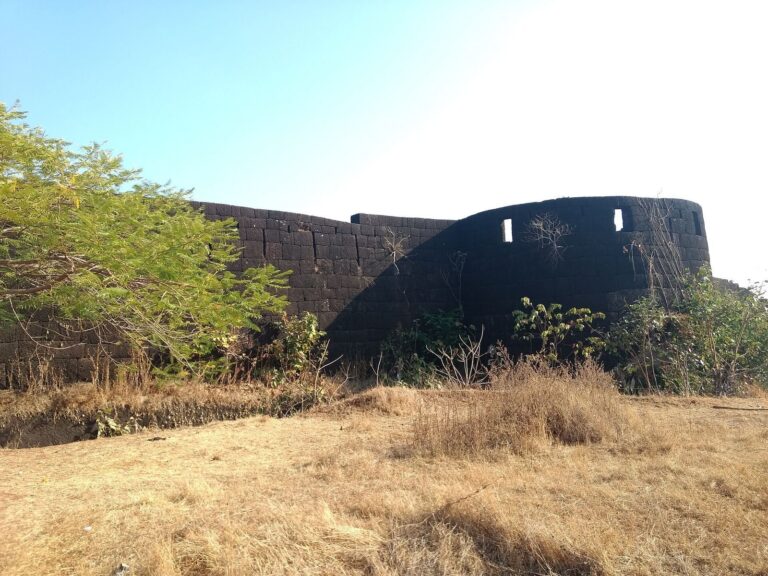
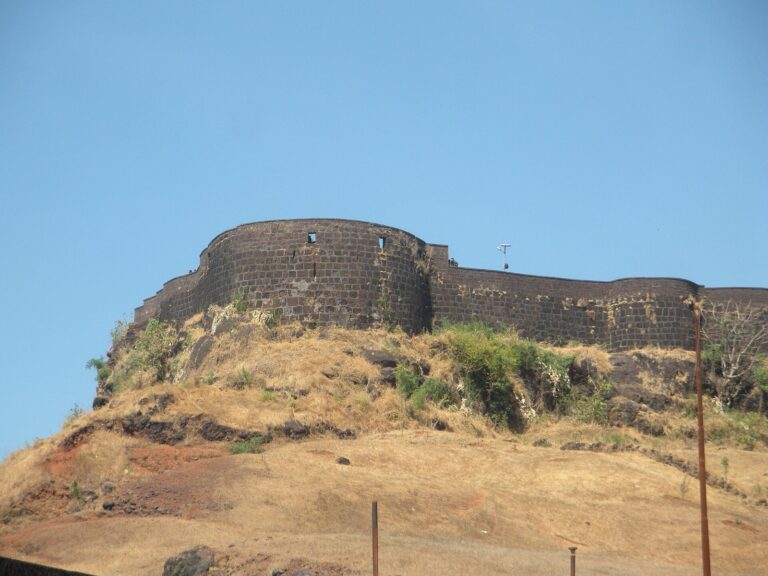
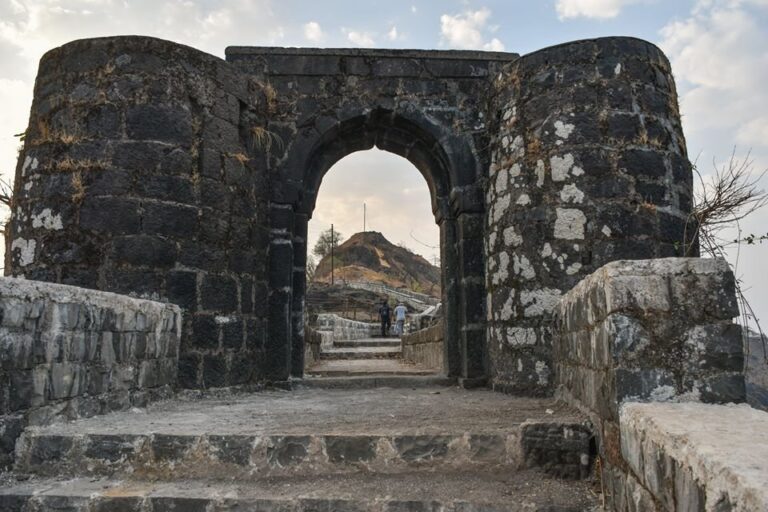
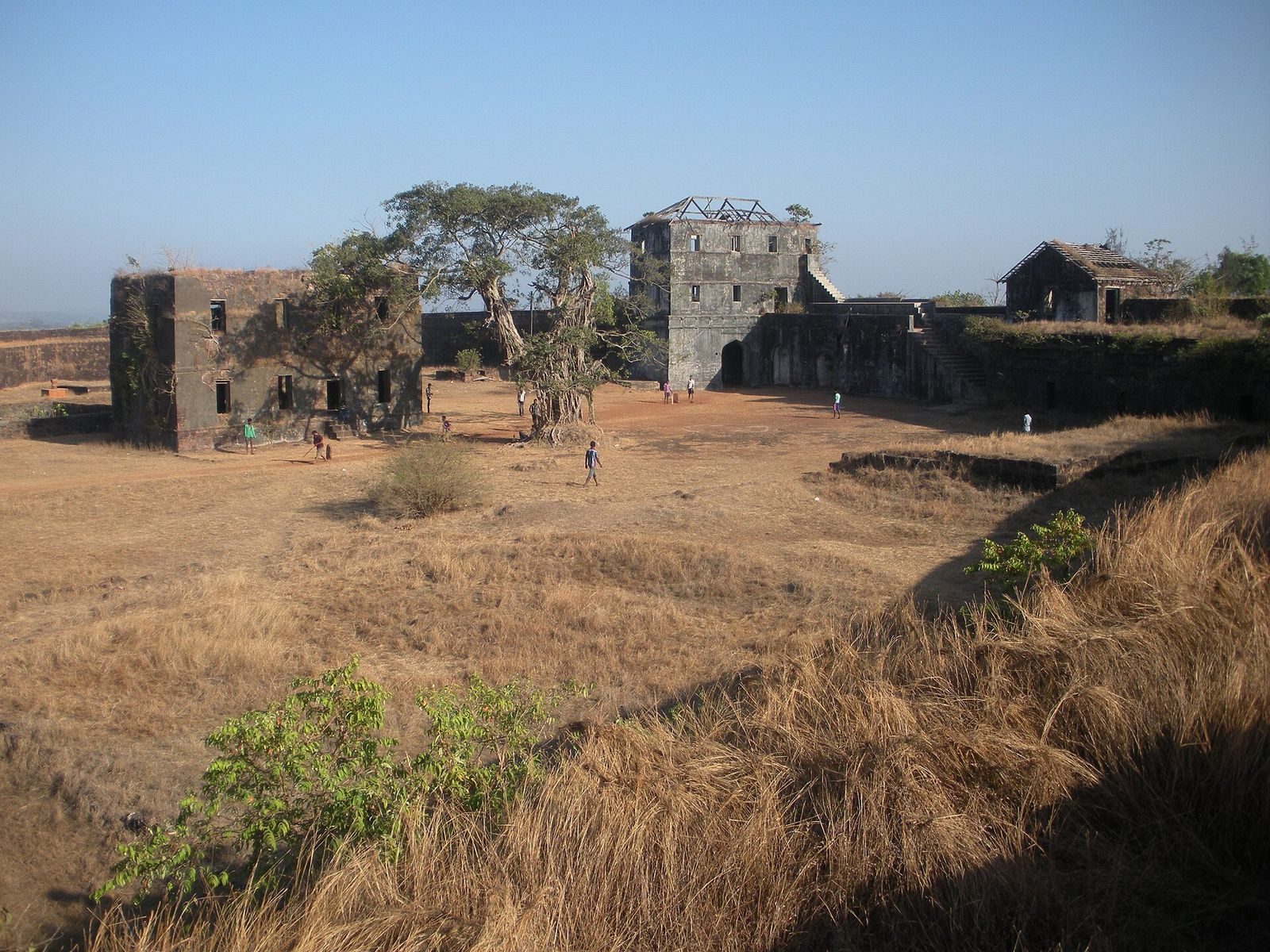
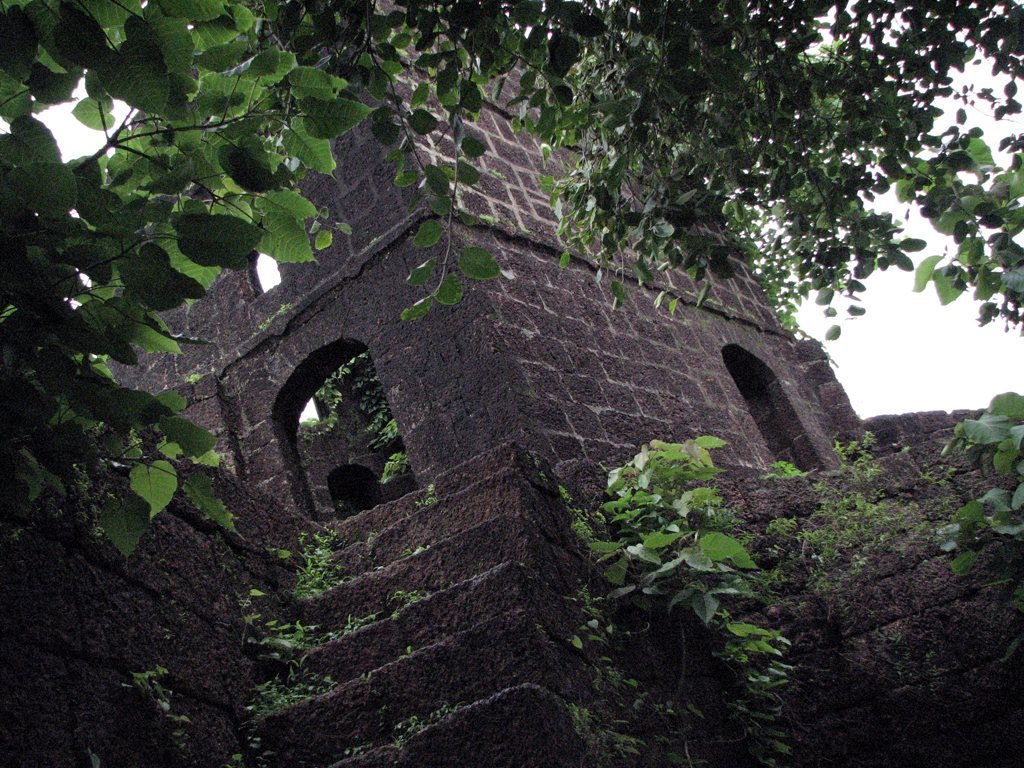
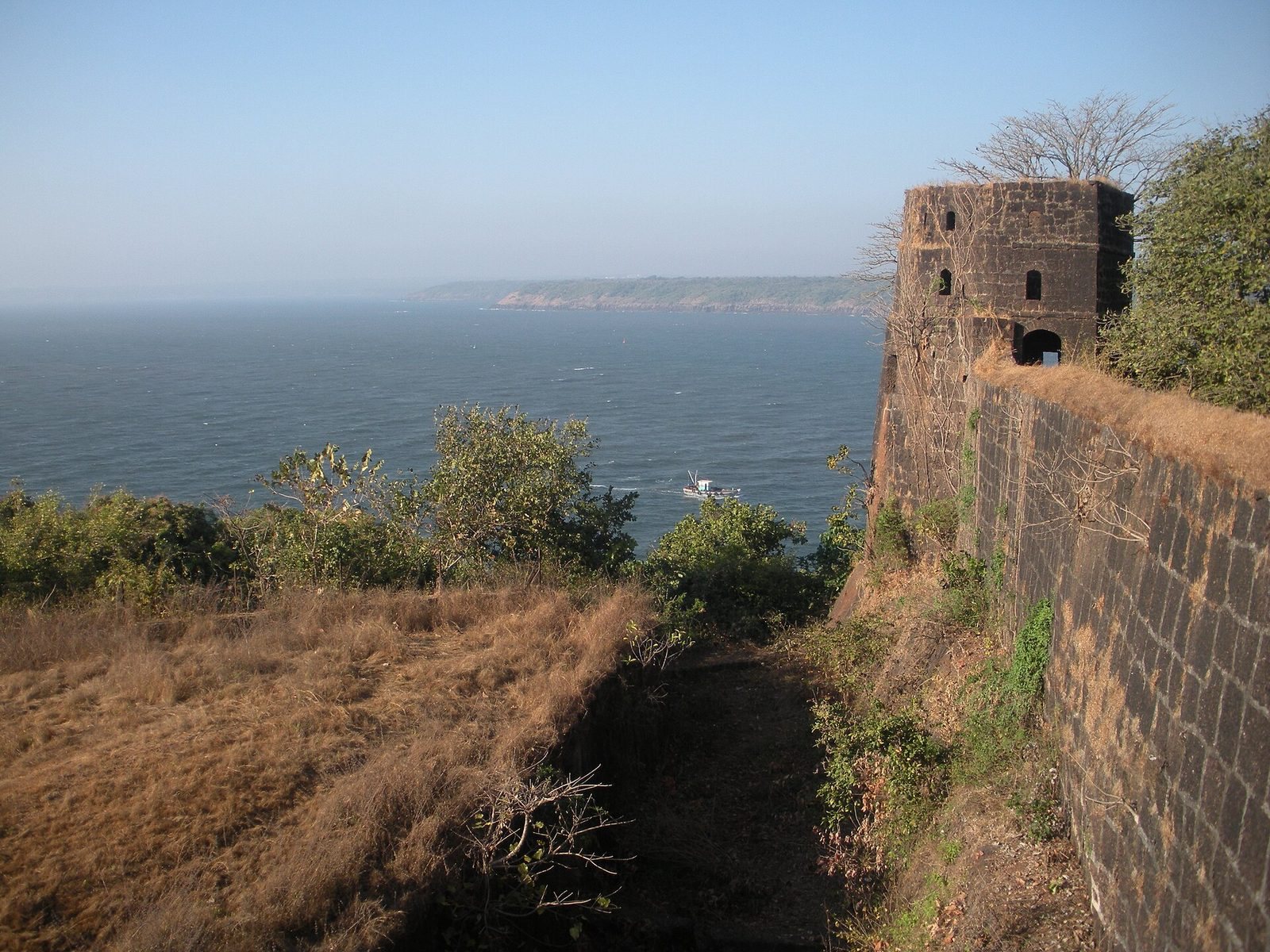
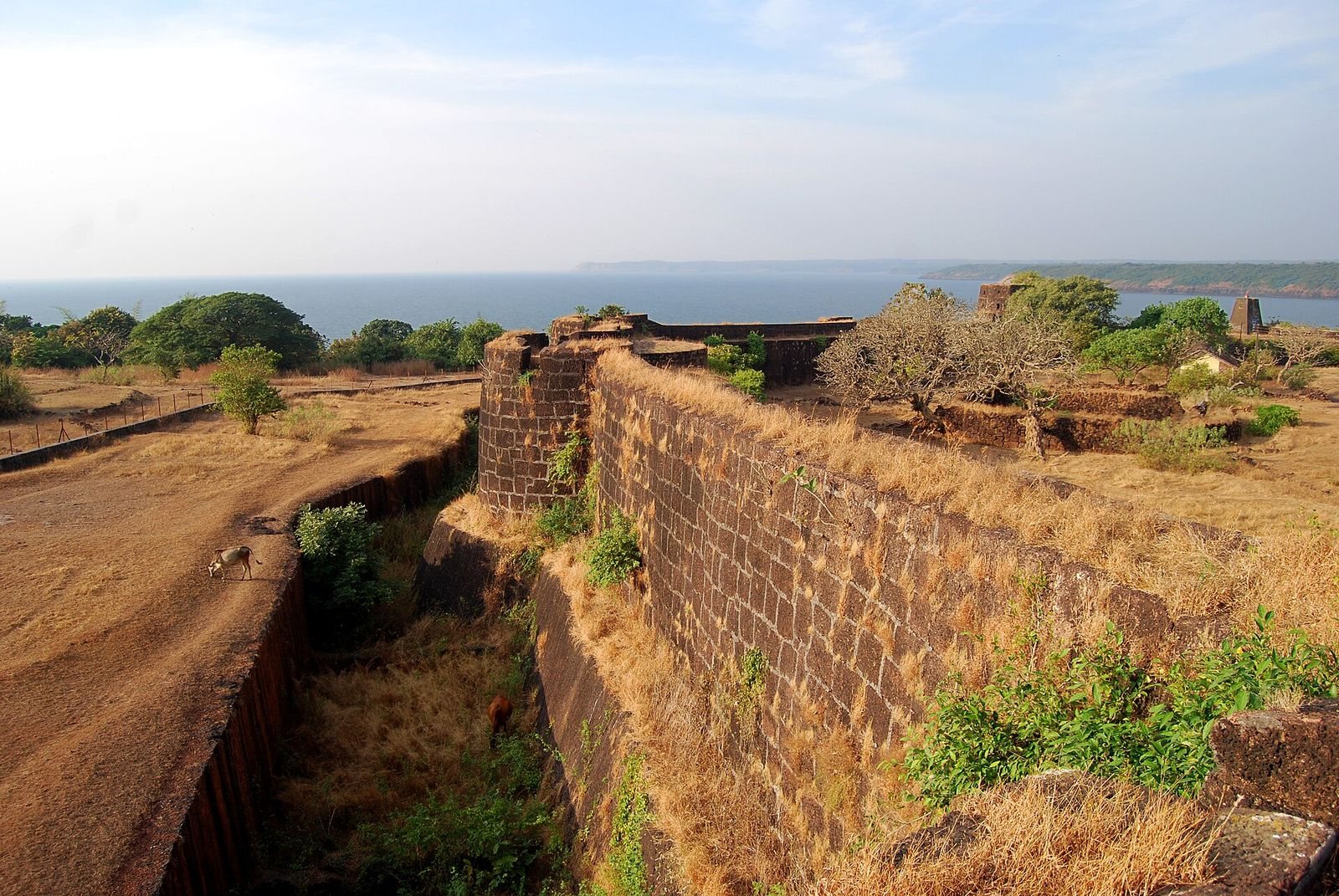
The fort covers 13 acres at the end of a peninsula, where a cliff overlooks the bay formed by the Shastri River as it enters the Arabian Sea. Though in ruins, most of the outer wall and ramparts still stand. A deep moat protects the side away from the cliff edge.
Central structures and water storage
The central area contains Kanhoji Angre’s palace, a temple to Ganpati, also known as Ganesha, and wells used to store water.