Chandan Fort: A Medieval Hill Fort in Maharashtra
Site at a Glance
- Popularity
- Medium
- Country
- India
- Primary era
- Medieval
- Eras represented
- Medieval
- Civilizations
- Unclassified
- Site type
- Military
- Remains
- Fort
On this page6 sections
History
Chandan Fort is a hill fort in Satara District, Maharashtra, India. Copper-plate records attribute its construction, alongside neighboring Vandan Fort, to Bhoj II of the Shilahar dynasty, a medieval ruling house in western India, in 1191–1192.
Maratha and Mughal control
In 1673, Chhatrapati Shivaji, a Maratha ruler whose title means sovereign, took Chandan and Vandan from Adil Shah, ruler of the Deccan sultanate of Bijapur. The Akhil Maharashtra Itihas Parishad and Bharat Itihas Sanshodhak Mandal, historical research organizations, identify Chandan as the first fort Shivaji captured, following his oath at Raireshvar.
Chandan remained under Maratha control until 1689, when it passed to the Mughals, rulers of a major South Asian empire. The Marathas regained the fort before 1695. Mughal emperor Aurangzeb fought to recapture it in 1701, and Chhatrapati Shahu Maharaj took it in 1707. Nearby villages hold an annual festival during Shravan, a month in the Hindu calendar.
Remains
Setting and fort fabric
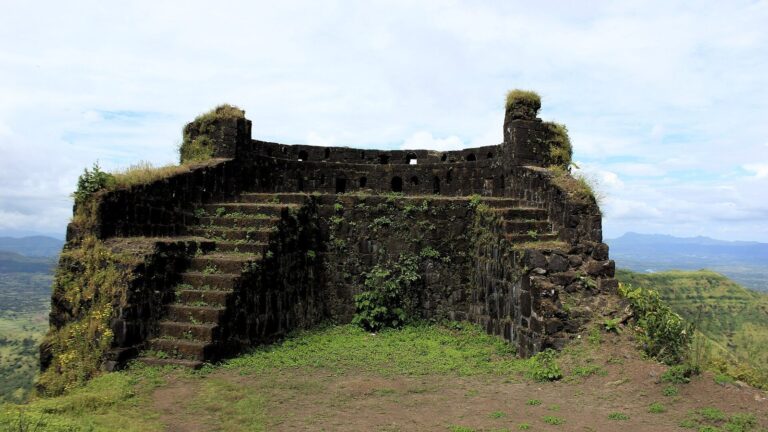
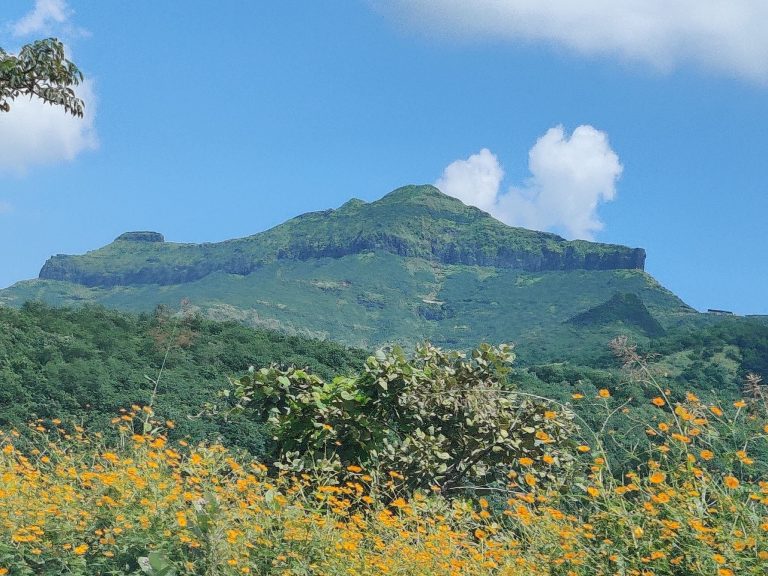
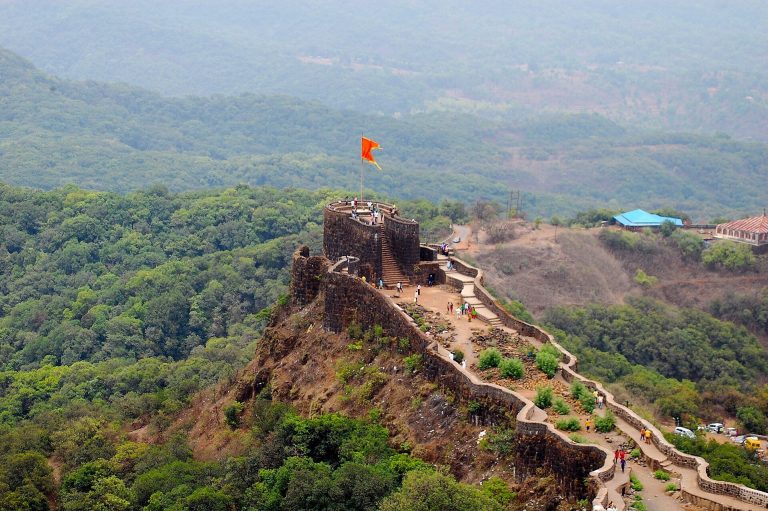
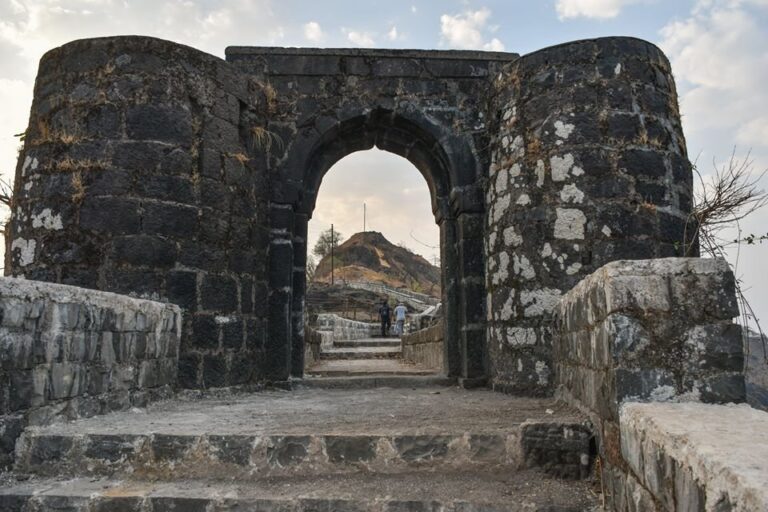
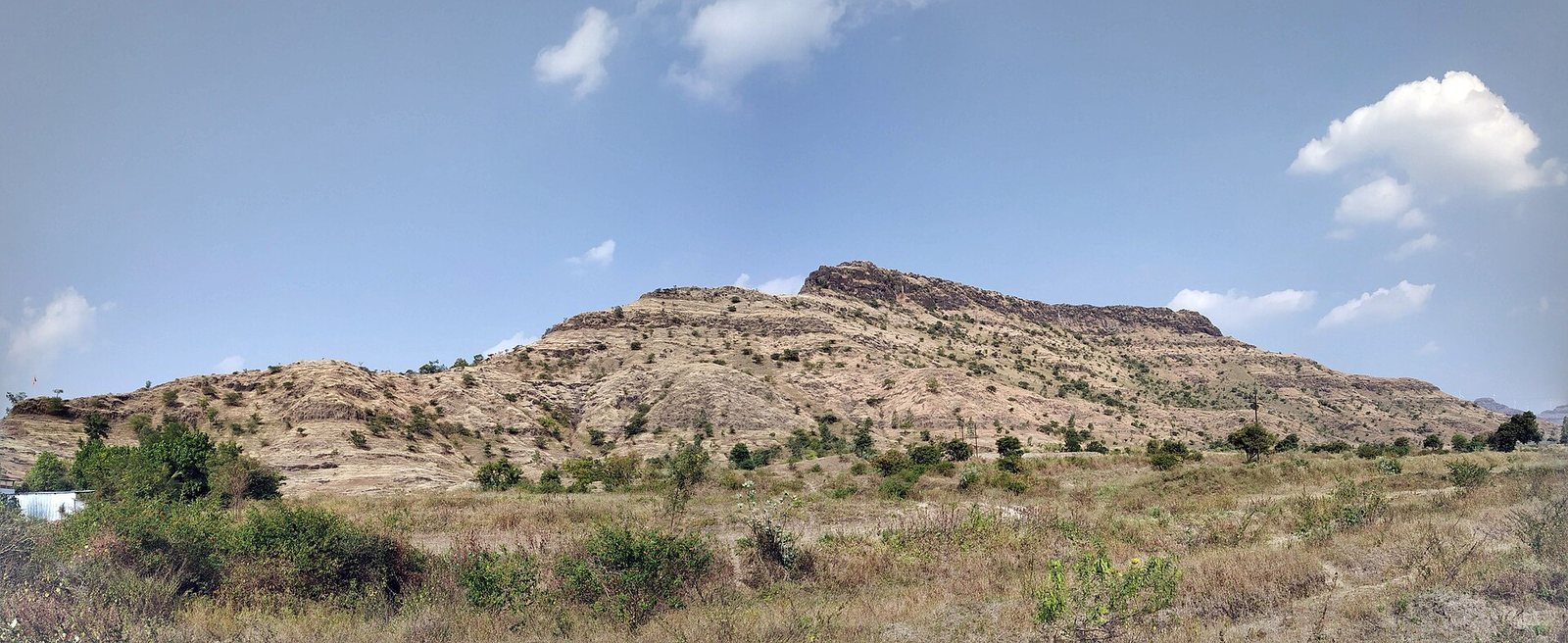
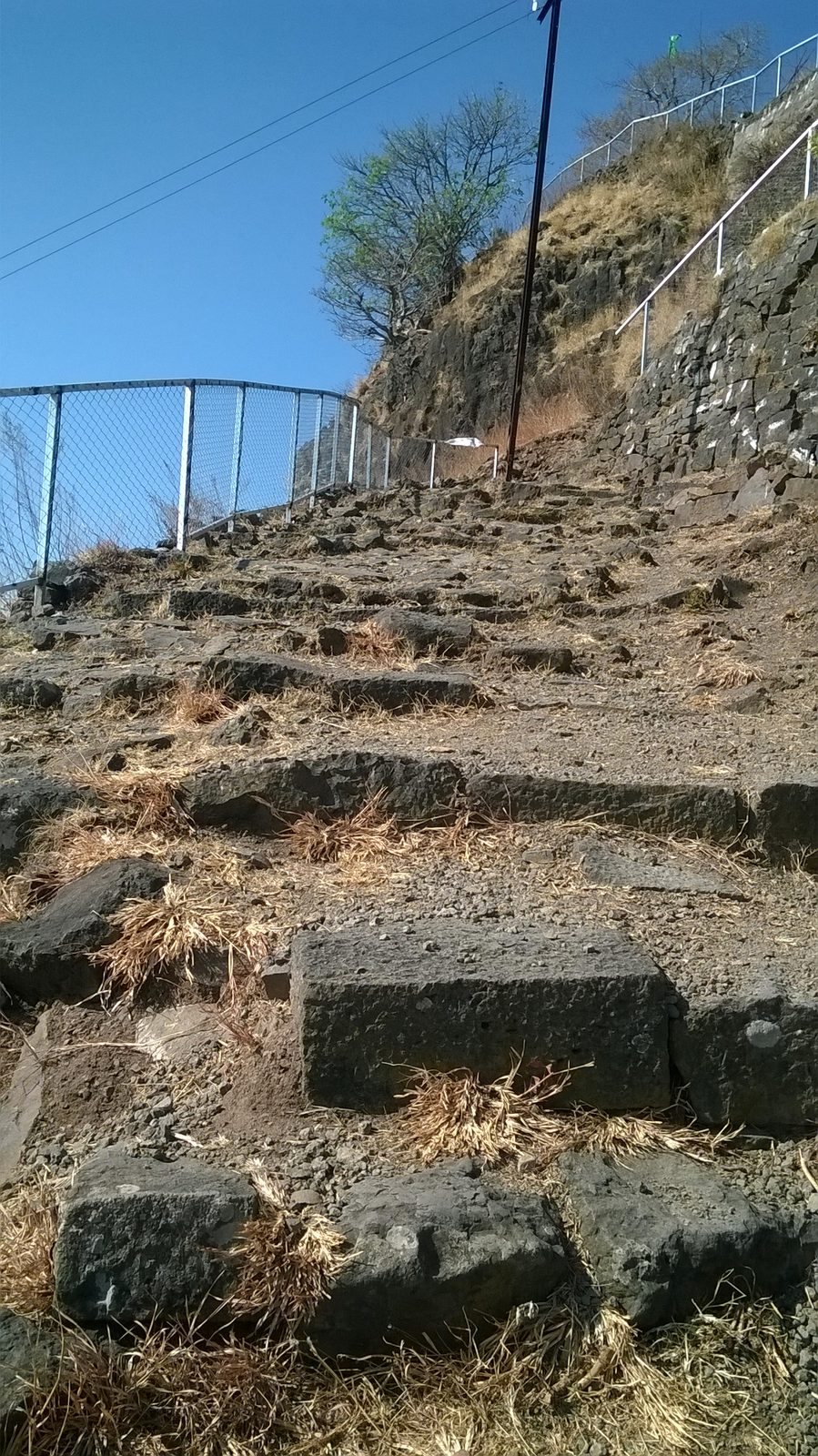
The fort occupies a hilly spur extending from the main Sahyadri ridge, another name for the Western Ghats, and lies beside Vandan Fort. Its listed height is 3,800 feet. Stone is the recorded building material. The fort is described as being in good condition, though it is also classified as ruins; its main entrance gate is ruined.
Religious structures
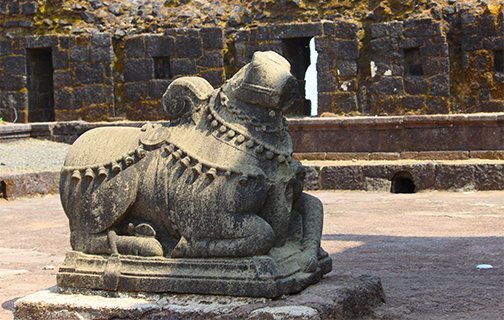
A dargah, a shrine associated with a Muslim saint, is dedicated to Gaus Pak Baba, also known as Mebub-e-Subhani. An old Shiva temple on the fort contains two linga sculptures, sacred emblems of Shiva.
Water and other structures
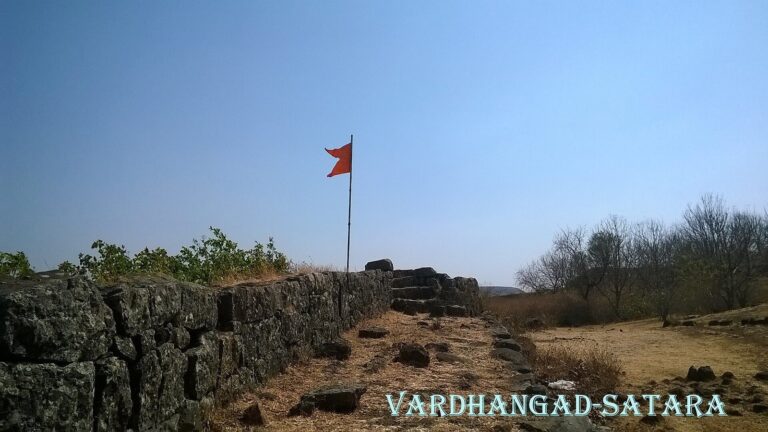
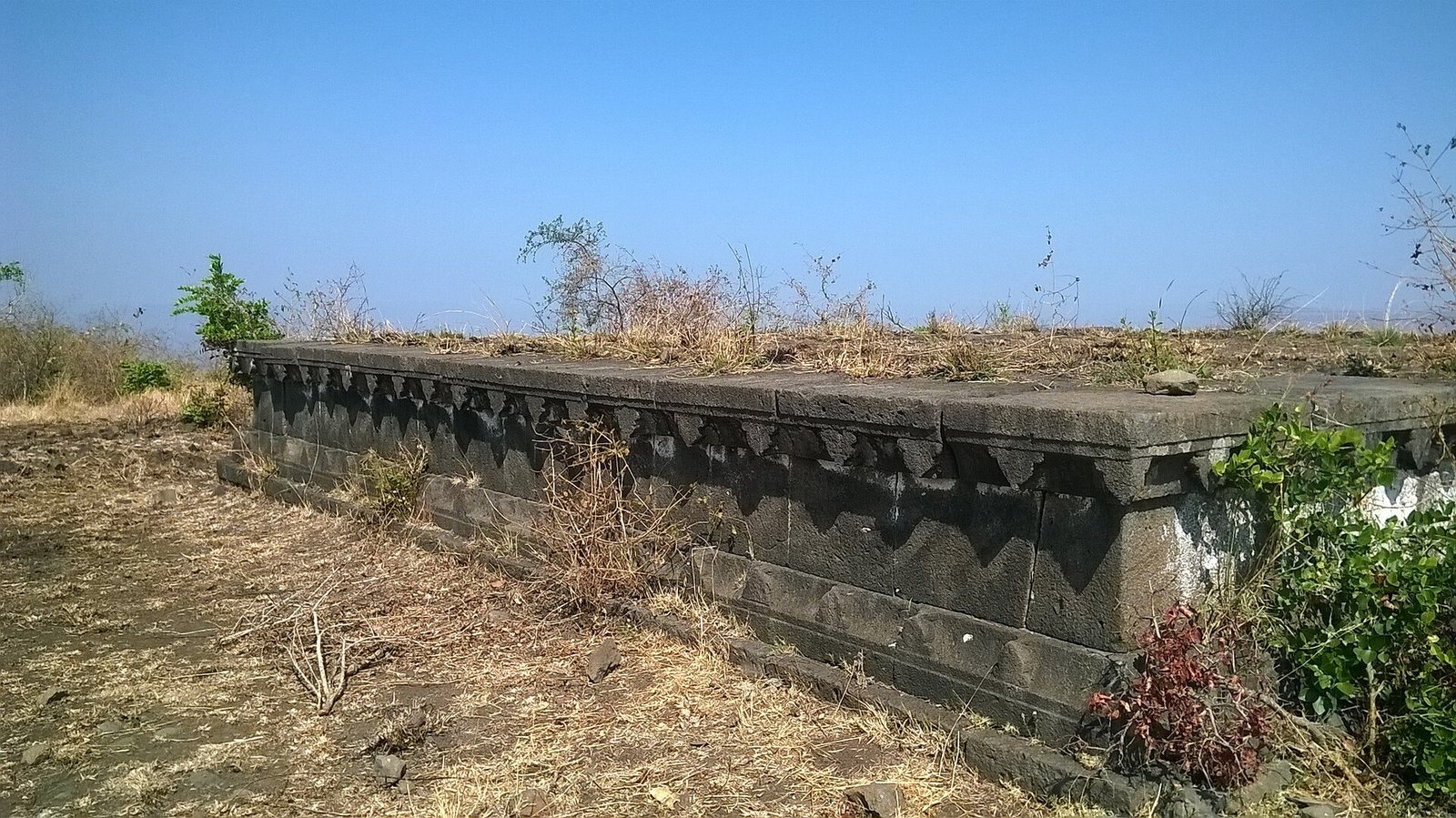
The remains include a water cistern, or storage tank, and a bastion, a projecting defensive platform. A distinctive feature consists of piled stones with a path running between them. Three roofless stone rooms in the southern part of the fort are believed to have served as storerooms.