Landsberg Castle in the Palatinate: A Ruined Hilltop Fortress
Site at a Glance
- Popularity
- Medium
- Country
- Germany
- Primary era
- Medieval
- Eras represented
- Medieval, Modern
- Civilizations
- German, Holy Roman Empire
- Site type
- Military
- Remains
- Castle
On this page12 sections
History
Early ownership and Veldenz rule
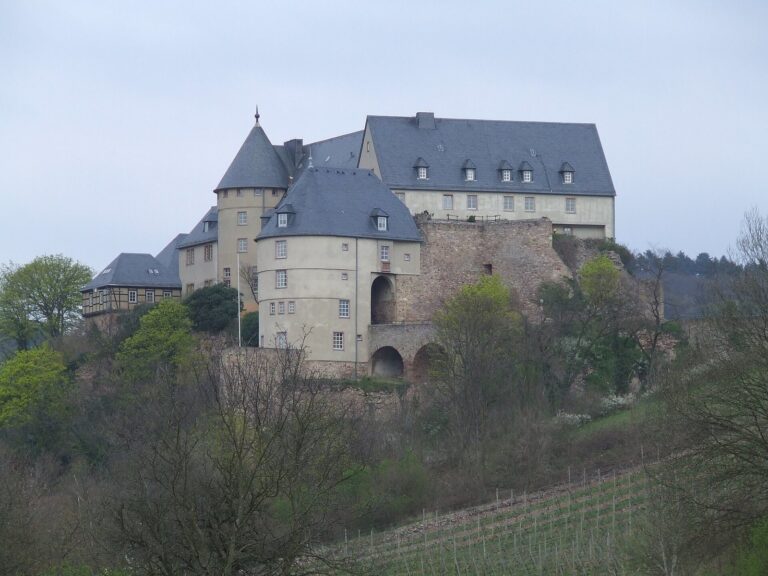
Landsberg Castle in the Palatinate is a ruined hill castle near Obermoschel, Germany. Its first secure mention dates to 1255, when the Counts of Veldenz held it as a fief, land held under feudal terms, from Worms. A tradition claims that Count Emicho of Schmidburg bequeathed the castle to Gerlach I of Veldenz in 1130, but this transfer is unverified; Gerlach may nevertheless have owned it.
When the male line of the Counts of Veldenz ended with Frederick III’s death in 1444, the castle and county passed to his son-in-law Stephen, Count Palatine of Simmern-Zweibrücken. A Count Palatine was a territorial ruler in the Palatinate. That same year, Stephen assigned Landsberg and Veldenz to his younger son, Louis I, Count Palatine of Zweibrücken, known as Louis the Black.
Fortress and palace
Louis held the castle from 1453 to 1489 and strengthened it into a major fortress. During the 16th century, it was transformed into a Renaissance palace.
War and dynastic residence
The castle suffered severe damage during the Thirty Years’ War, the major European conflict of 1618–1648. Spanish forces received it in 1620, and Croats captured it in 1622. Swedish forces occupied Landsberg in 1631 and used it as a barracks; imperial Croatian troops took it again in 1635. In 1645, Duke Friedrich Ludwig claimed the castle for the Landsberg branch, a secondary line of the Palatinate-Zweibrücken family.
Friedrich Ludwig died at Landsberg in 1681 without male heirs. His daughter-in-law, Charlotte Friederike, continued to live there and later administered the duchy.
Destruction and later care
French troops destroyed the castle in 1689 during the War of the Palatine Succession, a conflict fought from 1688 to 1697 between France and a coalition of European powers. The ruins returned to the dukes of Zweibrücken in 1693. During the French Revolution, which began in 1789 and led to the seizure and nationalization of property, the castle was declared national property.
The most extensive maintenance and renovation since the destruction took place in 1977–78. Obermoschel has owned the castle since 2005 and has undertaken annual maintenance, repairs, and improvement work.
Remains
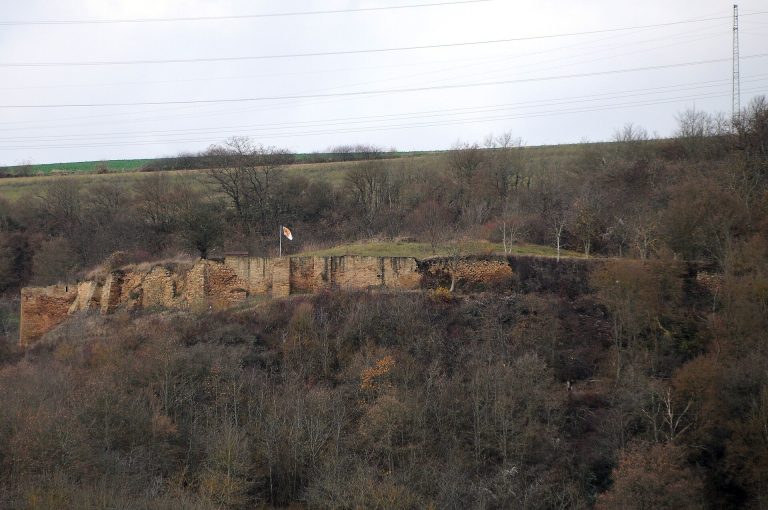
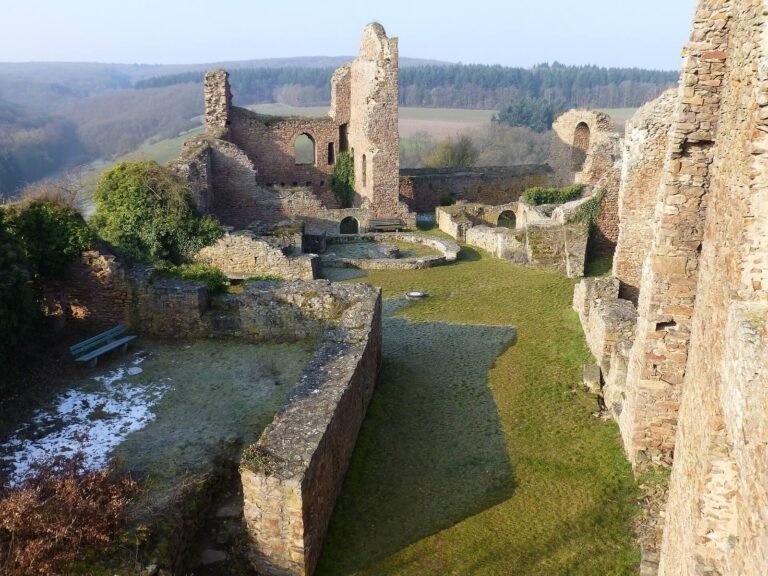
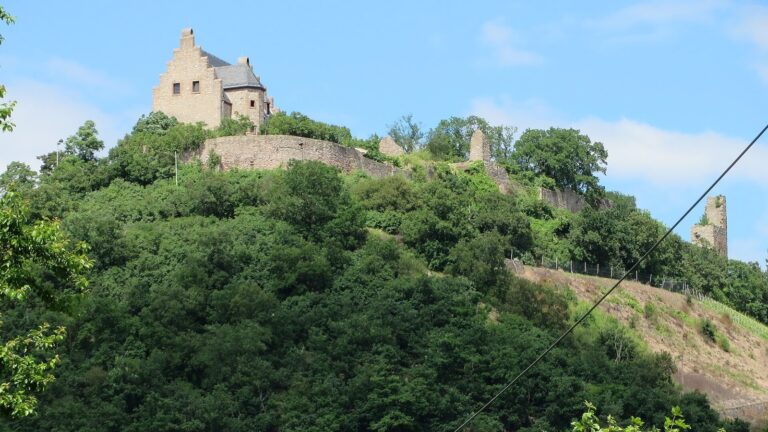
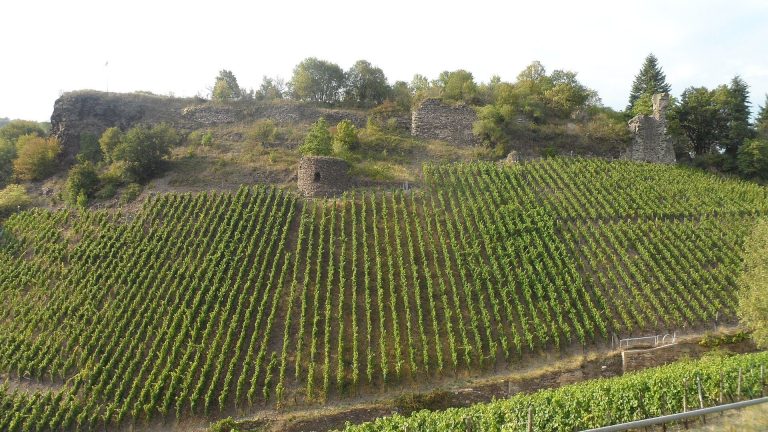
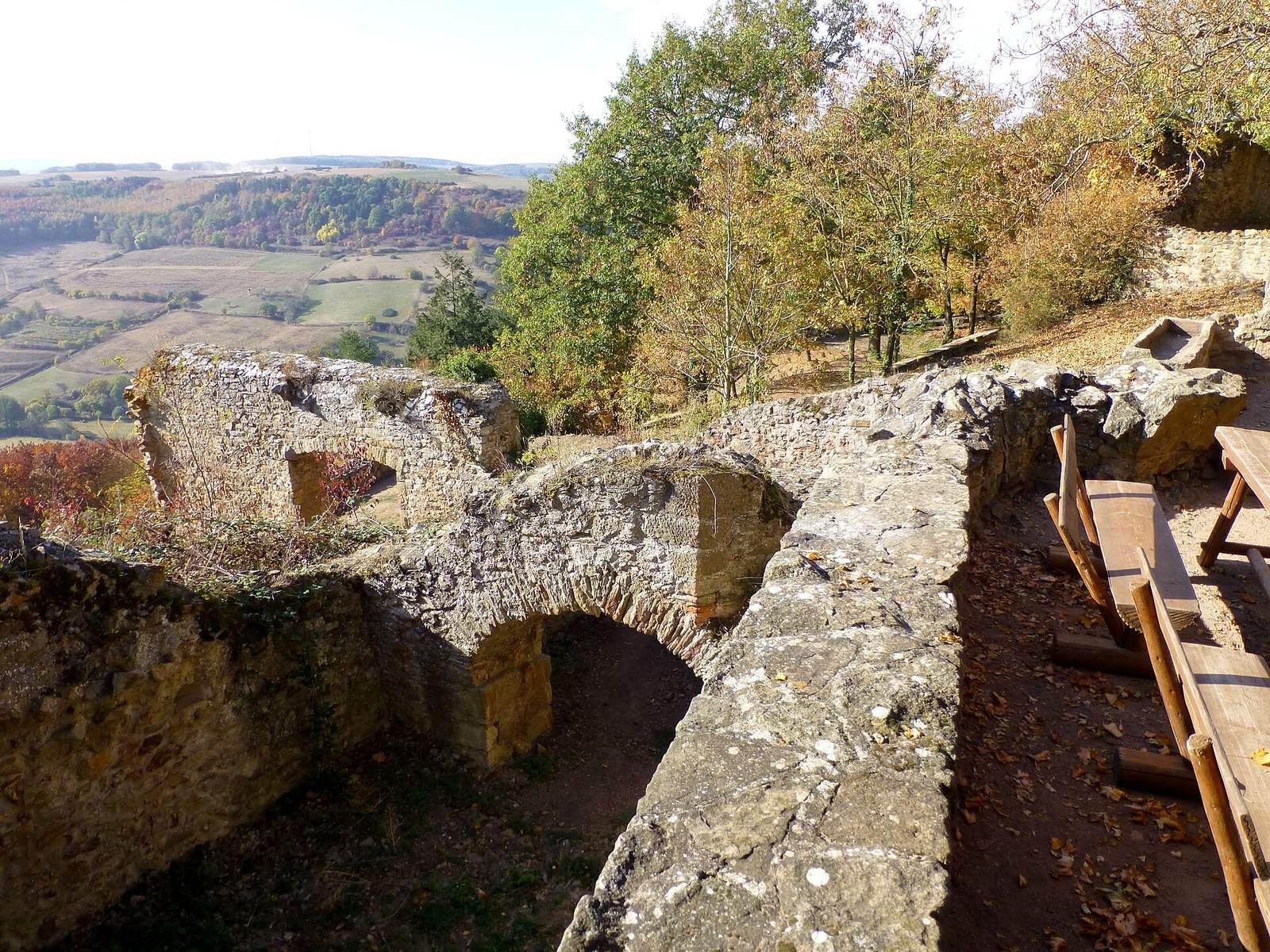
The ruins occupy Moschellandsberg, a hill rising 331.4 metres above sea level near Obermoschel. Surviving structures include a massive defensive wall, the main residential hall, a gate tower, a ring wall, a stable building, and a well. The castle’s principal defensive tower rises above the site and can be seen from a great distance.
Fortifications and buildings
Defensive wall
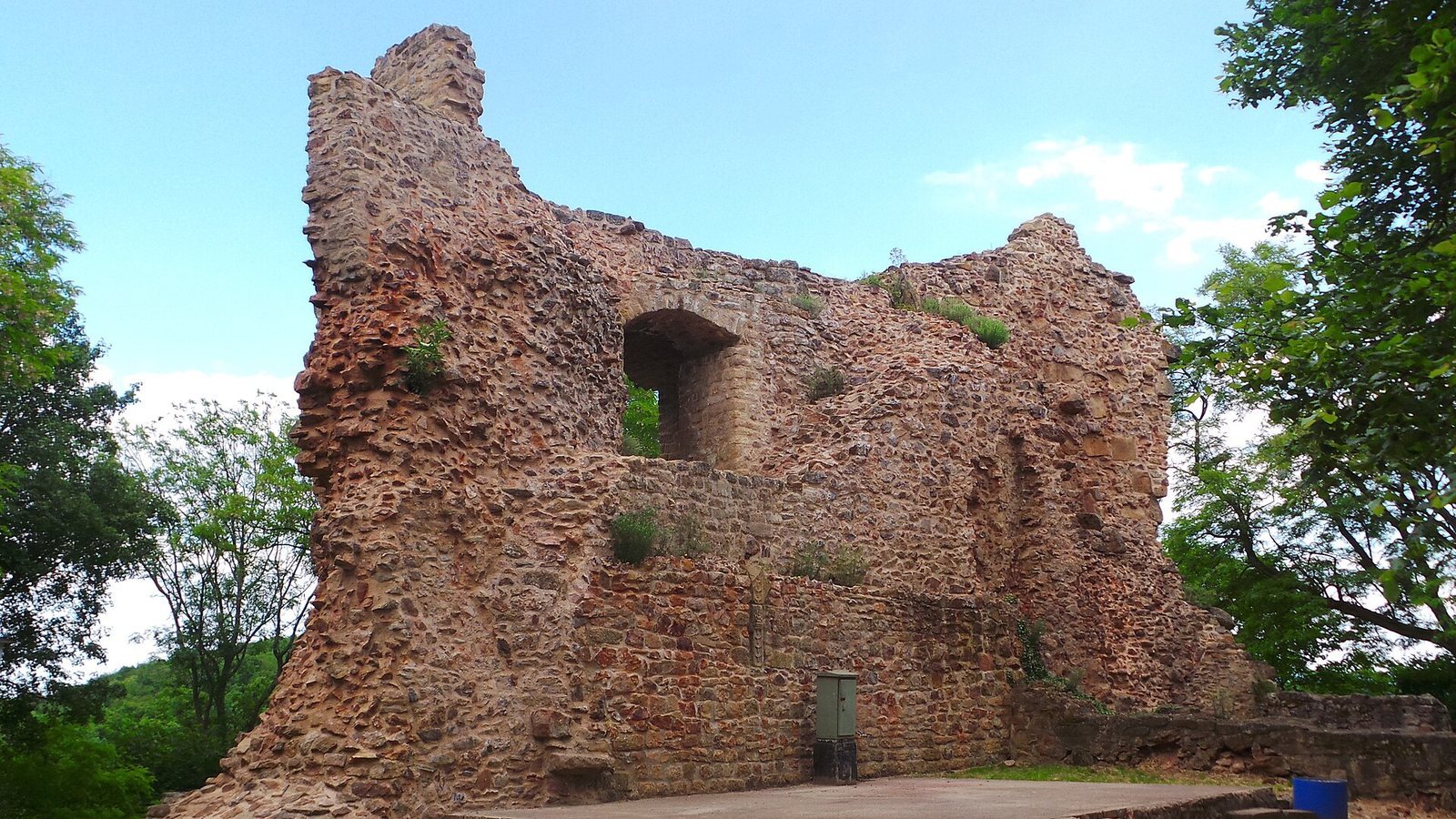
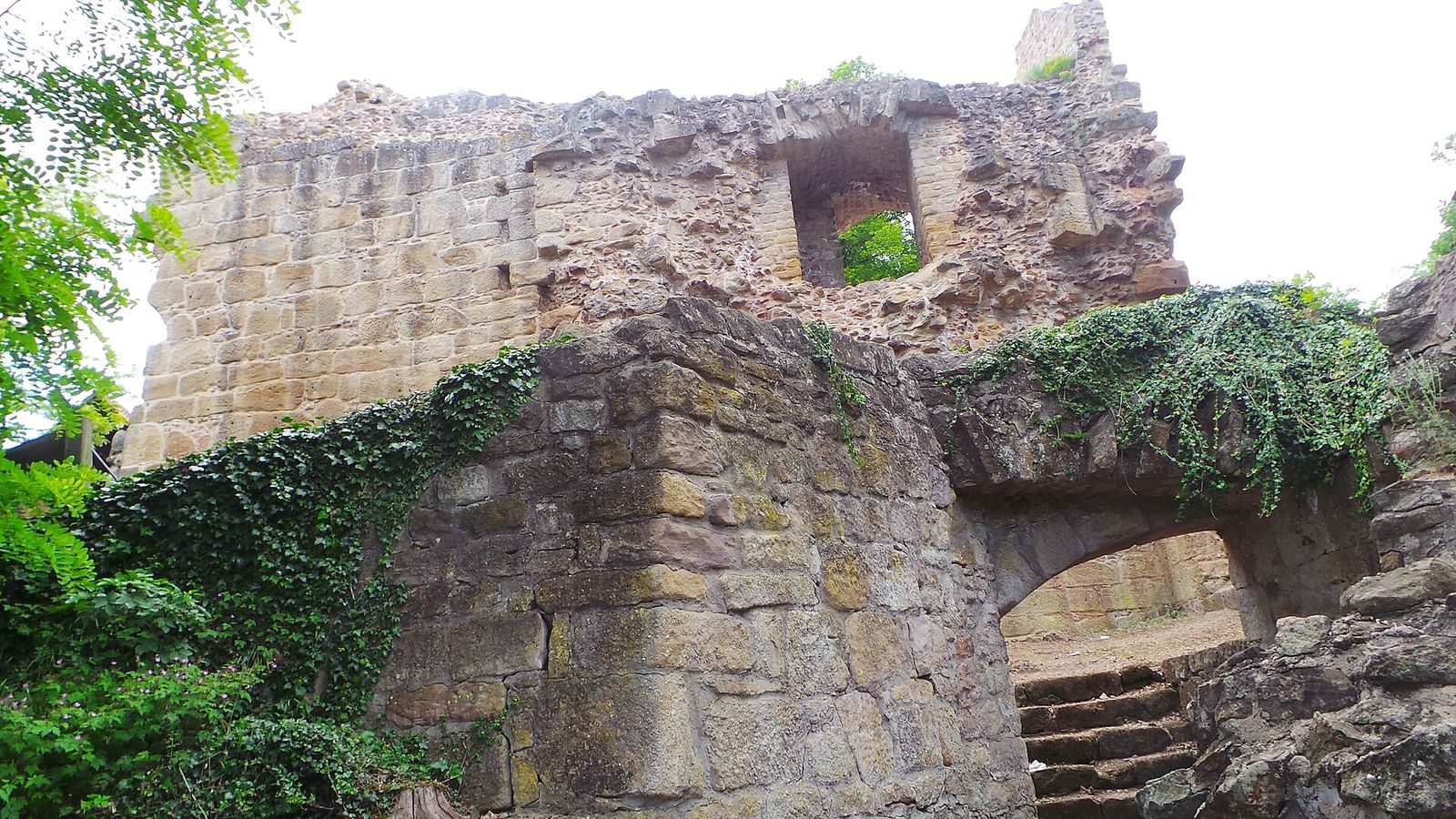
A massive shield wall, a particularly strong defensive wall, dates to the 12th or 13th century. It is built from dressed stone blocks with deliberately rough, projecting faces.
Principal defensive tower
The castle’s principal defensive tower rises above the ruins and remains visible from a great distance.
Residential and perimeter structures
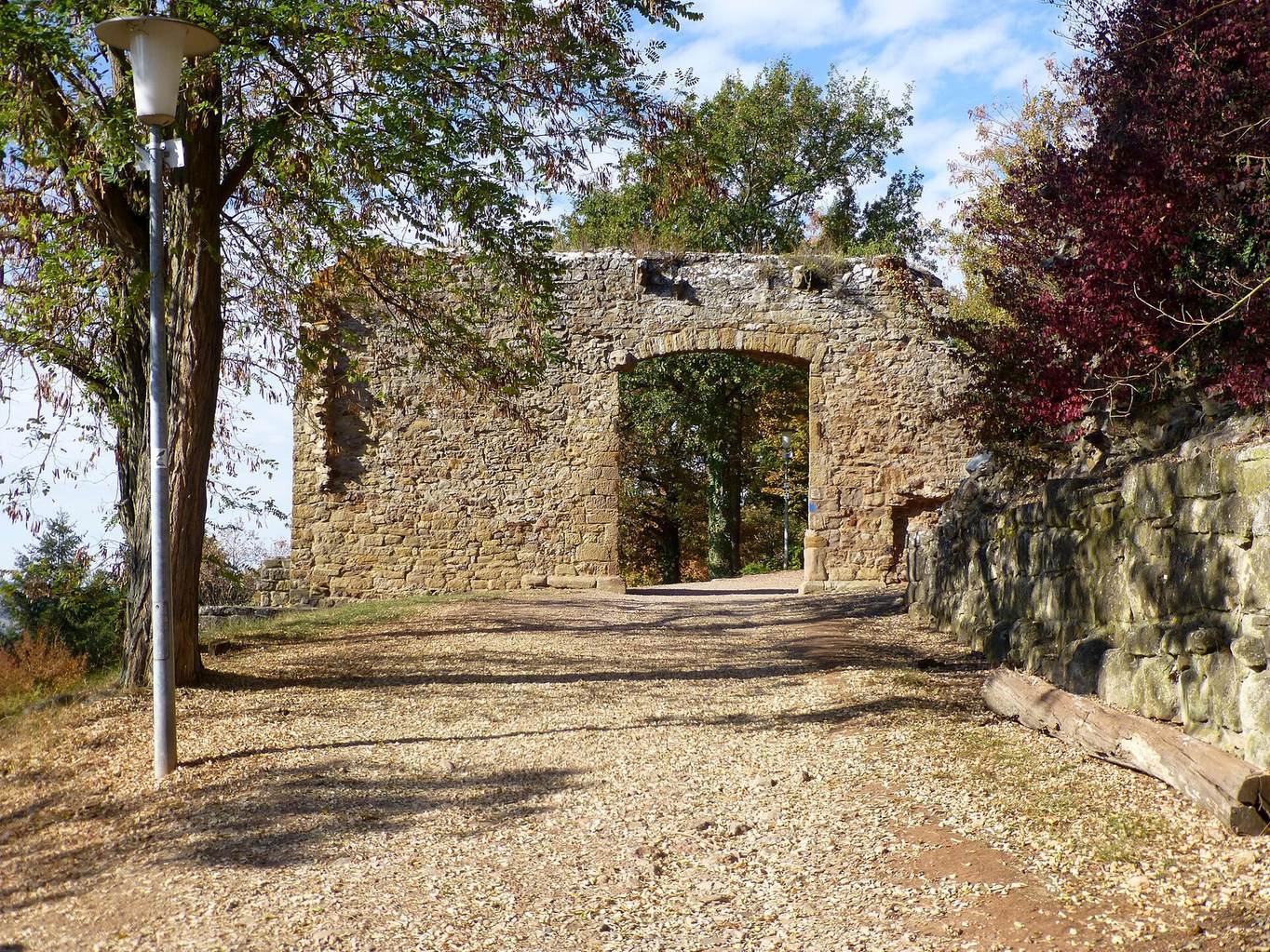
Remains of the main residential hall and gate tower survive alongside sections of the ring wall. These fragments mark the castle’s residential and defensive structures.
Stable and well
The surviving remains also include a stable building and a well.
Cellar vaults and shelter
A shelter built in 1981–83 stands over the castle’s cellar vaults.